The global agricultural landscape is currently undergoing a profound technological transformation, moving away from traditional manual labor and heavy ground-based machinery toward integrated aerial solutions. For decades, farming was defined by the physical presence of the farmer in the field and the use of massive tractors to manage vast hectares of land. However, a new protagonist has emerged in the skies above the world’s farmlands: the agricultural drone. Formally known as Unmanned Aerial Vehicles (UAVs), these devices have evolved from simple photography tools into sophisticated data-gathering and application platforms. This shift represents the dawn of "Precision Agriculture," a management concept based on observing, measuring, and responding to inter and intra-field variability in crops.
The integration of drones into the agricultural sector is not merely a trend but a response to pressing global challenges, including a growing population, labor shortages, and the increasing unpredictability of climate patterns. By providing a "bird’s-eye view" coupled with advanced sensor technology, drones allow farmers to manage their resources with unprecedented accuracy, ensuring that every drop of water, gram of fertilizer, and milliliter of pesticide is used to its maximum potential.
The Historical Trajectory of Agricultural UAVs
To understand the current state of drone technology in farming, one must look at the chronology of its development. While drones were initially associated with military reconnaissance and later with hobbyist photography, their entry into the commercial sector began in earnest during the early 2010s. In the early stages, drones were primarily used for simple aerial surveys, providing farmers with a visual perspective that was previously only available through expensive satellite imagery or manned aircraft flights.
By 2015, the development of multispectral sensors allowed drones to move beyond basic photography. These sensors enabled the measurement of light reflection off plant leaves, providing data on chlorophyll levels and overall plant health. Between 2018 and 2023, the industry saw a massive surge in "spray drones"—larger, heavy-lift UAVs capable of carrying liquid payloads. Today, the market has matured into a multi-billion dollar industry, with major manufacturers producing specialized autonomous systems that can operate with minimal human intervention.
Core Functional Capabilities: Beyond the Camera
The utility of drones in modern agriculture is multifaceted, categorized into several critical operational roles that enhance the efficiency of the food supply chain.
Real-Time Monitoring and Orthomosaic Mapping
One of the primary functions of agricultural drones is the creation of high-resolution maps. Unlike satellites, which can be obstructed by cloud cover and often have lower resolution, drones fly below the clouds and capture images with centimeter-level accuracy. Through a process called photogrammetry, hundreds of individual photos are stitched together to create an "orthomosaic" map. This allows farmers to identify drainage issues, soil erosion, and localized crop failure across hundreds of acres in a single flight.
Precision Spraying and Variable Rate Application (VRA)
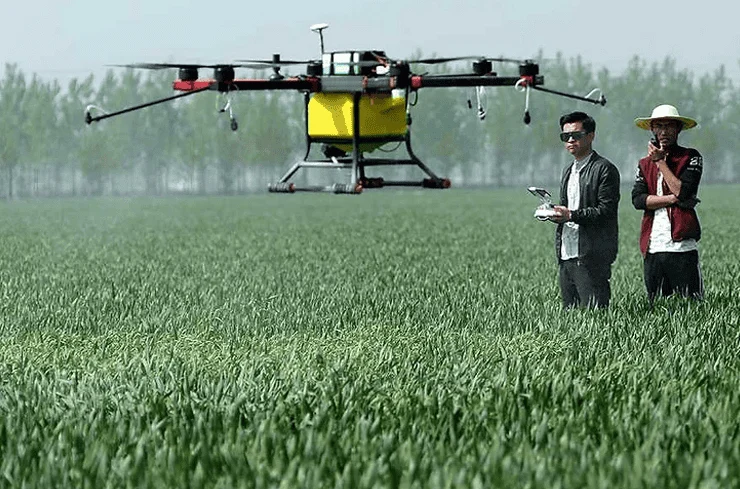
Spray drones have revolutionized the application of inputs. Traditional methods often involve "blanket spraying," where chemicals are applied uniformly across a field, regardless of whether every area needs them. Drones equipped with Variable Rate Technology (VRT) can target specific zones identified by aerial maps. This precision reduces chemical waste by up to 30% and prevents the over-exposure of healthy plants to pesticides. Furthermore, drones can access terrain that is too steep or too muddy for tractors, ensuring that crop protection can occur exactly when it is needed, regardless of ground conditions.
Multispectral Health Analysis
Plants reflect light differently depending on their health. Drones equipped with multispectral and thermal sensors can "see" what the human eye cannot. By calculating the Normalized Difference Vegetation Index (NDVI), drones provide a color-coded map of a field: green areas indicate healthy, photosynthesizing plants, while red or yellow areas signal stress caused by pests, disease, or nutrient deficiencies. This early warning system allows for "spot treatments," preventing a small localized infestation from becoming a farm-wide catastrophe.
Supporting Data: Efficiency and Economic Impact
The adoption of drone technology is supported by compelling data from various agricultural research institutions. According to a report by Grand View Research, the global agricultural drone market size was valued at approximately USD 1.5 billion in 2022 and is expected to grow at a compound annual growth rate (CAGR) of over 20% through 2030.
Efficiency metrics are equally impressive. A standard spray drone can cover approximately 10 to 15 hectares per hour, a task that would take a manual laborer several days to complete. In terms of resource conservation, studies have shown that drone-based spraying can reduce water consumption by up to 90% compared to traditional methods, as the atomized droplets produced by drone nozzles are more effective at adhering to leaf surfaces.
Furthermore, the Food and Agriculture Organization (FAO) of the United Nations has highlighted that precision agriculture could help increase global food production by 70% by 2050 to meet the demands of a population projected to reach 9.7 billion. Drones are considered a cornerstone technology in achieving this "Green Revolution 2.0."
Addressing the Labor Shortage and Attracting Youth
A significant, yet often overlooked, impact of drone technology is its social implication on the farming workforce. Globally, the average age of farmers is rising—currently around 58 to 60 years in many developed nations—as younger generations migrate to urban centers in search of technology-driven careers.
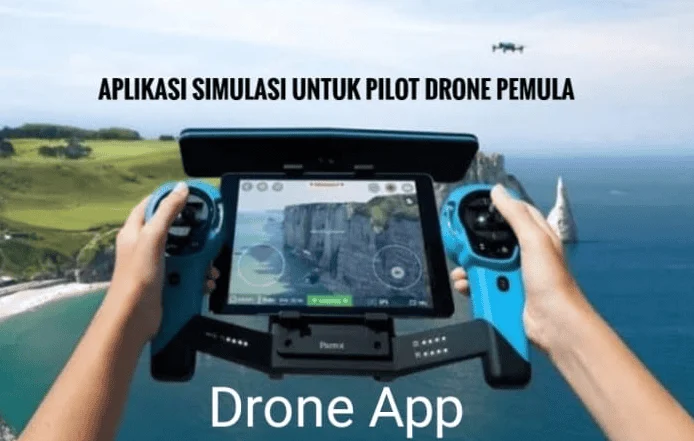
The introduction of drones is rebranding agriculture as a "high-tech" profession. By shifting the work from grueling manual labor to data analysis and remote pilotage, the industry is becoming more attractive to tech-savvy youth. This digital shift is crucial for the long-term sustainability of the agricultural sector, ensuring that there is a skilled workforce capable of managing the farms of the future.
Challenges to Widespread Adoption
Despite the clear benefits, the path to universal drone adoption is not without hurdles. The primary barrier remains the initial capital expenditure (CAPEX). High-end agricultural drones, including the necessary sensors, software subscriptions, and battery charging infrastructure, can cost between $10,000 and $50,000. For smallholder farmers, this cost is often prohibitive without government subsidies or cooperative sharing models.
Regulatory frameworks also present a challenge. In many countries, the use of drones for chemical spraying is strictly regulated by aviation and environmental authorities. Obtaining a commercial drone pilot license (such as the FAA Part 107 in the United States) and specific permits for "Beyond Visual Line of Sight" (BVLOS) operations requires time and technical knowledge. Additionally, the massive amounts of data generated by drones require robust internet connectivity and data processing capabilities, which are often lacking in remote rural areas.
Broader Implications and the Future of Farming
As we look toward the next decade, the role of drones is expected to expand into fully autonomous ecosystems. We are already seeing the emergence of "drone-in-a-box" solutions, where a drone resides in a weatherproof docking station on the farm. At scheduled intervals, the station opens, the drone flies a pre-programmed reconnaissance route, returns to charge, and uploads its data to the cloud—all without human intervention.
Artificial Intelligence (AI) will further enhance this process. Future systems will not only identify a diseased plant but will also use machine learning to diagnose the specific pathogen and automatically deploy a specialized treatment drone to address it.
Moreover, drones are becoming essential tools for climate resilience. As weather patterns become more volatile, the ability to rapidly assess storm damage or monitor drought stress in real-time allows farmers to adapt their strategies on the fly, minimizing losses and stabilizing the food supply chain.
Conclusion: A New Horizon for Global Agriculture
The rise of drones in agriculture represents a pivotal moment in human history. By bridging the gap between traditional wisdom and modern technology, these aerial tools are enabling a more sustainable, efficient, and productive way of feeding the world. While challenges regarding cost and regulation persist, the trajectory is clear: the future of farming is being written in the sky.
Ultimately, the benefit of the drone is its ability to provide clarity in an environment of uncertainty. By turning fields into data points and crops into manageable assets, drones are ensuring that agriculture remains a viable and thriving industry for generations to come. The "pahlawan kecil" (little heroes) in the sky are no longer a futuristic concept—they are the essential partners of the modern farmer, proving that the most profound improvements to the earth can often come from looking down from above.