The integration of unmanned aerial vehicles, commonly referred to as drones, into the agricultural sector represents one of the most significant technological shifts in modern farming history. For decades, the image of agriculture was inextricably linked to manual labor and heavy machinery such as tractors and harvesters. However, a new era has emerged where the "eye in the sky" provides a level of precision and efficiency previously thought impossible. This transition from traditional methods to data-driven precision agriculture is not merely a trend but a necessary evolution to meet the growing global food demand. As populations increase and climate change introduces new variables into the farming equation, drones have become indispensable tools for monitoring, maintenance, and yield optimization.
The development of agricultural drones can be traced back to the early 2010s when consumer-grade drones began to be modified for aerial photography of crops. Since then, the technology has specialized into a multi-billion-dollar industry. Today’s agricultural drones are sophisticated machines equipped with multispectral sensors, GPS-guided autonomous flight systems, and high-capacity delivery mechanisms for liquids and solids. This technological leap allows farmers to manage their land with surgical precision, moving away from the "one-size-fits-all" approach to crop management that often leads to resource waste and environmental degradation.
Core Functions and Technological Capabilities
The primary utility of drones in agriculture lies in their ability to provide high-resolution, real-time data. Traditional satellite imagery often suffers from cloud cover or low resolution, which can obscure critical details at the plant level. Drones, flying at lower altitudes, bypass these issues. Through the use of multispectral and thermal sensors, drones can capture data beyond the visible spectrum. This allows for the calculation of the Normalized Difference Vegetation Index (NDVI), a critical metric that indicates the health of a plant based on how it reflects light. A plant under stress—whether from lack of water, nutrient deficiency, or pest infestation—reflects light differently than a healthy one. By identifying these "stress zones" early, farmers can intervene before the damage becomes irreversible.
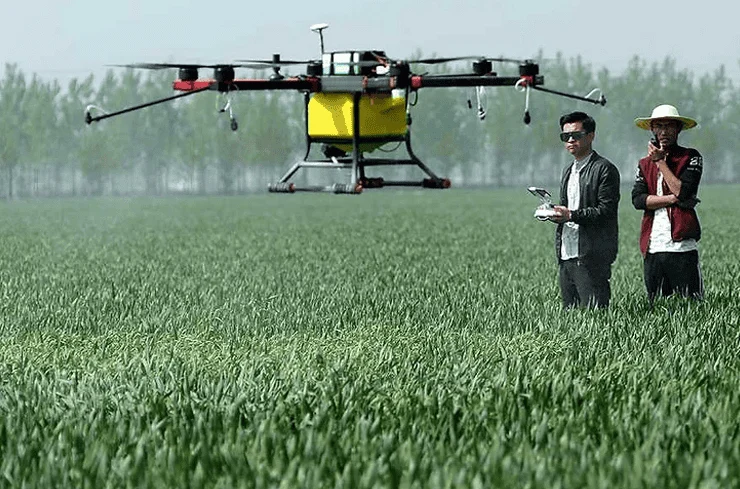
Beyond monitoring, the role of drones in crop spraying has revolutionized the application of fertilizers and pesticides. Traditional spraying methods, such as using tractors or crop-duster planes, often result in significant "drift," where chemicals are blown away from the target area, leading to waste and potential environmental contamination. Drone sprayers, however, utilize downward airflow from their rotors to push the chemicals directly into the crop canopy. This method increases the efficiency of the application and significantly reduces the amount of chemical runoff. Furthermore, autonomous flight paths ensure that the drone covers every square inch of the field with uniform consistency, a task that is difficult to achieve manually.
Chronology of Agricultural Drone Integration
The timeline of drone adoption in agriculture reflects a broader shift in the tech industry from military and hobbyist applications to industrial utility. In the late 1980s and 1990s, Japan was a pioneer in using remote-controlled helicopters, such as the Yamaha R-MAX, for rice paddy spraying. These were precursors to the modern autonomous drones we see today. Between 2010 and 2015, the "drone boom" occurred, driven by improvements in battery life and the miniaturization of sensors. During this period, startups began developing software specifically designed to turn aerial photos into actionable "prescription maps" for farmers.
By 2018, the industry saw the rise of "Swarm Technology," where multiple drones work in tandem to cover vast areas in a fraction of the time. This period also marked the entry of major tech players into the agricultural space, providing cloud-based analytics platforms that could process terabytes of farm data in minutes. As of 2024, the focus has shifted toward fully autonomous ecosystems where drones can launch from "docking stations," complete a mission, return to recharge, and upload data without any human intervention. This progression highlights a move toward the "Smart Farm" concept, where human labor is shifted from physical tasks to data management and strategic decision-making.
Supporting Data and Market Projections
The economic impact of drone technology in agriculture is supported by robust data. According to various market research reports, the global agricultural drone market was valued at approximately $1.5 billion in 2022 and is projected to reach over $6 billion by 2030, growing at a compound annual growth rate (CAGR) of over 20%. This growth is driven by the clear return on investment (ROI) that drones provide. Studies have shown that precision spraying can reduce chemical usage by up to 30%, while drone-based monitoring can increase overall crop yields by 5% to 15% through early detection of problems.
In terms of labor efficiency, a single drone can spray a 10-hectare field in less than an hour, a task that would take a human laborer several days to complete manually. This is particularly crucial in regions facing labor shortages or in developing nations where manual chemical application poses significant health risks to workers. By removing the human element from direct contact with pesticides, drones contribute to a safer working environment while simultaneously lowering production costs.
Stakeholder Perspectives and Regulatory Landscape
The adoption of drones is met with a mix of enthusiasm and caution from various stakeholders. Farmers generally view drones as a way to remain competitive in a low-margin industry. "The ability to see my entire 500-acre farm from my tablet and know exactly which corner needs more nitrogen is a game-changer," says an industry consultant representing large-scale corn producers. However, for small-scale farmers, the initial capital investment remains a significant barrier. To address this, many agricultural cooperatives have begun offering "drone-as-a-service" models, allowing smaller farms to benefit from the technology without owning the hardware.
From a regulatory standpoint, the rapid advancement of drone technology has often outpaced legislation. Organizations such as the Federal Aviation Administration (FAA) in the United States and the European Union Aviation Safety Agency (EASA) have had to create specific categories for agricultural drones, which are often heavier than consumer models due to their liquid payloads. Regulations regarding Beyond Visual Line of Sight (BVLOS) flights are currently the primary focus, as allowing drones to fly autonomously over large distances is essential for the full realization of the technology’s potential.
Environmental Impact and Climate Change Mitigation
Perhaps the most profound implication of drone technology is its role in sustainable agriculture. As the world grapples with the effects of climate change, drones provide a means to adapt to increasingly volatile weather patterns. For instance, in periods of drought, drones can identify specific areas of a field that require irrigation, allowing for precise water management. This "variable rate application" ensures that resources are used only where they are needed, preserving local water tables and reducing the carbon footprint of the farm.
Furthermore, drones are being utilized in reforestation and "seed bombing" projects. Specialized drones can fire seed pods into the soil at high speeds, allowing for the rapid replanting of areas affected by wildfires or deforestation. This application demonstrates that the benefits of drone technology extend beyond commercial farming and into the realm of global environmental restoration.
Future Outlook and Technological Convergence
The future of drones in agriculture will likely be defined by the convergence of Artificial Intelligence (AI) and the Internet of Things (IoT). Future drones will not just capture images; they will use AI to diagnose plant diseases on the fly and make real-time decisions about whether to apply treatment. Integration with ground-based sensors and automated irrigation systems will create a seamless feedback loop where the farm essentially "manages itself."
However, challenges remain. Issues such as data privacy, the "right to repair" agricultural tech, and the need for high-speed internet connectivity in rural areas must be addressed. Despite these hurdles, the trajectory is clear. The "pioneers of the sky" are transforming agriculture into a high-tech industry that is more efficient, more sustainable, and more resilient.
In conclusion, the rise of drones in the agricultural world is a testament to how technology can be harnessed to solve some of the most pressing challenges on Earth. By providing a vantage point that was previously inaccessible, drones allow farmers to act with unprecedented foresight. The benefits are felt not only in the profit margins of the producers but also in the stability of the global food supply and the health of the planet. As the technology continues to mature, the sight of a drone hovering over a field will become as common—and as vital—as the sight of a tractor has been for the last century. The future of farming is no longer just about the soil; it is about the data-driven insights gathered from the sky.