The raw, untamed beauty of Earth’s polar regions, a subject of profound fascination for renowned nature photographer Paul Nicklen, is increasingly under threat. Nicklen, whose formative years were spent in the Arctic and whose career has been dedicated to capturing the delicate intricacies of these frozen landscapes, issues a stark warning: the accelerating loss of ice in the Arctic and Antarctic is jeopardizing the survival of iconic wildlife and demanding urgent global attention. Through his evocative imagery and personal narrative, Nicklen highlights the intrinsic connection between the health of these ecosystems and the broader implications for planetary well-being.
A Childhood Shaped by Ice: The Genesis of a Conservationist
Nicklen’s deep-seated connection to the polar world began at the tender age of four when his family relocated to Baffin Island. This period, immersed in an environment dictated by the rhythms of ice and snow, proved formative. Living within an Inuit community, he learned invaluable lessons from elders, not just about survival in extreme conditions – tracking animals, navigating treacherous ice, and enduring frigid temperatures – but also about a profound respect for the natural world. These experiences, he states, were instrumental in shaping his life’s trajectory and his eventual role as a National Geographic photographer. The Arctic, his childhood home, became a place of belonging, a stark contrast to the growing pressures it now faces.
"Despite our remoteness, I felt intimately connected to the vast, untamed world surrounding me," Nicklen recalls, emphasizing the deep bond formed with the land and its inhabitants. This intimate understanding of polar ecosystems, honed over decades of observation, fuels his current advocacy for their protection. The resilience and adaptability of polar species, from seals and polar bears to seabirds, are intrinsically linked to the stability of their icy habitats. Nicklen’s work serves as a visual testament to this delicate balance, showcasing the breathtaking beauty that is now at risk.
The Ephemeral Artistry of Ice: A Photographer’s Perspective
Photographing ice, Nicklen explains, is an exercise in capturing a constantly evolving masterpiece. The interplay of light, refraction, and crystalline structures creates an endless array of patterns and textures. Each iceberg, each glacial formation, presents a unique photographic opportunity, with conditions shifting dramatically even from the same vantage point. An overcast sky can transform a majestic iceberg into an indistinct mass, while sunlight can illuminate its hidden depths and intricate formations. This inherent dynamism, while posing challenges, also liberates the creative process, pushing photographers to explore novel perspectives and uncover deeper narratives.
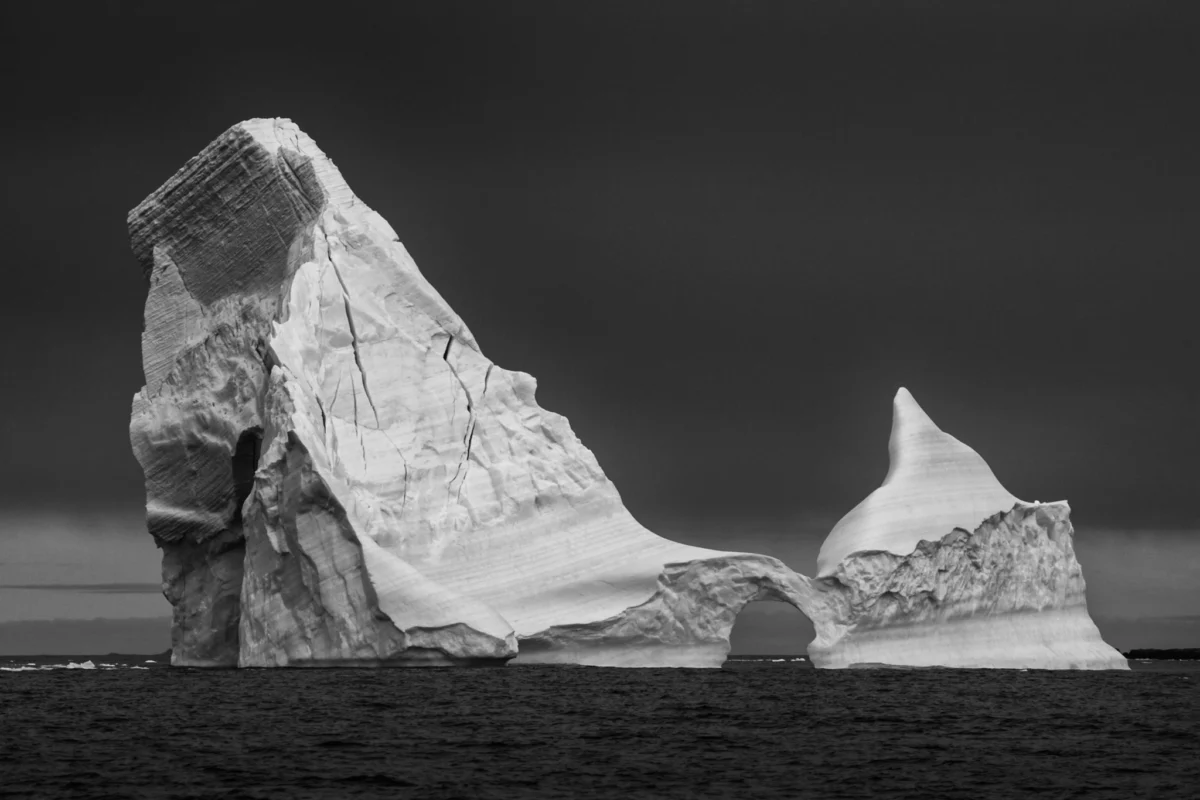
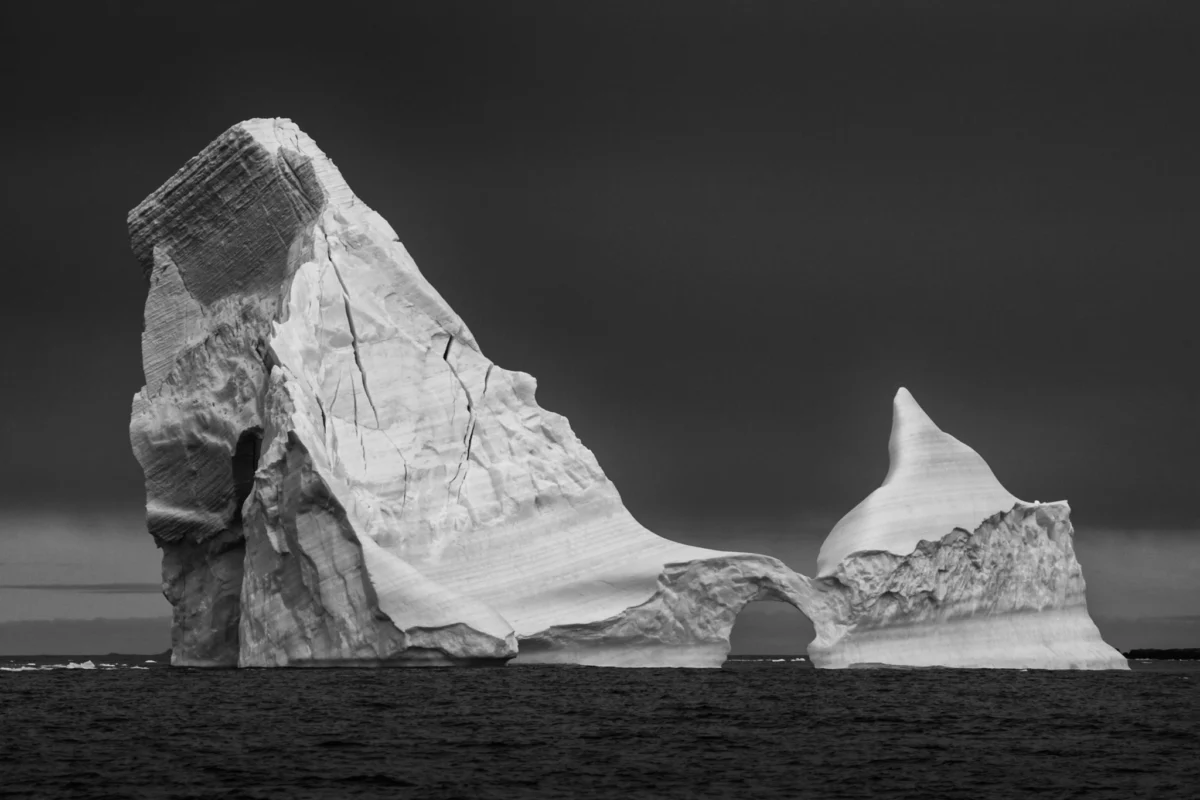
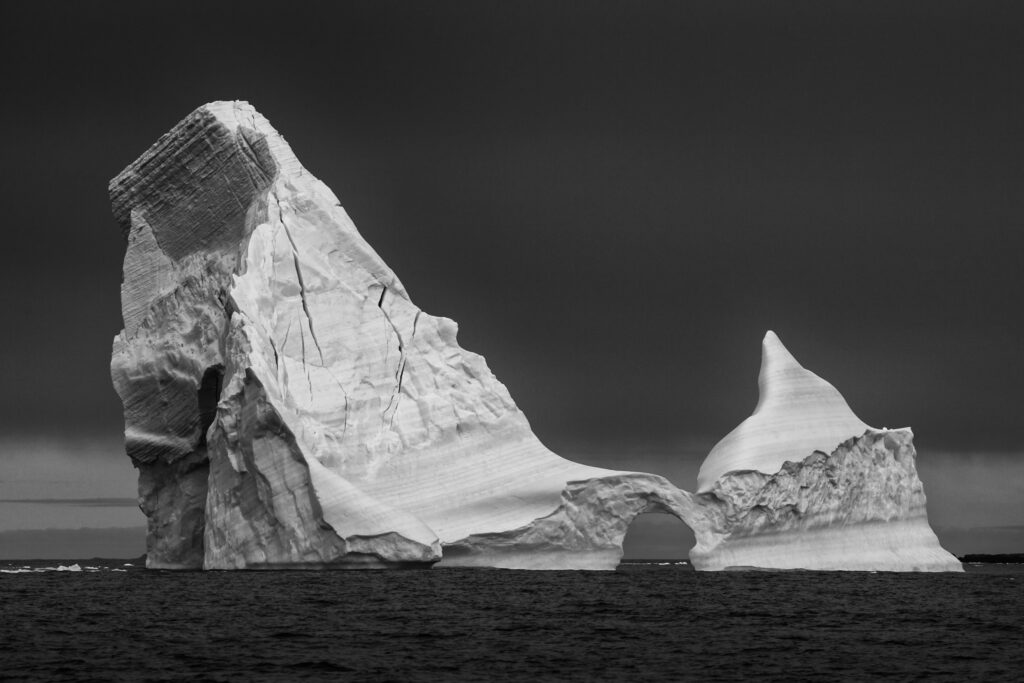
One particularly poignant anecdote illustrates the ephemeral nature of these icy landscapes. During an expedition to the "last continent" – Antarctica – Nicklen observed a delicate ice arch, a fleeting sculpture carved by the relentless forces of the sea, long winters, and fierce winds. As he meticulously adjusted his camera, framing the arch between towering ice spires, a low rumble signaled an impending collapse. Within moments, the magnificent structure succumbed to gravity, plunging into the ocean with a thunderous crackle, sending waves cascading outwards. This event, a spectacular display of nature’s artistry, vanished before his eyes, underscoring the fragility of these formations. The photograph capturing this moment, titled "The Last Stand," serves as a poignant reminder of what is being lost.
The Vanishing Arctic: Data and Evidence
The urgency of Nicklen’s message is underscored by scientific data confirming the dramatic changes occurring in polar regions. The Intergovernmental Panel on Climate Change (IPCC) has repeatedly highlighted the disproportionate warming experienced in the Arctic compared to the global average. Reports indicate that Arctic sea ice is declining at an alarming rate, with projections suggesting ice-free summers could become a reality within decades.
According to the National Snow and Ice Data Center (NSIDC), the average extent of Arctic sea ice in September (the month of minimum extent) has decreased by about 13% per decade since the start of satellite records in 1979. This reduction in sea ice has profound implications:
- Habitat Loss: Polar bears, for instance, rely on sea ice as a platform for hunting seals, their primary food source. Reduced ice extent leads to longer periods on land, diminished hunting success, and increased cub mortality.
- Disruption of Food Webs: Changes in ice cover impact the entire marine food web, from plankton blooms to the availability of prey for seals, whales, and birds.
- Accelerated Warming: The loss of reflective ice exposes darker ocean water, which absorbs more solar radiation, creating a feedback loop that further accelerates warming – a phenomenon known as Arctic amplification.
- Sea Level Rise: While melting sea ice does not directly contribute significantly to sea level rise (as it is already floating), the warming temperatures that drive ice melt also contribute to the melting of land-based ice sheets in Greenland and Antarctica, a major driver of global sea level rise.
The Antarctic, while exhibiting more complex regional variations, is also experiencing significant ice loss, particularly in the West Antarctic Ice Sheet, which is considered more vulnerable to warming ocean temperatures.
"Ice Waterfall": A Symbol of Conservation
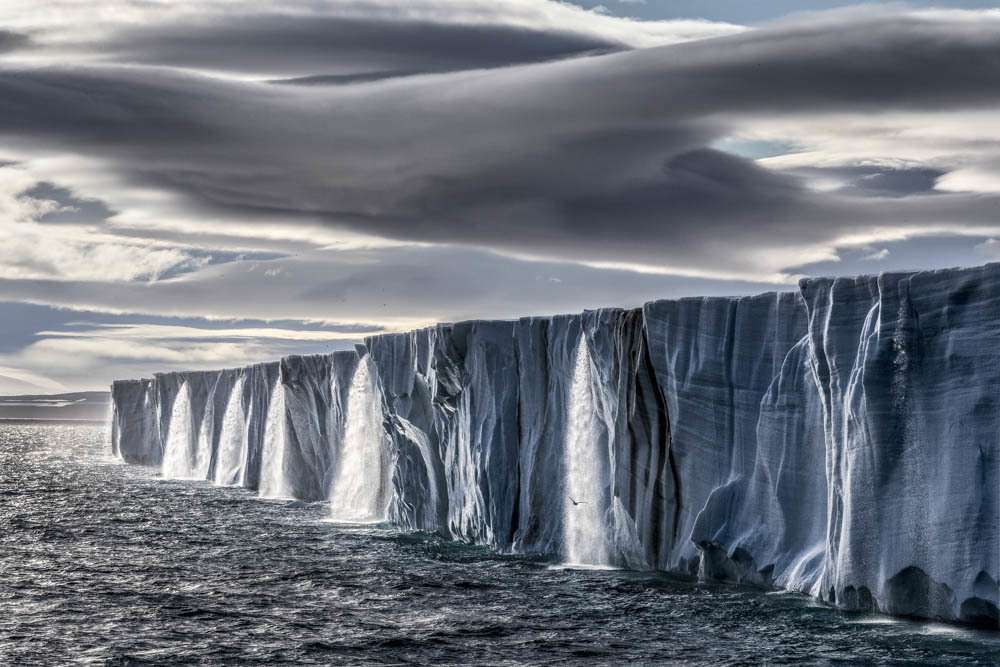
Among Nicklen’s most iconic works is "Ice Waterfall," a photograph that encapsulates his artistic vision and conservationist ethos. This image, depicting dark clouds, cascading ice falls, and the vast Nordaustlandet ice cap, tells a powerful story of a vanishing Arctic. The photograph has resonated globally, finding a place in homes and inspiring action. Its significance is further amplified by its use by prominent figures like Al Gore in his advocacy for climate action.
The artwork played a pivotal role as the gatefold opening spread in National Geographic’s "Cool It" Issue in 2015, drawing widespread attention to the challenges facing polar regions. More recently, it graced the cover of Pearl Jam’s album "Gigaton," a testament to its enduring power to convey an urgent message. Whether viewed on a small screen or as a large-scale art print in a gallery, "Ice Waterfall" remains an undiminished, timeless piece with an urgent call to action: to protect these vital polar environments before they are irrevocably lost.
The Interconnectedness of Life: A Call to Collective Action
Nicklen emphasizes that the fate of polar wildlife is inextricably linked to the health of the planet. The resilience of species like polar bears and seals, honed over millennia of adaptation to harsh conditions, now faces an unprecedented threat from rapid environmental change. As ice diminishes, their ability to hunt, breed, and survive is compromised. This loss is not merely an ecological tragedy; it is a stark indicator of the broader crisis of climate change.
His message is one of hope, tempered by realism. Despite the mounting challenges, Nicklen believes that a shift in our collective course is still possible. This requires a global commitment to reducing greenhouse gas emissions, transitioning to sustainable energy sources, and implementing policies that prioritize environmental protection. The support of individuals who share a love for the natural world, he asserts, is crucial in this endeavor.
"We are in this together, and we will solve this together," Nicklen states, fostering a sense of shared responsibility and collective agency. His plea is not just for the preservation of polar landscapes but for the safeguarding of a planet where all life can thrive.
Broader Implications and Future Outlook
The implications of unchecked polar ice melt extend far beyond the immediate regions. Global sea levels will continue to rise, threatening coastal communities worldwide. Changes in ocean currents and atmospheric patterns, influenced by polar warming, can lead to more extreme weather events in distant regions. The loss of biodiversity in these unique ecosystems represents an irreplaceable diminishment of Earth’s natural heritage.
Scientific consensus, as articulated by bodies like the IPCC, points to the necessity of drastic and immediate action to mitigate the worst effects of climate change. This includes ambitious targets for emissions reductions, significant investment in renewable energy, and robust international cooperation. Nicklen’s work serves as a powerful visual reminder of what is at stake, urging policymakers and the public alike to recognize the urgency of the situation and to act decisively. The enduring beauty and profound fragility of the polar regions, captured through his lens, demand a global response that prioritizes the health of our planet for future generations.