The global automotive landscape is currently witnessing a transformative shift where the boundaries between terrestrial transportation and aerial technology are increasingly blurred. In a landmark development for the industry, BYD, the world’s leading manufacturer of new energy vehicles (NEVs), has officially launched an integrated smart drone system developed in collaboration with DJI, the global leader in civilian drones and aerial imaging technology. This partnership marks the introduction of the world’s first vehicle-integrated drone system, specifically designed to enhance the capabilities of high-end electric vehicles and provide a seamless fusion of automotive intelligence and aerial robotics.
The announcement, which was first detailed during the BYD Dream Day 2024 event, highlights the company’s commitment to its "Xuanji" architecture—a comprehensive intelligent system that serves as both the brain and neural network of the vehicle. By integrating DJI’s advanced flight control and imaging technologies directly into the vehicle’s hardware and software ecosystem, BYD aims to offer more than just a mode of transport; it is offering a multi-dimensional sensory experience that extends far beyond the confines of the cabin.
The Strategic Alliance Between BYD and DJI
The collaboration between BYD and DJI is a strategic alignment of two Chinese technological powerhouses. BYD has recently overtaken competitors to become a dominant force in the global EV market, while DJI maintains a commanding share of over 70% of the global civilian drone market. This synergy allows for a level of integration that third-party aftermarket solutions cannot replicate.
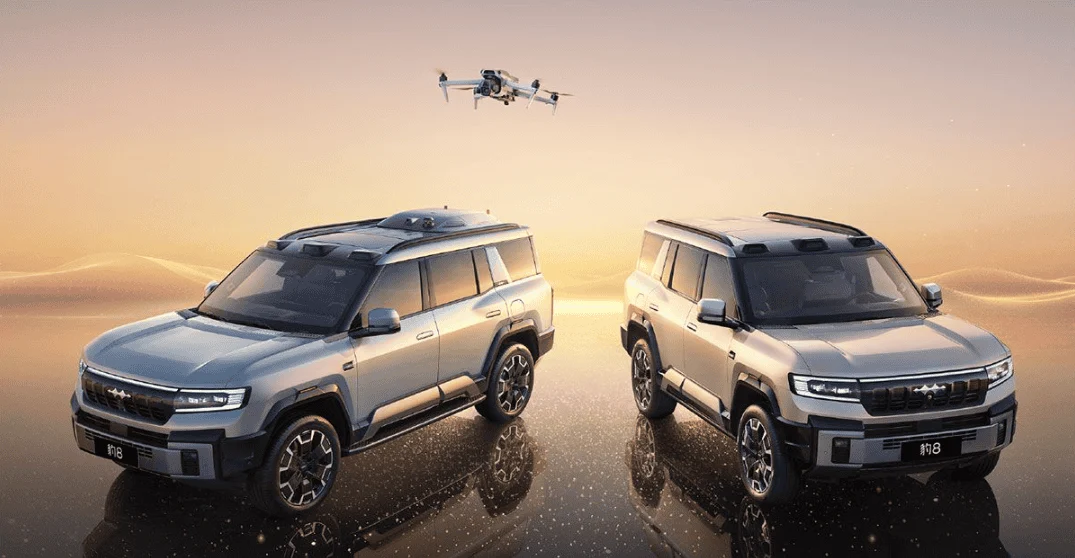
Unlike standard consumer drones that require manual setup and separate controllers, the BYD-DJI system is built directly into the vehicle’s structure. The most prominent feature of this integration is the vehicle-mounted drone dock, typically situated on the roof of the car. This dock serves as a protective housing, a wireless charging station, and a launchpad. The integration ensures that the drone is always ready for deployment, managed entirely through the vehicle’s internal infotainment system.
Industry analysts view this move as a response to the growing demand for "lifestyle vehicles" in the premium segment. By partnering with DJI, BYD leverages world-class stabilization, obstacle avoidance, and high-definition transmission technologies, ensuring that the drone remains a reliable tool rather than a mere gimmick.
Technical Specifications and the Vehicle-Mounted Drone Dock
The hardware at the center of this innovation is a specialized drone, optimized for high-speed deployment and recovery. While based on DJI’s proven flight platforms, the drone has been modified to handle the unique aerodynamic challenges of launching from a vehicle.
The Automated Docking System
The roof-mounted compartment features an intelligent opening and closing mechanism. It is designed to be weatherproof and dustproof, protecting the drone’s sensitive optics and rotors when not in use. One of the most significant technical hurdles overcome by the engineering team was the automated landing sequence. Using high-precision positioning and sensors, the drone can identify the moving vehicle and land accurately on the dock, even in moderately challenging weather conditions.
Power and Connectivity
The drone is powered by the vehicle’s massive traction battery. When docked, the drone undergoes high-speed induction charging, ensuring it is always at 100% capacity. Connectivity is handled via a dedicated high-bandwidth link that integrates with the car’s 5G-enabled architecture. This allows for near-zero latency in video transmission, enabling the driver or passengers to view the drone’s feed in 4K resolution on the car’s primary dashboard displays.
Camera and Imaging
Equipped with DJI’s signature three-axis gimbal stabilization, the drone’s camera provides cinematic-quality footage. It features advanced AI tracking, allowing it to lock onto the vehicle and follow it autonomously at speeds suitable for scenic driving. The system includes various pre-programmed flight modes, such as "Circle," "Follow," and "Leading View," which can be activated with a single touch on the vehicle’s screen.
Operational Capabilities: AI, Automation, and Real-Time Integration
The "smart" aspect of the BYD drone lies in its deep integration with the vehicle’s Artificial Intelligence. The drone does not function as a separate entity but acts as an extended sensor for the car.

Autonomous Flight and Navigation
Using GPS, GLONASS, and vision-based sensors, the drone can navigate complex environments. If the vehicle enters a tunnel or an area with dense tree cover, the drone’s obstacle avoidance system (OAS) calculates real-time flight paths to avoid collisions. Furthermore, the drone is programmed with an automatic "Return to Home" (RTH) function that specifically targets the vehicle’s current location, accounting for the fact that the car may have moved significantly since the drone’s takeoff.
Intelligent Surveillance and Scouting
Beyond photography, the drone serves a practical purpose in navigation and safety. In "Scout Mode," the drone can fly ahead of the vehicle to monitor traffic congestion, road obstructions, or terrain changes that might be invisible from the driver’s perspective. This is particularly useful for off-road enthusiasts using BYD’s luxury SUV sub-brands, such as Yangwang. The aerial view provides a comprehensive map of the surroundings, allowing drivers to choose the safest or most efficient path through difficult terrain.
Safety and Security Applications in Modern Transportation
Safety remains a primary concern in the development of vehicle-integrated drones. BYD and DJI have implemented several layers of redundancy to ensure that the drone does not pose a risk to the vehicle’s occupants or other road users.
- Geofencing and Regulatory Compliance: The drone’s software is integrated with global aviation databases. It will automatically restrict flight in "No-Fly Zones" such as airports or sensitive government installations.
- Emergency Protocols: In the event of a low battery or signal loss, the drone is programmed to land safely. If the vehicle is moving too fast for a safe landing, the drone will hover at a safe altitude and provide its coordinates to the user.
- Security Monitoring: While the vehicle is parked, the drone can act as a mobile security guard. In the event of a security breach or a triggered alarm, the drone can be deployed to capture aerial footage of the area, providing a 360-degree view of the vehicle’s environment and potentially identifying intruders.
Market Context: The Race for Automotive Intelligence
BYD’s entry into the drone space is part of a broader trend among Chinese automakers to dominate the "Intelligent Cockpit" and "Smart Mobility" sectors. Competitors like Xpeng have invested heavily in Aeroht, a flying car division, while Geely has acquired various terrestrial and satellite communication firms.
However, BYD’s approach is more immediate and consumer-focused. By integrating a drone today, they are providing a tangible feature that enhances the utility of the vehicle immediately, rather than waiting for the complex regulatory approvals required for flying cars. This move is specifically aimed at the luxury market. The first model to feature this technology is the Yangwang U8, a luxury off-road SUV that competes with the likes of the Land Rover Defender and the Mercedes-Benz G-Class. For buyers in this segment, the drone is a "force multiplier" that justifies the premium price tag.
Economic and Industrial Implications
The launch of the smart drone system also reflects the robust supply chain and R&D capabilities within China’s high-tech corridors. BYD’s R&D expenditure reached record highs in 2023, with the company employing over 90,000 R&D personnel. The collaboration with DJI showcases a "closed-loop" innovation model where battery technology, AI software, and aerial hardware are all sourced and developed within a single technological ecosystem.
Furthermore, this technology has significant implications for various industries:
- Media and Content Creation: Travel vloggers and professional cinematographers can capture high-end footage without the need for a separate drone operator.
- Search and Rescue: Vehicles equipped with this technology could become vital assets in emergency response, allowing for rapid aerial surveys in disaster-stricken areas where traditional infrastructure has failed.
- Environmental Monitoring: For scientific research or agricultural management, the integrated drone allows for frequent and easy aerial data collection.
Future Outlook and Regulatory Landscape
As BYD prepares to roll out this technology across more models in its lineup, the industry faces several challenges, primarily regarding regulation. Current aviation laws in many countries, including the United States and members of the European Union, have strict rules regarding "Beyond Visual Line of Sight" (BVLOS) operations and flying drones from moving vehicles.
BYD will likely need to tailor the software capabilities of the drone to meet the specific legal requirements of each export market. For example, in some jurisdictions, the drone may only be deployable when the vehicle is stationary. Despite these hurdles, the technological precedent has been set.
The integration of drones into the automotive ecosystem is no longer a concept of the distant future. With the launch of the BYD-DJI smart drone, the car has evolved from a simple transport machine into a sophisticated mobile command center. As AI continues to advance, we can expect these drones to become even more autonomous, perhaps eventually playing a role in the communication networks required for fully autonomous driving.
Conclusion
BYD’s launch of the smart drone in collaboration with DJI represents a pivotal moment in the evolution of the electric vehicle. It signals a shift away from focusing solely on range and horsepower toward a focus on integrated technology and user experience. By merging the strengths of the world’s leading EV maker with the world’s leading drone manufacturer, BYD has created a product that offers unprecedented utility, safety, and creative potential. As this technology matures and filters down from luxury models to the broader consumer market, it may soon become a standard feature of the modern intelligent vehicle, forever changing how we interact with the world from the driver’s seat.