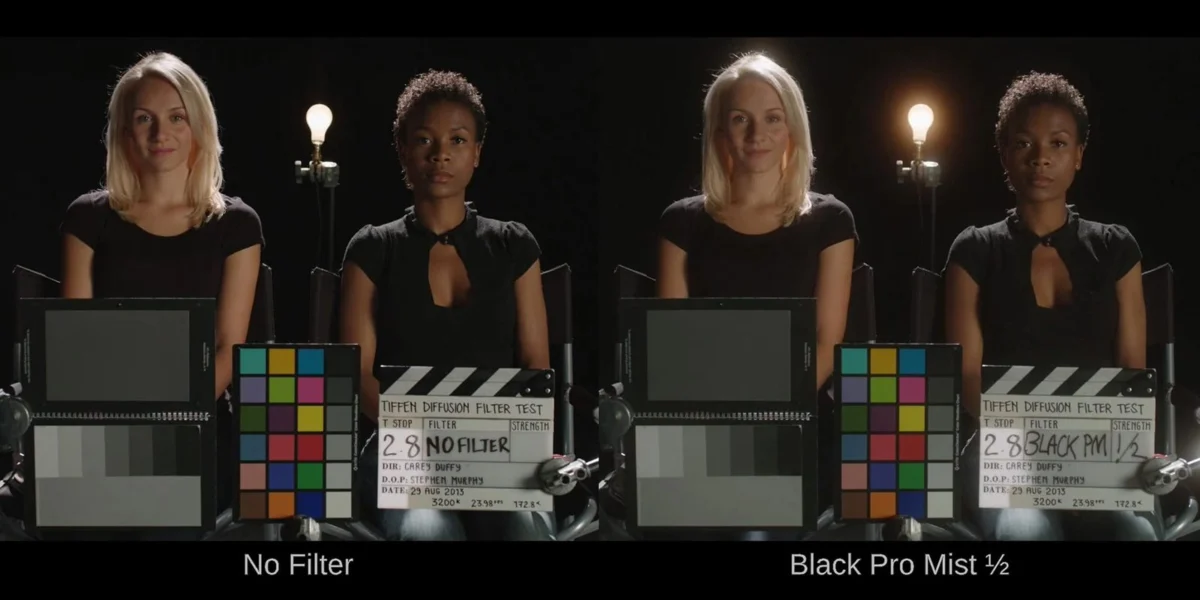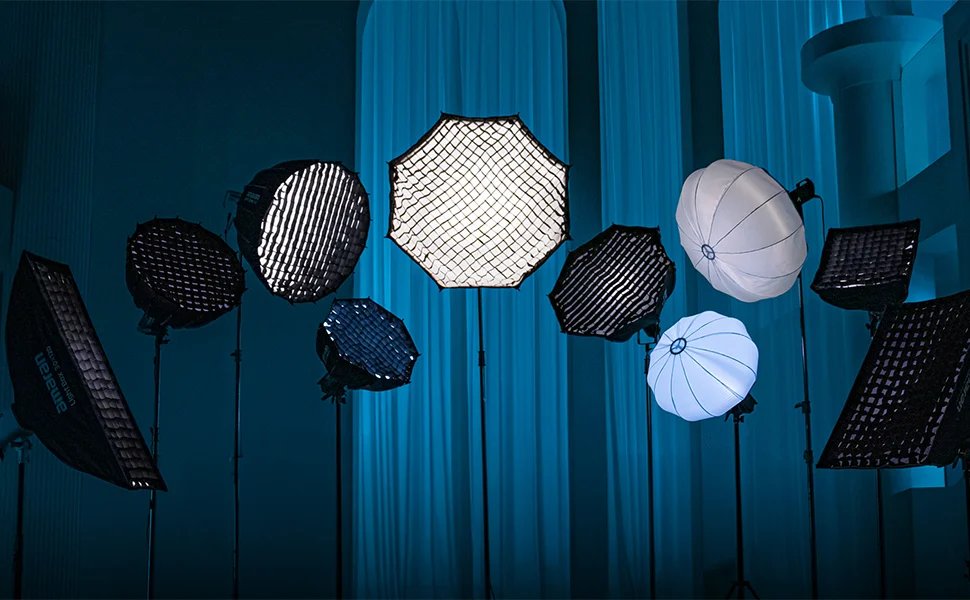
The manipulation of light stands as the bedrock of compelling visual storytelling, transcending mere technical exposure to become a profound artistic language in both photography and videography. For decades, practitioners have navigated the complexities of illumination, from intricate studio setups to the unpredictable nuances of natural environments, recognizing that mastery lies not in the abundance of gear but in a nuanced understanding of its core properties. This article delves into the three foundational principles governing light – Intensity, Quality, and Direction – elucidating how each element fundamentally alters a scene and its subjects, enabling creators to sculpt narratives, evoke emotions, and craft images with deliberate intent.
The Foundational Role of Light in Visual Media
Since the dawn of photography in the 19th century, with pioneers like Nicéphore Niépce and Louis Daguerre grappling with lengthy exposures under natural sunlight, the control of light has been paramount. Early daguerreotypes and calotypes, often requiring minutes or even hours of exposure, were entirely at the mercy of the sun’s intensity and direction. The invention of flash powder in the late 19th century marked a significant technological leap, offering photographers their first means of artificial, albeit crude, light control. This progression from passive reliance on natural phenomena to active manipulation underscores light’s critical role, evolving from a necessary evil to an indispensable creative tool. Modern digital sensors and advanced lighting equipment, including sophisticated studio strobes and high-powered LEDs, have further democratized and refined this control, yet the underlying principles remain constant. Whether capturing a fleeting moment with a handheld camera or orchestrating an elaborate cinematic sequence, understanding how to manage light’s quantity, character, and angle is the demarcation between simply recording an image and meticulously crafting one. These principles are not confined to the controlled environment of a studio; they are equally applicable and crucial when working with the ever-shifting dynamics of natural light, demanding an acute observational skill to anticipate and adapt.
Intensity of Light: The Volume Control of Visuals
Intensity, the most straightforward of the three principles, refers to the sheer quantity of light reaching a subject and, consequently, the camera’s sensor. Conceptually, it functions as the "volume knob" of illumination. On purpose-built lighting units such as studio strobes or LED panels, intensity is typically controlled via dedicated dials or digital interfaces, allowing for precise adjustments in output. In natural light scenarios, photographers and videographers employ various strategies to manage intensity, including the use of Neutral Density (ND) filters to reduce the amount of light entering the lens without altering color, or by adjusting the camera’s ISO sensitivity, aperture, and shutter speed.
While fundamental to achieving correct exposure, the perceived significance of intensity often ranks lower than quality or direction in terms of its artistic shaping capabilities. However, its importance should not be underestimated. The inverse square law dictates that the intensity of light diminishes rapidly as the distance from the source to the subject increases. Specifically, doubling the distance reduces the light intensity to one-quarter of its original value. This physical law is critical for understanding light falloff, creating depth, and establishing visual hierarchy. For instance, placing a light source closer to a subject will result in a more dramatic falloff into shadow on parts of the subject further away, or on the background. Conversely, moving the light source further back creates a more even illumination across the subject and background, albeit at a lower overall intensity. This nuanced control of light intensity, therefore, extends beyond mere exposure to influence contrast ratios, the visibility of details in shadows, and the overall mood of an image. A brightly lit scene can convey cheerfulness or starkness, while a dimly lit one might suggest mystery or intimacy. Early cinema, particularly the film noir genre of the 1940s and 50s, masterfully employed low-key lighting, characterized by high contrast and significant areas of shadow, achieved by carefully controlling light intensity to evoke tension and psychological depth.
Quality of Light: Shaping the Character of Illumination
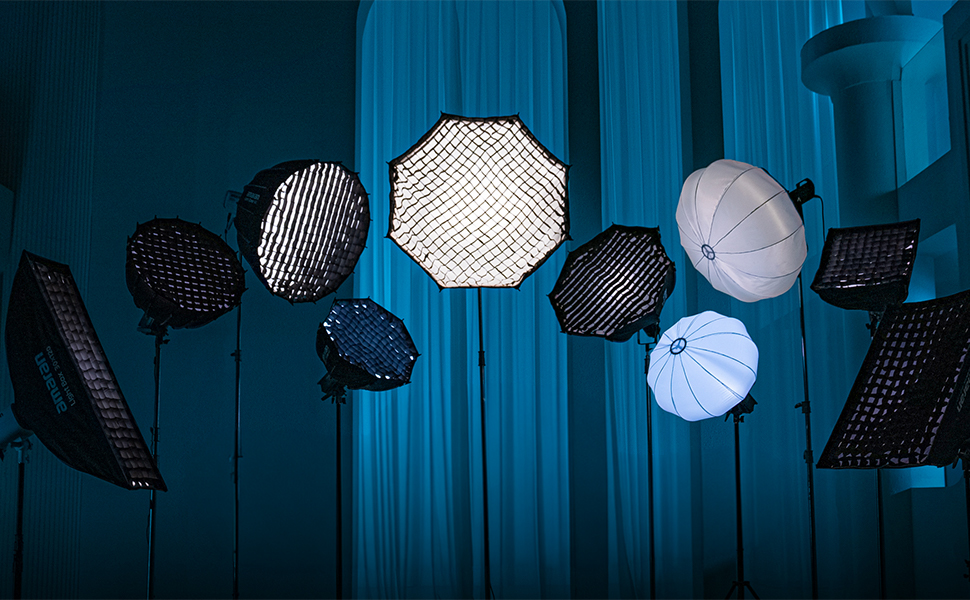
The quality of light is arguably the most multifaceted and creatively impactful of the three principles, encompassing a broad spectrum of characteristics that define how light interacts with and describes a subject. It addresses whether light is hard or soft, its color temperature, and its specularity.
-
Hard vs. Soft Light: This dichotomy is determined by the relative size of the light source in relation to the subject.
- Hard Light: Emanates from a small, concentrated source (e.g., the sun on a clear day, a bare flash bulb, a focused spotlight). It produces sharp, well-defined shadows with distinct edges and creates high contrast. Hard light emphasizes texture, contours, and adds a sense of drama and intensity. It is frequently employed in fashion photography to sculpt the body, in product photography to highlight details and sheen, and in dramatic portraiture to convey strength or seriousness. Historically, Hollywood’s golden age utilized hard light extensively, often from powerful Fresnel lights, to create iconic, dramatic looks in films.
- Soft Light: Originates from a large, diffused source (e.g., an overcast sky, a large softbox, an umbrella, a diffusion panel). It casts soft, feathered shadows with gradual transitions, resulting in lower contrast and a more flattering, gentle illumination. Soft light is preferred for beauty photography, close-up portraits, and interviews, as it minimizes skin imperfections and creates a more even, appealing glow. The invention and widespread adoption of various light modifiers like softboxes and umbrellas in the mid-20th century revolutionized studio photography, making soft, controllable light accessible to a wider range of artists.
-
Color Temperature: Measured in Kelvin (K), color temperature describes the warmth or coolness of a light source. Lower Kelvin values (e.g., 2000K-3000K) correspond to warm, orange-red light (like candlelight or tungsten bulbs), while higher values (e.g., 5500K-6500K) indicate cool, blue light (like daylight or electronic flash). Modern RGB LED panels offer unprecedented control, allowing for millions of color combinations beyond simple temperature adjustments. The choice of color temperature significantly impacts the mood and perceived time of day in an image. A warm glow can evoke comfort, nostalgia, or sunset, while a cool blue tone might suggest morning, moonlight, or a stark, modern aesthetic. Cinematographers often meticulously match or contrast color temperatures to convey specific emotional states or environmental conditions, a technique known as "color grading."
-
Specularity and Diffusion: This aspect of light quality relates to how light reflects off surfaces. Highly specular light, often from polished or reflective modifiers like silver umbrellas, creates bright, defined highlights and can accentuate glossiness. Diffuse light, achieved with modifiers like white umbrellas or large diffusion silks, spreads light more evenly, reducing harsh reflections and creating a softer, more uniform appearance. The choice of modifier is crucial; a recessed light head will produce a different throw pattern and falloff than a bare bulb, and no two softboxes, even of the same size, will yield identical results due due to variations in internal baffling, material reflectivity, and depth. This nuanced understanding drives photographers and videographers to develop preferences for specific modifiers, explaining the lament when a favored model is discontinued or its manufacturing process altered. For instance, parabolic reflectors, known for their ability to deliver a broad yet controllable light, are highly prized for their unique quality that bridges hard and soft.
The intricate interplay of these variables under the umbrella of light quality demands continuous experimentation and a deep understanding of how different tools and techniques sculpt the visual character of an image.
Direction of Light: Sculpting Depth and Narrative
The direction of light, the third fundamental principle, refers to the placement of the light source relative to the subject and the camera. This element is arguably the most powerful tool for creating a sense of depth, three-dimensionality, and emotional resonance within a two-dimensional frame. Unlike intensity, which governs quantity, or quality, which defines character, direction dictates form and shadow, revealing or concealing aspects of a subject and establishing its relationship to the environment.
Historically, classical painters, particularly during the Renaissance with techniques like chiaroscuro (light-dark contrast), understood the profound impact of light direction on conveying form and drama. Early portrait photographers often placed their subjects near large windows to utilize the soft, directional light to sculpt features naturally.
Understanding common lighting directions and their effects is crucial:
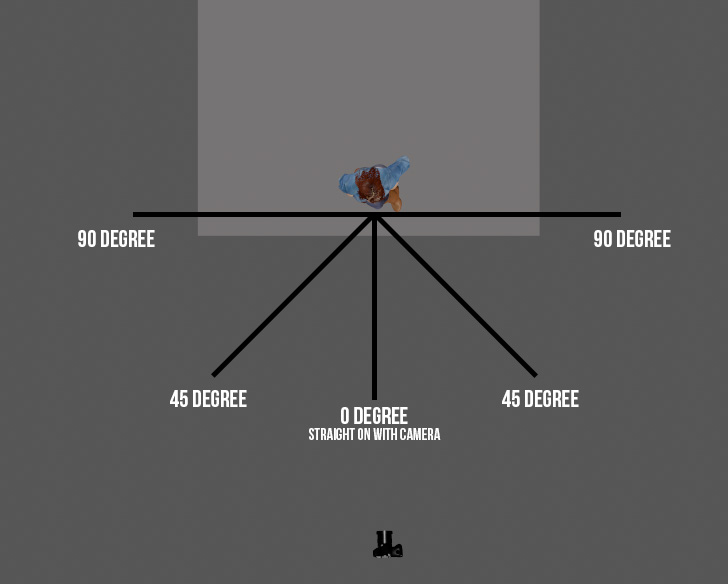
- Frontal Lighting: Positioned directly in front of the subject, often near the camera axis. This light minimizes shadows, flattening the subject and reducing texture. While it provides even illumination, it can make a subject appear less dimensional. It’s often used for passport photos or in situations where minimal shadows are desired.
- Side Lighting (e.g., Rembrandt, Split Lighting): Placed to the side of the subject, typically at a 45-90 degree angle. Side lighting is excellent for revealing texture, contour, and form, as it creates distinct shadows that define the subject’s shape.
- Rembrandt Lighting: A classic portrait technique where a triangular highlight appears on the cheek opposite the light source, created by the shadow of the nose. It adds depth and a dramatic, often melancholic, feel.
- Split Lighting: Illuminates exactly half of the subject’s face while leaving the other half in shadow, creating a strong, dramatic effect.
- Backlighting (e.g., Rim Light, Hair Light): Positioned behind the subject, often used to separate them from the background. Backlight creates a luminous outline or "rim" around the subject, adding depth and a sense of ethereal separation. It can be used to create dramatic silhouettes or to highlight hair in portraits.
- Top Lighting: Placed above the subject. This mimics natural sunlight and can be flattering when diffused. However, harsh top light can create deep shadows under the eyes, nose, and chin, often associated with a dramatic or severe look. In film, it can be used to convey a character’s vulnerability or isolation.
- Bottom Lighting (Underlight): Placed below the subject. This is generally considered unnatural and unsettling, as humans are accustomed to light coming from above. It creates upward-pointing shadows that can give a subject an eerie, monstrous, or "uncanny valley" appearance. While often avoided in conventional portraiture, it is incredibly effective when intentionally used for horror, suspense, or avant-garde visual effects.
The "rules" associated with light direction are more akin to guidelines based on natural perception. For instance, the recommendation to light from above stems from our everyday experience with the sun. Deviating from these conventions, however, can be incredibly effective when executed with clear artistic intent. Filmmakers and photographers often employ multi-point lighting setups, such as the classic three-point lighting (key, fill, and back light), to achieve complex and nuanced illumination:
- Key Light: The primary and most intense light source, establishing the main direction and mood.
- Fill Light: A softer, less intense light used to soften or fill in the shadows created by the key light, reducing contrast.
- Back Light: Also known as a rim or hair light, placed behind the subject to create separation from the background.
When analyzing lighting in film or photography, the direction of light is often described in terms of degrees relative to the subject and camera, offering a standardized method to break down and communicate complex setups. This method helps to translate a three-dimensional lighting arrangement into a comprehensible two-dimensional diagram, indicating not only the horizontal angle (e.g., 45 degrees to the left) but also the vertical angle (e.g., slightly overhead, straight on, or from below).
The Symphony of Light: Interplay and Implications
While discussed individually, the true power of lighting emerges from the synergistic interplay of Intensity, Quality, and Direction. A subtle change in any one principle can profoundly alter the impact of the others. For example, a high-intensity, hard, side light will create a dramatically different effect than a low-intensity, soft, frontal light. The former might evoke tension and reveal rugged textures, while the latter could suggest serenity and smooth features. Mastery involves not just understanding each component in isolation but developing an intuitive sense of how they combine to shape mood, narrative, and visual appeal.
The evolution of lighting technology, from early carbon arc lamps and flash powder to today’s versatile LED arrays and computational lighting, has continually expanded the creative possibilities, but the fundamental principles endure. Computational photography, for instance, allows for post-capture manipulation of light fields, and AI-driven tools can simulate various lighting conditions. Yet, these advancements serve to augment, not replace, the foundational understanding of light. Industry leaders and educators consistently emphasize that while gear facilitates execution, the conceptual grasp of these three principles is what truly differentiates a technician from an artist. Cinematographers like Roger Deakins, renowned for their masterful use of light, often speak to the simplicity of their setups, underscoring that sophisticated results stem from precise control over these basics rather than an abundance of equipment.
The implications of mastering these principles extend across various facets of visual media:
- Storytelling: Light can foreshadow events, highlight emotional states, or define character traits. A protagonist bathed in warm, soft light conveys comfort, while a villain shrouded in hard, directional shadows implies menace.
- Mood and Atmosphere: The combination of light intensity, quality, and direction is the primary driver of a scene’s emotional tone, from joyous high-key scenes to somber low-key ones.
- Visual Hierarchy: By varying intensity and direction, creators can draw the viewer’s eye to specific elements, guiding their gaze through the composition.
- Genre Conventions: Certain lighting styles are inherently linked to genres – the stark, high-contrast lighting of film noir, the ethereal glow of romantic comedies, or the dramatic shadows of horror.
- Technical Efficiency: A deep understanding of light allows for more efficient setups, reducing production time and optimizing resource use.
Conclusion: The Ongoing Pursuit of Illumination
The journey into understanding and manipulating light is a continuous process of learning, observation, and experimentation. The three principles of Intensity, Quality, and Direction serve as the immutable compass for this journey, guiding practitioners through the vast landscape of creative possibilities. From deciphering the complex lighting setups in celebrated films and television shows to meticulously crafting a single portrait, these fundamentals provide the analytical framework necessary for deconstructing and reconstructing visual reality. As technology continues to evolve, offering new tools and methods for controlling light, the timeless wisdom embedded in these principles will remain the bedrock upon which truly impactful and communicative visual art is built. Further exploration into specific modifiers, advanced techniques, and the historical context of lighting design only serves to deepen this essential understanding, inviting all visual artists to contribute their unique perspectives to the ongoing conversation about the boundless potential of light.