A landmark exhibition, "Colour Me Modern: Claire Aho and the New Woman," is currently captivating audiences, celebrating the groundbreaking work of the pioneering Finnish photographer Claire Aho. On display until May 31, this free exhibition, presented by Hundred Heroines, offers a vibrant journey into the mid-20th century, showcasing how Aho redefined postwar photography with her audacious use of color and distinctively modern aesthetic. As the only U.K.-based charity dedicated to elevating women in photography, Hundred Heroines continues its crucial mission of highlighting the contributions of past, present, and future female lens-based artists, making this retrospective of Aho’s work particularly poignant and timely.
The Dawn of a New Era: Claire Aho’s Vision in Postwar Finland
Born in 1925, Claire Aho, affectionately known as the "Grand Old Lady of Finnish Photography," emerged as a formidable force during a transformative period in Finland’s history. The nation, having endured the hardships of World War II and its aftermath, was rebuilding, and with reconstruction came a burgeoning sense of national identity and a thirst for modernity. This era saw a cultural renaissance, particularly in design and visual arts, as Finland sought to project an image of progress, resilience, and optimism to the world. Aho’s work was instrumental in crafting this new visual narrative, departing sharply from the often somber, monochrome imagery that dominated much of the wartime and immediate postwar periods.
Her artistic lineage was deeply rooted in Finnish photography and filmmaking; she learned her craft from her father, Heikki Aho, a respected photographer and filmmaker. This familial immersion provided her with a foundational understanding of visual storytelling and technical mastery. However, Claire Aho was not merely an apprentice; she swiftly developed her own unique voice, characterized by a playful wit, a bold chromatic palette, and a cinematic flair that imbued her images with a dynamic energy. While much of the photographic world remained tethered to black and white, Aho embraced the nascent possibilities of color photography, pushing its boundaries and demonstrating its immense potential for commercial and artistic expression.
Mastering the Spectrum: Aho’s Revolutionary Use of Color
Aho’s commitment to color was not just an aesthetic choice but a revolutionary act in a photographic landscape still largely dominated by monochrome. Her father’s critical stance on the poor quality of color photography prevalent in Finland at the time likely spurred her to master the medium. She meticulously developed techniques to produce images that were not just colorful but vibrant, carefully composed, and technically superior. This dedication allowed her to transform everyday scenes into meticulously staged moments of style and to infuse fashion, advertising, and editorial photography with a fresh, contemporary spirit.
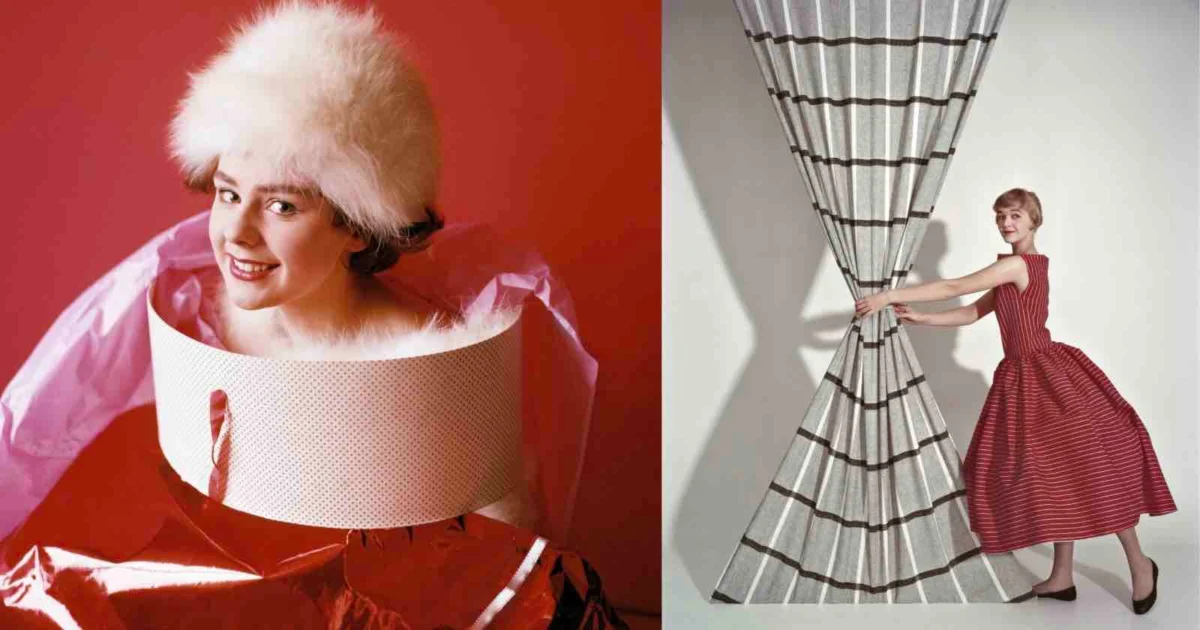
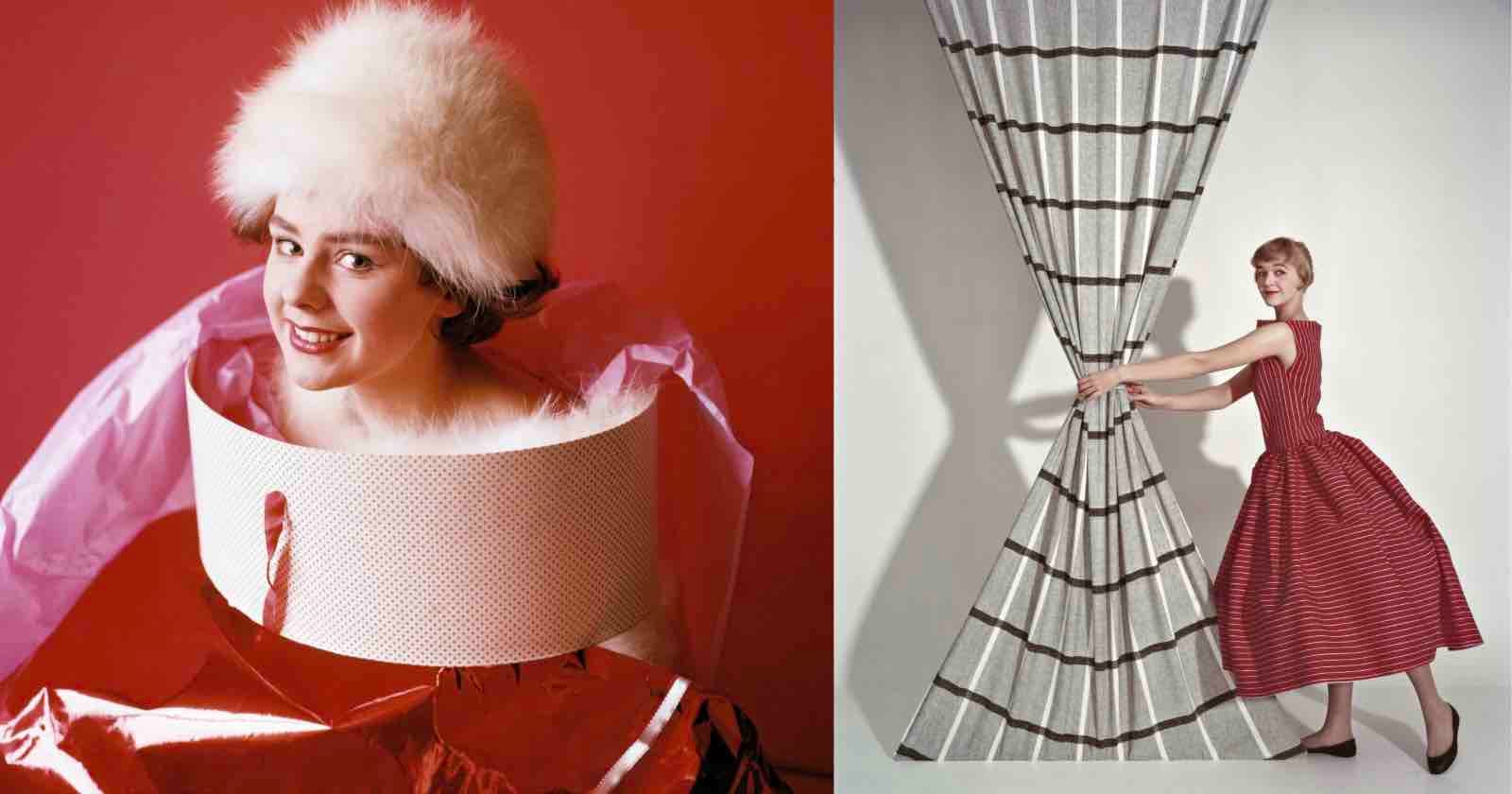
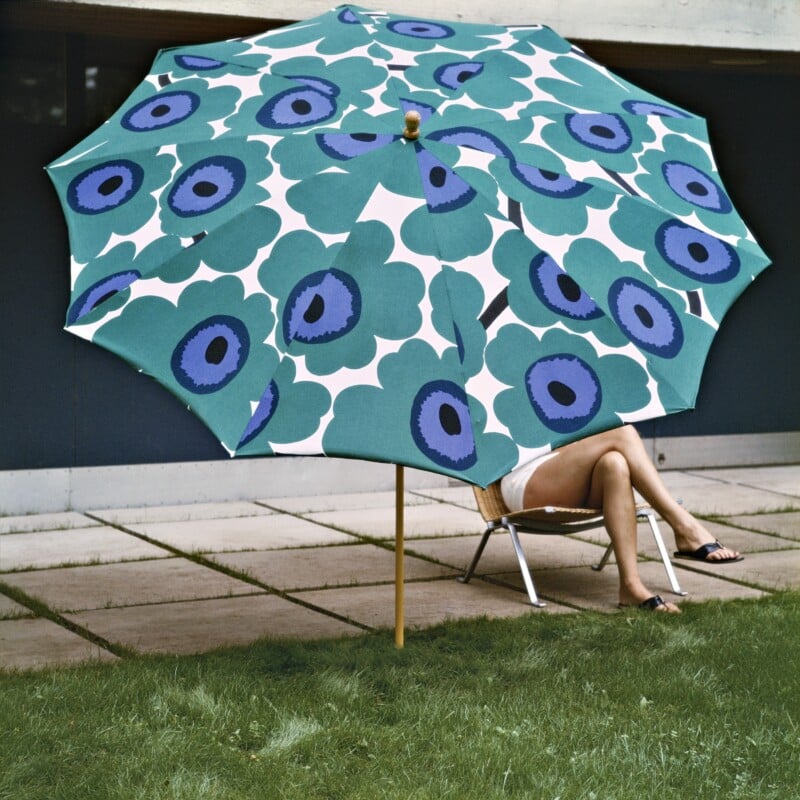
Her work coincided with, and significantly contributed to, the rise of Finnish design as a global phenomenon. Brands like Marimekko, with their bold patterns and vivid colors, epitomized this new era of Nordic modernism. Aho’s photographs, such as "Marimekko Parasol. Model Carita Järvinen, c.1965," perfectly encapsulated this synergy, blending the nation’s burgeoning design prowess with her distinctive photographic vision. These images were more than mere product shots; they were cultural statements, celebrating a new aesthetic that was both functional and aesthetically progressive. She understood that color could convey emotion, define style, and evoke an aspirational future, making her work resonate deeply with a society eager for brighter prospects.
Shaping the Image of the "New Woman"
Central to "Colour Me Modern" is Aho’s pivotal role in shaping the image of the "New Woman" in postwar Finland. Her photographs consistently featured confident, contemporary women, breaking away from traditional portrayals and reflecting changing societal roles. These were women who were active, stylish, and self-assured, embodying the spirit of a modernizing nation. Aho’s lens captured them not as passive subjects but as dynamic individuals participating fully in the evolving social and cultural landscape.
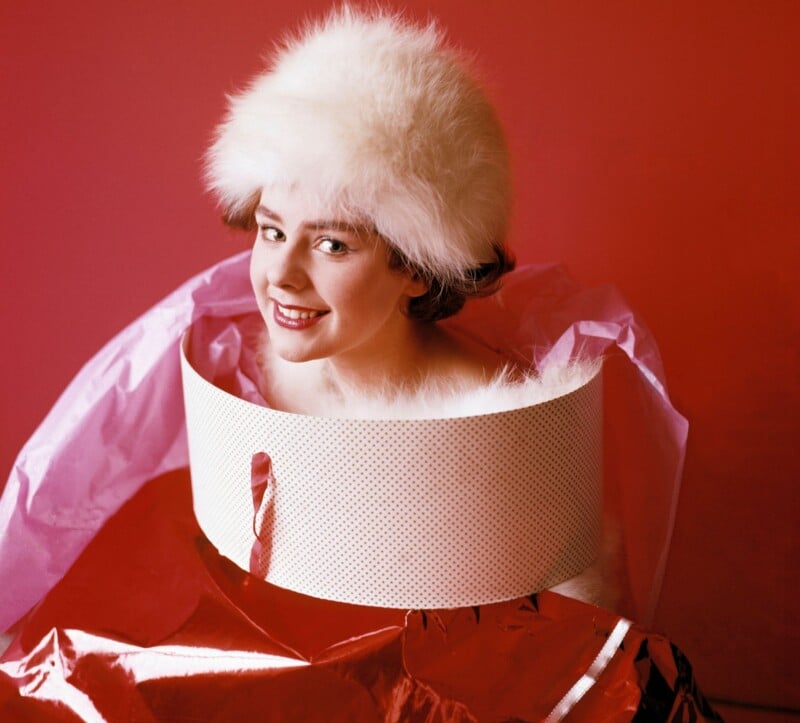
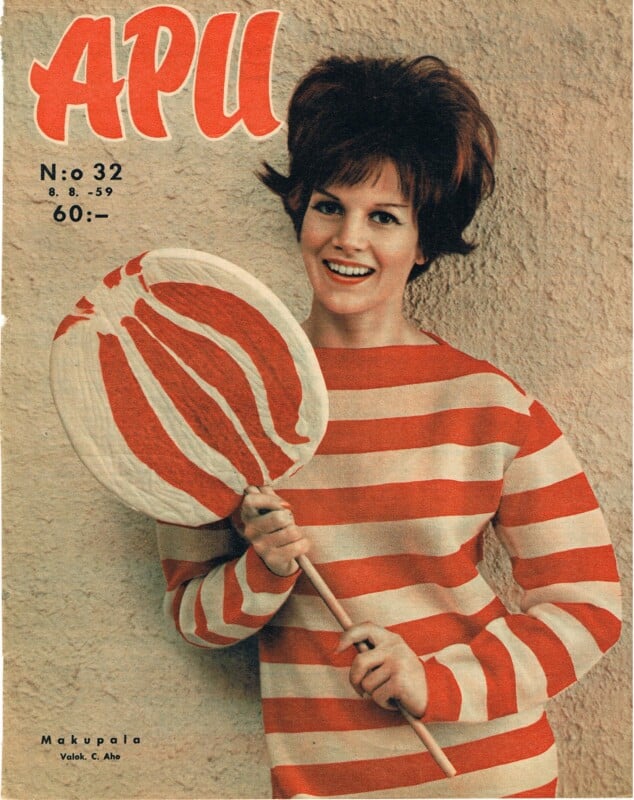
A prime example is her iconic photograph, "Surprise! Pirkko Mannola, Miss Finland 1958." In this image, Miss Finland is depicted with an infectious smile, adorned in a white fur hat and wrapped in shiny red and pink material, against a striking red background. This portrait is not just a beauty shot; it’s a celebration of youthful exuberance and national pride, projecting an image of Finnish womanhood that was both glamorous and accessible. Through such portrayals, Aho not only chronicled but actively participated in the cultural discourse surrounding women’s liberation and their growing presence in public life, advertising, and entertainment. Her subjects, whether models like Elina Salo in "Cotton Rhapsody" or Carita Järvinen with her lollipop, exuded a modernity and vitality that was aspirational and empowering.
A Career Defined by Milestones

Claire Aho’s career was marked by a series of significant achievements that underscored her pioneering spirit and technical prowess. Initially, she honed her skills in documentary filmmaking, a rigorous discipline that instilled in her a keen eye for narrative and composition. This foundation proved invaluable when she transitioned to still photography, bringing a sense of movement and depth to her static images.
A pivotal moment came in 1952 when Aho achieved a remarkable feat: she was the only woman to film the Helsinki Olympics. This event was not just a sporting spectacle but a powerful symbol of Finland’s re-entry onto the global stage after the war. Aho’s camera captured the vibrant atmosphere, the flags, the celebrations, and the national pride symbolized by Finland’s official blue-and-white cross. Her unique perspective and ability to capture the event’s essence led to her being hired by Pathé News in New York, a testament to her talent, especially considering she was the sole woman among 400 male reporters covering Finland for the prestigious news organization. This early recognition on an international platform solidified her reputation as a formidable talent.
In the 1950s, Aho opened her own studio, coinciding with a formative period in Finnish design. Free from wartime restrictions and with a growing demand for fresh, modern imagery, she was perfectly positioned to thrive. Her vibrant, carefully composed images quickly caught the attention of commercial publications and major brands. In 1957, she published Helsinki, Itämeren tytär (Daughter of the Baltic Sea), which holds the distinction of being the first color photobook in postwar Finland to document city life. This seminal work not only showcased her mastery of color but also presented a dynamic and optimistic portrait of Helsinki, celebrating its unique character and modernity. The international significance of this work was underscored when these images were later exhibited worldwide, including in New York, Geneva, Nairobi, and Helsinki, as part of an exhibition organized by the United Nations in 2017 to commemorate the centenary of Finnish independence.
Her commercial photography further highlighted her inventive approach. Working with prominent Finnish brands such as Fazer confectionery, Jaffa soft drinks, and Paulig coffee, Aho infused advertisements with playfulness and innovation. She famously employed techniques like using invisible thread to make confectionery appear to levitate and incorporated whimsical elements such as ornamental penguins amidst ice cream displays (as seen in her 1950s work, "Valio’s Penguins"). These creative solutions not only made products appealing but also showcased her artistic ingenuity, setting new standards for advertising photography in Finland.
The Legacy of a "Grand Old Lady" and Its Enduring Relevance
Claire Aho’s influence extended far beyond her active career. Her work played a crucial role in shaping Finland’s visual identity during a period of rapid social and economic change. She helped define a visual language that was distinctly Finnish yet universally modern, contributing to the nation’s burgeoning reputation for design excellence and cultural innovation. Her legacy is maintained and celebrated by the Aho & Soldan Photo and Film Foundation, which safeguards her extensive archive and ensures her pioneering contributions remain recognized.
The exhibition "Colour Me Modern" situates Aho within a broader, and often overlooked, narrative of women photographers who were instrumental in shaping visual culture. While male counterparts often received more immediate and widespread acclaim, women like Aho diligently worked to innovate and influence, creating powerful bodies of work that are only now receiving their rightful historical placement. Her photographs, capturing a society in transition, reflect both the commercial dynamism and the everyday realities of women’s lives in the 1950s and 60s, demonstrating her profound and lasting impact on photography in Finland and internationally.
Hundred Heroines: Championing Women in Photography
The decision by Hundred Heroines to dedicate an exhibition to Claire Aho underscores their core mission. As the U.K.’s only charity exclusively focused on women in photography, they are at the forefront of celebrating, educating, and advocating for female photographers across generations. Del Barrett, curator and founder of Hundred Heroines, articulated the driving force behind this exhibition, stating, "There is so much bad news around at the moment, we wanted to show something cheerful." She added, "In the same way that Claire used color and a modern style to project confidence and optimism about the future, we hope this exhibition leaves visitors feeling uplifted, energised, and more hopeful about what lies ahead." This sentiment perfectly encapsulates Aho’s spirit and the exhibition’s goal: to offer a beacon of positivity and artistic brilliance.
The charity’s commitment extends to correcting historical omissions, ensuring that the contributions of women photographers are properly documented and celebrated. By bringing Aho’s work to a wider audience, Hundred Heroines not only honors her individual genius but also sheds light on the broader challenges faced by women artists in gaining recognition, particularly in fields that were historically male-dominated.
Exhibition Highlights and Public Engagement
Visitors to "Colour Me Modern: Claire Aho and the New Woman" are treated to a thoughtfully curated selection of her most impactful works. The exhibition provides a comprehensive overview of her versatility, from striking fashion editorials to innovative advertising campaigns and poignant documentary images of Finnish life. Each photograph is a testament to Aho’s meticulous composition, her intuitive understanding of light and color, and her ability to capture the essence of her subjects and the spirit of her time.
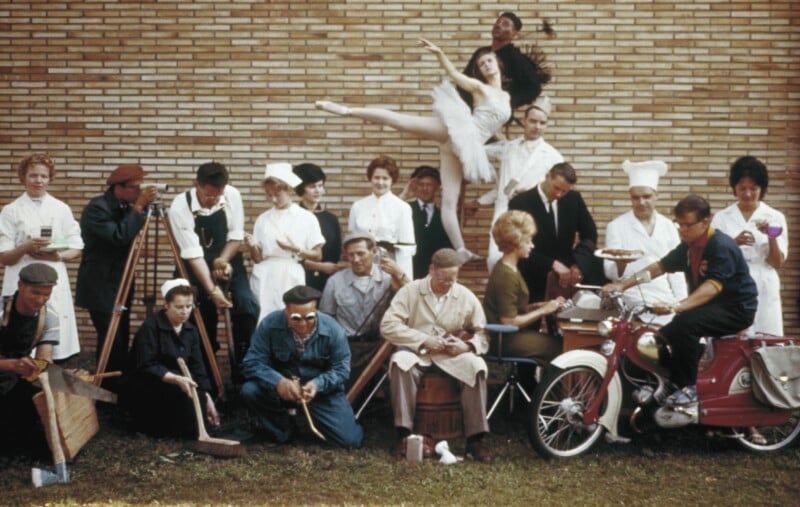
Beyond the iconic images of Miss Finland and Marimekko, the exhibition features works like "The Pension Reform, 1961," a complex and visually rich tableau that illustrates Aho’s ability to tackle social commentary with wit and style. This particular photograph, depicting a diverse group of workers including chefs, nurses, and laborers alongside a ballerina and a man on a motorbike, speaks to the changing societal landscape and the collaborative effort required for national progress. Such works demonstrate her depth beyond commercial assignments, showing her engagement with broader societal themes. The free access until May 31 further emphasizes Hundred Heroines’ dedication to making art accessible and fostering a wider appreciation for photography and its history.
Broader Implications: Reclaiming Narratives and Inspiring Future Generations
The "Colour Me Modern" exhibition is more than just a display of beautiful photographs; it is a significant cultural event with broader implications. It serves as a powerful reminder of the importance of revisiting historical narratives to ensure that the contributions of all artists, regardless of gender, are acknowledged and celebrated. In an era where discussions around representation and inclusivity are paramount, Aho’s story resonates deeply, inspiring a new generation of photographers, particularly women, to pursue their artistic visions with confidence and conviction.
Her work stands as a testament to the transformative power of art, demonstrating how photography can not only document reality but also shape perceptions, challenge norms, and project optimism during challenging times. Claire Aho’s bold use of color and modern style continues to inspire, reminding us that creativity, vision, and a refusal to conform can leave an indelible mark on the world, long after the shutter has clicked. This exhibition is a vital celebration of a true trailblazer whose legacy continues to illuminate the path for future generations.