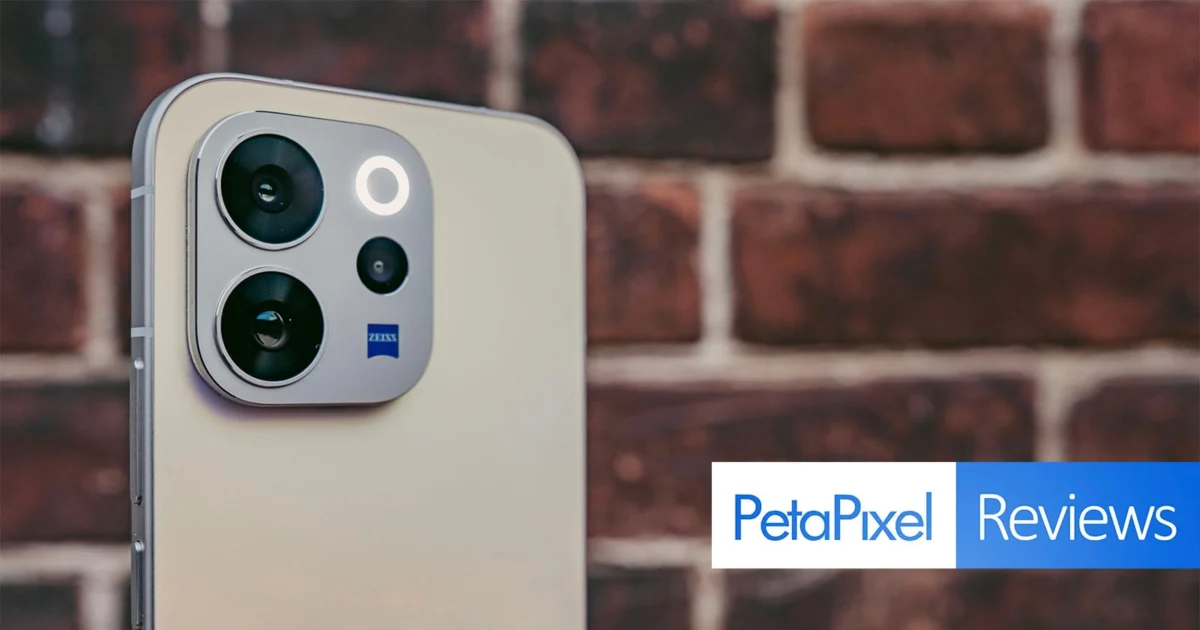
Vivo has consistently positioned its V-Series smartphones as champions of mobile photography in the competitive mid-range market, a legacy the new Vivo V70 endeavors to uphold. Retailing within the accessible $400-$500 price bracket, the V70 introduces a series of strategic enhancements, particularly in user experience, that make it a notably appealing device for discerning consumers. While it may not represent a radical departure from its predecessors, its focused improvements, especially in software and core camera performance, solidify its standing as a formidable option. However, Vivo’s characteristically rapid product cycle for the V-Series can create a perception of incremental, rather than transformative, upgrades, leading some to view the V70 as a lateral progression rather than a definitive leap forward.
Design and Evolutionary Aesthetics
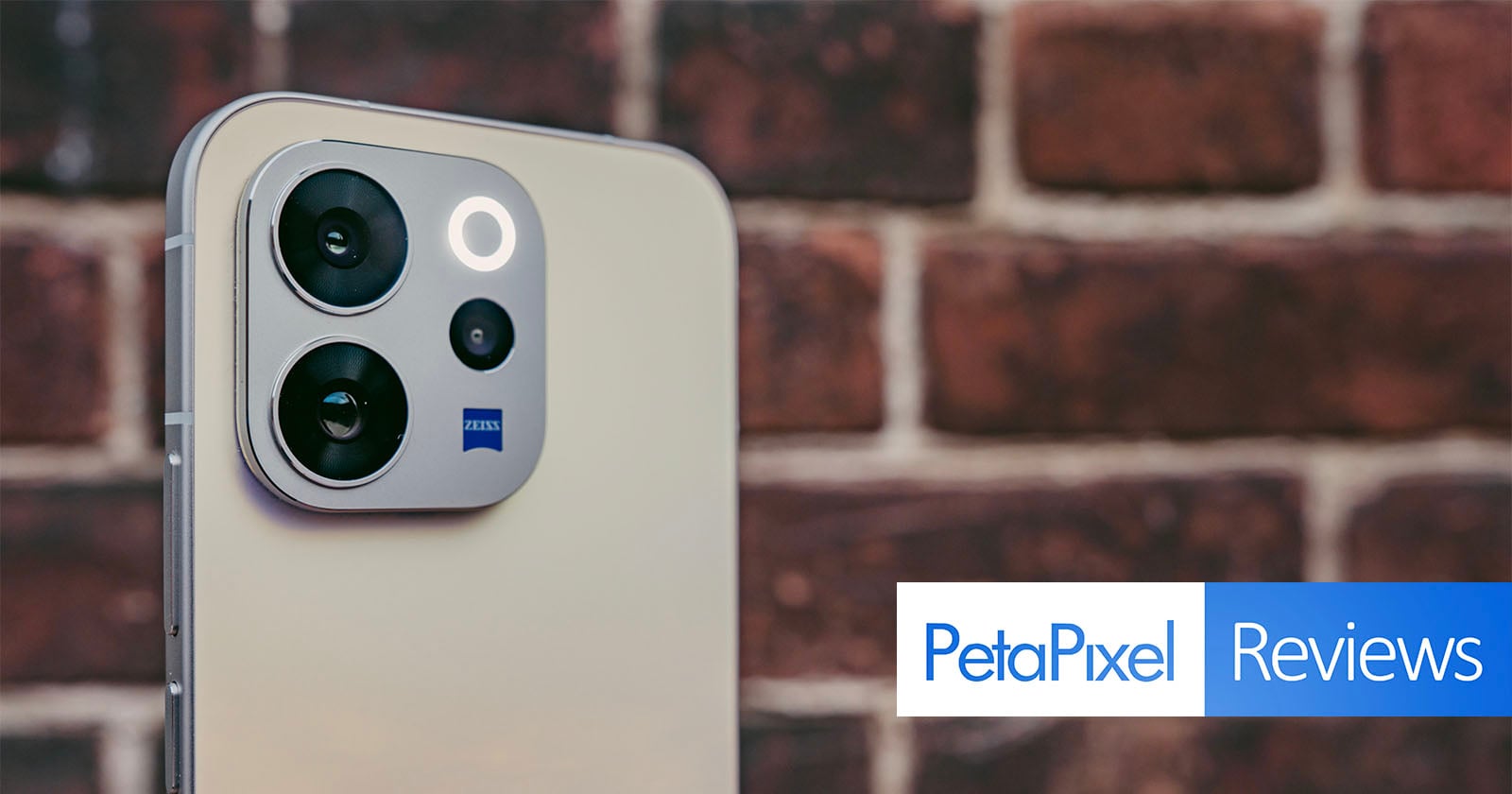
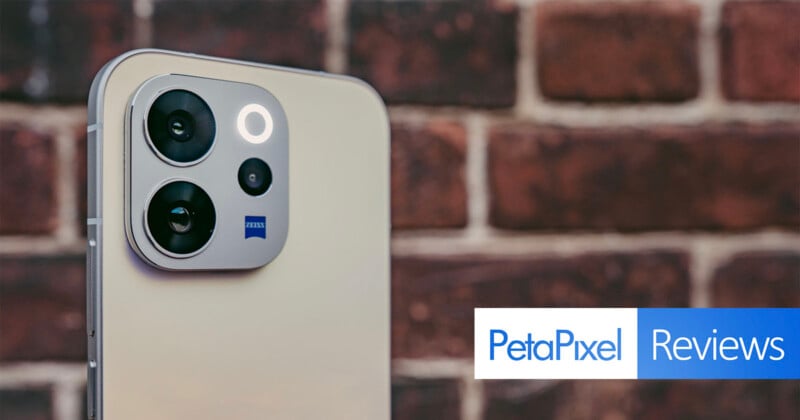
The evolution of smartphone design often sees brands converging on popular aesthetic trends, and the Vivo V70 is no exception. Departing from the design language seen in its immediate predecessors, the V50 and V60, the V70 embraces a contemporary squared camera module, a stylistic choice currently in vogue across the industry. This design shift also sees a reduction in the physical size of the signature Aura Light fill light, though its brightness and intensity remain undiminished.
A significant upgrade to the V70’s build quality is immediately apparent. Previous plastic edges have been replaced with premium aluminum, imparting a more sophisticated and robust feel. This material upgrade, coupled with the quality of the lenses and the overall back panel finish, lends the V70 a distinctly more premium aesthetic, aligning it closer to Vivo’s flagship X-Series. Furthermore, the device maintains a high standard of durability with an IP68/69 dust- and water-resistance rating, a crucial feature that provides peace of mind against environmental elements and accidental spills, an increasingly expected standard even in the mid-range segment.
The visual experience is anchored by a vibrant 6.59-inch AMOLED display, a slight reduction from the V60’s 6.77-inch panel, yet still offering an immersive viewing experience. This screen boasts a smooth 120Hz refresh rate and HDR10+ support, promising fluid scrolling and rich color reproduction. A notable security enhancement is the integration of a new ultrasonic fingerprint reader, replacing the older optical variant. This upgrade delivers superior accuracy and speed in unlocking the device, contributing to a more seamless user interaction. However, the full potential of the 120Hz refresh rate is not always realized. While a "High" setting is available to enable 120Hz for compatible content, the default "Smart Adaptation" mode typically caps the refresh rate at 90Hz. Even with manual whitelisting, not all applications and games consistently utilize the full 120Hz, which could be a minor frustration for power users. Despite this, the screen brightness is consistently sufficient, ensuring good visibility across various lighting conditions.
Performance, Power, and Connectivity
Underpinning the Vivo V70’s operations is the Qualcomm Snapdragon 7 Gen 4 chipset, a processor specifically designed to deliver robust performance within the mid-range segment. This chipset provides a balanced blend of power efficiency and capability, adeptly handling daily tasks, multitasking, and moderately demanding applications and games. Complementing this hardware is a substantial 6,500mAh silicon-carbon battery. This advanced battery technology is a standout feature, contributing significantly to the device’s impressive longevity, allowing users extended periods of use between charges.
Despite these advancements, a notable omission for some users will be the continued absence of wireless charging. In an increasingly competitive market where several mid-range alternatives, such as Google’s Pixel A series, are beginning to incorporate this convenience, its exclusion feels like a missed opportunity for the V70 to truly differentiate itself in terms of overall feature set.

The review unit featured a generous 12GB of RAM and 512GB of internal storage, offering ample space for apps, media, and documents. Vivo also provides other configurations, starting from 8GB RAM with 128GB storage and going up to 12GB RAM with 256GB storage, allowing consumers to choose a variant that best fits their budget and needs. A standard feature across these models is Vivo’s "Extended RAM," which intelligently leverages a portion of the phone’s unused internal storage as virtual memory, effectively doubling the usable RAM and enhancing multitasking capabilities.
In terms of connectivity, the V70 marks a welcome departure from previous models by finally incorporating eSIM support. While this feature is primarily designed for carriers in regions such as Europe, Asia, and the Middle East, offering greater flexibility for travelers and those seeking multi-SIM solutions, North American users may find travel eSIMs functional but face varied mileage with local carrier support. Traditional physical SIM cards, however, remain fully compatible and functional across all regions.
The Camera System: A Photography-Centric Approach
The Vivo V70’s camera system is undoubtedly its marquee feature, reflecting Vivo’s deep-seated commitment to mobile photography. While some elements remain consistent with previous generations, strategic shifts and a continued partnership with Zeiss aim to refine the imaging experience.
The Aura Light, a distinctive element of V-Series phones for several years, has undergone a transformation. In the V70, it is notably smaller, now seamlessly integrated into the camera module, and exclusively emits light in a cool temperature. This marks a change from earlier iterations where the ring light was more prominent, isolated, and offered adjustable color temperatures (cool to warm). While still providing potent illumination, its revised design and singular color temperature suggest a shift in its role, making it feel more like an auxiliary feature rather than a central photographic tool.
Instead, the primary emphasis appears to be on Vivo’s enduring collaboration with Zeiss. This partnership is increasingly influencing the V-Series, focusing on optimizing color science, image processing algorithms, and in-device editing capabilities. While the coveted Zeiss T* Coating, typically found on flagship X-Series lenses for reduced reflections and glare, is still absent from the V70’s rear lenses, the visible improvements in image fidelity and aesthetic indicate a deeper integration of Zeiss’s optical and imaging expertise into the V-Series’ computational photography pipeline.

The main camera boasts a 50-megapixel sensor (23mm equivalent focal length), utilizing the well-regarded Type 1/1.56 Sony IMX766. This sensor, which Vivo has employed in various models dating back to the V40, offers a consistent and reliable performance baseline. Paired with an f/1.9 aperture and optical image stabilization (OIS), it is capable of capturing detailed images with good light gathering capabilities, even in challenging conditions.
A significant and welcome return is the 50-megapixel telephoto camera (73mm equivalent), featuring a periscope lens design. This lens incorporates the Type 1/1.95 Sony LYT-600 sensor (also known as IMX882), offering 3x optical zoom with an f/2.65 aperture and OIS. This particular telephoto module is noteworthy as it is the same unit previously featured in the Vivo X200 FE, a device praised for its capable performance in capturing dynamic street and action shots. Its inclusion in the V70 significantly enhances the phone’s photographic versatility, allowing for greater creative freedom and sharper zoomed-in images.
Conversely, the 8-megapixel ultra-wide camera (15mm equivalent, f/2.2) appears to be an area of stagnation. Utilizing the same OmniVision OV08D10 Type 1/4.0 sensor that has been present across multiple generations of the V-Series, it feels like a grudging inclusion rather than a concerted effort to push boundaries. While it now includes autofocus, a welcome improvement over previous models, its overall image quality remains a weak point compared to the main and telephoto lenses. Rounding out the camera array is the front-facing camera, which also recycles a familiar component: the 50-megapixel (20mm equivalent, f/2.0) Isocell JN1 sensor, a unit that has been in use since the V29. This consistent use of older sensors for the ultra-wide and front cameras highlights a strategic decision to prioritize the main and telephoto experiences in the V70’s development cycle.
Software Experience: The OriginOS Transformation
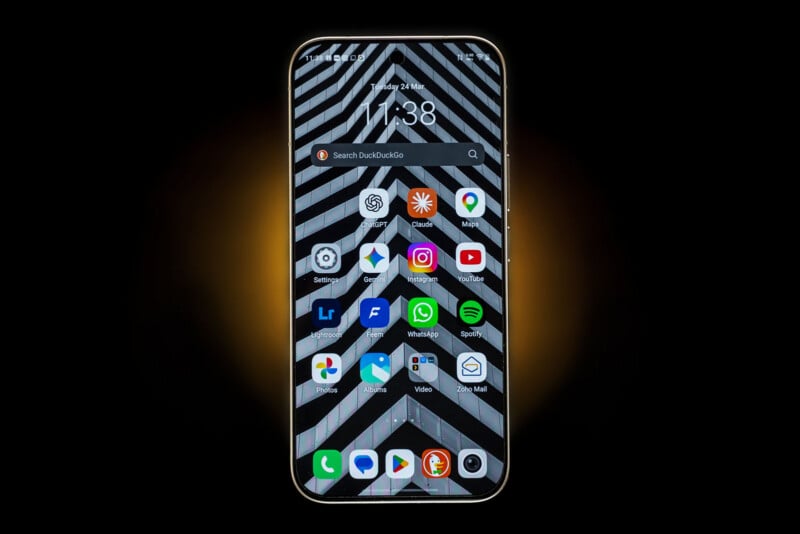
One of the most impactful upgrades in the Vivo V70, and arguably its strongest differentiator from its immediate predecessor, the V60, is the transition to OriginOS. The V60, released mere months prior, was still operating on the older Funtouch OS overlay, which, while functional, lacked the refinement and modern aesthetics of more advanced Android skins. OriginOS, as first experienced on flagship devices like the X300 Pro, brings a distinctly slicker, sleeker, and more intuitive user interface to the V-Series. This significant software shift elevates the overall user experience, making the V70 feel more aligned with Vivo’s premium offerings and significantly enhancing daily interaction with the device.
Despite Vivo’s notoriously fast product cycle for the V-Series – a pace that often makes each new model feel like a modest iteration rather than a complete overhaul – the adoption of OriginOS stands out as one of the most substantial improvements its mid-range phones could receive. While this operating system doesn’t inherently alter the fundamental camera functionality or image processing algorithms, its refined interface and improved navigation contribute to a more enjoyable and efficient photographic workflow. The V70 benefits from a solid baseline established by its predecessors, particularly in its main and telephoto camera performance. Although the ultra-wide lens clearly reveals its limitations, the primary and telephoto cameras consistently deliver commendable results, especially considering the device’s price point.

Photography Modes and Image Quality Analysis
After extensive testing across diverse locales and lighting conditions, the Vivo V70 consistently delivers on its promise of robust image quality. While pixel-peeping reveals some softness, especially when zooming in digitally, the overall output is highly satisfying for viewing on smartphone or tablet screens. Vivo’s long-standing reputation for excellent color science and exceptional dynamic range, particularly in handling exposed light, remains a world-class attribute of the V70. Whether under bright daylight or in challenging low-light environments, the phone reliably produces images that often surprise users with their quality, especially given its mid-range cost.
This strong performance is largely attributable to the versatility embedded within Vivo’s broader imaging system. The V70 is capable of capturing action shots reminiscent of the X200 FE, and its dynamic range competes favorably with devices in the same price category, despite the noted stagnation in some camera hardware specifications.

Users have access to a suite of photographic styles, including Zeiss, Vivid, Texture, and a classic Black & White option, allowing for creative expression directly within the camera app. Portrait photography, while still capable, receives less overt emphasis in the V70 compared to previous models, partly due to the Aura Light’s diminished prominence. Nonetheless, a variety of styles and virtual bokeh controls enable pleasing portrait effects.
The "Film Camera mode" makes a return, offering a nostalgic touch by emulating classic Polaroid and other bordered photo styles. This mode operates as a distinct interface within the camera app, requiring users to capture photos directly within it to apply the effects, as there is no option to add them post-capture in the Gallery. Another highly effective feature is "Snapshot mode," designed to freeze action with remarkable clarity. Particularly effective with the telephoto lens, it functions similarly to the X200 FE, maintaining sharp focus on moving subjects. A practical tip for maximizing this mode, especially in less-than-ideal lighting, is to tap the shutter button repeatedly to ensure capturing the precise moment while also mitigating the potential for escalating ISO ranges that can occur during burst shooting.
Despite its array of features, the V70 conspicuously omits a dedicated long exposure mode, a surprising exclusion given the phone’s capable hardware and software, and its presence in earlier V-Series models. This absence is a missed opportunity for creative night photography. However, it does include a specialized "Underwater mode," which intelligently disables screen touch functions and reassigns photo capture, video recording, and lens switching to the volume buttons, leveraging the device’s IP68/69 rating for aquatic photography.

Telephoto Performance: A Standout Feature
The telephoto lens on modern smartphones often becomes a preferred tool for many photographers, and the Vivo V70’s implementation does not disappoint. Equipped with a dependable telephoto module, it proves highly capable across a diverse range of scenarios, delivering impressive hybrid zoom results. Its sticky focusing mechanism, which effectively locks onto subjects, combined with excellent image stabilization, significantly aids in capturing sharp images from a distance. While a methodical approach is always recommended for distant subjects, the V70 makes the process considerably easier. In low-light conditions, the tight aperture of the telephoto lens can pose challenges, but Vivo’s dynamic range processing intelligently compensates, helping to retain detail. However, a common limitation across many smartphone telephoto systems is evident here: image quality tends to degrade noticeably as digital zoom is introduced, with pixels becoming increasingly mushy beyond the optical limits.
Similar to the main camera, the telephoto lens defaults to producing pixel-binned 12.5-megapixel images. For those desiring full-resolution output, the "High Resolution" mode is available. Disappointingly, Vivo continues to restrict full-resolution RAW image capture in Pro mode, limiting advanced users who prefer maximum post-processing flexibility.

Video Capabilities: Incremental Progress
The rapid succession of V-Series models means that radical advancements in video features are often difficult to implement, and the V70 largely reflects this. Building upon the solid foundations laid by the V50 and V60, the V70 delivers good video quality from both its main and telephoto cameras, particularly when utilizing their optical focal lengths. However, performance degrades sharply when hybrid zoom is engaged, highlighting the limitations of digital magnification for video.
The V70’s video recording options are somewhat constrained compared to some competitors. There is no dedicated video section within Pro mode, nor a separate manual video mode, meaning advanced features like 24fps recording, HDR video, or Zeiss styling are unavailable. Users can record in 4K or 1080p at either 30fps or 60fps. For slow-motion effects, a dedicated "Slo-mo" mode is required to achieve 120fps. The "Dual View" feature, allowing simultaneous recording from two cameras, also makes a return, offering a unique perspective for content creators. The neutered Aura Light further reinforces the V70’s incremental approach to video, rather than a significant leap forward.

Vivo V70 Review: A Solid Mid-Range Choice for Enthusiastic Photographers
The Vivo V70, while not a dramatic revolution over its predecessor, the V60—which was released less than a year prior—successfully carries forward the strengths that made previous V-Series phones commendable. Its core appeal lies in its robust camera array and thoughtful photographic features. The ultra-wide camera remains an area for improvement, often falling short in detail and dynamic range compared to its counterparts. However, the main and telephoto cameras are exceptionally capable, delivering impressive results that punch above the V70’s accessible price point.
The most significant and welcome evolution comes in the form of OriginOS. This transition from the older Funtouch OS offers a visibly superior, more intuitive, and aesthetically pleasing user experience, providing a clear advantage over its predecessor and aligning the V70 more closely with Vivo’s flagship devices. Ultimately, the Vivo V70 stands as a strong mid-range contender, particularly for photographers willing to explore options beyond the dominant manufacturers. Its blend of capable imaging, refined software, and solid build quality makes it a compelling choice.

Are There Alternatives?
The mid-range smartphone market is fiercely competitive, with a recent surge of new devices offering compelling features. Given the V70’s incremental nature, the Vivo V60 remains a viable, potentially more affordable alternative, though it lacks the superior OriginOS experience, which gives the V70 a distinct edge. Similarly, the Vivo X200 FE is a fabulous device for photographers, but it too may suffer from slower software updates compared to the V70’s fresh OriginOS implementation.
Direct competitors include the Oppo Reno 15, though the Reno 15 Pro might be a more impactful alternative due to its highly effective camera array, potentially justifying the slightly higher cost. Other strong contenders in this segment include the Xiaomi 15T and the Tecno Camon 50 Ultra, both offering robust camera experiences. For those seeking slightly older but still capable devices, the OnePlus 13R, despite launching over a year ago, remains a solid choice. The Nothing (4a) Pro is an intriguing new entrant that has demonstrated capable performance, notably featuring a telephoto camera—a specification not always guaranteed in this price range.

Conversely, some alternatives highlight the V70’s relative strengths. The Google Pixel 10a exemplifies a trend of minimal camera upgrades from its previous generation, offering less photographic versatility. Similarly, future mid-range Samsung Galaxy devices are expected to follow a similar pattern. The iPhone 17e, while a premium device, features only a single rear lens, making it less suitable for users serious about diverse mobile photography.
Should You Buy It?
Yes, the Vivo V70 is a commendable choice if you are operating on a budget and prioritize a superior operating system experience coupled with strong camera performance. It is important to note its regional availability: while not easily obtainable through traditional carrier channels in North America (though physical SIMs will work), it is widely available and supported across Asia, the Middle East, Europe, and the U.K. For users in these regions seeking a well-rounded, photography-focused mid-range smartphone with a refined user interface, the Vivo V70 represents a smart investment.