The landscape of modern photography has undergone a seismic shift over the last decade, transitioning from the exclusive domain of high-end Digital Single-Lens Reflex (DSLR) cameras to the pockets of billions of smartphone users. Central to this revolution is the iPhone, a device that has consistently pushed the boundaries of computational photography. As mobile hardware approaches the optical capabilities of traditional cameras, the emphasis for many enthusiasts has shifted from technical acquisition to creative execution. Professional-grade portraiture, once requiring expensive lighting rigs and prime lenses, is now achievable through a combination of sophisticated software and specific artistic techniques. By leveraging high-contrast lighting, creative posing, and strategic prop usage, photographers can elevate standard snapshots into compelling visual narratives.
The Evolution of the Mobile Lens: A Brief Chronology
To understand the current state of iPhone portraiture, one must look at the technological trajectory of the device’s camera system. When the original iPhone launched in 2007, it featured a 2-megapixel camera without autofocus or flash. It was a tool for convenience, not art. However, the introduction of the iPhone 4 in 2010, with its 5-megapixel sensor and high-definition video capabilities, marked the beginning of the "iPhoneography" movement.
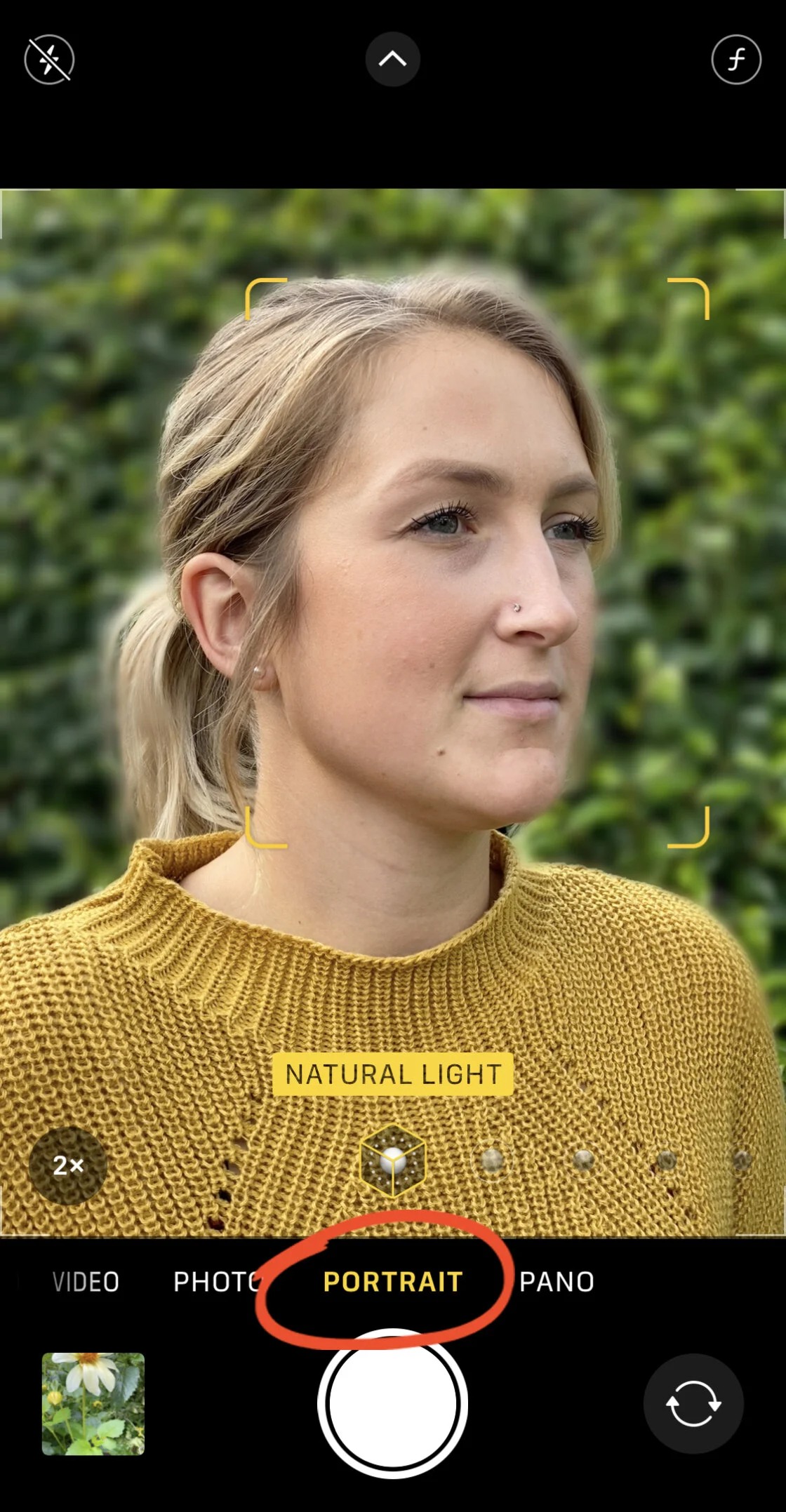
A pivotal moment arrived in 2016 with the release of the iPhone 7 Plus, which introduced the dual-lens system and "Portrait Mode." This feature utilized depth-mapping technology to simulate the "bokeh" effect—the aesthetic quality of the out-of-focus blur in a background—traditionally created by large-aperture lenses. By 2021, with the iPhone 13 Pro and subsequent models, Apple introduced ProRAW and Cinematic mode, granting users unprecedented control over post-processing and focal depth. Today, the integration of LiDAR (Light Detection and Ranging) on Pro models allows for faster autofocus in low light and more accurate depth sensing, providing a robust foundation for the creative techniques employed by modern mobile photographers.
Leveraging High-Contrast Light for Dramatic Impact
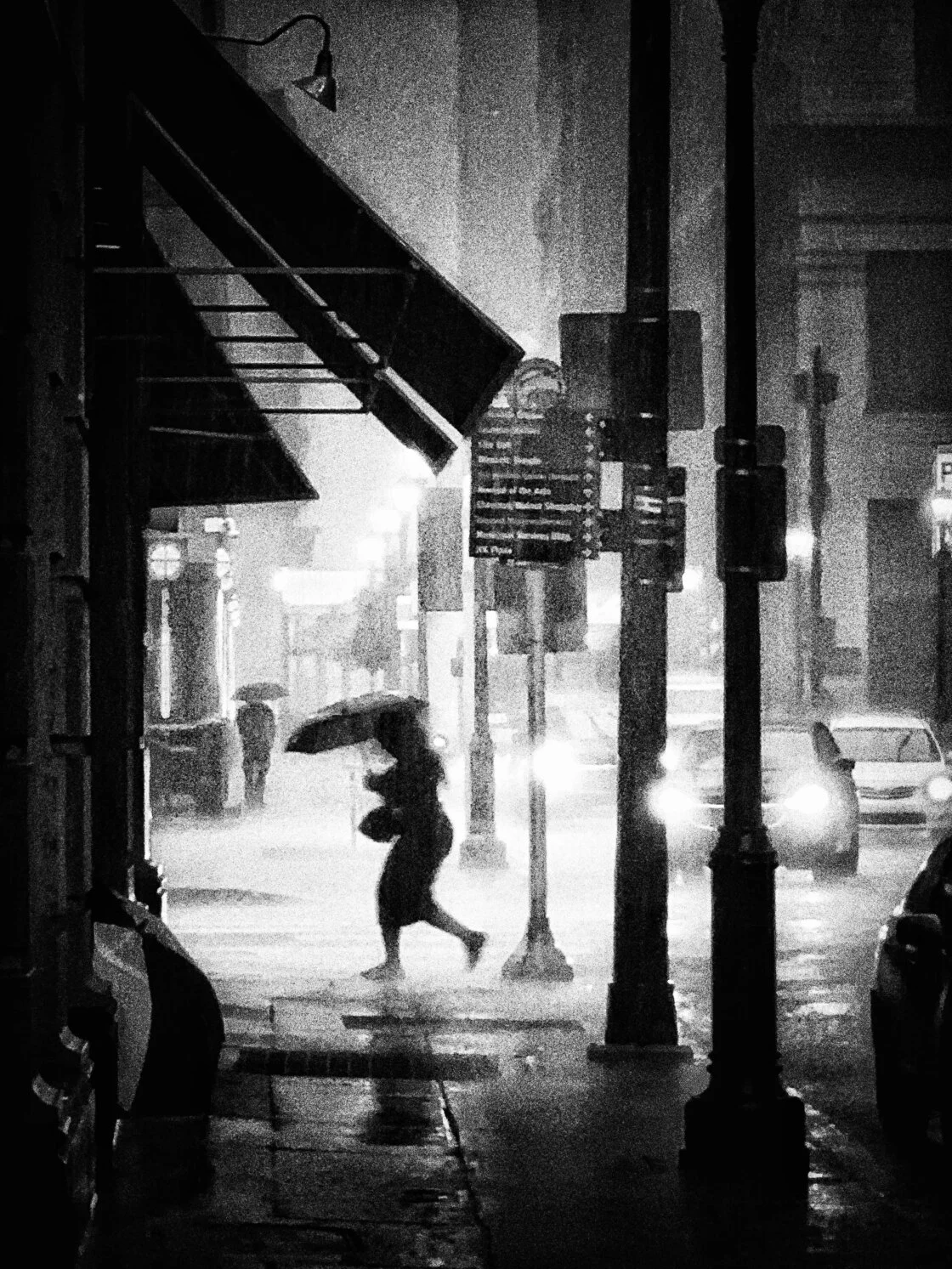
One of the most effective methods for creating visual tension in a portrait is the use of high-contrast lighting. In a journalistic and technical context, high contrast refers to a scene where the luminance difference between the brightest highlights and the darkest shadows is extreme. While traditional photography often seeks a balanced dynamic range, intentionally seeking out "harsh" light can produce a "chiaroscuro" effect, popularized by Renaissance painters to create a sense of volume and drama.
To achieve this on an iPhone, photographers are encouraged to seek environments where direct sunlight meets deep shadow, such as the edge of a building or a high-ceilinged room with a single window. The technical execution involves a two-step process on the iOS camera interface: first, tapping the subject’s face to lock the focus and set the initial exposure; second, using the exposure slider (represented by a sun icon) to swipe downward. This action intentionally "crushes" the shadows, removing distracting background details and focusing the viewer’s attention solely on the illuminated portion of the subject. Industry data suggests that high-contrast images often perform better in black-and-white formats, as the removal of color emphasizes texture and form over hue.
The Role of Geometric and Organic Light Patterns
Beyond simple contrast, the introduction of patterns into a light source adds a layer of complexity to a portrait. Light patterns can be categorized into two types: environmental and manufactured. Environmental patterns occur naturally when light passes through objects like window blinds, beveled glass, or the foliage of trees. Manufactured patterns involve the photographer intervening with props, such as using a kitchen strainer or a lace curtain to cast intricate shadows across a subject’s features.
From a compositional standpoint, these patterns serve to break up the uniformity of the skin and create a "tactile" quality in a digital image. When executing these shots, the iPhone’s software-based HDR (High Dynamic Range) may attempt to brighten the shadows automatically. To counter this and maintain the integrity of the pattern, photographers must manually reduce the exposure. This technique not only adds visual interest but can also be used to highlight specific features, such as the iris of an eye or the contour of a jawline, by positioning the brightest part of the pattern strategically.
Posing Techniques: Beyond the Traditional Stance
The physical orientation of a subject—often referred to as the "pose"—is a critical factor in the psychological impact of a portrait. Standard "look-at-the-camera" poses often lack the emotional depth required for compelling storytelling. Professional photographers often employ three specific sub-techniques to enhance engagement:
1. Natural Framing with Hands
Using the subject’s hands to frame the face creates a "frame-within-a-frame" composition. This technique directs the viewer’s eye toward the subject’s expression. By placing one hand near the jawline and another higher up the temple, the photographer creates a diagonal line across the frame, which is more aesthetically pleasing than a static, horizontal orientation.
2. The Sensual Tilt
Asking a subject to tilt their head back and place a hand lightly on the neck alters the "vibe" of the image from a standard headshot to a more confident, atmospheric portrait. This pose elongates the neck and utilizes the iPhone’s lens to capture more flattering angles of the facial structure.
3. Low-Angle Perspectives
Utilizing the iPhone’s wide-angle lens from a low perspective—shooting from the ground upward—distorts the traditional view of the human form. This "worm’s-eye view" can make the subject appear more powerful or, when combined with movement like a kick toward the lens, can create a sense of dynamic action that is rare in static portraiture.
Computational Photography and the "Dreamy" Aesthetic
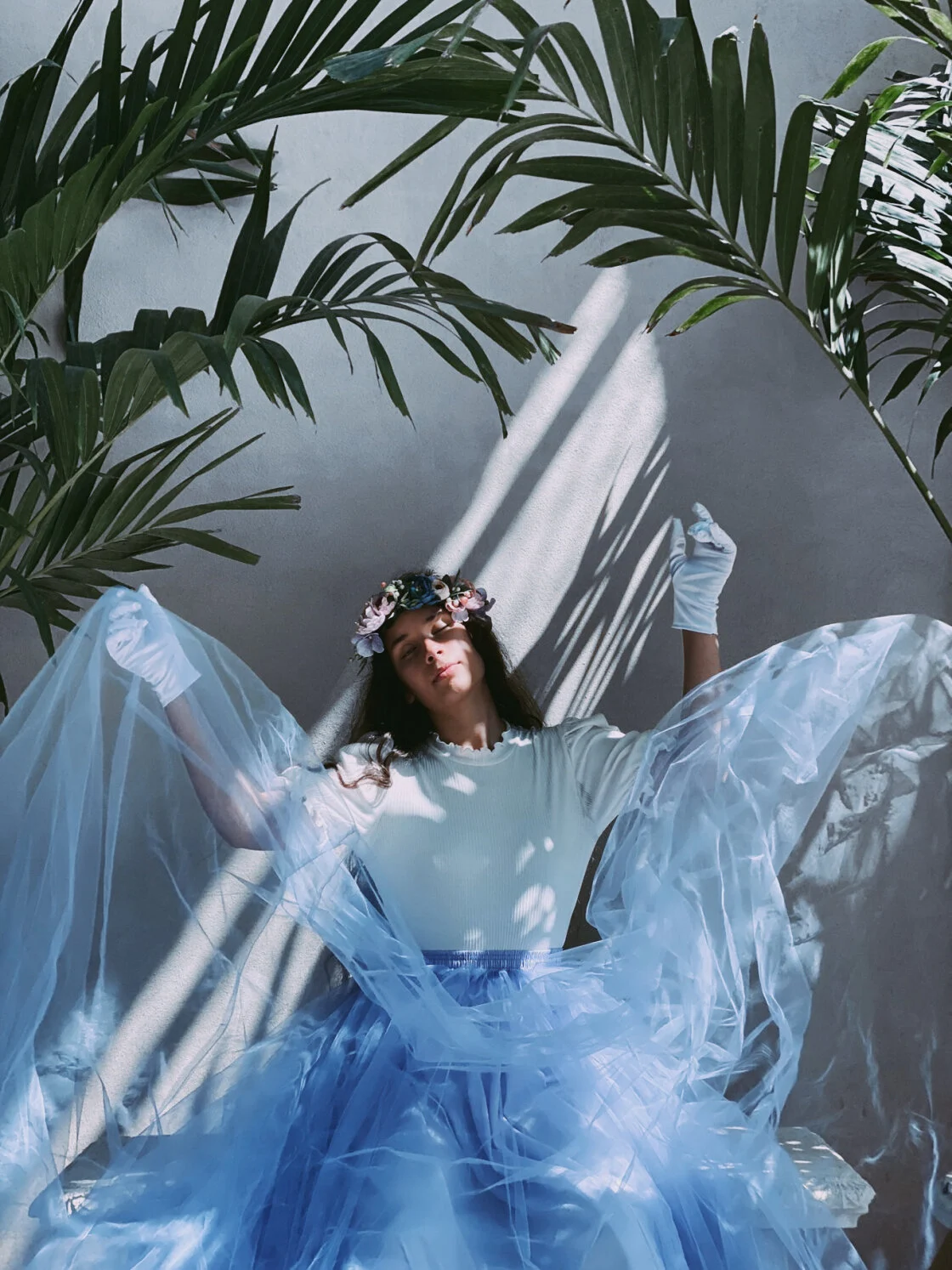
While drama is often found in shadows, a "dreamy" or ethereal mood is found in movement and softness. The iPhone’s "Burst Mode" is a critical tool for this style. Burst mode allows the camera to capture a series of photos in rapid succession—up to 10 frames per second. This is essential when photographing moving fabric, such as a long dress or a silk scarf being tossed into the air.
The psychological impact of these images relies on "relaxed" expressions. Experts suggest that asking a subject to close their eyes or look away from the lens reduces the "confrontational" nature of a portrait, making the viewer feel like a silent observer of a private moment. The integration of elegant arm placements, such as hands raised above the head with slightly bent elbows, adds a statuesque quality to the frame, further distancing the image from a casual "selfie."
Collaborative Posing: Dynamics Between Two Subjects
Photographing two people presents unique challenges in terms of focal depth and emotional connection. The standard "side-by-side" pose often lacks creativity. A more sophisticated approach involves "partial framing," where the photographer gets close enough to capture only half of each person’s face, creating a symmetrical and intimate study of their features.
Additionally, varying the distance between subjects and the camera allows for a play on the "Portrait Mode" depth-of-field effect. By having one subject stand closer to the lens than the other, the iPhone’s software can apply a subtle blur to the person in the foreground or background, creating a sense of three-dimensional space. According to user engagement statistics on photography platforms like Flickr, images that depict an emotional connection—such as subjects looking into the distance while hugging or closing their eyes—tend to resonate more deeply with audiences than those where subjects are staring directly at the camera.
Storytelling Through Props and Wardrobe Styling
A portrait is rarely just about the person; it is about the context. Props serve as the primary vehicle for storytelling. For instance, a vintage car or era-specific clothing can transport the viewer to a different time period, while simple items like a coffee cup or a book can evoke feelings of domestic "coziness."
The selection of a prop must be intentional. Using a blindfold, for example, can symbolize inner reflection or a loss of control, adding a conceptual layer to the image. Similarly, wardrobe choices should be dictated by the location. Professional stylists recommend "harmonious" coloring—matching a subject’s clothing to the tones of their environment—to create a unified aesthetic. Conversely, "complementary" or contrasting colors can be used to make a subject "pop" against a busy urban background. Data from social media marketing firms indicates that high-contrast color schemes in portraits (such as a subject in a red dress against a green forest) result in significantly higher "stop-scrolling" rates among viewers.
Analysis of the Broader Impact on the Photography Industry
The democratization of these professional techniques via the iPhone has profound implications for the photography industry. A 2023 report on digital imaging trends noted that over 90% of all photos taken globally are captured on smartphones. As users master the seven techniques outlined above—light contrast, patterns, creative posing, movement, collaborative dynamics, props, and styling—the barrier between "amateur" and "professional" continues to erode.
This shift has forced professional photographers to move beyond technical mastery and focus on unique artistic vision. For the average user, the ability to create "interesting and compelling" portraits means that high-quality visual storytelling is no longer a luxury, but a standard form of communication. As Apple and other manufacturers continue to integrate artificial intelligence and more advanced sensors into mobile devices, the "creative freedom" cited by experts like Aeriel Orndorff will only expand, further cementing the iPhone’s role as a primary tool in the modern artist’s toolkit. The future of portraiture lies not in the size of the camera, but in the creative application of light, shadow, and human emotion.