The pursuit of breathtaking landscape photography transcends mere chance; it demands a meticulous and multi-faceted planning approach that balances artistic vision with logistical precision. In an increasingly competitive digital landscape where unique and high-quality imagery is prized, photographers can no longer rely solely on serendipity. Instead, a systematic methodology, encompassing everything from gear preparation and personal safety to environmental considerations and post-shoot evaluation, is paramount to consistently capturing compelling images and ensuring a rewarding, safe experience in the field. This comprehensive guide, the first in a two-part series, delves into the foundational elements of planning a successful landscape photoshoot, laying the groundwork for transforming casual outings into productive expeditions.
The Imperative of Pre-Visualization and Equipment Preparedness
Achieving truly remarkable landscape photographs begins long before stepping out the door. The initial phase of planning is centered around the meticulous preparation of photographic equipment and a thoughtful consideration of the technical aspects required for the desired shots.
Beyond Chance: Strategic Gear Management
A thorough equipment check hours before departure is non-negotiable. Batteries, often overlooked, must be fully charged, and memory cards should be emptied to prevent frustrating capacity issues on location. Industry reports suggest that upwards of 15% of outdoor photography issues, ranging from missed shots to truncated sessions, stem directly from neglected battery charging or insufficient storage.
One critical decision is lens selection. For many landscape photographers, including those working in coastal environments, changing lenses in the field is a risk. Airborne particles, such as salt spray, dust, or sand, can infiltrate camera bodies and settle on sensors, leading to costly cleaning or image degradation. Therefore, pre-fitting a primary lens, often a wide-angle for expansive views, is a common practice. Essential accessories like Neutral Density (ND) and polarizing filters should be packed alongside the camera, and the tripod’s quick-release plate attached beforehand, streamlining setup once on site. A minimalist approach to gear, carrying only what is essential for the planned shot, significantly reduces physical burden and increases mobility, a crucial advantage in rugged terrains. Hauling a heavy rucksack filled with unused equipment is inefficient and counterproductive.
Technological Edge: Leveraging Modern Camera Capabilities
Understanding specific camera settings and capabilities is another vital preparatory step. Calculating the hyperfocal distance for the chosen lens and aperture combination ensures maximum front-to-back sharpness. For instance, knowing that a 7mm lens at f/8 yields a hyperfocal distance of 0.41 meters (1.3 feet) means everything from 0.21 meters (0.7 feet) to infinity will be in sharp focus, eliminating guesswork in the field. This precision is especially crucial for landscapes that demand immense depth of field.
Furthermore, contemporary cameras offer advanced features that warrant pre-shoot consideration. The dynamic nature of light and cloud movement, predictable through tools like Earth.gl, directly influences the potential for long exposures. Photographers must decide whether to create High Dynamic Range (HDR) images in-camera or opt for merging bracketed shots in post-processing. Similarly, the necessity of focus stacking for extreme front-to-back sharpness, particularly when foreground elements are very close to the lens, requires a predetermined strategy. Many modern cameras also boast sensor-shift technology, capable of producing ultra-high-resolution images (e.g., 80-megapixel shots), a feature whose utility should be evaluated based on the specific creative intent for the shoot. Thoughtful consideration of these technical aspects before leaving home saves invaluable time and effort on location, allowing for more focused creative work.
Ensuring Personal Safety in Remote Environments
Beyond equipment, personal safety is an often-underestimated yet paramount aspect of landscape photography planning, especially when venturing into remote or challenging natural settings.
Vigilant Personal Logistics: Clothing and Emergency Supplies
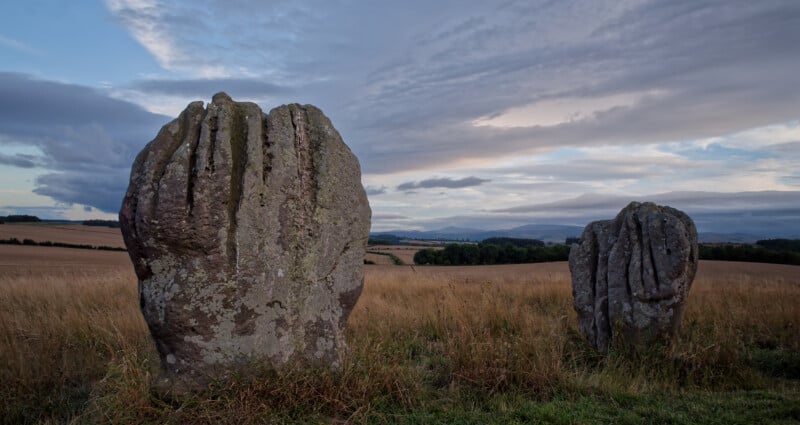
Appropriate clothing is essential for comfort and safety, necessitating foresight into potential weather changes. Robust, strong footwear is critical for navigating rough, uneven, or slippery terrain. Preparing clothing the day before an early start ensures efficiency and minimizes disruption. Seasoned outdoor photographers consistently emphasize the importance of layering and waterproof gear, particularly in environments prone to rapid climatic shifts.
Moreover, a small, well-stocked first aid kit is indispensable. Emergency food and a sufficient supply of water are also crucial, providing sustenance in case of unexpected delays or difficulties. These provisions can be the difference between a minor inconvenience and a serious situation, particularly in isolated locations.
The Critical Role of Communication and Accountability
Perhaps the most vital safety measure is communicating one’s itinerary to others. Notifying a trusted contact about the planned location, route, and estimated return time creates a vital safety net. Imagine breaking an ankle on an isolated rocky shoreline or a remote hillside without phone signal, and no one knows your whereabouts. Such scenarios, while seemingly rare, are not uncommon. A study by the National Park Service in the United States indicated that a significant percentage of search and rescue operations involve individuals who failed to inform others of their plans, thus delaying emergency response. This simple act of communication can dramatically reduce response times in an emergency, potentially saving lives.
Mastering Navigation: From Digital Aids to Traditional Skills
Effective navigation is foundational to successful landscape photography, ensuring not only safety but also optimal timing for capturing fleeting light conditions.
Precision Timing for Optimal Light
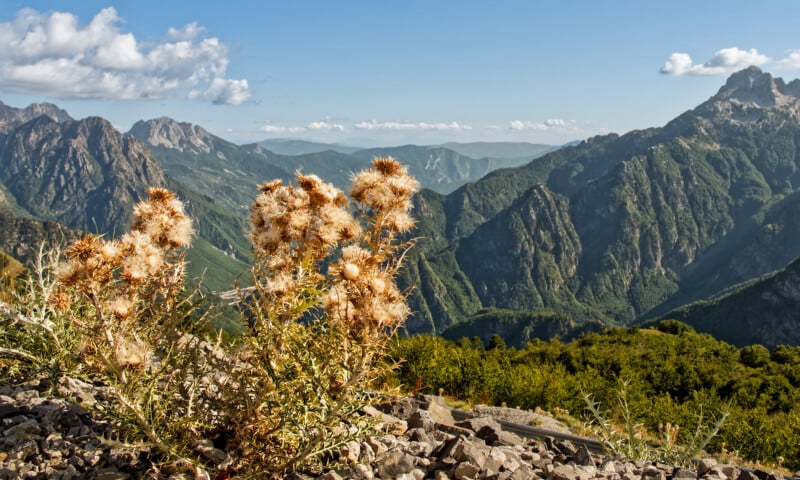
Planning the journey meticulously, including estimated travel times, is critical. Arriving on site well in advance of the desired light conditions (e.g., golden hour or blue hour) provides ample time to set up tripods, attach filters, and execute complex sequences like focus stacking without feeling rushed. This calm, unhurried preparation often leads to superior results and reduces the likelihood of errors.
Navigating Challenging Terrain and Low-Light Conditions
Landscape photography frequently involves hiking, climbing, or traversing rugged environments, often in the hours of darkness when traveling to or from a location to catch sunrise or sunset. This necessitates accounting for reduced visibility and increased physical exertion in timing estimates. Navigating unfamiliar terrain in low light presents unique challenges that demand heightened awareness and preparedness.
The Dual Approach: GPS and Analog Proficiency
While smartphones and dedicated GPS devices are invaluable tools, their reliability is contingent on battery life and signal availability, both of which can fail in remote areas. Therefore, a prudent landscape photographer never relies solely on electronics. Carrying a physical map and a compass, and possessing the skills to use them proficiently, is a fundamental safety practice. The stark realities of inadequate navigation skills are tragically illustrated by incidents on mountains like Ben Nevis in Scotland, where individuals, disoriented by cloud cover or darkness, have mistakenly descended the wrong side of the mountain, sometimes with fatal consequences. Search and rescue teams consistently report incidents where individuals, overly reliant on smartphone GPS, find themselves disoriented when battery life depletes or signals drop in remote, challenging environments. This dual approach ensures redundancy and provides a robust safety net.
Logistical Foresight: Access, Permits, and Contingencies
A comprehensive planning strategy extends to understanding the logistical framework of a chosen location, preventing unexpected obstacles that could derail a shoot.
Understanding Site-Specific Regulations
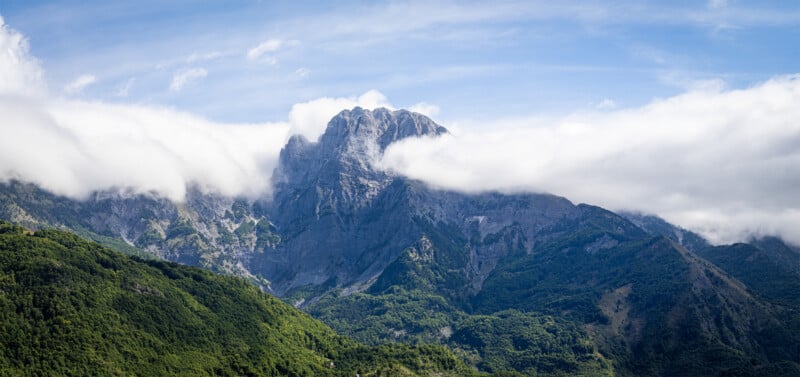
Crucial checks include road access, parking availability, and trail openings. Many popular natural sites, especially within national parks or protected areas, have specific regulations regarding access, operating hours, and even photography itself. Obtaining necessary permits or understanding other restrictions is vital to avoid fines, conflicts, or environmental damage. For example, some sensitive ecological zones may prohibit off-trail travel or drone usage.
Mitigating Unforeseen Obstacles
Contingency planning for potential issues like unexpected closures or large crowds is also prudent. The increasing popularity of outdoor photography has led to many once-secluded spots becoming highly frequented. Arriving on location only to find dozens of other photographers vying for the same composition can be disheartening and time-consuming. Having alternative locations or compositional ideas ready allows for quick adaptation, ensuring the effort invested in the trip is not wasted. Data from major national parks globally indicates a consistent annual increase in visitation rates by 5-10%, underscoring the growing need for photographers to anticipate and plan around crowded conditions.
Dynamic Execution: Adapting to the Evolving Landscape
Even the most meticulous plan must allow for real-time adaptation. The natural world is inherently dynamic, and rigid adherence to a pre-conceived idea can lead to missed opportunities.
Beyond Static Shots: Exploring the Scene
Once on location, a truly effective landscape photographer rarely remains in a single spot. Even with prospective camera placements identified during planning, a thorough exploration of the scene upon arrival is essential. This initial reconnaissance allows for a deeper understanding of the environment and the discovery of unforeseen compositional elements.
Responding to Nature’s Flux
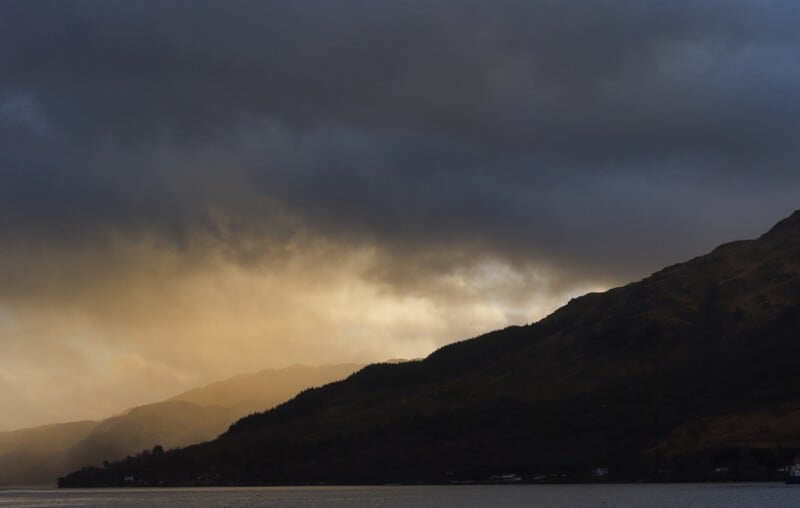
Coastal photography, for instance, is a constant dance with change. Tidal states, wave size, and speed are in perpetual flux. Cloud cover can shift dramatically, and the rising or setting sun casts an ever-evolving palette of light and shadow. By actively trying multiple compositions, adjusting camera height and position, and embracing these changing conditions, photographers can capture a diverse and richer expression of a single landscape. Renowned landscape photographers often speak of "reading the landscape," a skill developed through extensive field experience, allowing them to anticipate and react to fleeting moments of light and weather, turning ephemeral beauty into lasting art.
The Cognitive Spectrum of Artistic Vision
The creative process in photography is diverse, and while many advocate for "visualizing the shot," this approach is not universal, nor is it the only path to success.
Visualization vs. Adaptive Composition
The conventional wisdom in photography often suggests visualizing the final image before capture. However, some individuals, including those with aphantasia – a neurological condition characterized by an inability to form mental images (estimated to affect 2-5% of the population) – find this impossible. For these photographers, and indeed for many others, a more flexible, adaptive approach proves more effective. Being tied to a rigid pre-conceived vision can lead to overlooking superior compositions that emerge organically in the field.
Foundational Compositional Principles
Regardless of one’s ability to visualize, the core principles of strong composition remain paramount. Actively seeking leading lines, ensuring balanced compositions, understanding and managing scale, and meticulously scanning the frame for unwanted distractions are universal practices that elevate an image from a mere snapshot to a work of art. This adaptive approach, focused on reacting to the present environment with compositional awareness, challenges the notion that a specific cognitive style is prerequisite for artistic excellence.

Strategic Contingencies for Unpredictable Conditions
Nature’s unpredictability means that even the best-laid plans can go awry. Having contingency strategies is vital for transforming potential setbacks into creative triumphs.
Turning Challenges into Opportunities
For example, a planned sunrise shot might be obscured by an unexpected bank of clouds on the horizon. Instead of abandoning the effort, a photographer might wait for the sun to rise above the cloud layer, typically 15-20 minutes later, and then capture coastal features bathed in a dramatic golden light. Alternatively, on a completely overcast day, a photographer might employ an ND1000 filter, perhaps combined with an in-camera electronic ND filter (like LiveND), to create long exposures. This technique smooths out turbulent seas and clouds, transforming an otherwise flat scene into an ethereal, minimalist composition, focusing on elements like navigation beacons. Modern camera technology and a creative mindset allow for a vast array of alternative artistic expressions even when primary plans are thwarted.
Fostering a Responsible and Ethical Photographic Community
The increasing popularity of landscape photography necessitates a strong emphasis on community etiquette and environmental responsibility.
Community Etiquette and Shared Spaces
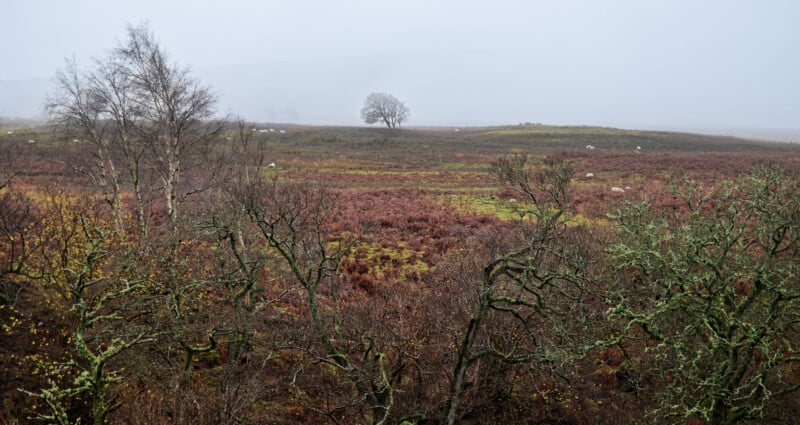
When encountering other photographers on location, particularly at popular spots, a spirit of generosity and respect is invaluable. Giving priority to others, especially tourists who may have traveled great distances for a single opportunity, can foster positive interactions. Many experienced photographers adopt a "photographic karma" philosophy, believing that acts of kindness, such as inviting others to a prime shooting spot or pointing out wildlife, will be reciprocated in the future. This approach not only builds a more harmonious community but also often leads to the unexpected benefit of forgetting the lens for a moment and simply enjoying being present in nature.
Balancing Artistry with Enjoyment
Ultimately, while the pursuit of the perfect shot is a powerful motivator, the experience of being immersed in a beautiful landscape should not be overshadowed by relentless photographic pressure. There is immense value in occasionally stepping back from the camera to simply appreciate the moment, fostering a deeper connection with the environment that inspires the art.
Environmental Stewardship: Protecting Our Natural Heritage
Beyond interpersonal etiquette, the ethical responsibility of landscape photographers extends profoundly to the environment itself.
The Enhanced "Leave No Trace" Ethos
The venerable adage, "take nothing but photos, leave nothing but footprints," serves as a crucial foundation but warrants expansion. A more comprehensive ethic includes, "disturb nothing but the air." This principle underscores the critical importance of leaving wildlife undisturbed, as disruption can have significant, sometimes fatal, impacts on their survival, particularly during breeding or feeding seasons. Conservation organizations universally endorse these ethical practices, reminding photographers that their presence can significantly impact fragile ecosystems and indigenous species.
The Photographer’s Role as Conservationist
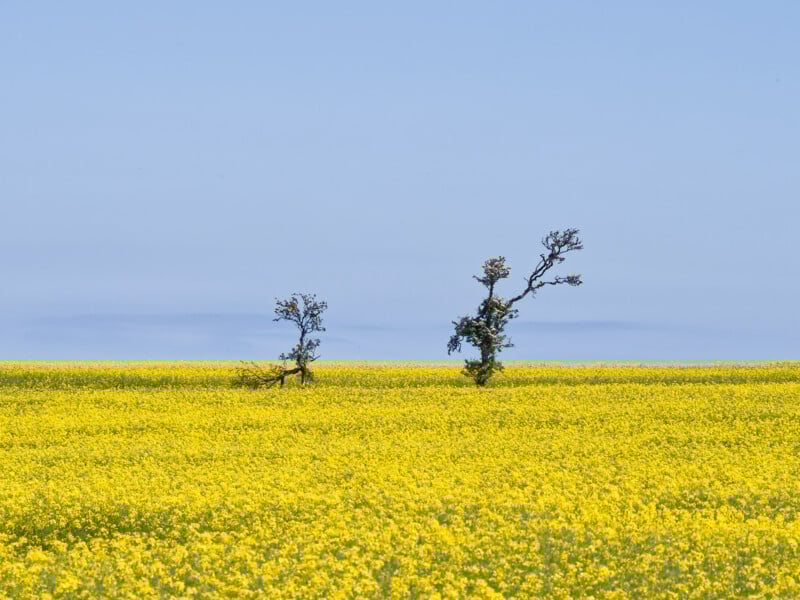
Photographers, by their very presence in natural environments, are often perceived as ambassadors for these spaces. Their actions can either reinforce responsible outdoor ethics or contribute to degradation. Therefore, acknowledging that nature’s preservation is far more important than any single photograph is a fundamental tenet of responsible landscape photography. This stewardship ensures that the stunning landscapes we capture today will remain vibrant and accessible for future generations to appreciate and photograph.
The Continuous Loop of Improvement: Post-Shoot Evaluation
The planning process for landscape photography does not conclude when the camera is packed away; it extends into a critical post-shoot evaluation phase that fuels continuous improvement.
Analytical Review for Future Success
A systematic review of captured images is essential for refining future planning and photographic techniques. This involves more than just selecting the best shots. It requires critically analyzing "failed" compositions to understand why they were less effective, what could have been done differently, and what lessons can be extracted. This introspective process allows photographers to identify recurring challenges, refine their understanding of light, composition, and technical settings, and adapt their approach for subsequent outings.
Refining the Planning Process
Integrating these lessons learned into the next planning cycle is crucial. If a particular composition consistently falls short, or if a certain lighting condition proves challenging, these insights inform future scouting, gear choices, and contingency plans. For photographers who strive to avoid a formulaic approach, this iterative process of discovery—understanding what worked and what didn’t—is indispensable for artistic growth and the development of a unique photographic voice. It transforms every shoot, successful or otherwise, into a valuable learning experience, ensuring that each subsequent expedition is more informed and potentially more fruitful.
This detailed foundational planning provides a robust framework for any landscape photographer. In the forthcoming second part of this series, we will delve deeper into the creative intent, advanced location scouting techniques, and a nuanced understanding of light, seasonality, and weather patterns to further elevate your landscape photography.