Vancouver, British Columbia – A significant ruling by British Columbia’s Civil Resolution Tribunal has resulted in a CAD 20,000 ($14,200 USD) fine against social media influencer Sherif Elbishlawi, known online as @vibr0phone, for repeatedly posting intimate images of a woman without her enduring consent. The landmark decision underscores the escalating legal and ethical challenges surrounding digital privacy, influencer responsibility, and the critical importance of explicit, ongoing consent in the age of viral content. The case brings into sharp focus the vulnerabilities individuals face when their images are shared online without permission, particularly when the content is exploited for social media engagement or financial gain.
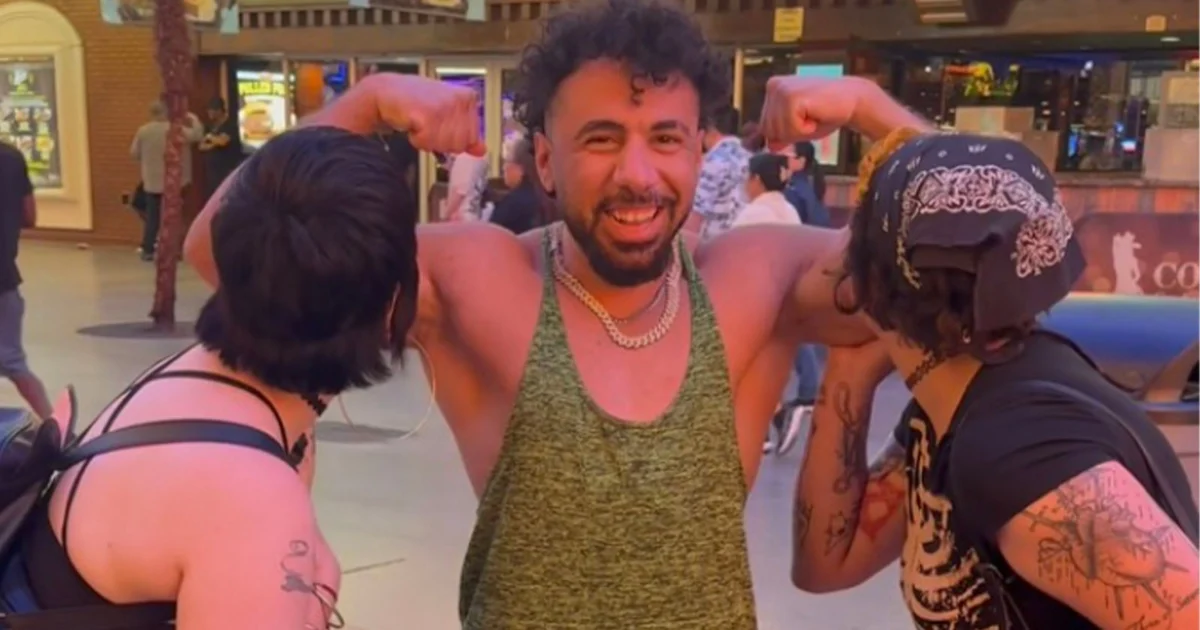
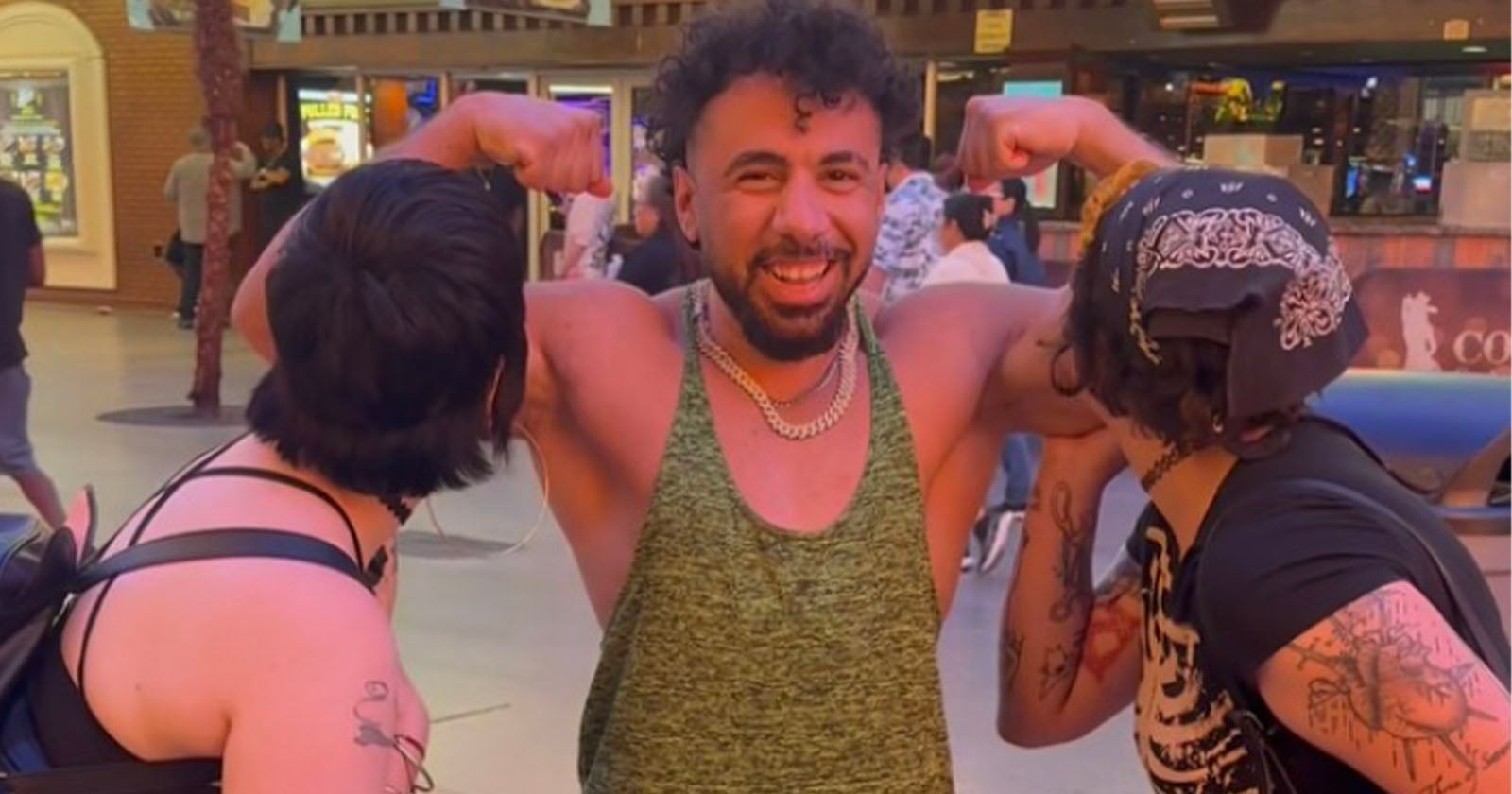
The ruling by Tribunal Member Maria Montgomery found Elbishlawi liable for the distress and humiliation caused to the complainant, identified only as Z.D., after he disseminated videos depicting her in a compromising position despite her explicit requests for their removal. The nature of Elbishlawi’s online persona often involves physically lifting women in a "bicep curl" pose, frequently leading to their bottoms being exposed to the camera – a practice that has garnered him a following of over 100,000 on platforms like Instagram. This incident, however, has transformed a controversial content strategy into a legal precedent concerning non-consensual intimate image sharing (NCII).
The Incident: A Night Out Turns Into a Legal Battle
The sequence of events leading to the tribunal’s decision began outside a nightclub, where Z.D. encountered Sherif Elbishlawi. According to evidence presented to the tribunal, Z.D. initially agreed to be featured in one of Elbishlawi’s signature "bicep curl" videos. However, Z.D. later testified that she was intoxicated at the time of the initial interaction, significantly impairing her ability to provide fully informed and sustained consent. Critically, shortly after the video was recorded, she communicated her desire for Elbishlawi not to post the content online. This request, the tribunal found, was repeatedly ignored.
Z.D.’s attempts to have the video removed were met with dismissiveness and, in some instances, demands for an in-person meeting. Elbishlawi’s reported response, "I don’t do favours for strangers," exemplified a lack of empathy and a disregard for Z.D.’s autonomy and privacy. This interaction highlights a concerning power dynamic, where the influencer leveraged his platform and perceived status to override an individual’s clear expression of non-consent. The initial posting of the video, followed by Elbishlawi’s steadfast refusal to remove it, initiated a distressing period for Z.D., characterized by humiliation, anxiety, and a constant fear that the content would reappear.
Chronology of Dissemination and Distress
The timeline of events paints a clear picture of persistent non-consensual dissemination:
- Initial Encounter and Recording: Z.D. and Sherif Elbishlawi meet outside a nightclub. Elbishlawi records a video featuring Z.D. in a "bicep curl" pose, which exposes her bottom. Z.D. later states she was intoxicated and withdrew consent for the video’s publication.
- Request for Removal: Z.D. contacts Elbishlawi, explicitly asking him not to post the video. Her requests are disregarded, or she is told he "doesn’t do favours for strangers."
- Initial Publication: Despite Z.D.’s objections, Elbishlawi publishes the video on his social media accounts, primarily Instagram, where he boasts a large following.
- Platform Intervention: Meta, the parent company of Facebook and Instagram, receives a report regarding the non-consensual content. Acting on its policies against NCII, Meta removes the video and suspends Elbishlawi’s accounts. This action is a standard response to violations of community guidelines concerning privacy and intimate imagery.
- Circumvention and Reposting: Undeterred by the platform’s enforcement, Elbishlawi creates new social media accounts. He then deliberately reposts the video, effectively circumventing Meta’s initial intervention and prolonging Z.D.’s distress. This act demonstrated a clear intent to continue disseminating the content despite knowing it was against the subject’s wishes and platform rules.
- Z.D.’s Ongoing Monitoring and Anxiety: Z.D. describes experiencing significant emotional and psychological harm, including intense humiliation, embarrassment, and anxiety. She felt compelled to continually monitor Elbishlawi’s new social media accounts, fearing the video’s reappearance and its potential to be seen by acquaintances or spread further.
- Civil Resolution Tribunal Proceedings: Z.D. files a claim with British Columbia’s Civil Resolution Tribunal, seeking damages for the harm caused by Elbishlawi’s actions. The CRT provides an accessible online forum for resolving civil disputes in the province.
- Tribunal Ruling: Tribunal Member Maria Montgomery reviews the evidence and issues a judgment finding Elbishlawi liable for the non-consensual sharing of intimate images and the resultant harm.
Legal Framework and the Tribunal’s Findings
British Columbia’s Civil Resolution Tribunal (CRT) is designed to offer a more accessible and efficient alternative to traditional courts for certain types of civil disputes, including those involving privacy and personal injury. In this case, the CRT applied principles of privacy law and tort law to assess the harm caused by Elbishlawi’s actions.
Tribunal Member Maria Montgomery’s ruling was unequivocal. She found Elbishlawi’s conduct to be "deserving of rebuke and markedly departs from ordinary standards of decent behaviour." The judgment was broken down into three components, reflecting the severity and multi-faceted nature of the harm caused:
- CAD 10,000 for Pain and Suffering: This award directly addresses the emotional and psychological distress Z.D. endured. The tribunal recognized the profound humiliation, embarrassment, and anxiety caused by the widespread viewing of the videos by acquaintances and the public. The impact of non-consensual image sharing on victims is well-documented, often leading to depression, social withdrawal, and even suicidal ideation.
- CAD 5,000 for Aggravated Damages: This component was awarded due to Elbishlawi’s particularly egregious conduct. His dismissive attitude, refusal to remove the content, and insistence on an in-person meeting instead of addressing Z.D.’s legitimate concerns exacerbated her suffering. Such actions demonstrate a heightened disregard for the victim’s rights and well-being, justifying additional damages.
- CAD 5,000 for Punitive Damages: Punitive damages are not intended to compensate the victim but to punish the defendant for malicious, oppressive, or high-handed conduct and to deter others from similar actions. Montgomery specifically cited two factors for this award: the possibility that Elbishlawi generated revenue from the videos, potentially through paywalled sites similar to OnlyFans, and his deliberate act of reposting the videos on new accounts after Meta had already removed them. This willful circumvention of platform rules and disregard for Z.D.’s privacy constituted a severe breach of ethical and legal standards, warranting a punitive response.
Montgomery explicitly stated, "It appears [Elbishlawi] used the videos to gain social media exposure, while not motivated by an intent to cause harm, I find the possibly exploitative nature of this conduct troubling." This observation highlights the fine line influencers often walk between content creation and exploitation, particularly when content involves others. Elbishlawi’s unapologetic stance, maintaining he committed no wrongdoing, further solidified the tribunal’s view of his misconduct.
The Broader Context: Influencer Culture and Digital Ethics
The case of Sherif Elbishlawi is not an isolated incident but rather a stark illustration of broader issues within the burgeoning influencer economy. The pressure to constantly generate engaging, often sensational, content can lead creators to push ethical boundaries. For many influencers, virality translates directly into followers, brand deals, and revenue, creating an incentive structure that can sometimes de-prioritize consent and privacy.
The "bicep curl" content style, while perhaps framed as lighthearted or humorous by its creator, inherently carries risks. It often involves strangers, alcohol-fueled environments, and poses that intentionally reveal parts of a person’s body. In such scenarios, the nuances of consent become critically important. Consent, in a legal and ethical sense, must be clear, enthusiastic, ongoing, and freely given. It cannot be given under duress, intoxication, or inferred from silence or inaction. The right to withdraw consent at any time is also paramount, and a failure to respect this withdrawal constitutes a violation.
Statistics on non-consensual intimate image sharing reveal a troubling landscape. Studies in Canada and globally indicate that a significant percentage of individuals, particularly young women, have been victims of NCII. According to a 2017 Statistics Canada report, 4% of internet users aged 18 to 24 reported having intimate images or videos of themselves shared without their consent. The actual numbers are likely higher, given underreporting due to shame and fear. The psychological impact on victims is severe, often leading to depression, anxiety, social isolation, and, in extreme cases, self-harm.
The Role of Social Media Platforms and Content Moderation
Meta’s actions in this case – removing the content and suspending Elbishlawi’s accounts – demonstrate its policies against non-consensual intimate imagery. Major social media platforms have developed guidelines and mechanisms to address NCII, recognizing their responsibility in curbing its spread. These typically include reporting tools, content review teams, and penalties for violators.
However, Elbishlawi’s ability to simply create new accounts and repost the content highlights a persistent challenge for platforms: the "whack-a-mole" problem of content moderation. While platforms can remove content and ban users, determined individuals can often find ways to circumvent these measures. This ongoing struggle emphasizes the need for more robust technological solutions, proactive detection, and potentially stronger penalties at the platform level, beyond just account suspensions. For victims, this means that even after content is initially removed, the anxiety of its potential reappearance can linger indefinitely.
Implications and Precedent-Setting Nature
This ruling by British Columbia’s Civil Resolution Tribunal holds significant implications:
- Empowerment of Victims: It reinforces that victims of NCII have legal recourse and that their privacy rights will be upheld. The financial award serves as a tangible acknowledgment of the profound harm caused and provides some measure of justice.
- Accountability for Influencers: The decision sends a strong message to influencers and content creators that their pursuit of engagement and monetization does not supersede an individual’s right to privacy and consent. It establishes a precedent for holding creators personally liable for content shared without explicit and ongoing permission. This is particularly crucial as the lines between personal and professional blur in the creator economy.
- Clarity on Digital Consent: The case reiterates the evolving understanding of consent in the digital age. It underscores that consent for recording does not automatically extend to consent for publication, especially when intoxication is involved, and that consent can always be withdrawn.
- Deterrent Effect: The substantial fine, including punitive damages for monetizing and reposting, aims to deter other content creators from similar exploitative practices. The public nature of the ruling also serves as an educational tool for both creators and the public regarding the legal consequences of such actions.
- Challenges in Enforcement: While a victory for Z.D., the case also highlights the ongoing difficulties victims face. Navigating legal systems, even accessible ones like the CRT, can be emotionally taxing, and the battle against reposting can feel relentless.
The legal landscape surrounding online harassment and privacy is continually evolving. In Canada, Bill C-13, passed in 2015, amended the Criminal Code to make the non-consensual sharing of intimate images a specific criminal offense, punishable by up to five years in prison. While Elbishlawi’s case was a civil matter, the existence of criminal legislation further underscores society’s increasing recognition of the severity of NCII. Civil remedies, like those pursued by Z.D., offer a path for victims to seek compensation and recognition for the harm they have suffered, independent of criminal prosecution.
Conclusion: A Step Towards Greater Digital Responsibility
The CAD 20,000 fine against Sherif Elbishlawi represents a crucial step in the ongoing effort to foster greater responsibility and respect in the digital sphere. It serves as a powerful reminder that online actions have real-world consequences, and that the pursuit of likes and followers can never justify the violation of an individual’s privacy and dignity.
As influencer culture continues to expand, the need for clear ethical guidelines, robust platform enforcement, and accessible legal avenues for victims becomes ever more pressing. This ruling from British Columbia’s Civil Resolution Tribunal provides a significant affirmation of consent and accountability, hopefully contributing to a safer and more respectful online environment for everyone. It underscores that consent is not a one-time transaction, but an ongoing agreement, and that a "no" – or even a retracted "yes" – must always be respected, regardless of one’s online following.