The intersection of analog film technology and the preservation of automotive history was recently highlighted during a comprehensive documentation of a classic car exhibition and race, utilizing the distinct aesthetic of Kodak ColorPlus 200 film. This specific film stock, often categorized as a budget-friendly consumer option, has gained renewed interest among photographic archivists and enthusiasts for its ability to replicate the visual language of the late 20th century. By deploying a 24-exposure roll of this 35mm stock at a high-profile heritage event, photographers have demonstrated how older emulsion technologies can provide a more authentic context for vintage machinery than modern digital sensors.
A Legacy Emulsion in a Digital Era
Kodak ColorPlus 200 is widely recognized in the photographic industry as a survivor of the rapid transition to digital imaging. Technical analysis of the film suggests it is based on an older emulsion architecture, specifically tracing its lineage back to the Kodacolor II and Kodacolor VR technologies of the 1970s and 1980s. This pedigree distinguishes it from Kodak Gold 200, which features a more modern chemical composition and higher saturation levels.
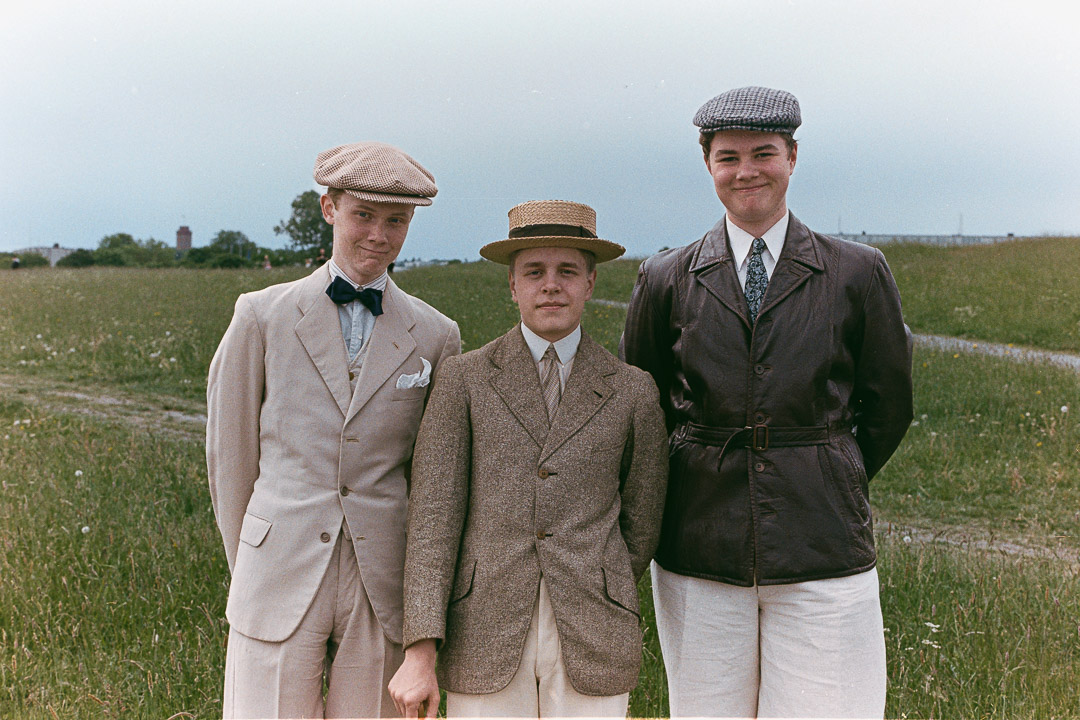
The choice of ColorPlus 200 for documenting classic automobiles is a strategic one. While digital photography offers high-resolution clarity, it often lacks the inherent texture and color shifts associated with the eras in which many classic cars were manufactured. The ColorPlus 200 stock provides a lower contrast profile and a characteristic grain structure that aligns with the visual archives of the 1970s. For the recent classic car race and show, this provided a "period-correct" medium to capture vehicles ranging from pre-war roadsters to 1970s sports sedans.
Atmospheric Conditions and Technical Specifications
The event took place under an overcast sky, providing a soft, diffused light source that presented unique challenges and opportunities for film photography. Unlike digital cameras, which can adjust ISO sensitivity on a frame-by-frame basis, the use of ColorPlus 200 locked the photographer into a fixed sensitivity of ISO 200. This required a precise balance of aperture and shutter speed, particularly when attempting to capture fast-moving vehicles during the racing portion of the schedule.
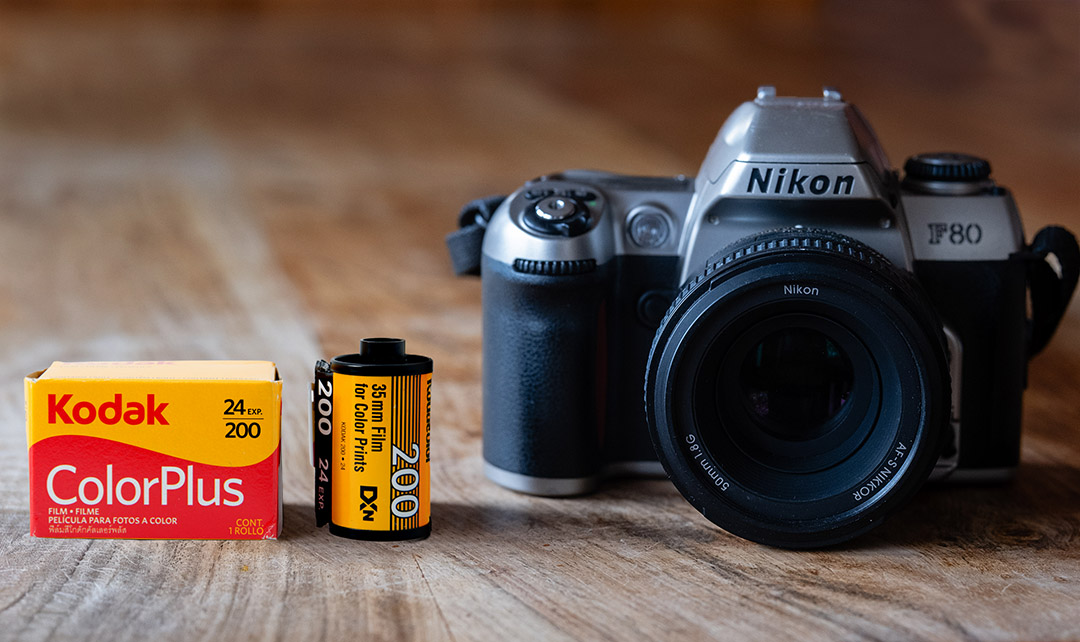
The documentation process yielded 25 frames from a standard 24-exposure roll, a common occurrence in manual-load 35mm cameras where the "leader" of the film is minimized to maximize exposure area. For the conversion of the physical negatives into digital files for analysis, the industry-standard Negative Lab Pro software within Adobe Lightroom was utilized. This allowed for a controlled interpretation of the film’s native color palette while maintaining the integrity of its chemical grain.
The Chronology of the Event: From Track to Exhibition
The heritage event was structured as a multi-faceted celebration of automotive engineering, divided into competitive racing, stationary exhibitions, and a specialized "Concours de Charme."
The Morning Races
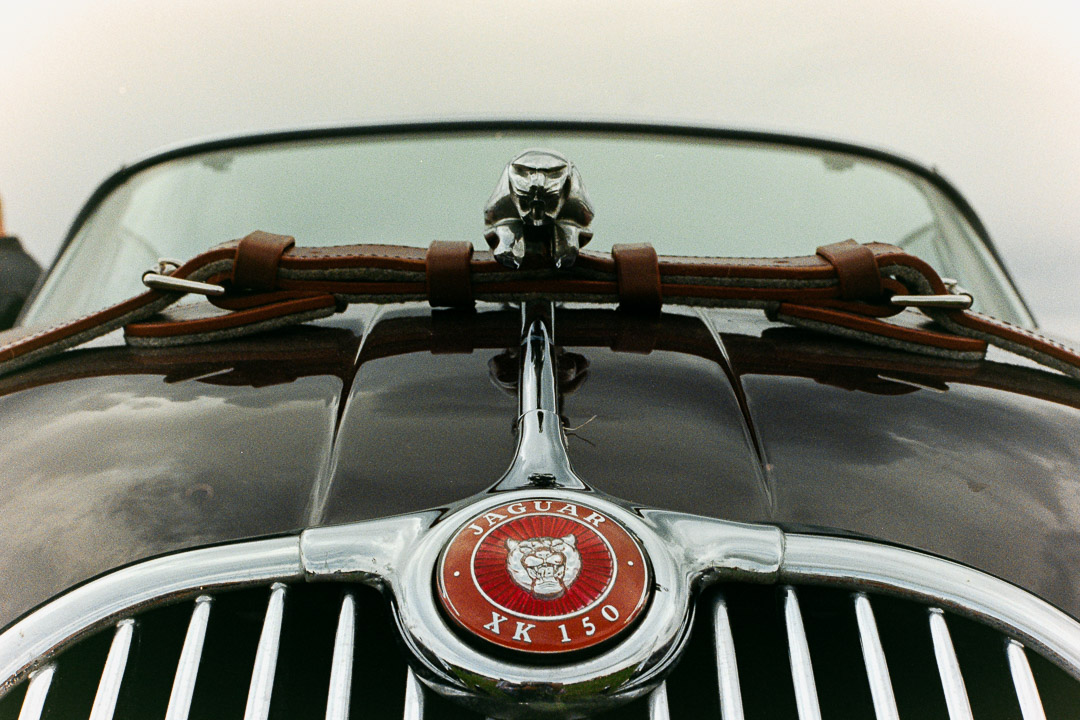
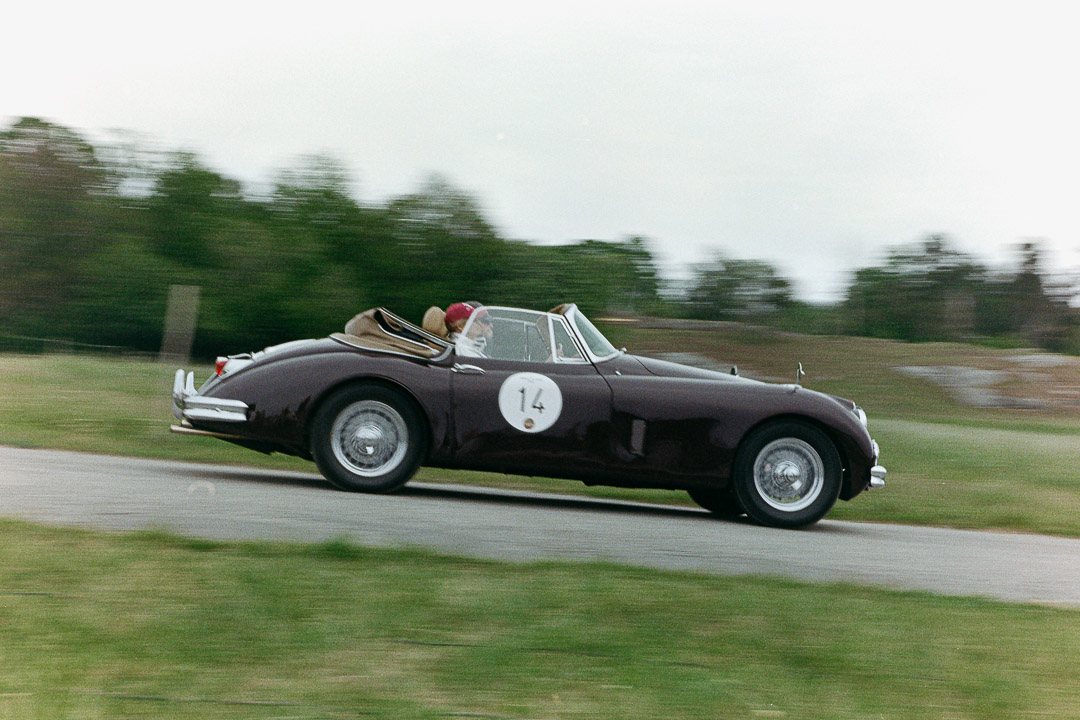
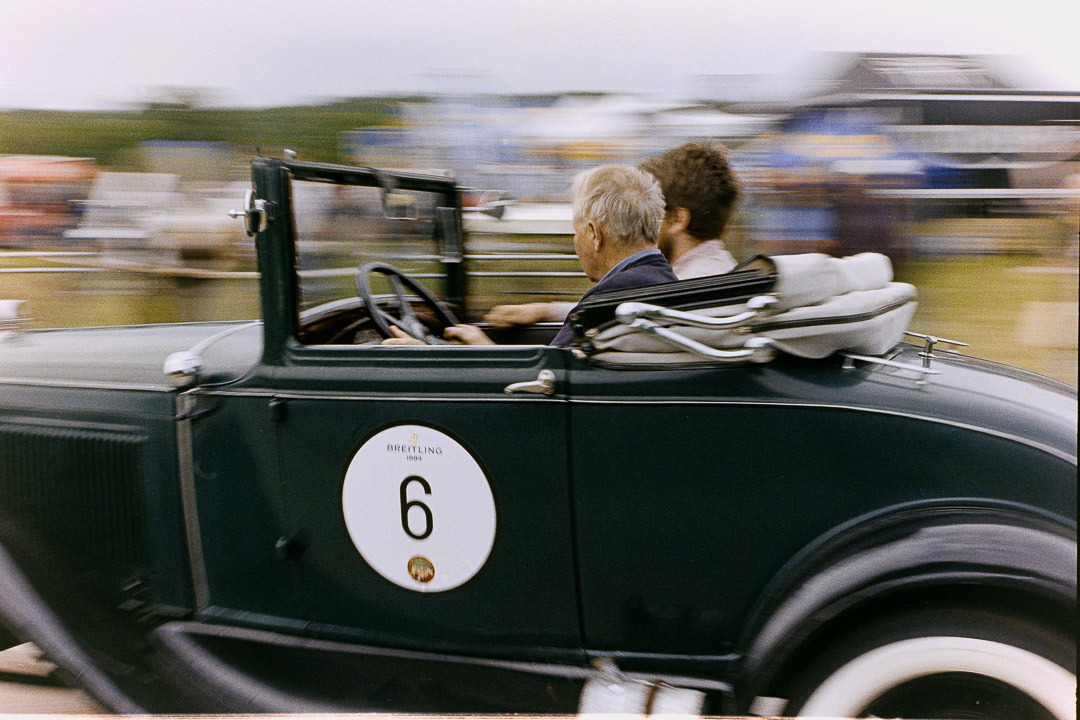
The day began with high-speed demonstrations on the track. Photographers documented a variety of historic marques, including the Jaguar XK 150 and the Ford Model A Roadster. Capturing these vehicles at speed required the use of panning techniques to imply motion through background blur. On a grey, low-light day, the ISO 200 rating necessitated wider apertures, which in turn challenged the depth-of-field accuracy. The resulting images showcased the film’s ability to handle muted tones without losing the structural detail of the chrome and paintwork.
Mid-Day Stationary Display
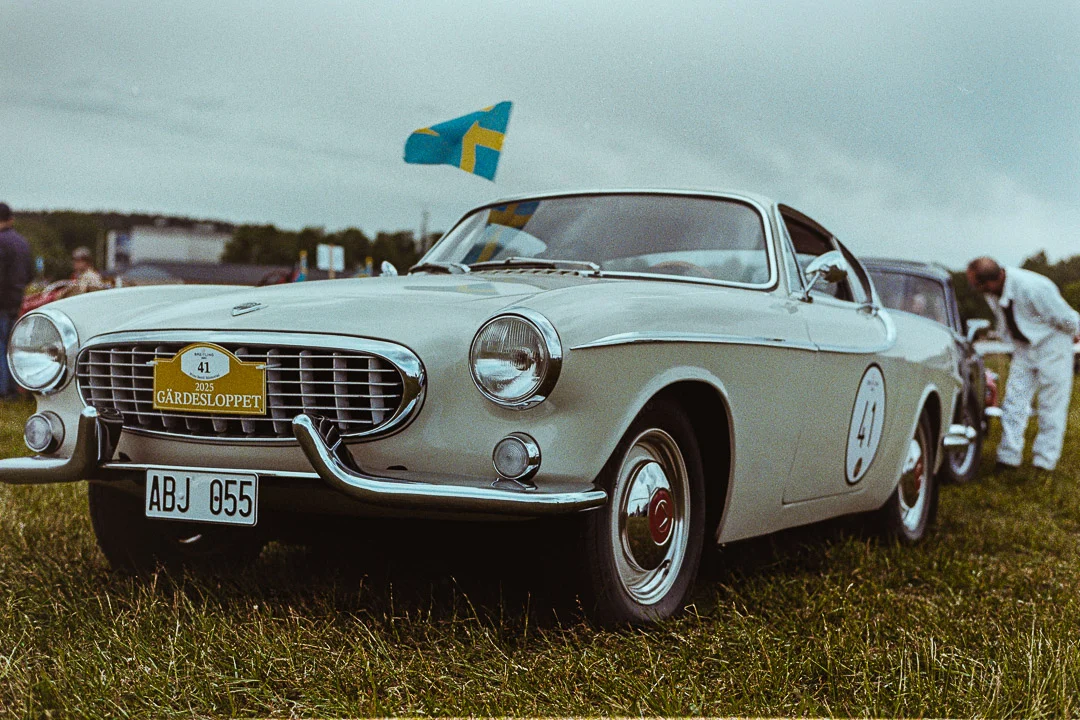
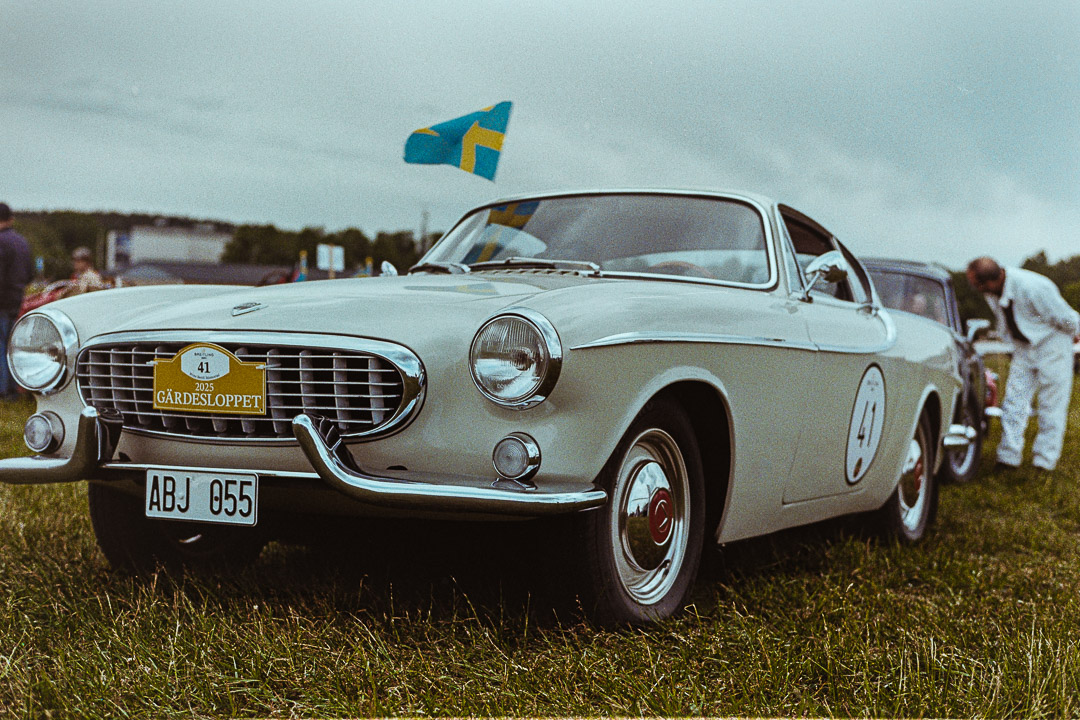
As the racing concluded, the focus shifted to the exhibition grounds. Here, stationary icons like the Mercedes-Benz 300 SL and the Volvo P 1800 were presented. The overcast conditions proved beneficial for these subjects, as the soft light prevented harsh reflections on the highly polished surfaces of the vehicles. The ColorPlus 200 responded with a slight yellowish-green cast in the neutral tones, a hallmark of its older chemical design, which contributed to a nostalgic atmosphere reminiscent of a family photo archive from the mid-20th century.
The Concours de Charme: Judging Criteria and Results
A significant highlight of the event was the Concours de Charme, a competition that departs from traditional technical inspections to focus on the overall aesthetic and historical presentation of the vehicle and its occupants. Unlike a standard "Concours d’Elegance," which may prioritize "bolt-perfect" restorations, the Concours de Charme evaluates entries based on a holistic "lifestyle" presentation.
The judging panel utilized three primary criteria:
- The Vehicle: The condition, rarity, and historical significance of the car.
- The Crew: The attire and grooming of the driver and passengers, which must be period-correct to the vehicle.
- The Presentation: The inclusion of authentic accessories, such as vintage picnic sets, original tool kits, or period-accurate luggage.
Several notable entries were documented during this phase, including a meticulously maintained World War II-era Jeep and a Fiat 500 C (Belvedere) from the early 1950s. The film’s ability to render skin tones with a warm, slightly desaturated quality complemented the vintage fabrics and accessories worn by the participants.
Case Study in Restoration: The BMW 2002 Homecoming
The most compelling narrative of the event involved a BMW 2002 from the early 1970s. The history of this specific vehicle serves as a testament to the emotional value of automotive restoration. The current owner’s family had originally owned a BMW in the early 1970s, using it for transcontinental European travel during his childhood. Although the car was sold decades ago, the owner eventually sought to find a similar model in his later years.
Through a fortuitous discovery of original family documentation, the owner realized that a car he found on the used market was the exact vehicle his parents had owned forty years prior. The subsequent restoration was exhaustive, involving a return to the original factory color and the sourcing of period-correct interior components.
For the Concours de Charme, the family presented the car alongside original accessories, including a weekly magazine dated "NR 46 1972." The jury awarded this entry first place, citing the extraordinary provenance and the family’s commitment to historical accuracy. The second-place honors were awarded to the World War II Jeep crew, while a late-1950s American sedan and its team secured third place.
Comparative Analysis: Film Chemistry vs. Digital Precision
A technical comparison between the images captured on Kodak ColorPlus 200 and those taken with a modern Nikon Zf digital camera revealed stark differences in image philosophy. While the Nikon Zf—a camera designed with a vintage aesthetic but modern internals—produced high-contrast, color-accurate, and noise-free images, the ColorPlus 200 negatives offered a different set of characteristics:
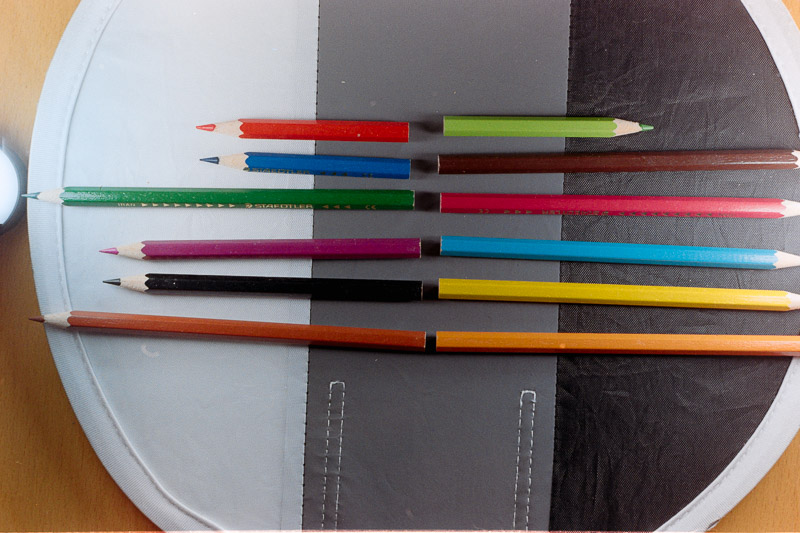
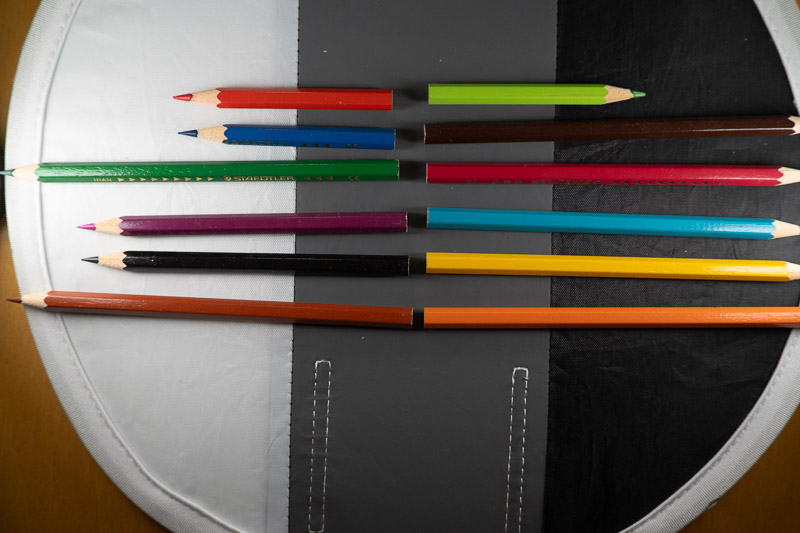
- Color Casts: The film exhibited a natural leaning toward warmer, yellow-gold tones. When color-corrected to achieve neutral whites, the film often developed a bluish tint in the highlights, a common trait of consumer-grade film stocks.
- Contrast and Latitude: The film showed a lower dynamic range than the digital sensor, resulting in a "softer" look that compressed highlights and shadows into a more narrow, manageable band of tones.
- Grain Structure: Unlike digital noise, which is often seen as a technical flaw, the grain of the ColorPlus 200 added a physical texture to the images that observers described as "soulful" and "tangible."
Broader Impact and Market Implications
The continued relevance of film stocks like Kodak ColorPlus 200 reflects a broader trend in the photographic market. Despite the dominance of digital imaging, the "analog revival" has forced manufacturers to maintain production of older emulsion technologies. ColorPlus 200 remains one of the most budget-accessible color films available, making it a gateway for a new generation of photographers interested in heritage documentation.
From a journalistic and archival perspective, the use of film for events like classic car shows serves a dual purpose. It acts as a tribute to the era of the machines being documented, and it creates a physical archive (the negative) that is arguably more durable and future-proof than digital file formats.
Conclusion
The documentation of the Classic Car Heritage event through Kodak ColorPlus 200 highlights the enduring appeal of analog media in a high-tech world. While the film may lack the clinical perfection of modern digital sensors, its grit, warmth, and nostalgic color palette provided a fitting tribute to the automotive icons on display. The event demonstrated that for certain subjects—particularly those rooted in history—the medium is just as important as the message. As the sun set on the exhibition, the soft, grainy images captured on this 1970s-era technology remained as a vivid, "lost-and-found" style archive of a day dedicated to the preservation of the past.