A land of ice is a realm of constant transformation, with new patterns and structures emerging through the clash of natural forces. Renowned wildlife photographer Paul Nicklen’s evocative imagery and personal narrative offer a profound glimpse into the delicate ecosystems of the Arctic and Antarctic, underscoring the urgent need for conservation in the face of escalating climate change. His experiences, shaped by a childhood immersed in the stark beauty of Baffin Island and years spent documenting the planet’s polar extremes, reveal a world of breathtaking artistry and critical vulnerability.
The Ephemeral Artistry of Ice
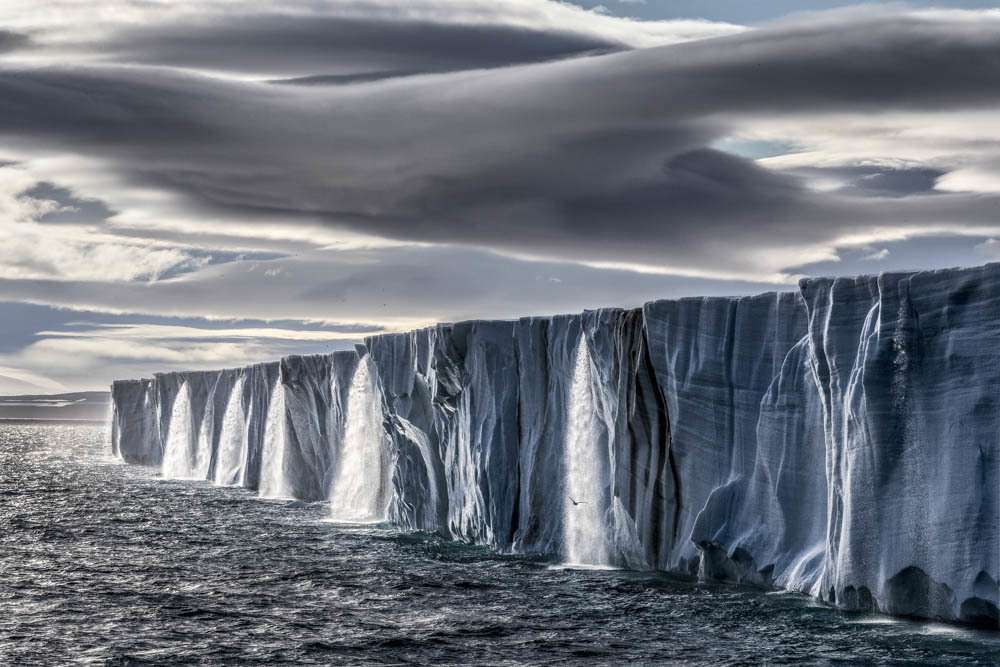
Nicklen’s photographic work, exemplified by pieces like "Ice Waterfall" and "The Last Stand," captures the dynamic and transient nature of polar landscapes. The "Ice Waterfall" image, a powerful composition featuring dark clouds, cascading ice, and the vast Nordaustlandet ice cap, is described by Nicklen as encapsulating "the confluence of art, storytelling, and conservation." This photograph, which has graced the pages of National Geographic and the cover of Pearl Jam’s "Gigaton" album, serves as a poignant visual metaphor for a vanishing Arctic. Its ability to resonate with global audiences, even being utilized by figures like Al Gore in conservation advocacy, highlights the universal appeal and emotional impact of these frozen environments.
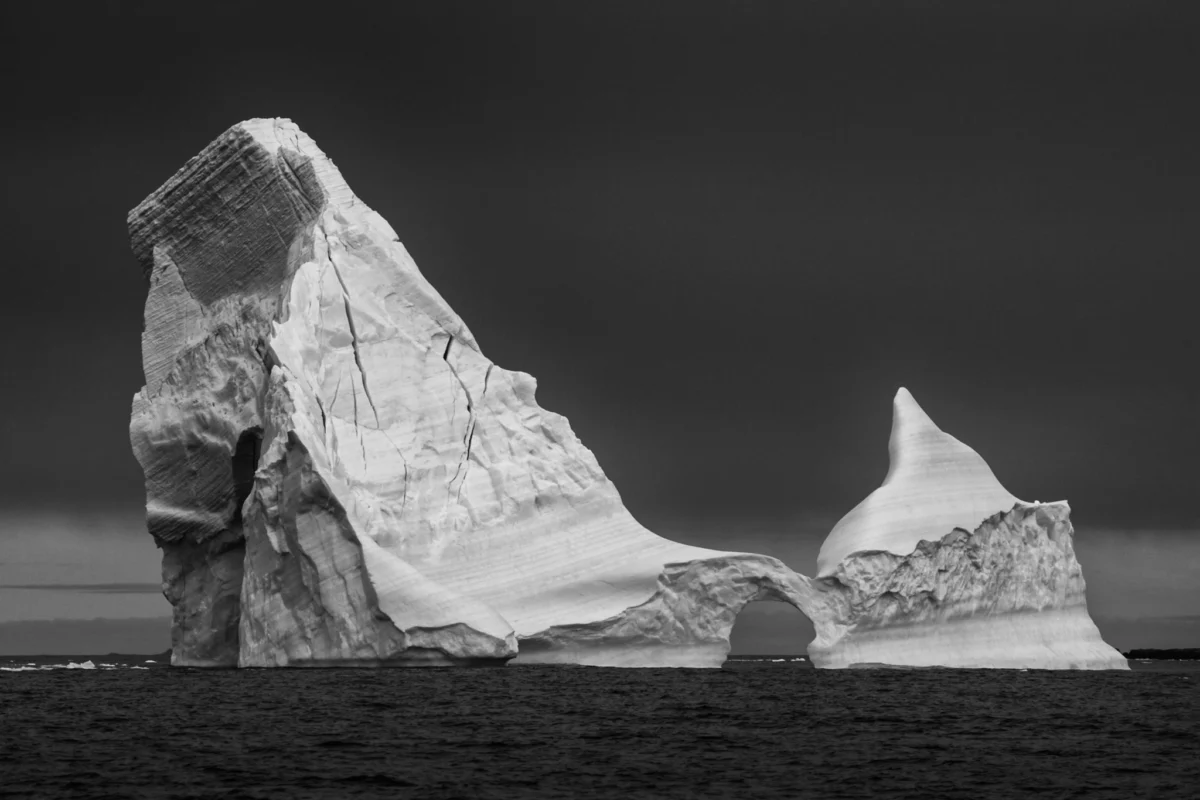
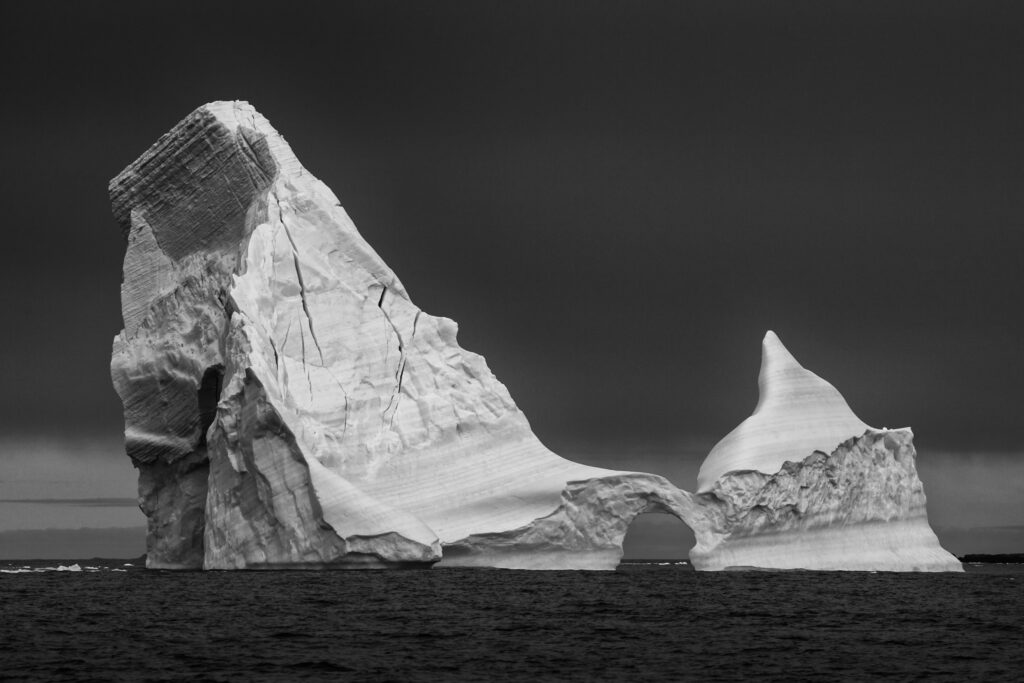
His encounter with a delicate ice arch in Antarctica, vividly recounted in "The Last Stand," further illustrates this ephemeral artistry. As Nicklen meticulously framed his shot, the natural structure, sculpted by "tumultuous seas, long winters, and raging winds," dramatically collapsed into the ocean. This event, described with the visceral sound of "crackling like thunder," underscores the profound power and inherent fragility of these icy formations. These are not static landscapes; they are living, breathing entities constantly reshaped by the relentless forces of nature. The fleeting existence of such formations serves as a stark reminder of the impermanence of even the most seemingly enduring natural wonders.
A Childhood Rooted in the Ice
Nicklen’s lifelong fascination with polar regions is deeply personal, rooted in his childhood on Baffin Island. Moving to this remote Arctic territory at the age of four, he experienced firsthand the profound influence of ice on the environment and its inhabitants. Living in one of the few non-Inuit households in his community, his formative years were spent navigating a frozen world under the guidance of Inuit elders. These experiences, which included learning to track animals, understand ice safety, and endure extreme cold, provided him with invaluable skills that would ultimately shape his career as a National Geographic photographer.
"Despite our remoteness, I felt intimately connected to the vast, untamed world surrounding me," Nicklen reflects, highlighting a profound sense of belonging fostered by his Arctic upbringing. This early immersion instilled in him a deep respect for the resilience of life in extreme environments and a nuanced understanding of the delicate balance within polar ecosystems. The warmth and wisdom of Inuit culture, he notes, have irrevocably shaped his life and his passion for documenting these regions. This personal connection imbues his photography with an authenticity and emotional depth that transcends mere documentation, transforming his work into powerful advocacy for the preservation of these cherished landscapes.
The Ever-Changing Canvas: Photography in Polar Environments
Photographing ice presents a unique set of creative challenges and opportunities. Nicklen explains that light interacts with frozen crystals in astonishing ways, creating an infinite array of intricate patterns and textures. This dynamic quality means that even from the same vantage point, each photograph can capture a distinct moment, a unique play of light and shadow. However, these ever-shifting conditions also pose difficulties. Overcast skies, for instance, can mute the dramatic forms of icebergs, rendering them as featureless masses against a dull horizon.
Despite these challenges, Nicklen finds a profound sense of freedom in the environmental constraints of polar photography. He states, "They urge us to explore creative paths we might never have traversed otherwise, resulting in more compelling images and often a better story behind the frame." This perspective underscores the adaptive nature of both nature and the artist, demonstrating how limitations can foster innovation and lead to more impactful storytelling. The inherent unpredictability of polar environments, while demanding, ultimately contributes to the richness and depth of the resulting visual narratives.
Life’s Resilience in a Harsh Climate
Nicklen’s observations reveal a profound truth about polar ecosystems: life’s ability to thrive in extreme conditions. He notes that even in the depths of polar winters, a hidden reservoir of life exists beneath the snow and within the icy seas. Animals such as seals, polar bears, and various seabird species have not only adapted to the "capricious and unforgiving nature of the frozen world" but have come to rely on its cyclical ebb and flow for their survival. These creatures depend on the ice for critical life stages, including raising their young, hunting for sustenance, and finding mates.
This evolutionary success story, however, is intrinsically linked to the stability of their environment. The very conditions that have fostered their resilience—the presence of sea ice—are now under severe threat. "Somewhere in their evolutionary journey, the harshest aspects of their habitat became the source of their survival and resilience," Nicklen writes. "Sadly, this is also what renders their polar ecosystems so fragile." The diminishing ice cover in the Arctic and Antarctic seas directly imperils the future of some of Earth’s most iconic species, raising profound questions about their long-term survival.
The Unfolding Crisis: Data and Implications
The scientific consensus on climate change unequivocally points to a rapid warming of the polar regions, with impacts far exceeding the global average. The Arctic, in particular, is warming at more than twice the rate of the rest of the planet. This accelerated warming has direct and devastating consequences for sea ice extent and thickness.
Supporting Data:
- Arctic Sea Ice Decline: According to the National Snow and Ice Data Center (NSIDC), the Arctic sea ice extent has been declining at an average rate of 12.6% per decade relative to the 1981-2010 average. The lowest minimum extent on record was observed in September 2012. Projections indicate that the Arctic could be virtually ice-free in summer as early as the mid-21st century.
- Antarctic Ice Sheet Melt: While historically more stable, the Antarctic ice sheet is also experiencing significant melting, particularly in West Antarctica. The Intergovernmental Panel on Climate Change (IPCC) reports that the melting of Antarctic ice sheets contributed to global sea level rise and is projected to contribute more significantly in the future.
- Impact on Wildlife: Research published in journals like "Nature Climate Change" and "Science" consistently links sea ice loss to declining populations of ice-dependent species. Polar bears, for instance, rely on sea ice as a platform for hunting seals. Reduced ice extent means longer fasting periods and increased cub mortality. Ringed seals and walruses also depend on ice for pupping, resting, and avoiding predators.
The implications of this decline extend beyond the immediate threat to polar wildlife. The melting of polar ice sheets is a significant contributor to global sea-level rise, threatening coastal communities worldwide. Furthermore, the Arctic plays a crucial role in regulating global climate patterns. The loss of reflective ice surfaces means more solar radiation is absorbed by the darker ocean, creating a feedback loop that further accelerates warming. Changes in Arctic ice can also influence the jet stream, potentially leading to more extreme weather events in temperate regions.
A Call to Action: Hope for the Future
Despite the sobering reality of climate change and its impact on polar regions, Nicklen maintains a message of hope and agency. He emphasizes the collective responsibility to protect these vital ecosystems and their inhabitants. "Over the decades, I have witnessed the Arctic, my childhood home and the first place where I truly belonged, evolve before my eyes," he states, conveying a deep personal stake in the outcome. This evolution, however, is a cause for concern given the rapid environmental changes.
Nicklen’s plea for action is amplified by his belief in the power of collective effort. "Despite the growing pressures of a warming world, I still feel we can change our course and protect our fellow wildlife – especially with the support of readers like you who share my love for the natural world," he asserts. This sentiment underscores the critical role of public awareness and engagement in driving conservation efforts.
Broader Impact and Implications:
The fate of polar regions is intrinsically linked to the health of the entire planet. The ongoing environmental changes in the Arctic and Antarctic serve as a stark indicator of the broader climate crisis. Successful conservation efforts in these remote yet globally significant areas would not only safeguard unique biodiversity but also contribute to stabilizing global climate patterns and protecting vulnerable coastal populations. The stories captured by photographers like Nicklen are crucial in bridging the gap between scientific data and public understanding, fostering the empathy and urgency required for meaningful action.
The interconnectedness of global ecosystems means that the challenges faced by polar regions are not isolated. They are symptomatic of a larger environmental challenge that requires a unified, global response. International cooperation on climate mitigation, the development of sustainable practices, and increased investment in conservation initiatives are paramount. The call to action, echoed by Nicklen, is for a shared commitment to preserving these extraordinary landscapes and the life they sustain for future generations. The power to alter our course, as he suggests, lies in our collective will and our shared responsibility towards the planet.
With gratitude and hope for a better future,
Paul Nicklen