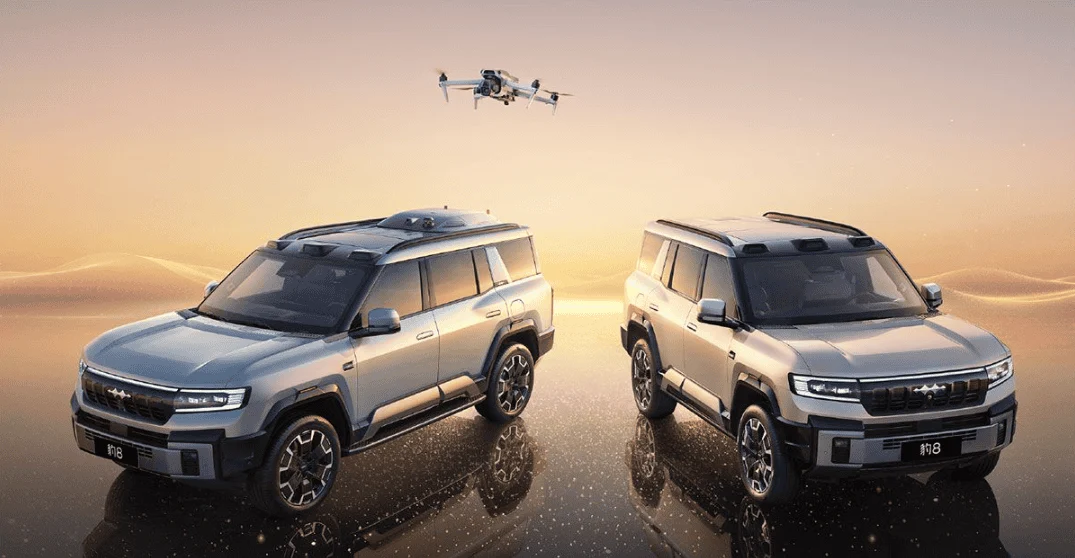
The global automotive landscape is witnessing a historic convergence of terrestrial and aerial technology as BYD, the world’s leading manufacturer of new energy vehicles (NEVs), officially launches its highly anticipated intelligent drone system. Developed in a strategic partnership with DJI, the global leader in civilian drones and aerial imaging technology, this innovation marks the debut of the world’s first vehicle-integrated Unmanned Aircraft System (UAS). This collaboration aims to transcend the traditional boundaries of transportation by embedding sophisticated aerial capabilities directly into the ecosystem of high-end electric vehicles, starting with the luxury Yangwang sub-brand.
The integration represents a significant milestone in BYD’s "Whole Vehicle Intelligence" strategy, which seeks to move beyond simple electrification toward a comprehensive, AI-driven user experience. By combining BYD’s advanced vehicle electronics with DJI’s industry-leading flight control and imaging systems, the two Chinese tech giants have created a platform that offers automated flight, intelligent tracking, and seamless data synchronization. This system is not merely an accessory but a core component of the vehicle’s smart cockpit, designed to enhance travel documentation, environmental monitoring, and situational awareness for drivers and passengers alike.
The Genesis of the Vehicle-Integrated UAS
The partnership between BYD and DJI was first hinted at during the "BYD Dream Day" event held at the company’s headquarters in Shenzhen. During this exhibition, BYD Chairman and President Wang Chuanfu emphasized that the future of the automotive industry lies not just in the transition from internal combustion engines to electric motors, but in the evolution from "dumb" hardware to intelligent, interconnected systems. The development of the vehicle-mounted drone system began as a high-stakes R&D project aimed at solving the logistical challenges of operating a drone while on the move.
Historically, drone enthusiasts who wished to capture footage of their vehicles faced significant hurdles: they had to stop the car, manually deploy the drone, monitor battery levels, and land the aircraft before resuming their journey. The BYD-DJI solution eliminates these friction points through a custom-engineered rooftop storage bay. This bay is aerodynamically integrated into the vehicle’s roof, featuring an automated opening and closing mechanism that allows the drone to take off and land without any manual intervention from the user.
Technical Specifications and Automated Logistics
The intelligent drone system is characterized by its high degree of automation, particularly in its handling of power management and storage. One of the most technologically impressive features of the system is the integrated battery swapping station located within the vehicle’s rooftop compartment. When the drone completes a mission and returns to its bay, the system automatically replaces its depleted battery with a fully charged one from an internal carousel. This ensures that the drone is always ready for immediate deployment, effectively extending its operational window indefinitely as long as the vehicle has power.
The drone itself is a customized version of DJI’s high-performance hardware, optimized for the unique aerodynamic conditions of being launched from a moving or stationary vehicle. Key technical features include:
- High-Resolution Imaging: Equipped with a 4K/60fps camera and a three-axis mechanical gimbal, the drone provides professional-grade cinematography. It utilizes DJI’s latest image transmission technology to provide a low-latency, high-definition feed directly to the vehicle’s internal infotainment screen.
- AI-Powered Tracking: The system utilizes advanced computer vision and artificial intelligence to lock onto the vehicle. It can maintain a steady "follow-me" perspective even at highway speeds, navigating around obstacles using omnidirectional sensing technology.
- One-Click Operations: The user interface is integrated into the BYD "DiLink" intelligent cockpit. Drivers can initiate a "one-click takeoff," "one-click return," or "one-click cinematic capture" through the touchscreen or voice commands.
- Autonomous Navigation: Utilizing high-precision GPS and GLONASS positioning, the drone can calculate the vehicle’s trajectory and adjust its flight path to ensure it remains within a safe and optimal filming range.
Chronology of Development and Launch
The timeline of this innovation reflects the rapid pace of R&D within the Chinese tech sector.
- Q3 2023: Initial rumors surfaced regarding a joint laboratory between BYD and DJI focused on "Low-Altitude Economy" applications for consumer vehicles.
- January 2024: BYD officially showcased the drone-integrated Yangwang U8 SUV at the "Dream Day" technology showcase. The demonstration highlighted the automated battery-swapping mechanism.
- Mid-2024: Field testing was conducted across diverse terrains, including the Gobi Desert and urban environments, to refine the drone’s obstacle avoidance algorithms in high-wind conditions.
- March 2025: The official commercial rollout began, with the drone system offered as a specialized "Aviation Edition" package for the Yangwang U8 and planned future integrations for the Fang Cheng Bao and Denza brands.
Strategic Implications for the Automotive Industry
The launch of the BYD intelligent drone system is more than a luxury gimmick; it is a strategic move in the burgeoning "low-altitude economy." The Chinese government has recently identified the low-altitude economy as a strategic emerging industry, encouraging the development of drones and electric vertical takeoff and landing (eVTOL) aircraft. By being the first to market with a vehicle-integrated system, BYD positions itself at the forefront of this trend.

Industry analysts suggest that this move is a direct response to the increasing homogenization of the EV market. As battery range and charging speeds become standardized across the industry, manufacturers are looking for "software-defined" features to differentiate their products. Competitors such as Xpeng, with its AeroHT flying car division, and Xiaomi, with its deep ecosystem of smart devices, are also exploring the intersection of mobility and flight. However, BYD’s approach—integrating a high-utility drone rather than a full flying car—is seen as a more practical and immediately deployable solution for the current regulatory environment.
Enhancing Safety and Utility Through Aerial Perspective
While the documentation of scenic road trips is a primary selling point, the utility of the BYD drone system extends into safety and reconnaissance. The "aerial perspective" provides drivers with information that terrestrial sensors (cameras, LiDAR, and radar) cannot capture.
- Traffic and Obstacle Scouting: In off-road scenarios, the drone can be sent ahead to scout the terrain, identifying hidden obstacles, water depth, or path blockages that are not visible from the driver’s seat.
- Emergency Response: In the event of a breakdown or accident in a remote area, the drone can be deployed to find the nearest help or to provide a high-altitude signal boost for emergency communications.
- Security Monitoring: When parked, the drone can act as a mobile security guard, performing a perimeter sweep of the vehicle’s surroundings, which is particularly useful for campers and overlanders.
Market Reaction and Regulatory Landscape
The announcement has garnered significant interest from tech enthusiasts and investors. Market analysts at firms like Goldman Sachs and Morgan Stanley have noted that BYD’s ability to successfully integrate hardware from a third party as dominant as DJI speaks to the strength of their software architecture.
However, the launch also brings regulatory challenges to the forefront. Drone flight is strictly regulated in many jurisdictions, with restrictions on flight altitude, "line-of-sight" operations, and "no-fly zones" near airports or government buildings. BYD has addressed this by integrating real-time "geofencing" into the drone’s software. The system will automatically prevent takeoff if the vehicle is located within a restricted area and will notify the driver of local flight regulations via the vehicle’s dashboard.
Furthermore, the safety of operating a drone from a moving vehicle remains a point of discussion among safety advocates. BYD has mitigated these concerns by ensuring the drone’s AI handles the complexities of flight, allowing the driver to remain focused on the road while the passengers manage the creative aspects of the aerial footage.
Broader Impact: The Shift to Intelligent Ecosystems
The collaboration between BYD and DJI serves as a blueprint for future cross-industry partnerships. It signals a shift away from the "siloed" development of automotive technology. In the future, we can expect vehicles to act as "mother ships" for a variety of autonomous sub-systems, including delivery drones, scouting robots, and wearable tech.
This launch also reinforces BYD’s dominance in the high-end segment. By equipping the Yangwang U8—a vehicle already known for its "tank turns" and amphibious capabilities—with a drone, BYD is catering to a demographic that values extreme utility and cutting-edge status symbols. This move is expected to bolster BYD’s brand image in international markets, where it is increasingly seen as a direct rival to premium European and American brands.
Conclusion: A New Dimension of Mobility
As BYD launches its intelligent drone system, the company is effectively adding a third dimension to the driving experience. The integration of DJI’s aerial expertise into BYD’s electric vehicle platform provides a compelling glimpse into the future of "Smart Cockpits." No longer confined to the asphalt, the modern vehicle is becoming a multi-modal command center capable of exploring the world from both the ground and the sky.
This innovation underscores a fundamental truth about the current state of the automotive industry: the race for electrification has evolved into a race for intelligence. With the ability to record, scout, and monitor from the air, BYD has provided its users with more than just a car; they have provided a new way to interact with the environment. As the technology matures and regulatory frameworks adapt, the sight of a drone emerging from a vehicle’s roof may soon become as common as the sight of a GPS map on a dashboard, marking the dawn of a truly integrated era of intelligent transportation.