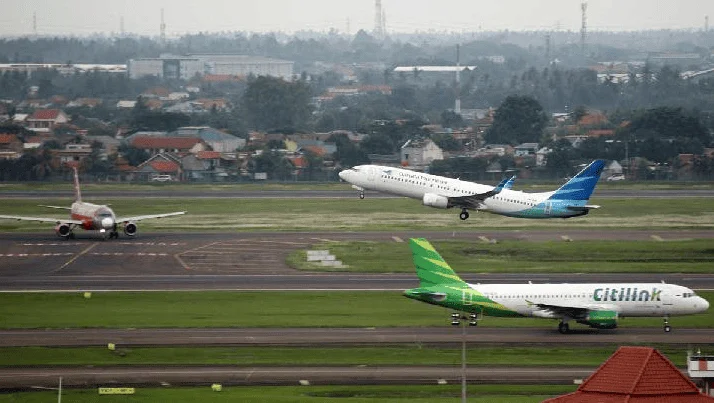
The aviation industry in Indonesia is preparing for a significant surge in air traffic as the Puncak Pergerakan Pesawat Lebaran 2025 is projected to occur on March 22 and March 28, 2025. These dates represent the critical windows for the annual Eid al-Fitr homecoming, known locally as Mudik, and the subsequent return flow. As millions of citizens prepare to travel across the archipelago to celebrate with their families, airport authorities and airline operators are mobilizing resources to manage what is expected to be one of the busiest periods in the history of Indonesian civil aviation. The concentration of travel on these two specific dates underscores the immense pressure placed on the nation’s infrastructure, particularly at major hubs like Soekarno-Hatta International Airport, which serves as the primary gateway for both domestic and international connections.
Strategic Timing and the Chronology of the 2025 Exodus
The identification of March 22 and March 28 as the peak periods for aircraft movement is based on a meticulous analysis of the 2025 lunar calendar and the government’s scheduled collective leave (Cuti Bersama). March 22, 2025, is anticipated to be the zenith of the departure phase. On this day, a massive influx of travelers from urban centers like Jakarta, Surabaya, and Medan is expected to head toward provincial regions. This early surge is attributed to many workers taking advantage of the weekend preceding the official holiday to maximize their time in their hometowns.
Conversely, March 28, 2025, is forecasted as the peak of the return flow (Arus Balik). As the holiday period concludes, a concentrated volume of passengers will attempt to return to the capital and other industrial hubs simultaneously. This synchronization of travel schedules creates a "bottleneck" effect, requiring air traffic controllers and ground handling teams to operate at maximum capacity. The chronology of this movement typically begins with a gradual increase in flight frequency a week prior to Eid, reaching a fever pitch on the 22nd, followed by a brief plateau, and ending with the sharp spike on the 28th.
Statistical Forecasts and Capacity Management
Data provided by aviation authorities suggests that during the Puncak Pergerakan Pesawat Lebaran 2025, Soekarno-Hatta International Airport alone could facilitate over 23,000 aircraft movements throughout the entire holiday period. On the peak days of March 22 and 28, the daily movement count is expected to exceed 1,100 to 1,200 flights per day. This represents a significant increase compared to normal daily operations, which typically hover around 800 to 900 movements.
To accommodate this demand, the Ministry of Transportation, in collaboration with AirNav Indonesia and airport operators like Angkasa Pura, has begun the process of "slot management." This involves the strategic allocation of takeoff and landing times to prevent congestion on runways and taxiways. Airlines have already started filing requests for "extra flights"—additional unscheduled services designed to absorb the excess passenger volume that regular schedules cannot handle. Preliminary estimates indicate that hundreds of extra flight slots will be granted across the nation’s top 15 busiest airports, including those in Yogyakarta, Denpasar, and Makassar.
Infrastructure Readiness and Operational Protocols
In anticipation of the Puncak Pergerakan Pesawat Lebaran 2025, airport operators are focusing on three core pillars: safety, security, and service. Technical readiness is paramount, leading to a series of "ramp checks" conducted by the Directorate General of Civil Aviation. These inspections ensure that every aircraft slated for service is airworthy and that ground support equipment is fully functional.
At the terminal level, the "Integrated Lebaran Transport Post" (Posko Lebaran) will be established. These command centers serve as the nerve center for real-time monitoring, bringing together representatives from the military, police, airport health offices, and airline management. The goal is to provide a rapid response to any operational disruptions, ranging from technical delays to medical emergencies. Furthermore, baggage handling systems are being stress-tested to ensure they can manage the projected 30% increase in luggage volume without causing significant delays at arrival carousels.
Airline Strategies and Pricing Regulations
For airlines, the Puncak Pergerakan Pesawat Lebaran 2025 presents both a massive revenue opportunity and a complex logistical challenge. Major carriers such as Garuda Indonesia, Citilink, Lion Air Group, and Indonesia AirAsia are optimizing their fleet utilization. Maintenance schedules are being adjusted to ensure that the maximum number of aircraft are available for service during the last two weeks of March.
In terms of pricing, the government maintains a strict "Price Ceiling" (Tarif Batas Atas) policy to protect consumers from price gouging during this high-demand period. While ticket prices naturally gravitate toward these ceilings during the peak dates of March 22 and 28, airlines are encouraged to offer "early bird" promotions for off-peak hours, such as late-night or early-morning flights. This strategy helps distribute the passenger load more evenly across the day, reducing the strain on airport facilities during the preferred midday travel windows.
Factors Driving the 2025 Travel Surge
Several socio-economic factors contribute to the projected intensity of the Puncak Pergerakan Pesawat Lebaran 2025. First is the continued recovery and growth of the middle-class economy, which has increased the affordability of air travel for a larger segment of the population. For many, the speed and comfort of a two-hour flight outweigh the grueling 12-to-20-hour journeys required by land or sea, especially when traveling to islands outside of Java.
Second, the expansion of airport infrastructure in secondary and tertiary cities has made air travel more accessible. New airports and upgraded runways in regions like West Sumatra, North Sulawesi, and East Kalimantan allow for direct flights from Jakarta, bypassing the need for multiple transfers. Lastly, the psychological importance of the "Mudik" tradition remains a powerful driver; after years of various travel restrictions in the early 2020s, the desire for physical presence during religious festivities has seen a permanent resurgence.
Security and Health Considerations in a High-Volume Environment
Security protocols during the Puncak Pergerakan Pesawat Lebaran 2025 will be significantly heightened. Aviation security (Avsec) personnel will be augmented by additional forces to ensure thorough screening of passengers and cargo. With the high density of people in terminal buildings, surveillance systems—including AI-integrated CCTV—will be utilized to monitor crowd movement and identify potential security threats or safety hazards.
While the global health landscape has stabilized, Indonesian authorities remain vigilant. Thermal scanners may be deployed at key entry points, and airports will maintain high standards of cleanliness and sanitation. The objective is to ensure that the high-density environment does not become a catalyst for the spread of seasonal illnesses, ensuring that travelers reach their destinations in good health.
Passenger Experience and Amenities
Recognizing that long wait times are inevitable during the Puncak Pergerakan Pesawat Lebaran 2025, airport authorities are focusing on passenger comfort. Enhanced Wi-Fi capabilities, additional seating in boarding lounges, and the mobilization of "mobile assistants"—staff equipped with tablets to help passengers with check-in and information—are being implemented.
For families traveling with children and the elderly, special assistance zones and priority boarding lanes will be strictly enforced. Food and beverage vendors within the terminals are also being instructed to maintain adequate stock levels and provide a range of pricing options to accommodate all traveler demographics. The "Customer Experience" (CX) teams are tasked with ensuring that even during peak congestion, the atmosphere remains orderly and informative.
Expert Analysis: The Economic Impact
Economists suggest that the Puncak Pergerakan Pesawat Lebaran 2025 will serve as a major catalyst for regional economic growth. The "money flow" from urban centers to rural areas during this period is estimated to be in the trillions of rupiah. Air travel plays a crucial role in this by facilitating the movement of high-spending travelers who contribute to local tourism, hospitality, and retail sectors in their hometowns.
Furthermore, the aviation sector’s performance during this period is often viewed as a barometer for the health of the national economy. A successful management of the March peaks, characterized by minimal delays and high safety standards, bolsters investor confidence in Indonesia’s transport and logistics infrastructure.
Essential Advice for Travelers During the Peak Period
To navigate the Puncak Pergerakan Pesawat Lebaran 2025 successfully, passengers are advised to adopt a proactive approach to their travel plans. Industry experts recommend the following:
- Digital Integration: Utilize airline mobile apps for check-in 24 hours in advance to bypass long queues at the airport.
- Early Arrival: Arrive at the airport at least three to four hours before domestic departures and five hours for international flights to account for heavy traffic on access roads and longer security lines.
- Weight Compliance: Strictly adhere to baggage allowances to avoid time-consuming transactions at the check-in counter.
- Document Readiness: Ensure that identification and boarding passes are easily accessible, preferably in digital format, to speed up the boarding process.
- Flexible Scheduling: If possible, consider traveling a day before or after the predicted peaks of March 22 and 28 to experience lower terminal density and potentially lower fare costs.
Conclusion and Future Outlook
The Puncak Pergerakan Pesawat Lebaran 2025 represents a monumental logistical undertaking that requires seamless coordination between the government, state-owned enterprises, and private airlines. By identifying the peak dates of March 22 and March 28 early, stakeholders have been given the necessary lead time to fortify the aviation ecosystem. The success of this period will be measured not just by the number of passengers moved, but by the safety, efficiency, and dignity with which they are treated. As Indonesia continues to modernize its aviation sector, the lessons learned from the 2025 Lebaran season will undoubtedly inform the development of future infrastructure and policy, ensuring that the nation remains connected and resilient during its most significant cultural events.