Owls, with their enigmatic nocturnal lives, piercing gazes, and silent flight, have long captivated human imagination, embodying wisdom, mystery, and an untamed wildness. This intrinsic allure fuels a profound desire to understand and connect with these fascinating raptors. Owl photography serves as a powerful medium to showcase their captivating characteristics, inherent beauty, and graceful demeanor, thereby deepening our collective fascination and appreciation. Beyond mere aesthetics, compelling photographs of owls play a crucial role in raising awareness about these creatures, often highlighting their vulnerability and the imperative for conservation.
The Global Fascination and Conservation Imperative
The universal appeal of owls transcends cultures and geographies. From ancient mythologies where they symbolize knowledge and intuition to modern popular culture, their distinctive appearance and elusive nature have cemented their place as iconic figures in the natural world. This widespread fascination, however, must be tempered with a profound sense of responsibility, particularly for those who venture into their habitats with cameras. Wildlife photography, and specifically owl photography, has evolved beyond simply capturing an image; it has become an act of observation that, when practiced ethically, can contribute significantly to scientific understanding and public education. Conservation organizations worldwide continually emphasize that respectful interaction with wildlife is paramount, ensuring that the pursuit of a photograph never compromises an animal’s well-being or natural behavior. The growing community of ethical wildlife photographers actively supports these principles, understanding that the long-term health of owl populations is far more valuable than any single image.

Mastering the Hunt: Locating Elusive Owls
Successfully photographing owls hinges on a thorough understanding of their ecology and behavior. These birds are found across nearly every continent and in a remarkable array of environments, from the dense, ancient forests of the Pacific Northwest to the arid expanses of the desert, the open plains, rugged canyons, and even the frozen tundra. Remarkably, some species have adapted to thrive in densely populated urban centers, demonstrating their resilience and adaptability. Their presence is not limited by season, offering year-round opportunities for dedicated photographers.

The diversity in owl habitats is matched only by the variation in species-specific requirements. While certain owls, like the Great Horned Owl, exhibit broad adaptability, flourishing across multiple biomes, others, such as the Spotted Owl, are highly specialized, confined to specific forest types. Many species also undertake seasonal migrations, driven by factors like food availability, snow depth, population dynamics, and broader climatic shifts. This ecological complexity means that owls, while globally distributed, are not always easy to find. However, this also presents an exciting challenge for photographers: with diligent research, there’s a high probability of discovering owl species living surprisingly close to home.
The first step in any successful owl photography endeavor is comprehensive research into the owl species indigenous to your region. Numerous free resources, including online databases from ornithological societies, local birding group forums, and library collections, can provide invaluable insights into local owl populations. Understanding their relative abundance is a good starting point, but rarity does not always equate to difficulty in finding. Other critical factors include their feeding habits (what they eat and when), their activity patterns (nocturnal, diurnal, crepuscular), migratory routes, camouflage capabilities, and breeding behaviors. For instance, the Great Horned Owl, a large and relatively common species across North and Central America, is notoriously difficult to spot due to its exceptional camouflage and preference for dense roosting spots. Similarly, the Tawny Owl, prevalent throughout Europe, is often overlooked by casual observers owing to its secretive nature and cryptic plumage. Equipping oneself with this specialized knowledge dramatically increases the chances of a successful encounter.

Behavioral Cues and Ethical Fieldcraft
While most owl species are predominantly nocturnal, many become notably active during the golden hour around sunset, making this a prime time for observation. A key aid in locating them is listening intently for their characteristic calls or hoots as dusk settles. Regular outings dedicated solely to listening can help train the ear to discern their presence. Visually, the challenge lies in differentiating an owl from its surroundings. Scanning trees for any unusual shape that doesn’t quite blend with the branches, or seeking out silhouettes against the fading sky, can be effective. Owls often roost at least halfway up a tree, typically on larger branches close to the main trunk, moving towards the outer edges as evening progresses to begin their hunt. These habits, however, can vary by species, underscoring the importance of specific behavioral knowledge. With consistent practice, a photographer’s eye and mind become attuned to instinctively recognizing potential owl forms in the arboreal canopy.

Persistent observation of a particular area where owls have been heard often yields repeated sightings. Owls that call at the start of the night usually haven’t strayed far from their daytime roosts. If a local food supply is abundant, an owl might utilize the same tree or even the same branch for days or weeks. Returning to such locations during daylight hours to search dense tree stands that offer good cover from above can be highly productive.
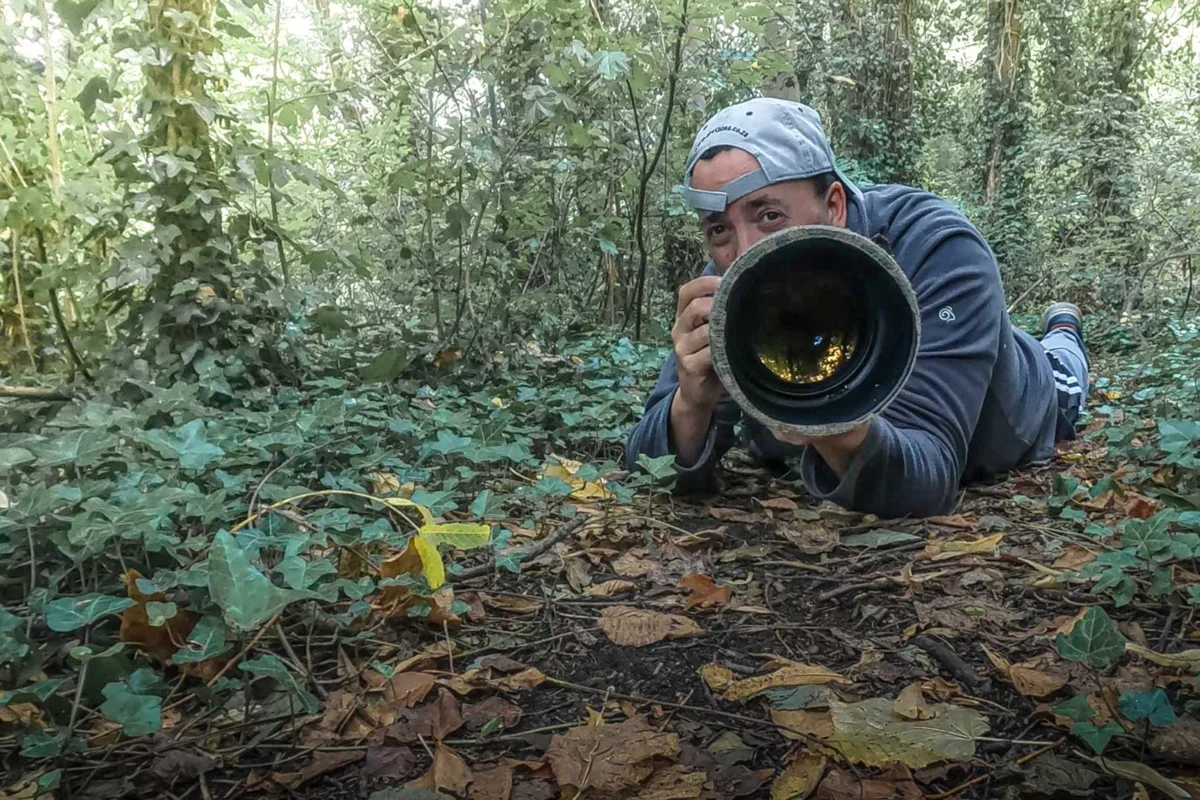
However, the utmost caution and ethical responsibility must be exercised to avoid disturbing owls during their crucial resting and sleeping hours. Wildlife photography guidelines, advocated by leading conservation bodies like the National Audubon Society and the National Wildlife Federation, strongly advise maintaining a respectful distance—typically 75 to 100 feet. If an owl exhibits any signs of nervousness, such as head bobbing, pupil dilation, or shifting posture, the photographer is too close and must immediately retreat. Pressure from human presence can cause significant stress, leading an owl to abandon its roost, or in severe cases, even its nest. Using a long telephoto lens from a safe distance is always preferable to approaching closely or pointing a camera directly upwards from beneath the bird, which can be perceived as a threat. The goal is to capture natural behavior, not to provoke a reaction.

Further signs of owl presence include "whitewash" – droppings on branches or the ground beneath a roost – which is particularly noticeable for communal roosters like long-eared owls in winter. The discovery of "owl pellets" – undigested food regurgitated through their beaks – is another strong indicator of a regular roosting spot. These tell-tale signs confirm an owl’s routine presence without requiring direct visual contact.
While many owls are nocturnal, a select few species, such as the Burrowing Owl, Northern Hawk Owl, Little Owl, Pearl-spotted Owlet, and various pygmy owls, are predominantly diurnal, actively hunting during daylight hours. These species often rely heavily on eyesight for hunting and may be seen perched openly, scanning the landscape for prey. Other species that balance both sight and hearing may be active during dawn and dusk. Knowing these species-specific patterns allows photographers to optimize their time and energy, maximizing the chances of capturing diverse behaviors. Patience remains a cardinal virtue in owl photography; it is not uncommon for dedicated photographers to spend a full year locating their target species and additional time refining their photographic techniques. When personal efforts fall short, hiring a local wildlife guide, especially one specializing in photography, can provide invaluable assistance, offering local knowledge of recent sightings and understanding the specific needs of a wildlife photographer. Additionally, understanding the nuances of owl migration, driven by environmental factors, can inform when and where to best pursue certain species.

The Photographer’s Arsenal: Essential Equipment for Owl Encounters
Effective owl photography requires specialized equipment tailored to the challenges of capturing these elusive birds, particularly in low-light conditions and from a distance.

Lenses: A long telephoto lens is indispensable. For most situations involving perched owls, a focal length ranging from 300mm to 600mm is often necessary to maintain the recommended safe distance of 75-100 feet while ensuring the owl remains the primary subject within the frame. This distance, combined with the lens’s compression, also allows photographers to create images that give the illusion of being at eye level with the owl, producing a more engaging and respectful portrait than a steep upward angle.
Aperture: Lenses with wide maximum apertures are crucial, given that owl photography frequently occurs during low-light periods, particularly around sunset or for flight shots. An f/2.8 lens is ideal for its superior light-gathering capabilities and ability to create creamy bokeh, but its cost can be prohibitive. Lenses with maximum apertures of f/4 or f/5.6 are also highly effective. When photographing owls, the strategy is typically to set the lens to its widest aperture initially to maximize light intake, allowing for faster shutter speeds crucial for freezing motion. As ambient light improves, the aperture can be stopped down to increase the depth of field if desired, provided sufficient light allows for a maintainable shutter speed.

Stability: While not always strictly necessary, a sturdy tripod significantly enhances image sharpness and comfort, especially during extended periods of waiting. Owls are often static when not actively hunting, making a tripod ideal for supporting heavy camera and lens combinations. This stability also frees the photographer to observe and anticipate unique movements. A monopod offers a more portable alternative, providing support while retaining some flexibility for quick repositioning. Many experienced photographers utilize a tripod for static perched shots, then detach the camera for handheld shooting when anticipating flight, ensuring readiness for dynamic action.
Remote Shutter Release: For low-light conditions demanding slower shutter speeds, a remote shutter release (either wired or wireless) is a valuable accessory. It eliminates camera shake caused by manually pressing the shutter button, ensuring sharper images.

Camera Body: While not explicitly detailed, a camera body with excellent high-ISO performance and a fast, accurate autofocus system is highly advantageous. These features enable cleaner images in challenging light and better tracking of subjects in motion.
Capturing the Essence: Unique Owl Characteristics

Owls possess a suite of distinctive anatomical features and behaviors that offer unique photographic opportunities, allowing photographers to create images that stand apart from those of other avian species.
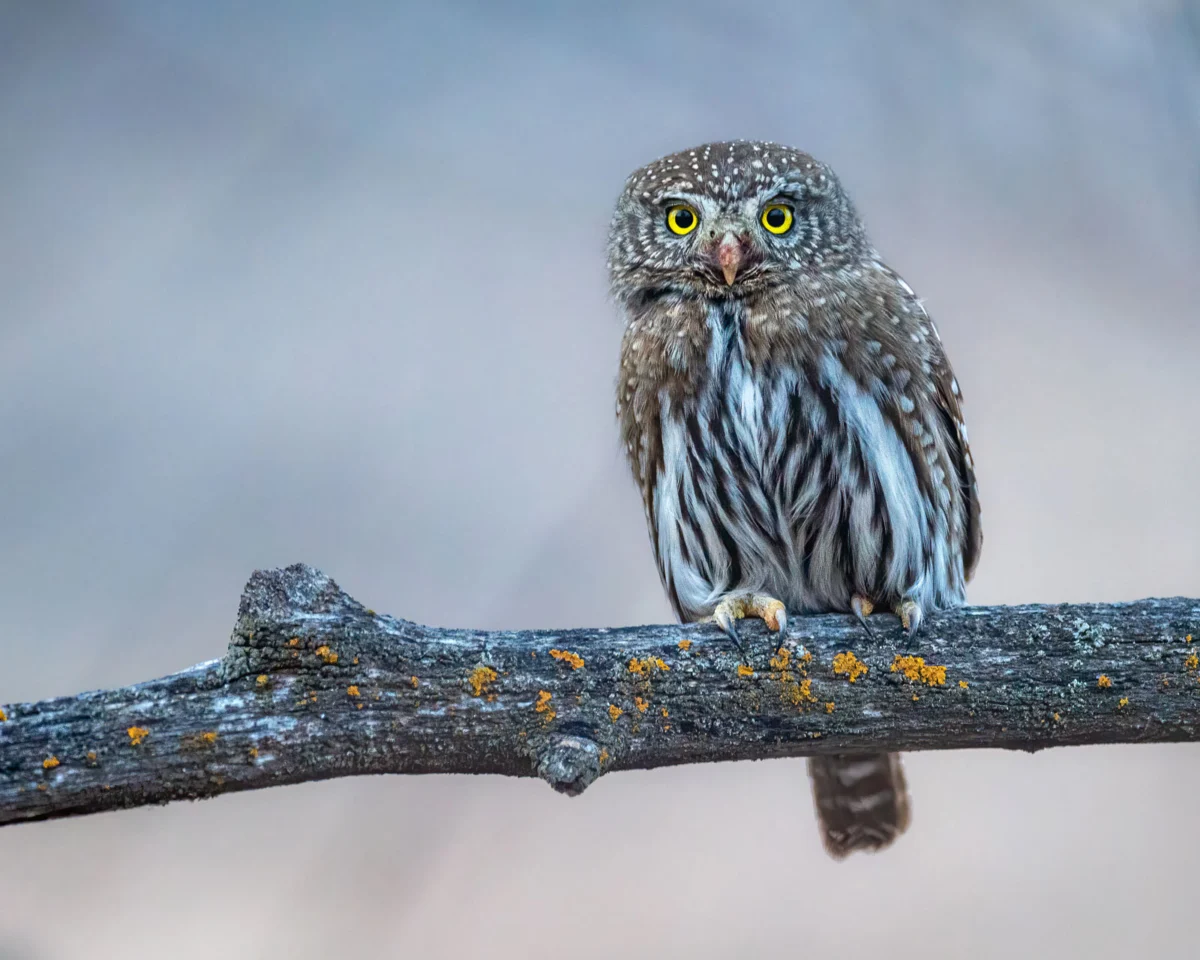
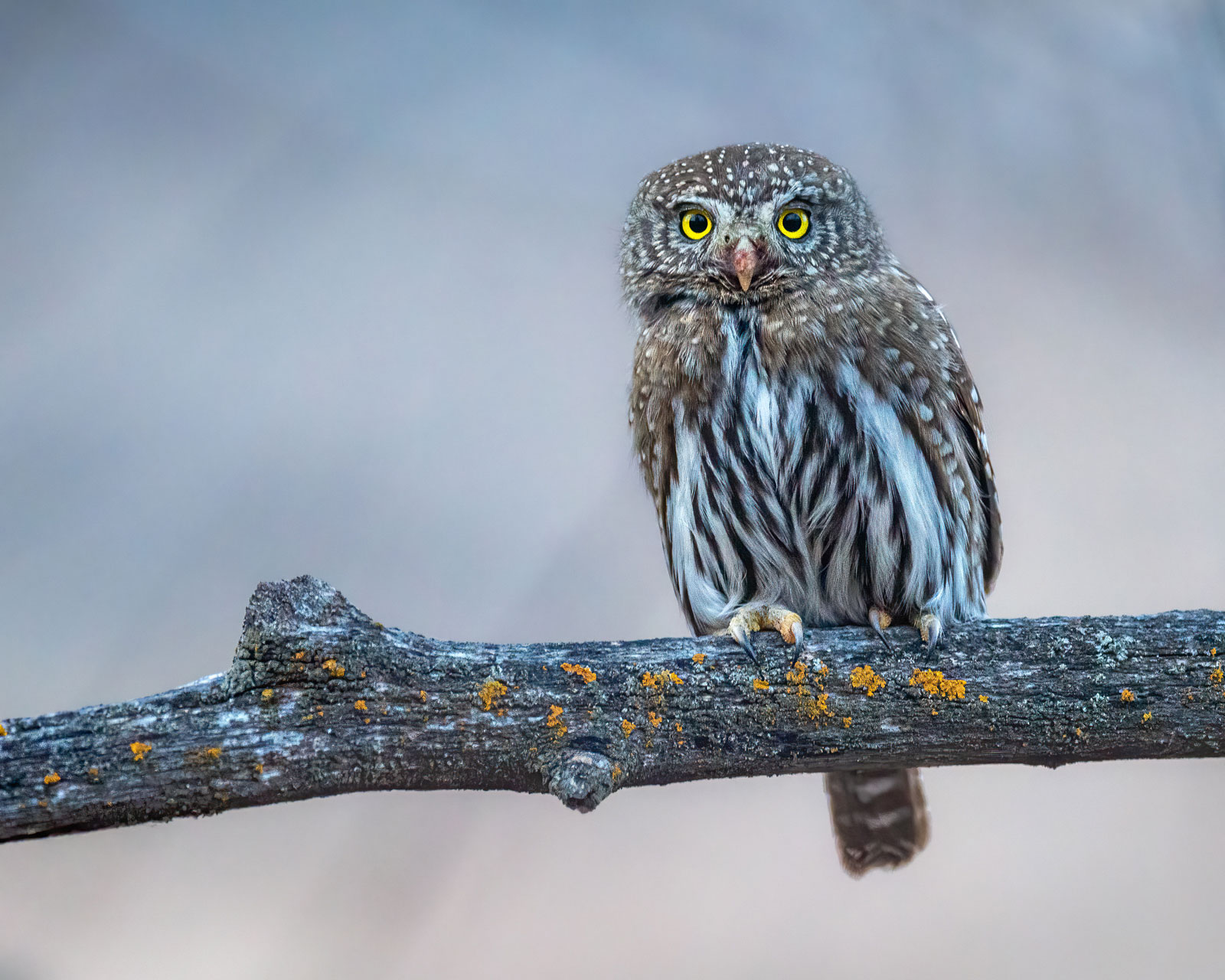
The Expressive Face: Most owls feature prominent facial discs, concave structures of stiff feathers that act like satellite dishes, funneling sound to their ears and significantly enhancing their hearing. Photographically, these discs frame the owl’s face and eyes, creating a powerful central point of interest. The eyes, typically on the same focal plane as the facial disc, are usually sharp, drawing the viewer into the image. Photographers should leverage this strong feature, positioning the owl’s face within the frame to balance other compositional elements and convey the bird’s unique intensity.

Hidden Agility: Legs and Talons: A surprising characteristic for many is the length of an owl’s legs, often concealed beneath their dense plumage. Species like the Short-eared Owl reveal remarkably long legs during flight or when striking prey. Capturing these moments, where the owl’s powerful talons are exposed and utilized, adds a dynamic and often comical element to photographs, illustrating their predatory prowess. Being ready with continuous shooting is key, as these moments are fleeting.
Wings of Silence: Owls are renowned for their almost silent flight, a result of specialized feather structures that dampen sound. Their wingspans are impressively wide relative to their body size, showcasing immense power and grace in motion. When capturing owls in flight, photographers should aim to freeze moments where the wings are fully outstretched, emphasizing their grandeur. Opportunities for backlighting, where the sun shines through the translucent flight feathers, can create ethereal and captivating effects, highlighting the intricate structure of their wings.

Compositional Mastery: Perched Portraits and Dynamic Flight
Beyond equipment, thoughtful composition transforms a simple snapshot into a compelling piece of art.

The Art of the Perch: An owl perched in a forest or open landscape offers myriad compositional possibilities. While the scene may appear static, dynamic elements can be incorporated. When an owl is found resting in a secluded spot, the priority is to avoid disturbance. Instead, repositioning subtly to find the best line of sight that minimizes distractions in the background is crucial. Forests often present cluttered backgrounds that detract from the subject. The goal is a smooth, non-distracting backdrop, which may require compromise and experimentation with different vantage points. Consideration should also be given to the foreground, either as a compositional element that frames the owl or as a blurred layer that hides visual clutter further back. Once sufficient images of a resting owl are captured, backing away allows the owl to decide if it will begin hunting naturally.
An alternative approach is to photograph the owl as a smaller element within a broader environmental portrait. A wider forest scene, with the owl acting as an accent, can be intriguing, provided the overall scene is aesthetically pleasing and free of harsh highlights or excessive clutter. A shorter telephoto lens, such as a 70-200mm, can be effective for such shots.

Owls don’t always perch high; many, like Long-eared Owls, often perch just a few feet above the ground, up to about ten feet. Low-perched owls offer excellent eye-level perspectives but tend to be more skittish. Similarly, owls on the ground after catching prey are vulnerable and require even greater distance and stillness from the photographer. Granting them ample space allows them to rest and behave naturally, leading to more authentic and rewarding images.
Consider the contrast between the owl and its background. A lighter-toned owl against a dark, forested background can be striking. Camera settings should prioritize correct exposure for the highlights, ensuring they remain bright but not blown out, which often renders the background dark and featureless. This minimalist approach can create powerful, focused images with minimal post-processing needed. Repositioning the camera frame to include or exclude supporting compositional elements, such as a prominent branch that balances the owl on the opposite side, can transform a distracting element into a supportive one, guiding the viewer’s eye to the main subject.

Action in the Air: Flight Photography: Capturing owls in flight demands patience and anticipation. When owls are observed around sunset, their nightly hunt is imminent. To prepare for flight shots, photographers should increase their distance from the owl. An owl’s broad wingspan requires more space in the frame to avoid clipping, and increased distance also makes the owl more comfortable, potentially leading to it flying towards the photographer. It is imperative never to use baiting techniques to attract owls or induce unnatural hunting behavior, as this practice is unethical, creates dependency, and produces inauthentic images.
Understanding species-specific hunting behaviors is key. Great Grey Owls, for example, are known for their quick, silent drops from perches to capture prey on the ground, while Short-eared Owls perform graceful, buoyant flights over open fields. Knowing these patterns helps predict flight paths and behaviors. When an owl is actively hunting, it typically remains on perches for several minutes, allowing time for slow, careful repositioning for an unobstructed view and a cleaner background. Owls often fly from tree to tree in search of prey, making their general direction somewhat predictable and offering opportunities for flight shots, and with luck, images of them capturing prey.

For sharp flight shots, a fast shutter speed, typically 1/1600th of a second or faster, is recommended. Slower speeds may work with practice, potentially introducing a pleasing motion blur to the wings while keeping the head sharp. Larger owls generally fly slower and more predictably than smaller raptors. When the owl takes flight, continuous shooting (burst mode) is essential, capturing the erratic yet graceful movements and interesting wing positions, especially during changes in direction.
Framing Your Vision: Image Orientation Choices

A critical decision in the field is selecting the appropriate image orientation – horizontal, vertical, or square. This choice should be guided by the "energy flow" of the scene and the story you wish to tell. If an owl is captured in horizontal flight, moving across the frame, a horizontal orientation naturally conveys motion and provides ample space for the bird to move into. Conversely, a tall, stately owl perched vertically, perhaps with interesting branches or sky above and below, might be best showcased in a vertical frame, emphasizing its stature and the environment. A square orientation can be highly effective for symmetrical, straight-on portraits of owls, where the direct gaze and balanced composition create a powerful, intimate connection. Experimenting with different orientations in the field and exploring compositional cropping options in post-processing software allows for creative flexibility and ensures the most impactful representation of the moment.
The Broader Impact: Photography for Conservation and Awareness

Ultimately, the journey of owl photography extends far beyond the technical aspects of camera settings and lens choices. It is a profound immersion into the natural world, a lesson in patience, observation, and respect. The time spent searching for owls, learning their calls, understanding their habitats, and patiently waiting for a fleeting glimpse is often as rewarding as capturing the photograph itself. This deep engagement fosters a personal connection with these magnificent creatures and their environment.
The resulting photographs, when ethically obtained, serve as powerful tools for conservation, inspiring others to appreciate and protect owls and their increasingly fragile habitats. By showcasing their beauty and unique behaviors, photographers contribute to a greater public understanding and advocacy for wildlife. If approached with reverence for their space and a commitment to their silence, owls will often reward the dedicated photographer with extraordinary and unique opportunities, creating memories and images that resonate long after the encounter, reinforcing the critical role of responsible wildlife photography in safeguarding our natural heritage.