This week’s episode of The Grid, a prominent online talk show dedicated to photography education and industry insights, brought together esteemed hosts Scott Kelby and Erik Kuna with special guest John Dukes for a candid discussion on the persistent frustrations and quirks within the photography industry. The session, which aired as Episode 681, served as both a therapeutic outlet for common grievances and a critical examination of the challenges faced by professional and aspiring photographers alike. Beyond the spirited debate, the episode also featured a significant revelation: a sneak peek at an unreleased, powerful natural-language search feature for Adobe Lightroom, signaling a major advancement in photo management technology.
The Grievance Session: A Deep Dive into Photographer Frustrations
The core of the episode resonated deeply with its audience, as the panel systematically addressed a range of issues that frequently plague photographers. This "airing of grievances" provided a platform for industry veterans to voice concerns often felt in isolation, fostering a sense of community and shared experience among viewers. The discussions were punctuated with both humor and serious reflection, underscoring the universal nature of these challenges.
The Economic Realities of "Exposure" and Undervalued Work:
One of the most contentious points tackled was the pervasive request for photographers to work for "exposure" rather than monetary compensation. This practice, unfortunately common in the burgeoning gig economy, was highlighted as a significant devaluation of creative labor. For many freelance photographers, who often operate as small business owners, foregoing payment can be detrimental to their livelihood. Industry reports frequently indicate that securing fair compensation remains a primary struggle for creative professionals. According to a 2023 survey by the Freelancers Union, a significant percentage of freelancers, including photographers, report difficulty in receiving timely and adequate payment for their services, with many facing pressure to accept lower rates or non-monetary "benefits" like exposure. The panel emphasized that while exposure can sometimes be a byproduct of successful work, it is rarely, if ever, a substitute for professional fees, which cover equipment costs, time, expertise, and business overhead.
Closely related to this was the issue of clients requesting RAW files. The panel meticulously explained that delivering finished, edited images is a fundamental aspect of a photographer’s professional service. RAW files represent an unfinished product, akin to a chef providing raw ingredients instead of a cooked meal. Releasing RAW files can undermine a photographer’s artistic control, intellectual property, and potential future revenue from their work, as the client could then modify or distribute the images without proper attribution or further compensation for the photographer’s full creative input. This practice often stems from a misunderstanding of the photographic workflow and the value added during the post-production phase.
Navigating the Digital Landscape: Critiques, Tribalism, and the "Pro" Myth:
The digital age, while democratizing photography, has also introduced new forms of friction. Unsolicited critiques, particularly on social media platforms, were a major point of discussion. While constructive feedback is invaluable for growth, the internet often fosters an environment where unqualified individuals offer harsh, unhelpful, or even abusive criticism. This can be particularly disheartening for emerging photographers and can contribute to creative blocks or self-doubt. The panel advocated for a culture of respectful engagement and the understanding that artistic interpretation is subjective.
Gear tribalism, the often-heated debate over camera brands and equipment, was another grievance aired. The industry has long seen fierce loyalty and sometimes animosity between adherents of different camera systems (e.g., Canon vs. Nikon, Sony vs. Fuji). The hosts pointed out that while equipment plays a role, an overemphasis on gear often detracts from the true elements of great photography: light, composition, storytelling, and the photographer’s vision. This tribalism can create an unwelcoming atmosphere for newcomers and perpetuate the myth that expensive equipment is the sole determinant of quality work.
This leads directly to another significant frustration: the instant "pro" branding facilitated by accessible technology and social media. With the proliferation of advanced, user-friendly cameras and smartphones, coupled with platforms like Instagram and TikTok, many individuals can quickly present themselves as professional photographers without the requisite experience, technical mastery, or business acumen. This phenomenon can dilute the perceived value of professional photography, making it harder for seasoned professionals to differentiate themselves and compete against those who may charge significantly less due due to lower overheads or a lack of understanding of industry standards. The panel stressed that true professionalism encompasses not just technical skill but also ethical practice, client management, and a deep understanding of the craft.
Finally, the enduring myth that "better cameras automatically make better photographers" was debunked. This pervasive misconception often misdirects aspiring photographers into endless gear upgrades, neglecting the fundamental principles of photography that truly elevate images. The hosts, drawing on decades of collective experience, reiterated that a photographer’s eye, understanding of light, composition, and post-processing skills are far more critical than the brand or price tag of their equipment. The episode also touched lightly on everyday "fast-food frustrations," a relatable element that underscored the minor irritations that can compound the larger professional grievances.
Innovation Unveiled: Lightroom’s AI-Powered Search Revolution
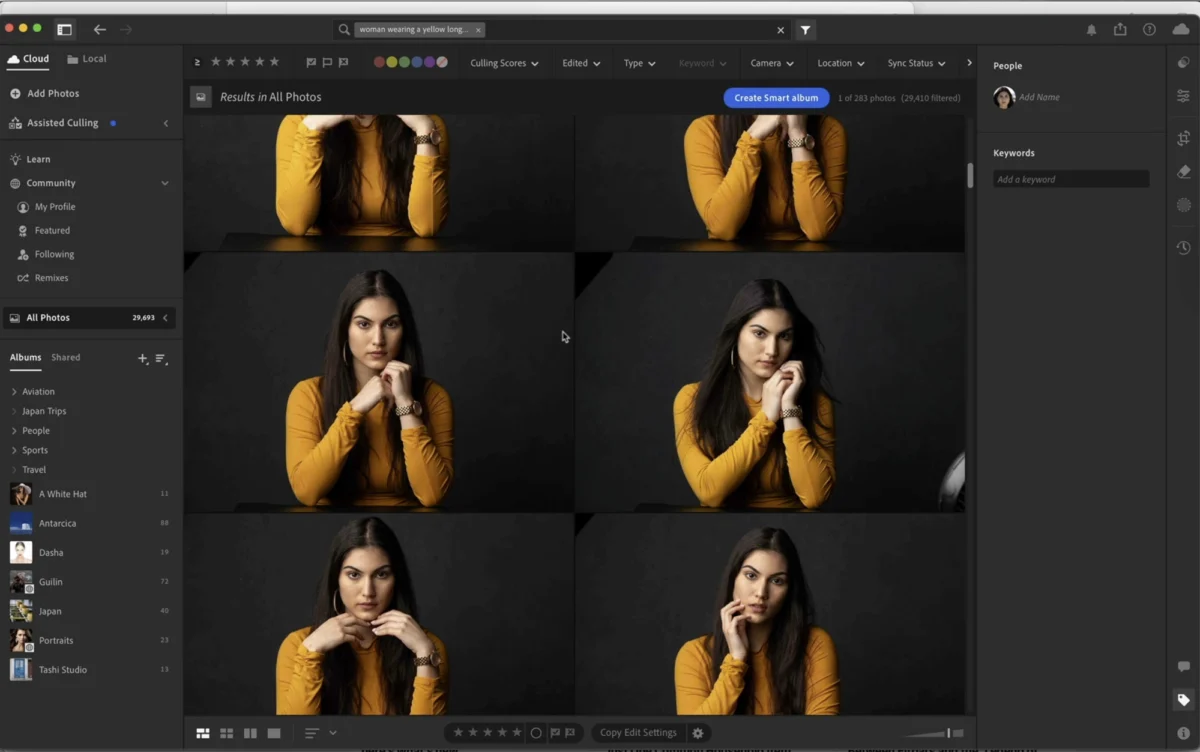
Amidst the therapeutic venting, Scott Kelby provided a highly anticipated sneak peek at an unreleased Adobe Lightroom cloud feature: a powerful natural-language search tool. This innovation represents a significant leap forward in photo asset management and promises to revolutionize how photographers interact with their extensive digital archives.
The Natural-Language Search Tool: How It Works:
Kelby demonstrated a feature that allows users to locate images within their cloud-stored Lightroom library using highly descriptive, conversational phrases rather than relying solely on traditional keywords, tags, or file names. Imagine searching for "photos of my dog wearing a red sweater in the park during autumn" or "pictures of people riding bicycles on a sunny day." The system, leveraging advanced artificial intelligence and machine learning algorithms, can interpret these complex queries and identify relevant images by analyzing their visual content. This capability extends to highly specific details, such as "stormtroopers at a convention" or "rows of olive oil bottles in a rustic setting," showcasing the impressive granularity of its recognition abilities.
Impact on Workflow and Archival Management:
The implications of such a tool for photographer workflow and archival management are profound. Traditionally, organizing large photo libraries has been a laborious and time-consuming task, often requiring meticulous manual tagging and keyword application. Many photographers have vast archives with countless images that are difficult to locate without precise metadata. This natural-language search feature promises to dramatically reduce the time spent searching, making previously "lost" or hard-to-find images instantly accessible. For professionals managing hundreds of thousands, or even millions, of images from diverse projects, this efficiency gain could translate into significant productivity improvements and enhanced client service. It democratizes access to one’s own archive, allowing for more spontaneous and intuitive retrieval of specific shots for various purposes.
The Cloud Imperative and Future Directions:
It was noted that this feature is currently available only for cloud-stored images within Lightroom. This highlights Adobe’s ongoing strategic push towards cloud-centric workflows, emphasizing the benefits of centralized storage, accessibility across devices, and the computational power of cloud infrastructure for AI processing. The reliance on cloud storage ensures that the powerful AI models required for natural-language understanding can operate efficiently and be continuously updated. This move also aligns with broader industry trends in software development, where cloud services are increasingly becoming the backbone for advanced features and collaborative environments. While this might pose considerations for photographers with large local archives or those with slower internet connections, it underscores the direction of future software innovation. This development positions Adobe at the forefront of AI integration in creative tools, potentially influencing how other photo management and editing software evolve.
Beyond the Grievances: Community, Education, and the Future of Photography
The episode transcended a mere complaint session, solidifying The Grid‘s role as a vital platform for community engagement and professional development within the photography world.
The Role of "The Grid" and KelbyOne:
The Grid, produced by KelbyOne, has long served as a crucial educational and informative resource. Scott Kelby, as CEO of KelbyOne and a globally recognized photographer, author, and educator, along with co-host Erik Kuna, ensures that the content remains relevant, practical, and engaging. Episodes like this one, which tackle both the frustrations and innovations of the industry, foster a sense of belonging among photographers and provide valuable insights that extend beyond technical tutorials. They highlight the human element of a creative profession, acknowledging the challenges while simultaneously celebrating the advancements.
Empowering Mobile Photography: The iPhone Photography Conference:
Further demonstrating KelbyOne’s commitment to diverse photographic education, the episode included a plug for the upcoming iPhone Photography Conference. This event underscores the growing significance of mobile photography as a legitimate and powerful medium. As smartphone cameras continue to advance, they are democratizing photography even further, making high-quality image capture accessible to billions. A dedicated conference acknowledges this shift, providing education and inspiration for those who primarily use their mobile devices for photography, whether for personal use or professional applications. This initiative reflects a broader understanding that photography is an evolving art form, not confined to traditional equipment.
Fostering Dialogue and Professional Growth:
The unscripted banter and honest takes throughout the episode reinforced its authenticity and value. By openly discussing grievances, The Grid contributes to a healthier industry dialogue. Such discussions can empower photographers to advocate for fair compensation, set professional boundaries, and critically evaluate industry myths. Concurrently, showcasing groundbreaking technological advancements like Lightroom’s new search feature inspires innovation and equips photographers with tools to navigate the future of their craft more efficiently.
Conclusion
Episode 681 of The Grid offered a comprehensive look at the contemporary photography landscape, balancing the shared frustrations of a demanding profession with the exciting promise of technological innovation. The candid "airing of grievances" provided a much-needed therapeutic outlet and a call for higher professional standards, while the sneak peek at Lightroom’s natural-language search capability offered a glimpse into a future where managing vast photo archives becomes significantly more intuitive and less time-consuming. The episode, true to The Grid‘s legacy, reinforced the importance of continuous learning, community support, and adapting to the dynamic world of photography, inviting viewers to reflect on their own experiences and embrace the ongoing evolution of the art form.