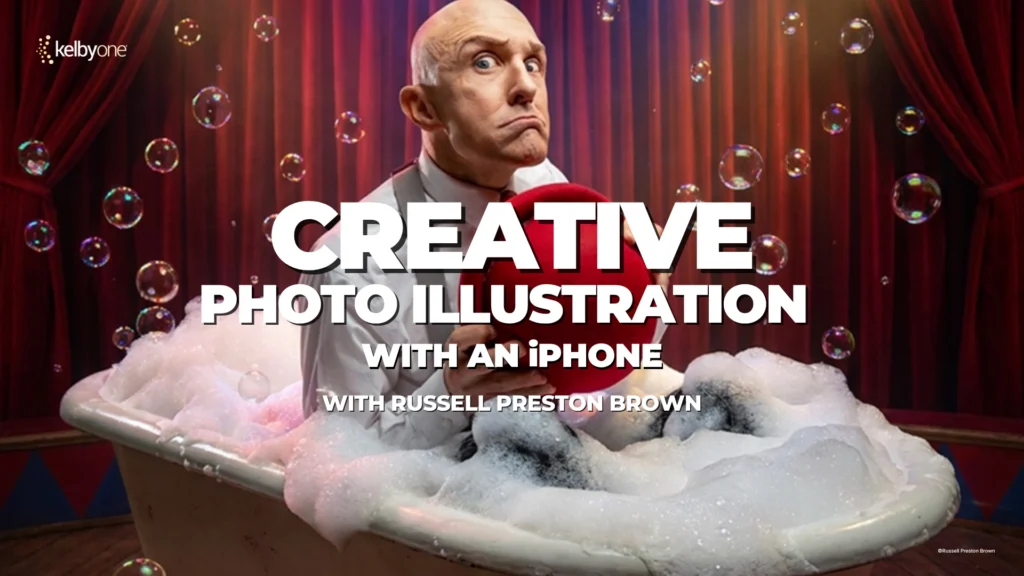
This past week on The Grid, a popular online show hosted by photography luminaries Scott Kelby and Erik Kuna, a pivotal question reverberated through the digital photography community: has the ubiquitous smartphone truly supplanted the traditional camera bag for a growing segment of photographers? The episode, which aired to significant anticipation, offered a comprehensive exploration of the capabilities of modern mobile photography, particularly focusing on the advancements seen in recent iPhone Pro models, and juxtaposed these against the enduring advantages of dedicated photographic equipment. The discussion underscored a significant paradigm shift in how images are captured, processed, and shared in the 21st century.
The Evolving Landscape of Photography: A Background Context
The Grid, an integral part of the KelbyOne educational platform, has long served as a leading forum for discussing contemporary photography trends, techniques, and technologies. Scott Kelby, a renowned author, educator, and editor-in-chief of Photoshop User magazine, along with Erik Kuna, a respected photographer and educator, bring decades of combined experience to their weekly discussions. Their latest episode tackled a question that resonates with both amateur enthusiasts and seasoned professionals: the increasing sophistication of smartphone cameras. This topic is particularly timely given the exponential growth in mobile device capabilities and the corresponding decline in sales of traditional point-and-shoot cameras, and even a notable impact on the entry-level DSLR market over the past decade.
The debate over smartphone versus dedicated camera is not new, but the goalposts are constantly shifting. What began with rudimentary camera phones in the early 2000s has evolved into highly advanced imaging systems integrated into devices carried by billions worldwide. This technological leap has democratized photography on an unprecedented scale, transforming casual snapshots into potential works of art and empowering individuals to document their lives with professional-grade quality, often without needing specialized knowledge or cumbersome gear.
A Chronology of Mobile Imaging Breakthroughs
To fully appreciate the current discussion, it’s essential to trace the rapid evolution of mobile phone cameras. Early camera phones, like the Sharp J-SH04 released in Japan in 2000, featured a meager 0.11-megapixel sensor, suitable only for very small, low-resolution images. The true turning point for mainstream adoption in the West arguably arrived with the first iPhone in 2007, which, despite its modest 2-megapixel camera, introduced an intuitive user interface that made photography accessible to a broader audience.
The subsequent years saw an accelerated pace of innovation:
- 2010: iPhone 4 introduced a 5-megapixel camera with LED flash and HDR, significantly improving image quality.
- 2011: iPhone 4S brought an 8-megapixel sensor and advanced optics, pushing mobile photography closer to compact digital cameras.
- 2014: iPhone 6 Plus introduced optical image stabilization (OIS), a crucial feature for sharper images, especially in lower light.
- 2016: iPhone 7 Plus pioneered the dual-camera system, offering both wide-angle and telephoto lenses, alongside the revolutionary Portrait Mode, which simulated shallow depth of field using computational photography.
- 2017-2019: Subsequent models refined dual-camera systems, introduced Smart HDR, and enhanced low-light performance with features like Night Mode (iPhone 11).
- 2020-Present: The iPhone Pro series pushed boundaries further with LiDAR scanners for improved autofocus and augmented reality, larger sensors, ProRAW format for greater editing flexibility, Cinematic Mode for video, and advanced computational engines like Deep Fusion and Photonic Engine, which fuse multiple exposures and pixels to create highly detailed and dynamic images. The current iPhone 15 Pro Max, for example, boasts a versatile triple-lens system with a 48MP main sensor, an ultra-wide lens, and a 5x telephoto lens offering a 120mm equivalent focal length.
This relentless pace of development has culminated in devices that offer not just convenience, but genuinely impressive image quality across a spectrum of photographic scenarios.
The Grid’s Deep Dive: Demonstrating iPhone Pro’s Prowess
During the episode, Scott Kelby provided compelling visual evidence of the iPhone Pro’s capabilities. He showcased a diverse portfolio of images – travel snapshots, sweeping landscapes, and meticulously crafted portraits – all captured exclusively with recent iPhone Pro models. These demonstrations were not merely anecdotal; they served as a practical testament to how far mobile photography has evolved, blurring the lines between amateur and professional output.
Kelby specifically highlighted several key features that empower iPhone users:
- Studio Light Portraits: The iPhone’s computational photography capabilities allow users to apply various studio lighting effects post-capture, simulating professional studio setups without the need for external strobes or light modifiers. This feature significantly enhances the artistic potential of portraiture, allowing for dramatic control over light and shadow.
- Seamless Panorama Stitching: Modern iPhones excel at creating expansive panoramic images, stitching together multiple frames with remarkable accuracy and minimal distortion. This is particularly valuable for landscape photographers seeking to capture wide vistas without specialized panoramic heads or complex post-processing.
- Impressive Lens Range: The conversation emphasized the incredible versatility offered by the iPhone Pro’s multi-lens system, which effectively covers a focal range from an ultra-wide 13mm equivalent to a telephoto 200mm equivalent (when considering digital zoom and the latest optical telephoto lenses). This broad range means photographers can capture everything from grand architectural shots to distant wildlife or tightly cropped portraits, all with a single device.
- Computational Photography: This was a central theme of the discussion. Scott and Erik detailed how features like Deep Fusion, Smart HDR, and the Photonic Engine leverage machine learning and image stacking to optimize exposure, detail, and color accuracy in challenging conditions. This "smart processing" is perhaps the most significant differentiator for mobile photography, effectively leveling the playing field for photographers of all skill levels by automating complex technical adjustments that would traditionally require extensive photographic knowledge.
Where the iPhone Shines and Its Persistent Limitations
The hosts meticulously outlined the scenarios where iPhone photography genuinely excels. Travel photography, for instance, benefits immensely from the iPhone’s compact size, ease of use, and immediate sharing capabilities. Street photography, too, finds a natural ally in the discreet and non-intrusive nature of a smartphone camera, allowing photographers to capture candid moments without drawing undue attention. For everyday shooting – documenting family events, casual outings, or spontaneous moments – the iPhone’s convenience and quality are unparalleled.
However, the discussion was also balanced, acknowledging that despite its advancements, the iPhone still faces limitations compared to traditional, dedicated cameras:
- Low Light Performance (Sensor Size): While computational photography has made significant strides in low light, the physics of smaller sensors in smartphones still dictate a disadvantage compared to the larger sensors found in DSLRs and mirrorless cameras. Larger sensors gather more light, leading to less noise and better dynamic range in extremely dark conditions.
- Optical Zoom and Specialized Lenses: Although iPhones offer impressive telephoto capabilities for a smartphone, they cannot match the versatility and quality of dedicated optical zoom lenses or highly specialized prime lenses (e.g., macro lenses, ultra-fast apertures) available for traditional systems. The telephoto reach, while extended, still often relies on digital cropping and computational enhancements at its furthest points, which can introduce artifacts.
- Manual Control and Ergonomics: While third-party apps offer more manual control, the tactile experience and extensive physical controls of a dedicated camera body remain superior for photographers who demand precise, on-the-fly adjustments to aperture, shutter speed, and ISO. The ergonomics of a camera, designed for comfortable handling during extended shooting sessions, also surpass the flat form factor of a smartphone.
- Dynamic Range in Extreme Conditions: Although Smart HDR and similar features have vastly improved dynamic range, dedicated cameras, especially full-frame models, often still hold an edge in capturing extreme highlights and shadows simultaneously without clipping or crushing detail.
Practical Advice and the Future of Photography
Scott and Erik shared invaluable "must-know settings" and "helpful apps" designed to instantly elevate mobile photographs. While specific app names were not detailed in the preview, these typically include professional camera apps that unlock manual controls (e.g., Halide, Moment Pro Camera) and powerful editing suites (e.g., Lightroom Mobile, Snapseed, VSCO). The emphasis was on utilizing the built-in capabilities and extending them with readily available software, further bridging the gap between casual and serious mobile photography.
The discussion about computational photography as a "leveling playing field" for photographers of all skill levels is particularly pertinent. It means that even novices can achieve aesthetically pleasing and technically sound images without deep understanding of exposure triangles or complex post-processing workflows. The phone’s intelligence handles much of the heavy lifting, allowing the user to focus more on composition and storytelling.
The Broader Implications: Reshaping the Industry
The ascendance of smartphone photography has profound implications across the photography ecosystem:
- Democratization: It has made photography more accessible than ever, empowering billions to create and share high-quality images, fostering a global visual culture.
- Impact on Camera Manufacturers: Traditional camera companies have responded by focusing on high-end mirrorless systems, specializing in niches like sports, wildlife, and professional studio work where optical performance and extreme durability remain paramount. The compact camera market, however, has largely been absorbed by smartphones.
- Professional Workflows: Many professional photographers now integrate smartphones into their workflows for behind-the-scenes content, location scouting, quick proofs, or social media capture. For certain types of commercial work, especially for digital-first campaigns, the iPhone’s quality can be sufficient, challenging traditional production models.
- Creative Freedom: The sheer convenience and "always-on" nature of a phone camera encourage more spontaneous and experimental photography, leading to new artistic expressions and styles.
Looking Ahead: The iPhone Photography Conference
The episode concluded with an exciting preview of the upcoming iPhone Photography Conference, hosted by KelbyOne. This event, accessible via kelbyonelive.com, promises a deeper dive into techniques, tips, and advanced workflows for maximizing the potential of the iPhone camera. Such conferences underscore the growing seriousness and legitimacy of mobile photography as a distinct and powerful photographic discipline. Alongside the preview, the hosts announced various giveaways, adding an element of excitement for their dedicated viewership.
The replay of this enlightening episode of The Grid is now available, inviting photographers globally to witness firsthand the remarkable capabilities of the camera that is already in their pocket and to explore just how far they can push its boundaries. The question, "Has your phone replaced your camera bag?" is no longer a rhetorical one but a practical consideration for a rapidly evolving world of imaging.