The evolution of mobile imaging technology has fundamentally altered the landscape of contemporary street photography, transforming the smartphone from a casual communication device into a sophisticated tool for fine art. While amateur photographers frequently retreat during periods of precipitation or low visibility, professional practitioners, such as Philadelphia-based fine art photographer Andrew Gimblet, argue that inclement weather provides a unique visual vocabulary that is often absent in clear-sky conditions. The intersection of high-performance sensors, advanced computational photography, and the inherent portability of the iPhone has democratized the ability to capture high-contrast, atmospheric urban scenes. This report examines the technical and creative methodologies required to produce professional-grade street photography during rain, snow, and fog, while analyzing the broader technological and cultural trends supporting this movement.
The Technological Foundation of All-Weather Mobile Photography
The viability of "bad weather" photography is largely predicated on the hardware advancements seen in the smartphone industry over the last decade. Since the introduction of the iPhone 7, Apple has prioritized ingress protection (IP) ratings, with recent models boasting IP68 certifications under IEC standard 60529. This allows for submersion in up to six meters of water for 30 minutes, providing photographers with the necessary confidence to operate in heavy rain without specialized waterproof housings.
Furthermore, the integration of Computational Photography—specifically features like Deep Fusion and Smart HDR—enables the device to resolve complex lighting scenarios common in storms. These systems use machine learning to fuse multiple exposures, preserving detail in bright highlights (such as street lamp reflections on wet asphalt) and deep shadows (typical of urban alleyways). This technical capability forms the baseline for the nine essential strategies utilized by experts to master the elements.
1. Strategic Positioning and Tactical Cover During Rainfall
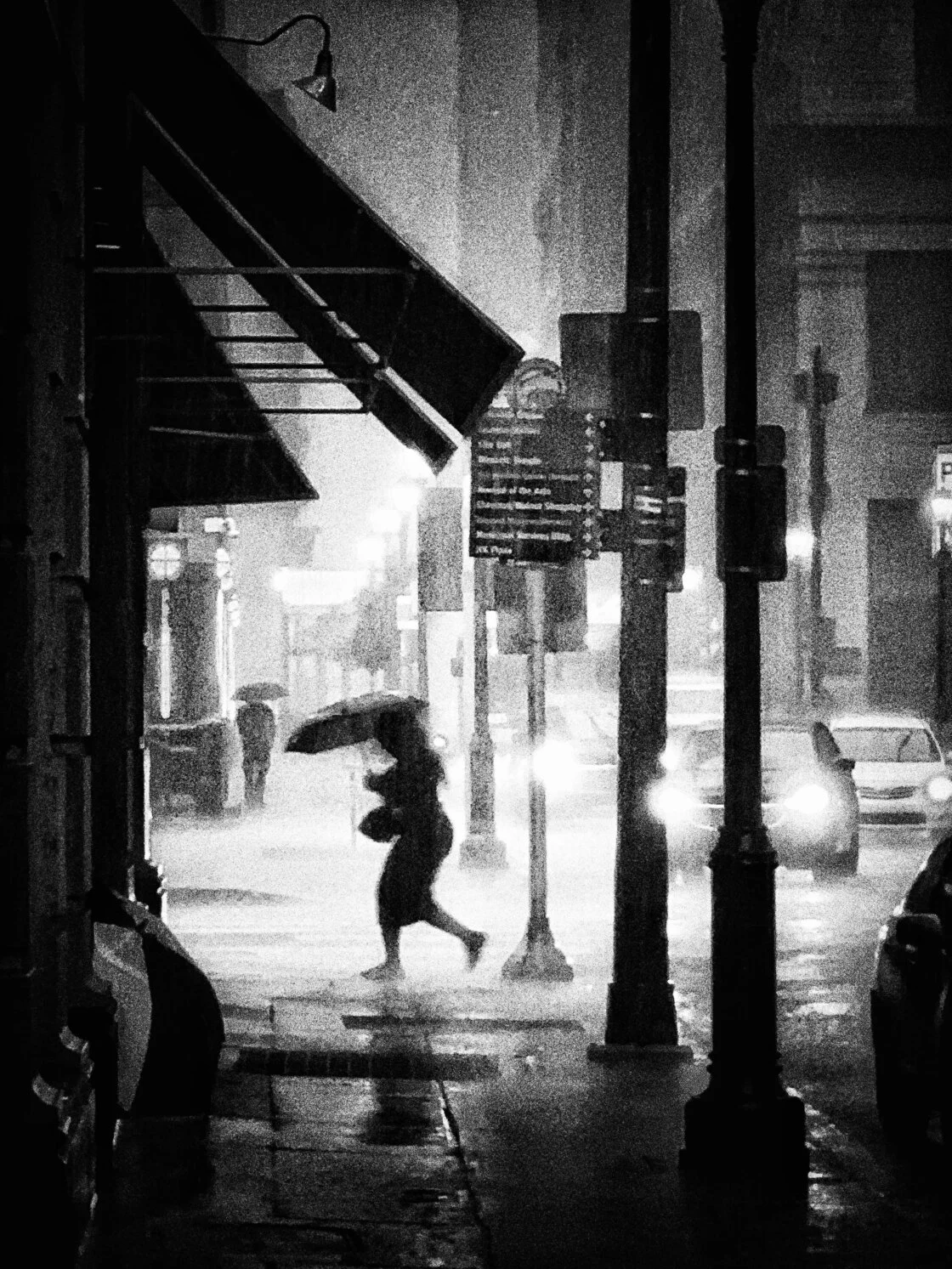
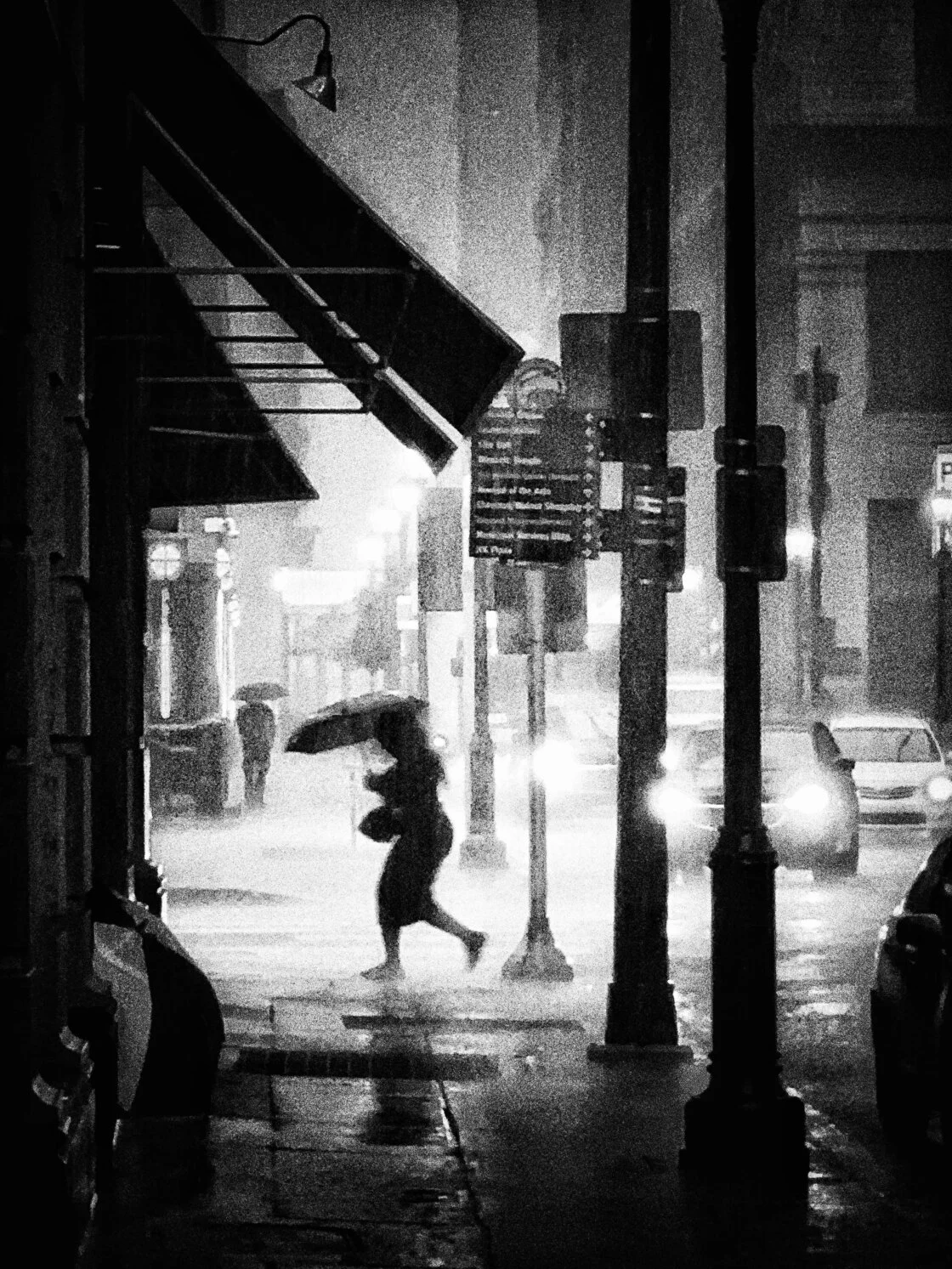
Rainfall serves as a natural filter that alters the reflectivity of urban surfaces. In a journalistic context, the primary objective is to capture the interaction between the citizenry and the environment. Experts suggest that instead of moving through the rain, photographers should adopt a "stationary observation" method. By utilizing architectural features such as awnings, bus stops, archways, and doorways, the photographer remains dry while maintaining a clear vantage point of the street.
The presence of umbrellas provides a dual benefit: they offer bold geometric shapes and vibrant color pops that serve as a natural focal point within a gray-toned environment. From a storytelling perspective, an umbrella serves as a narrative device, signifying the subject’s attempt to maintain order against the chaos of the elements.
2. Refractive Narratives: Shooting Through Translucent Barriers
A sophisticated technique involves using glass surfaces—such as cafe windows or bus stop partitions—as a secondary lens. When raindrops accumulate on glass, they create a layer of texture that can be used to generate abstract or impressionistic imagery.
To execute this effectively, the photographer must manage the iPhone’s focus system. By placing the lens in close proximity to the glass and manually setting the focus on the water droplets (via a long-press to engage AE/AF Lock), the background subjects are rendered in a soft blur. This creates a sense of depth and voyeurism, a staple of classic street photography. The resulting image often carries an emotional weight that a clear, direct shot cannot replicate.
3. Puddle Reflections and the Physics of Low-Angle Composition
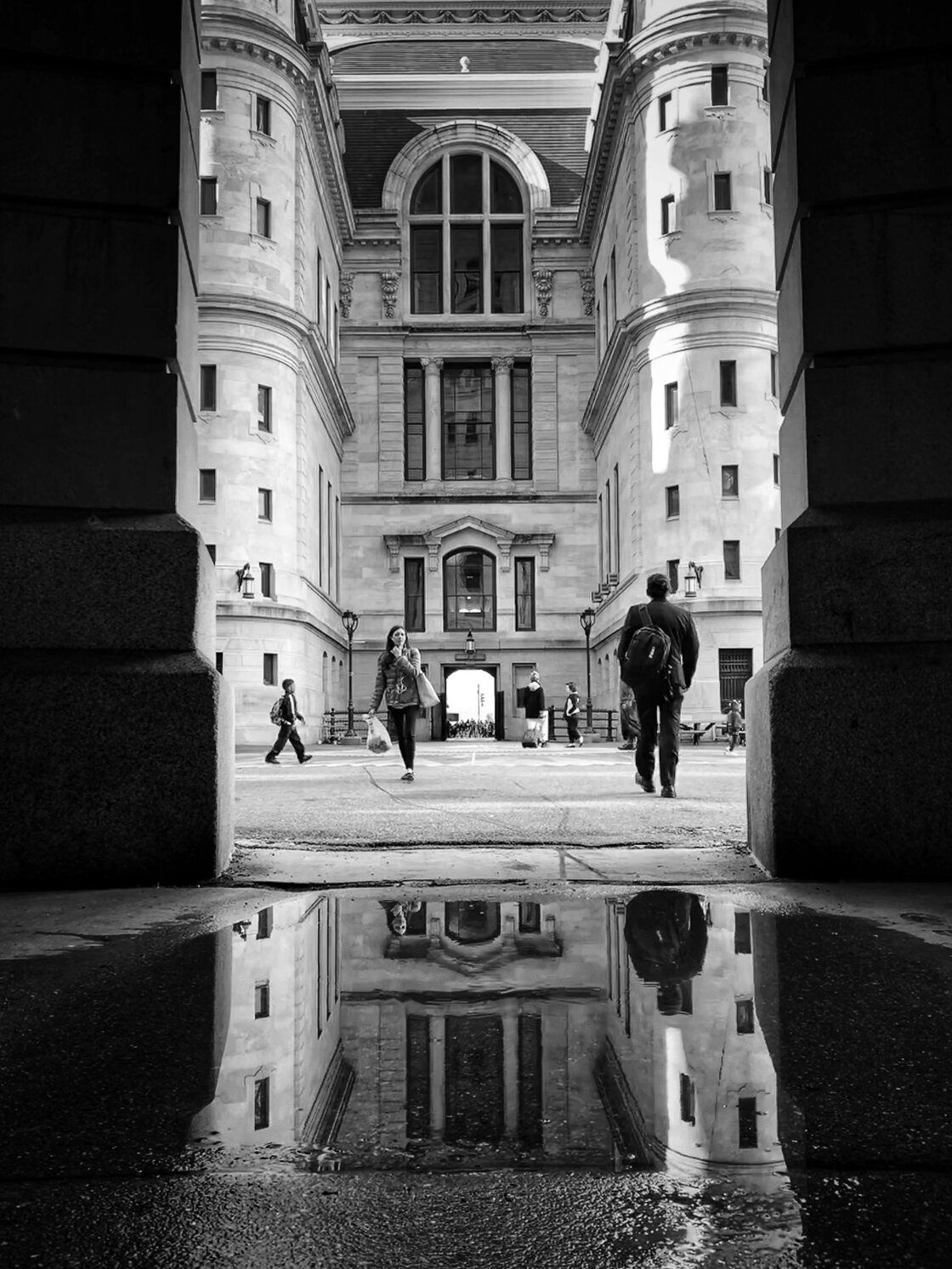
The period immediately following a rainstorm offers perhaps the highest potential for visual impact. Puddles act as temporary mirrors, reflecting the surrounding architecture and sky. To maximize the effectiveness of these reflections, photographers are encouraged to adopt a low-angle perspective.
A common industry "hack" involves inverting the iPhone so the camera lens is positioned as close to the water’s surface as possible. This minimizes the gap between the physical subject and its reflection, creating a near-perfect symmetrical composition. Observations from the field indicate that including architectural elements—such as the spire of a building or a bridge—adds structural integrity to the reflection, preventing the image from appearing cluttered or disjointed.
4. Post-Production Inversion and the Uncanny Valley
In the digital darkroom, a specific editing technique has gained traction among fine art circles: the vertical flip. By rotating a reflection-heavy photo 180 degrees, the photographer places the reflected world at the top of the frame. This disrupts the viewer’s spatial expectations, forcing a more prolonged engagement with the image as the brain attempts to resolve the perspective. This technique is easily performed within the native iOS Photos app or third-party suites like Adobe Lightroom Mobile, illustrating the seamless workflow between capture and conceptualization.
5. Snowfall as a Transformative Urban Canvas
Snowfall provides a rare opportunity to document the city in a state of high-key contrast. Unlike rain, which darkens surfaces, snow acts as a massive natural reflector, increasing the ambient light levels and simplifying the visual field. For the street photographer, snow serves as a "reset" button for familiar locations, stripping away distracting colors and textures to leave only the essential shapes of the urban environment.
Journalistic analysis of Andrew Gimblet’s work suggests the use of "fishing holes"—pre-scouted locations with strong architectural lines—where the photographer waits for a human subject to enter the frame. The contrast of a dark-clothed figure against a white, snow-covered street creates a minimalist aesthetic that emphasizes the isolation and resilience of the urban dweller.
6. Managing Exposure in High-Albedo Environments
Snow presents a specific technical challenge for the iPhone’s auto-exposure algorithms. Because the camera sensor is calibrated to expect "18% gray," the overwhelming whiteness of a snowy scene can trick the system into underexposing the shot, resulting in gray, muddy-looking snow.
To correct this, photographers must use the manual exposure slider. By tapping the screen and swiping upward, the user can force the camera to overexpose slightly, ensuring the snow remains a crisp, brilliant white. This adjustment is critical for maintaining the "bright and airy" mood associated with winter photography, although some artists choose to underexpose for a darker, more "noir" aesthetic.
7. Fog and the Mastery of Atmospheric Perspective
Fog is arguably the most coveted condition for fine art street photographers due to its ability to create a sense of mystery and depth. In meteorological terms, fog is a low-lying cloud that scatters light, a phenomenon known as the Tyndall effect. This scattering reduces contrast as objects move further from the lens, a principle known as atmospheric perspective.
The key to a successful fog photograph is the inclusion of a strong foreground subject to anchor the composition. Without a point of reference, foggy images risk appearing flat and underexposed. Leading lines, such as a receding road or a bridge railing that fades into the mist, are particularly effective in fog, as they guide the viewer’s eye into the unknown.
8. Silhouette Creation and High-Contrast Lighting
Foggy conditions are ideal for silhouette photography. Because the background is naturally diffused and bright, any subject positioned between the lens and the fog can be rendered as a stark, dark outline. This requires the photographer to set the focus on the subject and then aggressively swipe down on the exposure slider until the subject’s internal details are lost, leaving only their shape. This method emphasizes body language and movement over facial features, contributing to the "lone figure" trope common in fine art photography.
9. The Role of Monochrome in Emotional Storytelling
The final pillar of bad-weather photography is the conversion to black and white. While the iPhone captures images in full color, the "muddy" tones of a rainy or foggy day often translate poorly to a color palette. Monochrome editing allows the photographer to focus exclusively on light, shadow, texture, and form.
By removing color, the photographer removes a layer of reality, moving the image toward a more timeless, universal quality. Applications such as Snapseed, Lightroom, and Blackie provide granular control over grain, contrast, and tonal curves, allowing photographers to emulate the look of classic silver-halide film. This transition from "documentation" to "interpretation" is what separates professional street photography from casual snapshots.
Chronology of a Weather-Based Photoshoot
To understand the dedication required for this craft, one must look at the typical timeline of an artist like Gimblet:
- Preparation (T-Minus 24 Hours): Monitoring meteorological apps (e.g., Dark Sky or AccuWeather) to identify windows of high-intensity weather.
- Deployment (T-Zero): Moving to pre-selected "fishing holes" just as the weather front arrives.
- The Capture (T-Plus 1-3 Hours): Utilizing burst mode to capture the "decisive moment" of human interaction with the storm.
- Processing (T-Plus 4 Hours): Selecting the most impactful frames and applying monochrome filters to enhance the atmospheric tension.
- Dissemination: Sharing the work via platforms like Instagram, contributing to the global archive of urban documentation.
Broader Implications and Market Impact
The rise of high-quality mobile photography in adverse conditions has significant implications for the art market and urban sociology. Historically, the equipment required to shoot in heavy rain or sub-zero temperatures was prohibitively expensive and cumbersome. The democratization of these capabilities via the iPhone has led to a surge in "urban explorers" and "street documentarians" who provide a real-time, high-fidelity record of city life.
Furthermore, this trend reflects a shift in consumer aesthetics. There is a growing fatigue with "perfect," sunny imagery, leading to a higher valuation of "authentic," "moody," and "raw" visuals. This has influenced everything from commercial advertising to social media algorithms, proving that in the realm of digital art, "bad" weather is often the best possible scenario for a creator.
As the industry moves toward even larger sensors and improved periscope lenses in future iPhone iterations, the boundary between mobile photography and professional DSLR output will continue to blur. For the street photographer, the message is clear: the most compelling stories are rarely found in the sun, but in the shadows and storms of the everyday city.