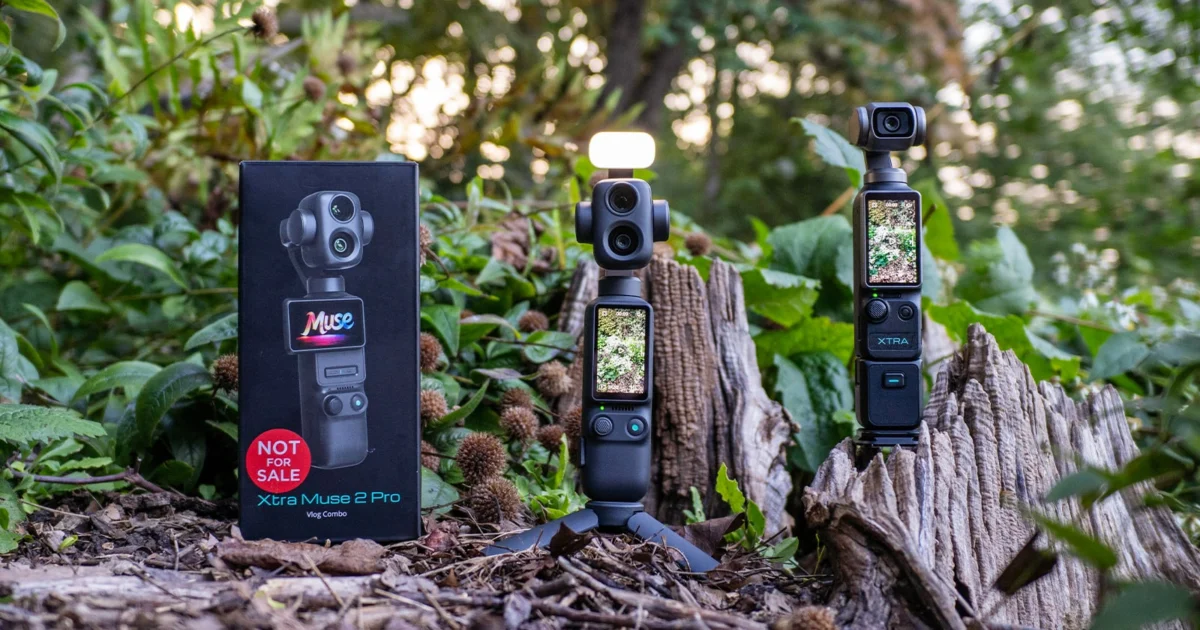
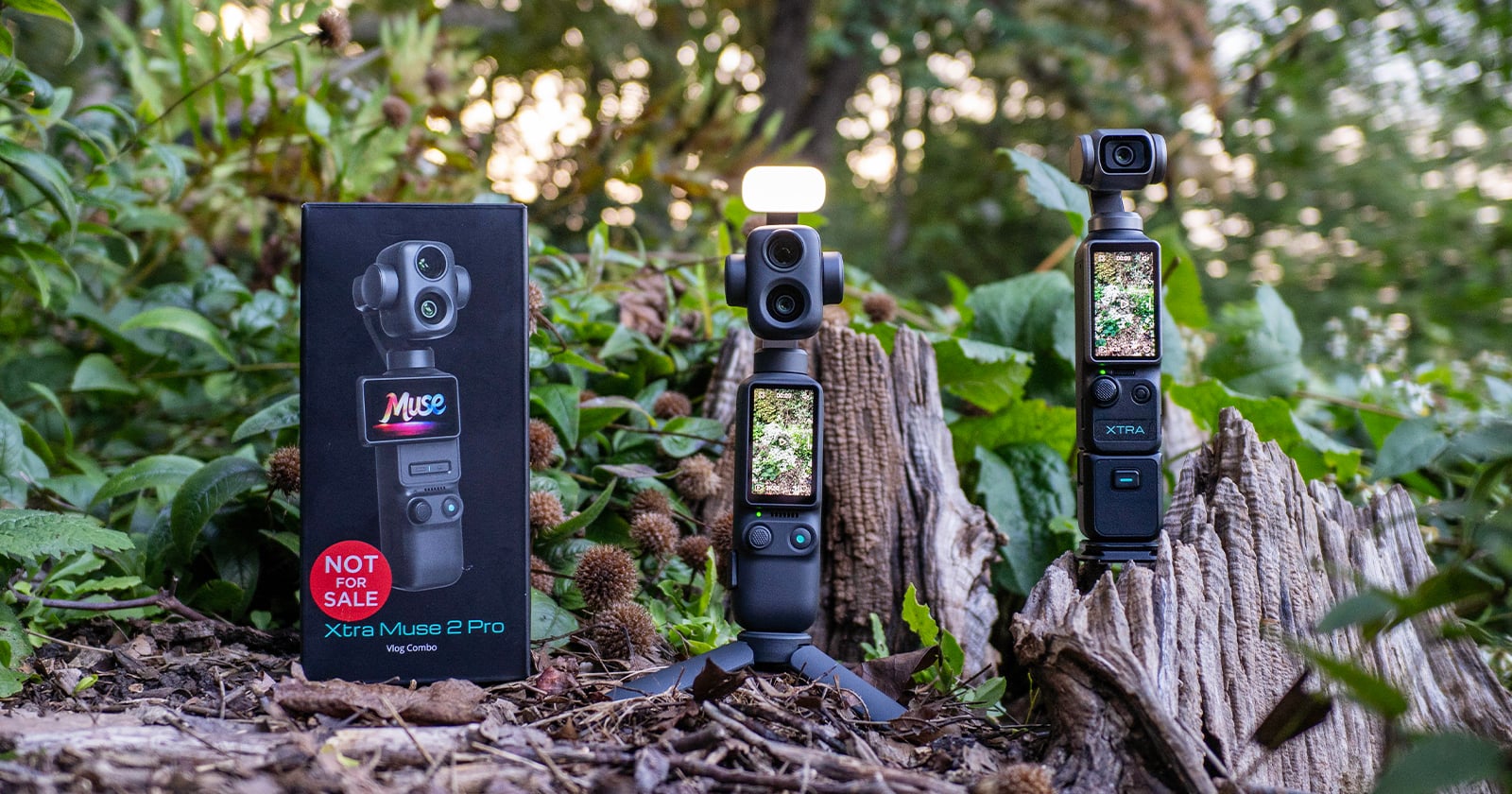
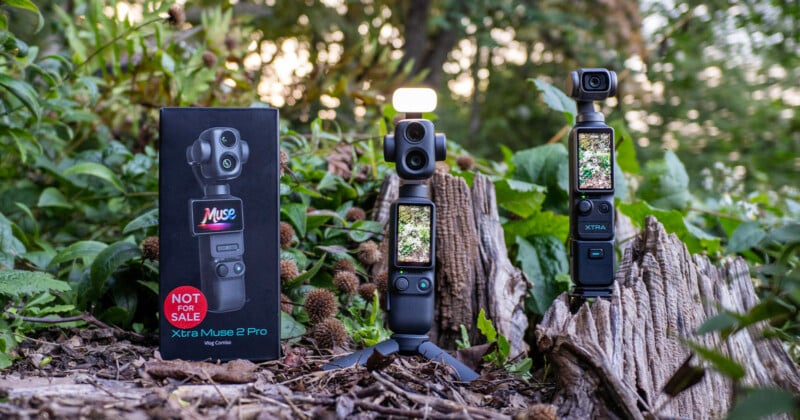
The Xtra Muse 2 Pro, a highly anticipated dual-lens pocket gimbal camera, has unexpectedly landed in the hands of a PetaPixel contributor in the United States, despite being officially unavailable for purchase in the country. Adorned with a stark "NOT FOR SALE" sticker, the arrival of this advanced imaging device highlights a complex regulatory standoff between its manufacturer, Xtra, and the U.S. Federal Communications Commission (FCC), casting a long shadow over its potential market entry. The situation underscores broader challenges faced by foreign technology companies navigating stringent U.S. import and sales regulations, particularly those linked to national security concerns.
The Regulatory Quagmire: Why the Muse 2 Pro Remains Out of Reach
The unusual status of the Xtra Muse 2 Pro in the U.S. market is not a matter of mere logistical delay but stems from an ongoing investigation by the Federal Communications Commission. The FCC has intensified its scrutiny of several companies, including Xtra, over allegations of incorporating or importing technology associated with products from restricted entities, notably DJI. DJI, a dominant force in the drone and gimbal camera market, has faced restrictions in the U.S. due to national security concerns, primarily related to data privacy and potential supply chain vulnerabilities.
In July 2026, the FCC escalated its actions, proposing a significant $25,000 forfeiture against Xtra. Concurrently, the commission suggested a broader prohibition on the continued importation and marketing of equipment from Xtra and several other implicated companies. It is crucial to note that these are proposed actions within an ongoing regulatory process, not an immediate, comprehensive ban on all existing Xtra products. Xtra has publicly affirmed that its currently released products remain available and supported while it engages in dialogue with the FCC regarding their status. However, for new products like the Muse 2 Pro, the path to U.S. retail availability has become significantly complicated, with no confirmed launch date in sight.
This regulatory environment creates a peculiar paradox: while Xtra managed to secure an FCC equipment authorization for the Muse 2 Pro in June 2026 – a filing that included an attestation from the company that the equipment was not prohibited from receiving authorization – this approval did not translate into a normal retail rollout. Within weeks of the authorization, Xtra suspended its Early Bird program for U.S. customers and began refunding deposits, signaling the immediate halt of its commercialization plans.
A Detailed Timeline of Unforeseen Delays
The journey of the Xtra Muse 2 Pro to the PetaPixel contributor’s desk is a chronicle of shifting expectations and regulatory hurdles:
- May 2026: Xtra launches its "100 Creators for Xtra Muse 2 Pro" program on Instagram, inviting photographers and videographers to apply by showcasing their work and tagging the company. The program aimed to build anticipation and generate early reviews for the upcoming dual-lens pocket gimbal camera, which Xtra was actively promoting for a U.S. launch.
- June 2026: The PetaPixel contributor is selected as one of the "100 Creators" and is also honored as an "Xtra Aesthetic Master," a designation for creators recognized for their discerning eye for "mood, light, and style." During this month, the Muse 2 Pro also successfully received an FCC equipment authorization, suggesting a clear path to market.
- July 2026: The regulatory landscape dramatically shifts. Xtra announces the pause of its Early Bird program, citing an inability to confirm a reliable launch timeline for the Muse 2 Pro in the U.S. All deposits are refunded. Concurrently, the FCC proposes a $25,000 forfeiture against Xtra and initiates proposals to prohibit the import and marketing of certain equipment from Xtra and other companies, intensifying the regulatory pressure.
- Months Following July: As the Muse 2 Pro’s U.S. launch remains indefinitely delayed, Xtra provides the PetaPixel contributor with an original Muse camera to allow them to familiarize themselves with the company’s camera system. This interim solution highlights the unforeseen complications in the distribution of the new model.
- Eventually (Late 2026/Early 2027): The Xtra Muse 2 Pro finally arrives at the reviewer’s door. However, the excitement is tempered by a prominent red "NOT FOR SALE" sticker affixed to the packaging, a tangible symbol of its forbidden status in the U.S. market.
This chronology paints a picture of a product caught in the crosshairs of geopolitical and regulatory tensions, transforming what was intended to be a straightforward product launch into a complicated saga.
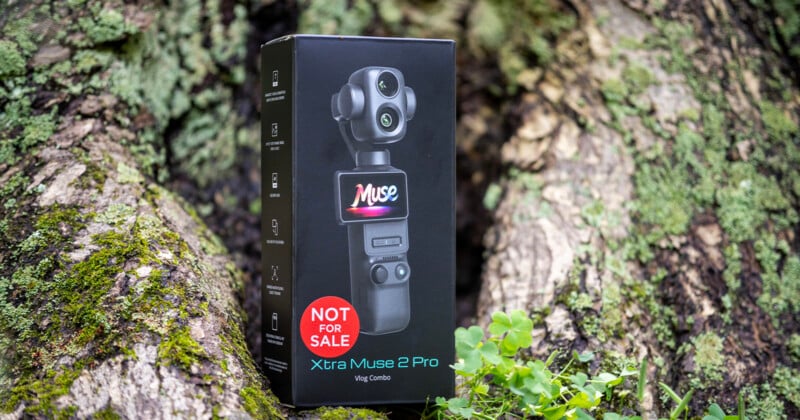
The Xtra Muse 2 Pro: A Technical Overview of a Desirable Device
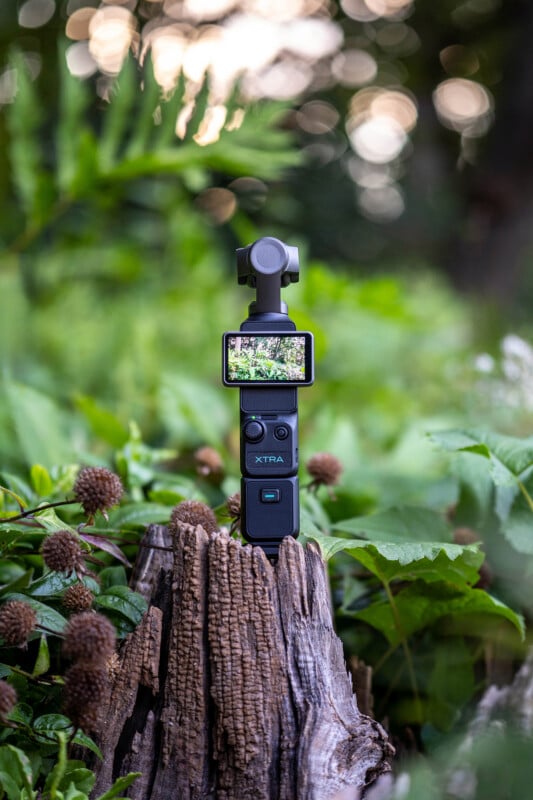
Despite its contentious market status, the Xtra Muse 2 Pro itself presents as a compelling piece of technology designed to cater to modern content creators. It is a pocket-sized camera system centered around a three-axis mechanical gimbal, offering superior physical stabilization compared to digital alternatives found in many smartphones. Its most distinctive feature is a dual-camera system, which significantly enhances its versatility.
The primary camera boasts a 1-inch CMOS sensor, a notable advantage over the much smaller sensors typically found in action cameras and most smartphones. This larger sensor size is crucial for superior image quality, particularly in challenging low-light conditions, where it promises reduced noise and better dynamic range. Coupled with an f/2.0 aperture, this setup aims to deliver high-fidelity visuals even as ambient light diminishes.
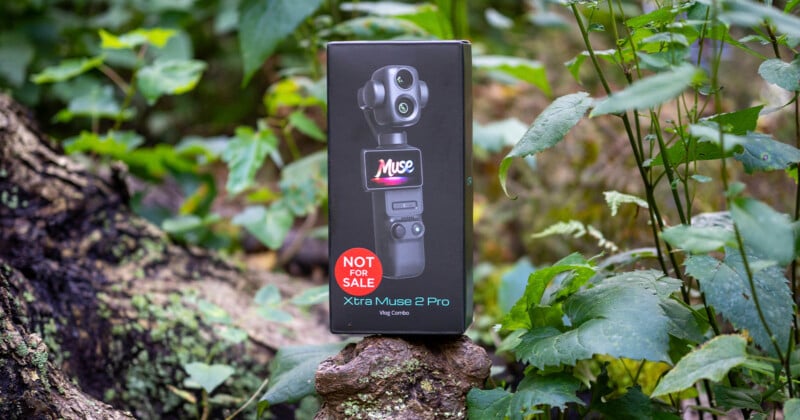
Complementing the wide-angle perspective (20mm equivalent), the Muse 2 Pro integrates a second telephoto camera, providing approximately 3x optical reach (60mm equivalent). This dual-lens configuration is a significant differentiator in the compact gimbal camera segment, offering creators the flexibility to switch perspectives without needing to carry additional lenses or cameras. For travel vloggers, outdoor enthusiasts, or anyone seeking diverse shots on the go, this capability is particularly appealing.
For video creators, the Muse 2 Pro offers robust specifications:
- Resolution and Frame Rates: Capable of recording up to 4K resolution at an impressive 240 frames per second, allowing for stunning slow-motion capture.
- Color Grading Latitude: Features a 10-bit X-Log 3 profile, designed to provide extensive latitude for professional color grading in post-production.
- Dynamic Range: Xtra claims up to 17 stops of dynamic range, which, if accurate in real-world use, would position it as a strong contender for capturing detail in both highlights and shadows.
- Internal Storage: Equipped with a substantial 103GB of built-in storage, reducing immediate reliance on external memory cards for extensive shooting sessions.
The combination of a relatively large sensor, physical stabilization, dual-lens versatility, and advanced video features positions the Muse 2 Pro as a formidable tool for solo creators seeking high-quality, portable video and photography solutions.
Comparative Landscape: A Niche Market with Fierce Competition
The specifications and form factor of the Xtra Muse 2 Pro draw immediate comparisons to DJI’s highly successful Osmo Pocket series, particularly the DJI Pocket 3. Both systems champion the concept of a small, three-axis gimbal camera with a 1-inch primary sensor and often include a second lens option (though DJI’s approach might differ slightly in implementation). The shared emphasis on 4K high-frame-rate video, log recording capabilities, and impressive dynamic range further highlights the direct competitive space.
This striking similarity in product philosophy and technical prowess is precisely what has attracted the FCC’s attention. The regulatory body’s investigation centers on allegations that Xtra and other companies might be leveraging or importing technology associated with DJI equipment that has been restricted from the U.S. market. This scrutiny extends beyond mere product design, delving into the supply chain and intellectual property implications, especially given the broader geopolitical context surrounding Chinese technology companies.

In a market increasingly saturated with capable smartphone cameras and more specialized action cameras, the pocket gimbal camera carves out a niche by offering superior stabilization and dedicated imaging capabilities in a highly portable format. For creators who value smooth, cinematic footage and the ability to track subjects automatically without the bulk of a mirrorless setup, devices like the Muse 2 Pro represent a compelling alternative. Its potential to rival established players, however, is now inextricably linked to its ability to navigate the complex U.S. regulatory maze.
The Creator Program: A Unique Acquisition Story
The PetaPixel contributor’s acquisition of the Xtra Muse 2 Pro is a rare instance of a device reaching U.S. soil under highly unusual circumstances. Initially, the "100 Creators" program was perceived as a standard pre-launch marketing initiative, designed to generate buzz and gather early feedback from influential users. The expectation was that the camera would soon be available for general purchase, making the review process straightforward.

However, the regulatory complications transformed the experience. The contributor, selected as an "Xtra Aesthetic Master" for their "eye for mood, light, and style," found themselves in an unforeseen situation. The initial plan to receive the Muse 2 Pro quickly pivoted to an interim period using the original Muse, underscoring the severity of the launch delays. When the Muse 2 Pro finally arrived, the "NOT FOR SALE" sticker served as a constant, stark reminder of its unique and restricted status. This effectively positions the reviewer as one of a very small, exclusive group of individuals in the U.S. with hands-on access to the device, lending a unique perspective to their evaluation.
Initial Assessments and Performance Review: A Glimpse of Its Potential
Initial hands-on experience with the Xtra Muse 2 Pro by the PetaPixel contributor revealed a camera that stands out significantly from its predecessor, the original Muse. The dual-camera setup contributes to a physically larger gimbal area, giving the device a more substantial feel. The inclusion of useful accessories, such as a small light and a mini-tripod, positions the Muse 2 Pro as a more complete "vlog combo" kit, ready for solo creators.

Key performance observations include:
- Design Evolution: The Muse 2 Pro features a more compact and streamlined base compared to the original Muse’s removable extending section, contributing to a sleeker, more pocketable design.
- Autofocus and Tracking Prowess: The autofocus system demonstrated remarkable speed and accuracy, quickly switching between subjects. Notably, its ability to re-acquire and lock onto a subject that momentarily moved out of frame and then returned was particularly impressive, a critical feature for self-filming or documenting dynamic events.
- Exceptional Dynamic Range: The camera exhibited commendable dynamic range, especially during shoots extending into blue hour. Footage retained usability as light levels dropped, with colors holding up well and surprisingly low noise for a camera of its size.
- Low-Light Performance Nuance: While overall low-light performance was strong, the reviewer noted that in extremely dark conditions, autofocus could struggle, necessitating a switch to manual focus. This limitation, however, is not uncommon even in larger mirrorless cameras and is considered a reasonable trade-off for such a compact device.
- Image Quality Beyond Expectations: The Muse 2 Pro produced excellent-looking footage straight out of the camera. The rendering of subjects and backgrounds, particularly the bokeh, was highlighted as superior to many smartphone cameras. The natural falloff into out-of-focus areas resembled what one might expect from a mirrorless camera, avoiding the artificial appearance sometimes seen in computational photography modes.
- Ease of Use vs. Professional Gear: The camera balances high image quality with remarkable ease of use. Its built-in gimbal stabilization, subject tracking, and readily available accessories simplify the shooting process, allowing creators to focus on the experience rather than constantly managing complex camera settings. This makes it ideal for travel vlogs, behind-the-scenes footage, or quick casual video clips where a larger interchangeable-lens setup would be impractical.
- Superior to Previous Vlogging Standards: The reviewer suggested that the Muse 2 Pro surpasses previous popular vlogging cameras like the Canon PowerShot G7 X series, thanks to its integrated gimbal, advanced tracking, and comprehensive accessory package.
- Muse 2 Pro vs. Original Muse: While the Muse 2 Pro offers superior image quality and features, the original Muse remains a viable, more affordable option for casual video recording or occasional vlogging. The Pro model caters to those demanding higher performance in challenging light, advanced slow-motion, and the full suite of its enhanced capabilities.
The initial image gallery, showcasing unprocessed photographs and video clips, further reinforces the camera’s ability to deliver compelling visuals directly from the device, without significant post-processing. This emphasis on out-of-camera quality is a strong indicator of its potential for creators who prioritize efficiency alongside visual excellence.
Broader Implications for Xtra and the U.S. Market

The ongoing regulatory uncertainty poses significant strategic challenges for Xtra. The U.S. market represents a substantial opportunity for consumer electronics, particularly in the growing segment of creator-focused cameras. An inability to launch the Muse 2 Pro here not only means lost sales but also risks ceding market share to competitors like DJI, Insta360, and even advanced smartphone manufacturers.
For U.S. consumers and creators, the situation means a reduction in choice within the compact gimbal camera segment. The Muse 2 Pro, with its distinctive dual-lens system and impressive specifications, could have offered a compelling alternative or pushed existing players to innovate further. Its absence leaves a potential void, limiting options for those seeking this specific blend of portability, stabilization, and advanced imaging.
Beyond Xtra, this episode serves as a stark reminder for all foreign technology companies about the complexities and risks involved in navigating the U.S. regulatory environment, particularly when products or supply chains are perceived to have links to entities under scrutiny for national security reasons. The process highlights the increasing politicization of technology and trade, where product innovation alone is not sufficient for market success.

Uncertain Future and Consumer Outlook
As of now, the future availability of the Xtra Muse 2 Pro in the United States remains highly uncertain. Xtra continues to communicate with the FCC, striving to find a pathway that would allow its products to reach U.S. customers. However, without a new launch timeline, the camera exists in a commercial limbo for American consumers.
For the PetaPixel contributor, possessing the Muse 2 Pro has become more than just a product review; it is a direct engagement with a broader industry narrative. What began as an interest in a small, capable camera for personal adventures has evolved into a unique perspective on the intricate dance between technological innovation and international regulatory policy. The "NOT FOR SALE" sticker is not just a warning; it is a symbol of a promising device caught in a web of unresolved issues. The question of whether this "genuinely fun and surprisingly capable little camera" will ever officially make its way to the broader U.S. market remains unanswered, leaving many creators to admire its potential from afar.