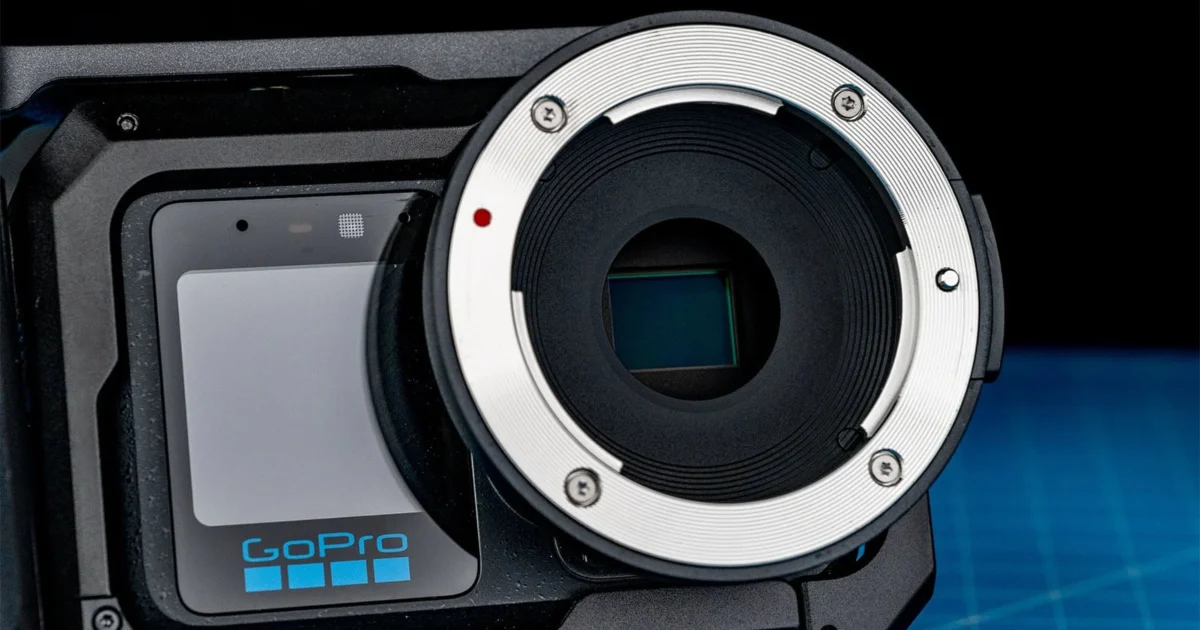
OM Digital Solutions Corporation has formally announced that GoPro Inc. has officially declared its support for the Micro Four Thirds System standard, a significant development in the professional imaging landscape. This declaration comes after GoPro’s recent unveiling and release of its Mission 1 Pro ILS camera, a compact cinema camera featuring a Micro Four Thirds (M4/3) mount, which initially launched without the company being an official member of the Micro Four Thirds System Standard Group. The official endorsement resolves this prior anomaly and signals a strategic expansion for both GoPro and the M4/3 ecosystem.
The Micro Four Thirds Ecosystem: A Foundation for Innovation
The Micro Four Thirds System standard, initially announced in 2008 by Olympus (now OM Digital Solutions) and Panasonic, was a groundbreaking initiative aimed at creating a new class of interchangeable lens cameras that offered a balance of compact size, advanced imaging capabilities, and a diverse lens ecosystem. The system distinguished itself with a smaller sensor size than traditional DSLRs (approximately 17.3 x 13 mm) but larger than typical compact cameras, paired with a short flange focal distance (19.25 mm) and a wide mount diameter (38 mm). This design philosophy allowed for significantly smaller and lighter camera bodies and lenses compared to their DSLR counterparts, making them highly appealing to enthusiasts and professionals seeking portability without compromising on image quality.
Over its nearly two-decade history, the Micro Four Thirds system has cultivated a robust and extensive lens lineup, with offerings from founding members Panasonic and Olympus, as well as third-party manufacturers like Sigma, Tamron, Laowa, and many others. This breadth of choice, encompassing everything from ultra-wide-angle to super-telephoto, primes to versatile zooms, has been a key strength, providing creators with unparalleled flexibility. The system has particularly carved out a strong niche in video production due to its compact form factor, often robust in-body image stabilization, and a wide array of fast prime lenses suitable for cinematic applications. Its open standard nature, encouraging participation from various manufacturers, has been instrumental in its sustained growth and innovation, fostering a competitive environment that benefits end-users with diverse and specialized product offerings.
GoPro’s Strategic Entry with the Mission 1 Pro ILS
GoPro’s decision to embrace the Micro Four Thirds standard is intimately linked to its new Mission 1 Pro ILS camera. This device represents a departure from GoPro’s traditional action camera dominance, positioning itself as a "compact cinema camera." The initial release of the Mission 1 Pro ILS in late August with an M4/3 mount, but without official M4/3 System Group membership, raised eyebrows within the industry. It seemed an unusual move for a company leveraging an established open standard without formally joining its governing body. OM Digital Solutions’ announcement now clarifies this, bringing GoPro into the fold and solidifying its commitment to the standard.
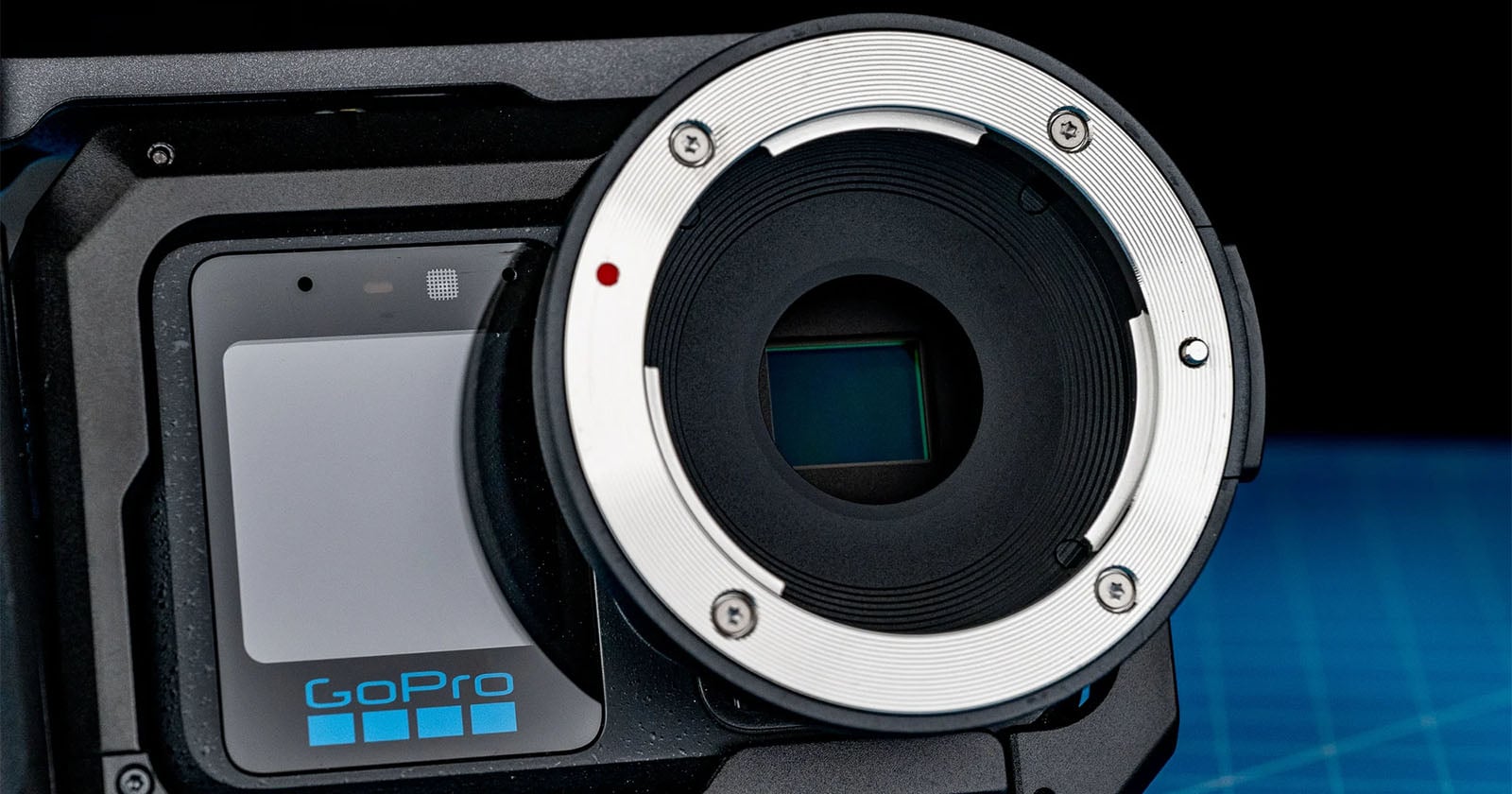
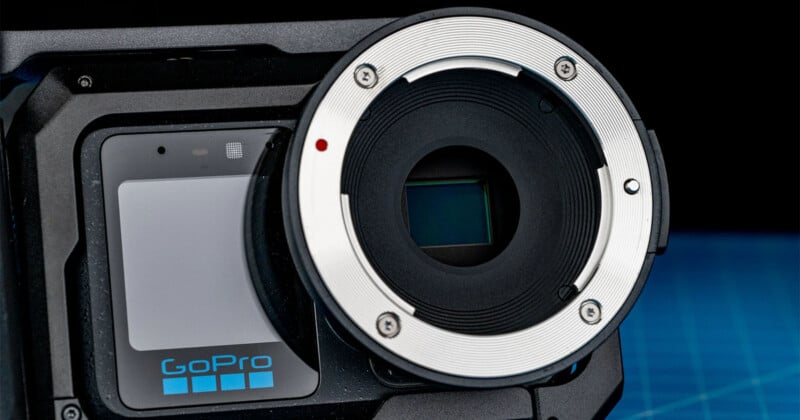
A distinctive feature of the Mission 1 Pro ILS’s Micro Four Thirds mount is its entirely "dumb" nature. This means the mount lacks any electronic communication pins, preventing data transfer between the camera body and the attached M4/3 lens. Consequently, critical functionalities like autofocus, aperture control via the camera body, and lens metadata transmission are unavailable. Users must rely entirely on manual focus and aperture control on the lens itself. While this might seem like a limitation in an era dominated by advanced electronic integration, it aligns with certain niche applications, particularly in cinema production where manual control is often preferred for precise adjustments and consistency. It also allows for the use of older, manual-only M4/3 lenses or adapted vintage lenses without concern for electronic compatibility, broadening creative possibilities for filmmakers who value tactile control and unique optical characteristics.
Official Responses and Broader Implications
OM Digital Solutions Corporation has enthusiastically welcomed GoPro’s entry into the Micro Four Thirds System. In their official statement, they highlighted the expected benefits: "GoPro’s participation is expected to further expand the use of the Micro Four Thirds System in amateur filmmaking, professional video production, and at the highest levels of cinema. The participation of a diverse range of companies in this open standard will continue to expand the product lineup and create new possibilities for visual expression and image capture." This statement underscores the strategic value OM Digital Solutions places on expanding the system’s reach beyond its traditional user base, particularly into the burgeoning compact cinema market where GoPro’s brand recognition and expertise in rugged, compact cameras could be a significant asset.
GoPro itself has not yet issued a separate official statement specifically addressing its formal membership in the Micro Four Thirds System Standard Group. However, when the Mission 1 Pro ILS was launched, GoPro articulated its vision for the camera, stating, "Mission 1 Pro ILS gives creators and filmmakers the legendary versatility of GoPro combined with the creative flexibility to pair it with the best Micro Four Thirds (MFT) lens for the shot." This earlier statement clearly indicated GoPro’s intention to leverage the M4/3 lens ecosystem to offer enhanced creative control to its users, moving beyond the fixed-lens paradigm of its action cameras. The formal membership now legitimizes this strategic direction and provides access to the full technical specifications and collaborative opportunities within the M4/3 alliance.
Navigating the Starman Optical Merger
GoPro’s decision to join the M4/3 standard comes at a pivotal time for the company, as it is also deeply involved in a significant corporate restructuring: an ongoing $285 million merger with Starman Optical. This merger has generated considerable discussion and some apprehension within the imaging community. Starman Optical is primarily an optical data company with interests in AI, defense, and national security, rather than a traditional consumer imaging or camera manufacturer. This distinction has led to concerns about the future direction of GoPro’s core consumer camera business and its commitment to the market that built its brand.
In response to these anxieties, GoPro’s founder and CEO, Nick Woodman, proactively addressed the concerns in an open letter. He firmly reassured the company’s loyal customer base and the broader market that GoPro remains committed to its roots: "We understand there’s some concern about GoPro’s post-merger commitment to continue developing market leading cameras for consumers and professionals. Making amazing cameras for all of you is our core DNA and reason for being and that will never change! We’re fired up about what’s ahead for GoPro and want to share a little more about what our proposed merger with Starman means for our future." Woodman’s statement aimed to quell fears of a pivot away from consumer products, emphasizing that camera development is fundamental to GoPro’s identity.
The merger with Starman Optical, while seemingly divergent, could potentially unlock new avenues for innovation within GoPro’s imaging portfolio. Starman’s expertise in advanced optics, data processing, and potentially AI integration could enhance GoPro’s future cameras, allowing for more sophisticated computational photography, improved image stabilization, or even novel applications in areas like machine vision or augmented reality. While the immediate focus remains on consumer cameras, a strategic long-term vision could see GoPro’s imaging hardware becoming more deeply integrated with data analytics and specialized optical solutions, potentially creating hybrid products that serve both consumer and professional niche markets. The Mission 1 Pro ILS, with its advanced features and M4/3 mount, could be seen as an early indicator of GoPro’s intent to diversify and explore higher-end, specialized imaging solutions alongside its popular action camera line, potentially leveraging new technologies brought by the Starman merger.
Broader Industry Implications and Future Outlook
GoPro’s official embrace of the Micro Four Thirds standard, particularly with a product aimed at professional video, has several significant implications for the broader imaging industry.
Firstly, for the Micro Four Thirds System itself, this is a substantial validation. The entry of a globally recognized brand like GoPro, synonymous with robust and high-performance cameras, lends considerable credibility to the M4/3 standard, especially in the competitive video production segment. It reinforces the system’s adaptability and suitability for diverse applications, from vlogging and amateur filmmaking to demanding professional cinema. This could encourage other manufacturers to consider developing M4/3 products or further invest in the existing ecosystem, fostering more innovation and expanding the variety of available cameras and lenses. The "dumb" mount of the Mission 1 Pro ILS, while seemingly basic, also highlights the M4/3 system’s flexibility to serve highly specialized needs where simplicity and manual control are prioritized, or where existing manual lenses can be easily adapted.
Secondly, for GoPro, this move signifies a strategic diversification beyond its traditional action camera stronghold. While its action cameras remain highly popular, the market for them has become increasingly competitive. By entering the interchangeable lens cinema camera space, even with a specialized product like the Mission 1 Pro ILS, GoPro can tap into a new, professional-oriented market segment. This could enhance its brand perception, elevating it from a consumer gadget company to a serious player in professional imaging tools. Access to the vast M4/3 lens ecosystem immediately provides GoPro with a competitive advantage without the immense R&D investment required to build its own proprietary lens line. This strategic pivot could be crucial for GoPro’s long-term growth and resilience, particularly as it navigates the complexities of the Starman merger.
Thirdly, this development reflects broader trends within the imaging industry: the increasing convergence of consumer and professional tools, the growing importance of video capabilities, and the enduring value of open standards. As technology democratizes access to high-quality production, the lines between amateur and professional filmmaking continue to blur. Compact, versatile cameras like the Mission 1 Pro ILS, leveraging an established lens system, cater perfectly to this evolving landscape. The M4/3 standard, by remaining open and inviting new participants, demonstrates how collaborative ecosystems can thrive and adapt in a rapidly changing technological environment, offering creators a stable platform for innovation and expression.
In conclusion, GoPro’s official support for the Micro Four Thirds System standard is more than just a procedural announcement; it represents a strategic realignment for GoPro, a significant endorsement for the M4/3 ecosystem, and a fascinating indicator of future trends in the imaging industry. As GoPro navigates its merger with Starman Optical, its commitment to developing "amazing cameras for all" — now explicitly including advanced M4/3-based cinema tools — suggests a future where the company seeks to expand its influence across a broader spectrum of imaging applications, from action-packed consumer adventures to high-end cinematic productions. The full impact of this decision will unfold in the coming years, but it undoubtedly marks an exciting new chapter for both GoPro and the Micro Four Thirds community.