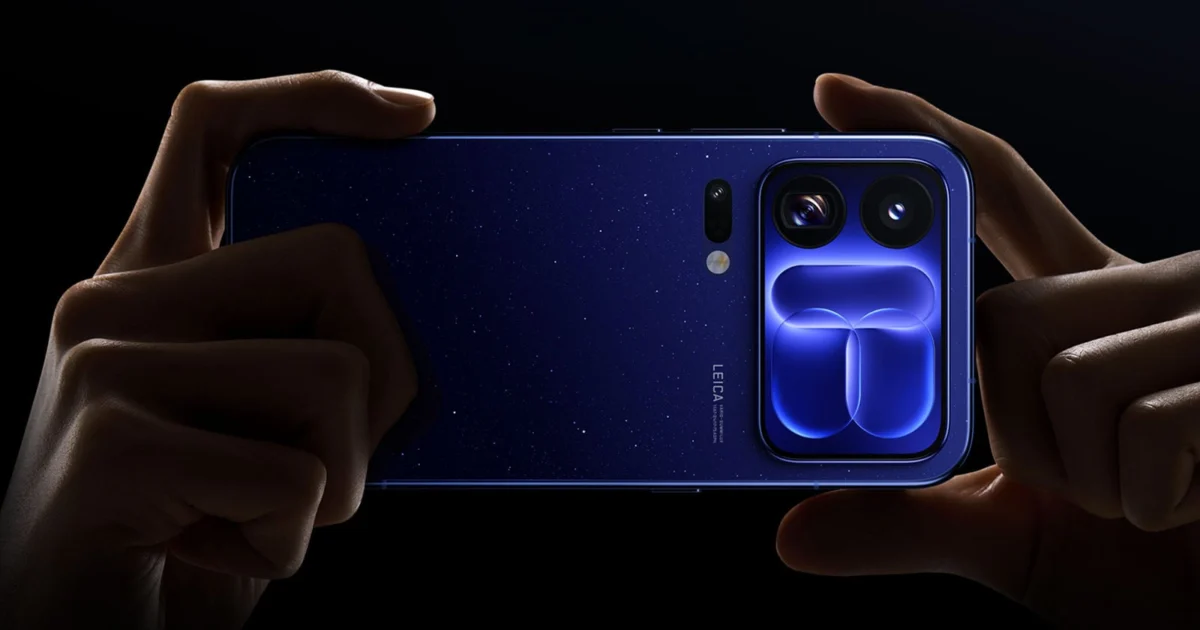
Less than 24 hours after Qualcomm unveiled its next-generation mobile processing platforms, Xiaomi has moved swiftly to introduce the world’s first smartphones powered by the new Snapdragon 8 Elite Gen 6 Elite Extreme and Snapdragon 8 Elite Gen 6 chips. The highly anticipated Xiaomi 18 Pro and Xiaomi 18 Pro Max, launched today, promise an array of compelling camera features and performance enhancements designed to appeal to professional photographers and power users alike, marking a significant step in Xiaomi’s strategy to cement its position in the global premium smartphone market.
Qualcomm’s Latest Silicon Powering a New Era of Mobile Performance
The foundation of the Xiaomi 18 Series’ advanced capabilities lies in Qualcomm’s freshly minted Snapdragon 8 Elite Gen 6 and its more potent sibling, the Snapdragon 8 Elite Gen 6 Elite Extreme. These chips, unveiled at the annual Snapdragon Summit, represent the pinnacle of mobile processing technology for late 2026 and beyond. The Snapdragon 8 Elite Gen 6, a direct successor to previous flagship Snapdragon processors, brings substantial improvements across the board, particularly in computational photography, artificial intelligence, and overall power efficiency.
One of the most notable advancements for photographers and videographers is the chip’s ability to finally enable 8Kp60 video recording on smartphones, a feature long sought after by content creators. This capability is facilitated by a significantly upgraded Image Signal Processor (ISP), which can handle immense data throughput and sophisticated real-time processing required for such high-resolution, high-frame-rate capture. Beyond raw video prowess, the new Hexagon NPU (Neural Processing Unit) integrated into the Snapdragon 8 Elite Gen 6 family delivers unparalleled AI performance, essential for the advanced computational photography features Xiaomi is touting. This includes faster on-device machine learning for tasks like scene recognition, object tracking, and advanced image enhancement, reducing latency and improving privacy by processing data locally. Furthermore, enhancements to the Adreno GPU promise console-level gaming graphics and fluid user interface experiences, while improved power management ensures these demanding tasks don’t prematurely drain the battery, a critical factor for premium devices. The "Elite Extreme" variant, exclusive to the Xiaomi 18 Pro Max, pushes these boundaries even further, offering a higher clock speed and potentially more cores, translating to a measurable performance uplift for the most demanding applications and users.
Differentiated Flagship Experience: Pro vs. Pro Max
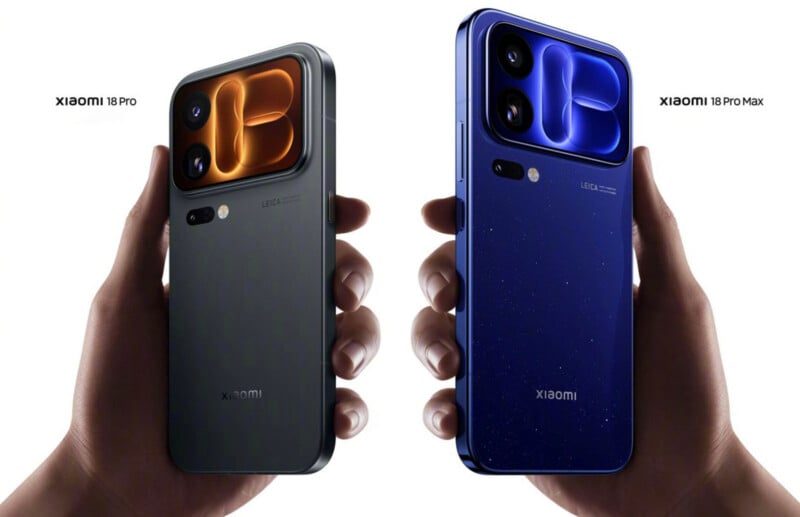
While sharing many core features, the Xiaomi 18 Pro and 18 Pro Max cater to slightly different user preferences through their distinct form factors and processing power. The Xiaomi 18 Pro features a more compact 6.4-inch display, making it a suitable choice for users who prefer single-handed operation or a less bulky device. It is powered by the standard Snapdragon 8 Gen 6 Elite chip, still an immensely capable processor.
In contrast, the Xiaomi 18 Pro Max elevates the visual experience with a larger 6.9-inch panel, ideal for media consumption, gaming, and productivity tasks. This larger device houses the more powerful "Extreme" variant of Qualcomm’s latest SoC, ensuring maximum performance headroom. Despite their size differences, both models boast impressive display technology, topping out at a staggering 4,000 nits of peak brightness. This ultra-high brightness not only ensures exceptional readability even in direct sunlight but also provides an immersive viewing experience for HDR content, bringing scenes to life with vibrant colors and deep contrasts. Both phones also incorporate Xiaomi’s innovative "privacy display" design, a feature aimed at deterring prying eyes by significantly narrowing viewing angles, thus protecting sensitive information from onlookers in public spaces. Complementing the main display, each phone features a rear display, offering convenient access to relevant notifications, time, battery status, and a degree of personalization through custom widgets, enhancing glanceability without needing to fully activate the main screen.
Leica-Engineered Imaging: A Deep Dive into the Triple Camera System
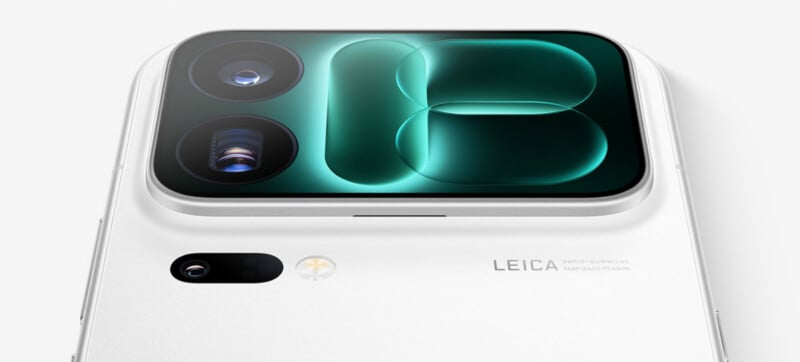
At the heart of the Xiaomi 18 Series’ appeal to photographers is its sophisticated Leica-branded triple camera system, identical across both the Pro and Pro Max models. This partnership with the legendary German optics manufacturer continues Xiaomi’s commitment to delivering a premium photographic experience, leveraging Leica’s renowned color science and optical expertise.
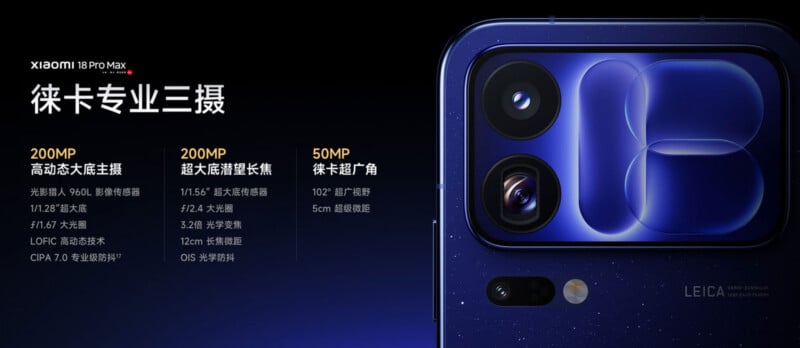
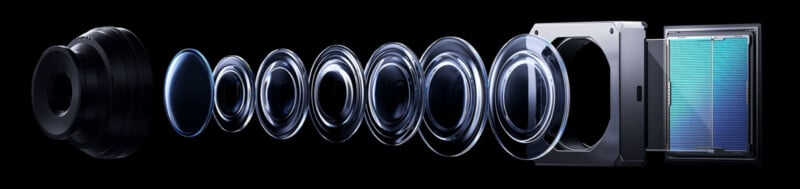
The primary camera is a monumental 200-megapixel sensor, featuring a large Type 1/1.28-inch Light Hunter 960 image sensor coupled with a wide f/1.67 aperture. This sensor is notable for being a LOFIC (Lateral OverFlow Integration Capacitor) type. LOFIC sensors are designed to address the challenges of high dynamic range scenes by effectively separating and optimizing the capture of bright and dark areas within a single exposure, thus minimizing highlight clipping and preserving shadow detail more effectively than traditional sensors or multi-frame HDR techniques. This advanced sensor technology promises superior image quality, particularly in challenging lighting conditions where dynamic range is crucial. Further enhancing its low-light and handheld capabilities, the main camera benefits from optical image stabilization (OIS) offering a CIPA-rated seven stops of shake correction. This level of stabilization, typically found in dedicated mirrorless cameras, dramatically reduces blur from hand movements, enabling sharper images and longer exposure times in dim environments. The lens itself is a Leica Summilux design, a designation historically associated with high-speed, high-performance lenses, indicating a complex optical construction combining precision glass and plastic elements to achieve exceptional sharpness and minimal aberrations.
The telephoto camera also boasts an impressive 200-megapixel resolution, paired with a relatively large Type 1/1.56-inch image sensor and an f/2.4 aperture. This setup provides 3.2x optical zoom, allowing users to capture distant subjects with remarkable clarity and detail. The high megapixel count on the telephoto lens also opens possibilities for high-quality digital zoom beyond the optical magnification, potentially leveraging pixel binning and computational techniques to maintain image integrity. Rounding out the versatile triple Leica camera system is a 50-megapixel ultra-wide imager. While the exact sensor size for the ultra-wide lens remains undisclosed, Xiaomi states it offers a 102° field of view. While competent, this field of view is not as expansive as some other ultra-wide lenses on the market, which can often exceed 120°. This choice might imply a focus on minimizing distortion and maintaining edge-to-edge sharpness, rather than maximizing the sheer breadth of the scene.
The Dawn of ‘Legendary Moment’: AI and Computational Photography
Beyond the hardware, Xiaomi is introducing a new image-processing system dubbed "Legendary Moment," which heavily leverages artificial intelligence to redefine the photographic output. This system aims to recreate the distinctive "look" and characteristics of traditional professional camera systems, moving beyond generic smartphone processing.
One of the most intriguing AI-driven photographic styles within "Legendary Moment" is its ability to mimic the aesthetic of classic CCD (Charge-Coupled Device) image sensors. CCD sensors, prevalent in digital cameras before the widespread adoption of CMOS, are known for their unique color reproduction, specific dynamic range characteristics, and a particular grain structure that has recently seen a resurgence in popularity among nostalgic digital photographers. By simulating this "CCD look," Xiaomi is tapping into a niche but growing demand for retro photographic aesthetics, offering users a distinct creative option that differentiates it from the often hyper-real or overly processed look of modern smartphone images. This feature is expected to be a significant talking point, and industry observers, including this publication, are keenly awaiting detailed reviews to assess its effectiveness and authenticity.
Further enhancing the imaging capabilities, the "Legendary Moment" system also utilizes cloud-based image processing for several advanced tasks. This offloads computationally intensive processes from the device, allowing access to more powerful algorithms and larger datasets. Specific enhancements mentioned include reflection removal, which intelligently identifies and eliminates unwanted reflections from surfaces like glass, noise reduction that goes beyond on-device capabilities to clean up images shot in extreme low light, and clarity enhancement that sharpens details and improves overall image crispness. While the reliance on cloud processing necessitates an internet connection, it offers the potential for continuously improving algorithms and results that might otherwise be impossible on a mobile form factor.
Design Philosophy and User Experience Enhancements
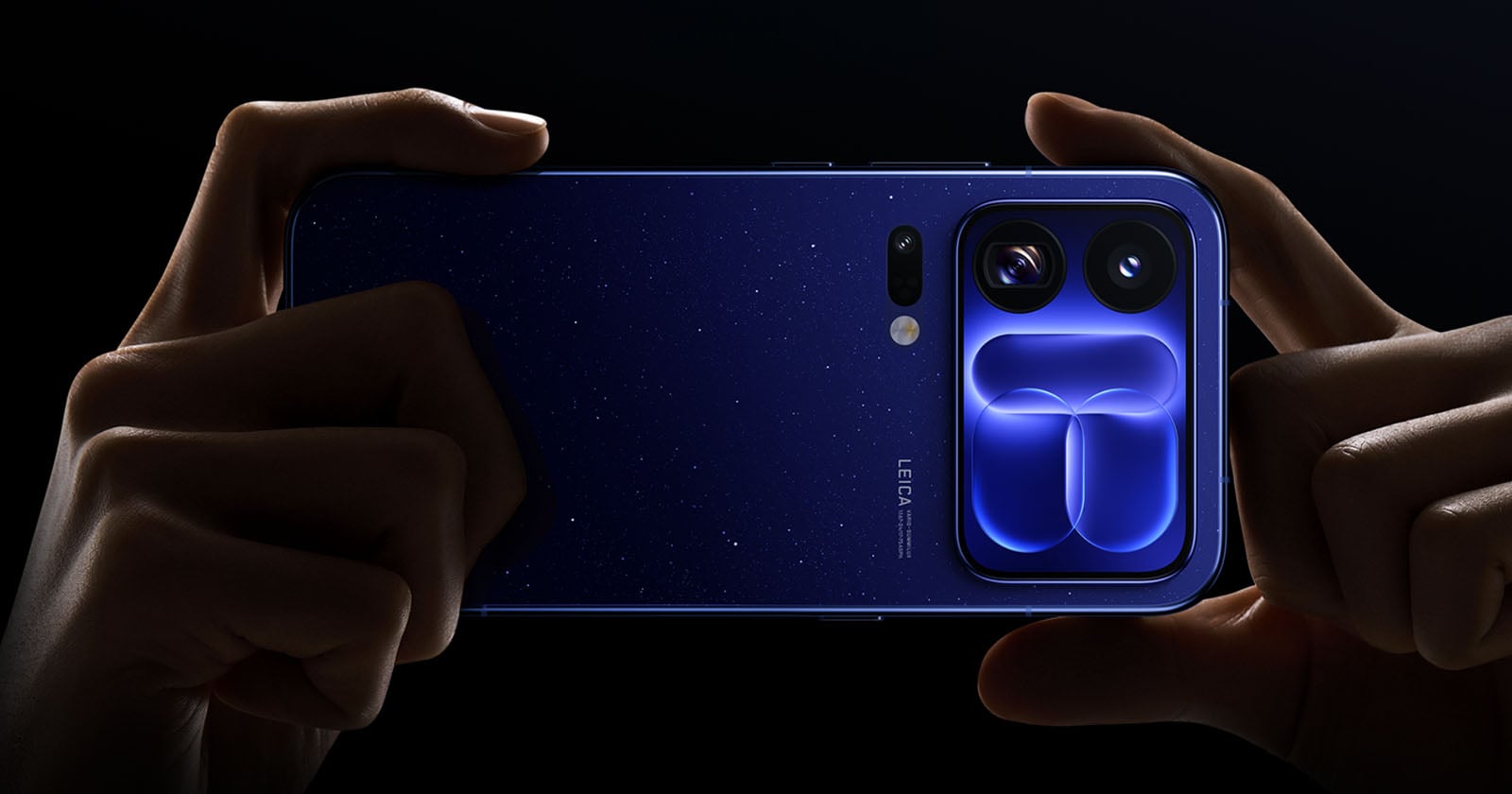
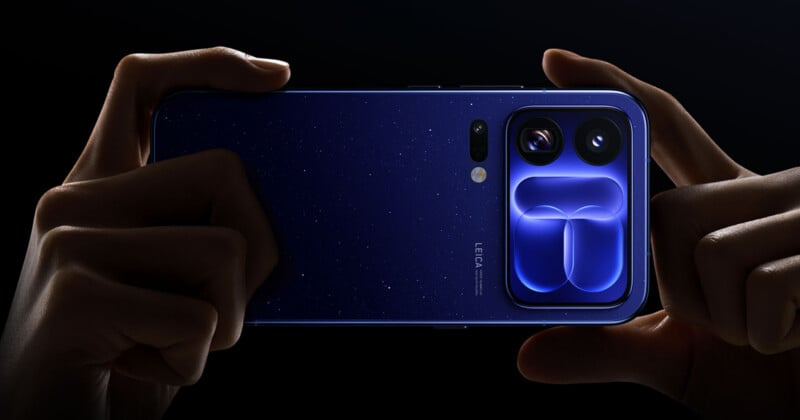
The Xiaomi 18 Series embodies a premium design philosophy, evident in the sophisticated aesthetics and thoughtful user experience enhancements. The initial imagery suggests devices with sleek, dark blue finishes, often featuring subtle starry patterns on the back, elevating their visual appeal beyond typical smartphone designs. The prominent camera module, housing the advanced Leica system, features two large lenses and a distinct, glowing geometric design, making a bold statement about its photographic prowess.
The inclusion of the rear display is a practical innovation, offering users at-a-glance information without needing to power on the main screen, thus conserving battery life and reducing distractions. This secondary screen can be customized with various widgets, allowing users to personalize their device beyond just the main interface. The 4,000 nits peak brightness of the main display is not merely a number; it translates directly to a superior user experience, ensuring content remains legible and vibrant even under harsh sunlight, a common challenge for mobile displays. Furthermore, the "privacy display" feature addresses growing concerns about data security and personal privacy, providing an effective, hardware-level solution to prevent visual snooping.
Xiaomi’s Strategic Global Expansion and Market Positioning
The launch of the Xiaomi 18 Pro and Pro Max marks a pivotal moment in Xiaomi’s global market strategy. While initially available in China, a global release for both models is scheduled for later this year. Crucially, this event will signify the very first time that a Xiaomi Pro series device has launched outside of China, indicating a strategic shift and a concerted effort to directly challenge established players in the ultra-premium smartphone segment worldwide.
Historically, Xiaomi has built its formidable market share by offering compelling specifications at highly competitive price points, often dominating the mid-range and affordable flagship categories. However, with the 18 Pro series, Xiaomi is making an unambiguous statement of intent to compete at the very top tier, where Apple, Samsung, and Google have traditionally held sway. The pricing reflects this ambition: the Xiaomi 18 Pro starts at CNY 5,999 (approximately $900 at current exchange rates), while the Xiaomi 18 Pro Max begins at CNY 6,999 (nearly $1,050). These price points place the devices squarely within the premium flagship bracket, suggesting Xiaomi is confident in the value proposition offered by its cutting-edge hardware, advanced camera system, and integrated software experience. This global launch strategy for the Pro series is expected to significantly impact market dynamics, particularly in regions like Europe, India, and Southeast Asia, where Xiaomi already possesses a strong brand presence and loyal customer base. It signifies a maturation of Xiaomi’s product portfolio and a direct challenge to the perception that premium smartphones must exclusively come from a select few brands.
Broader Industry Implications and the Future of Mobile Imaging
The introduction of the Xiaomi 18 Pro and Pro Max, alongside Qualcomm’s latest Snapdragon chips, carries significant implications for the broader smartphone industry and the future of mobile imaging. The relentless pursuit of larger sensors, higher megapixel counts, and advanced optical stabilization, exemplified by the 200MP LOFIC main sensor and CIPA-rated OIS, underscores the increasing convergence of traditional camera technology with mobile platforms.
The emphasis on AI and computational photography, particularly with features like "Legendary Moment" and its CCD simulation, highlights a growing trend towards offering distinct creative photographic styles and post-processing capabilities directly within the camera app. This moves beyond mere technical perfection, allowing smartphones to become tools for artistic expression in new ways. The reliance on cloud-based processing for complex tasks also points towards a future where computational power is fluidly accessed between on-device and remote servers, pushing the boundaries of what’s possible within a portable device.
As premium smartphone prices continue to rise, the competitive landscape will intensify. Xiaomi’s bold move to launch its Pro series globally directly challenges incumbents to innovate further and differentiate their offerings. This competition ultimately benefits consumers, driving advancements in camera technology, display quality, processing power, and user experience features across the board. The Xiaomi 18 Series is not just a new phone launch; it’s a declaration of intent, signaling a new era for Xiaomi and for the mobile photography industry as a whole.
Disclosure: This publication received travel and accommodation support from Qualcomm to attend the Snapdragon Summit, where information regarding the Snapdragon 8 Elite Gen 6 chips and, subsequently, the Xiaomi 18 Series was first learned. Qualcomm and Xiaomi had no input or oversight in the editorial content or reporting presented in this article.
Image credits: Xiaomi