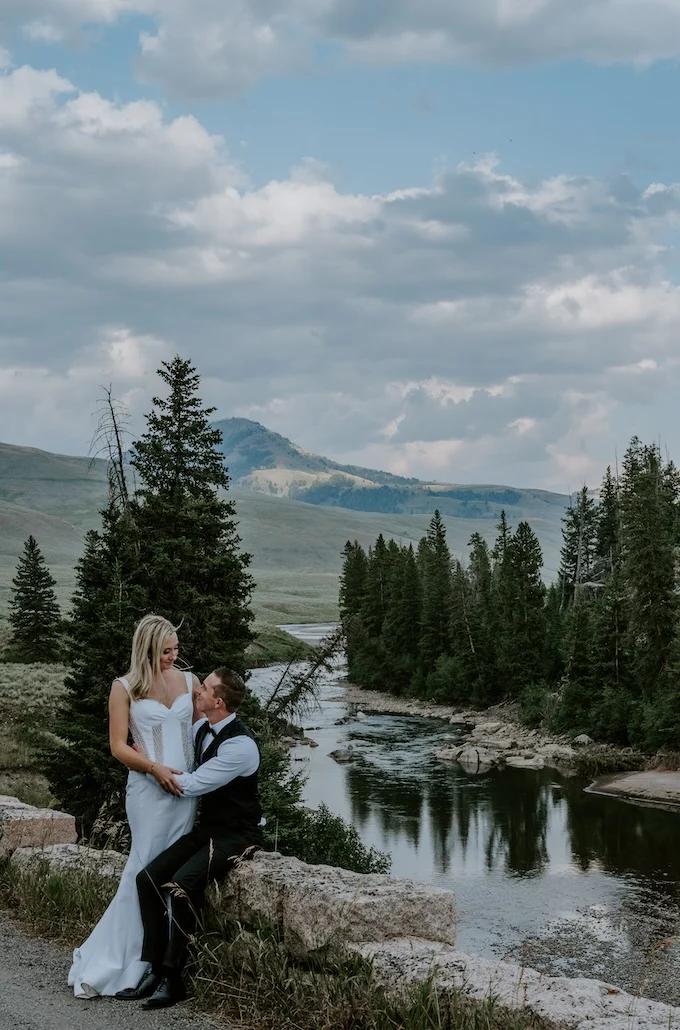
The allure of exchanging vows amidst the majestic landscapes of America’s national parks has surged in popularity over the past five years, transforming these protected natural wonders into sought-after wedding and elopement destinations. This trend, observed across all 63 national parks, presents both unique opportunities and significant logistical challenges for couples and the photographers who document their special days. From the geysers of Yellowstone to the granite cliffs of Yosemite, these parks offer unparalleled backdrops, but navigating their regulations and crowds requires meticulous planning.

The surge in national park weddings can be attributed to several converging factors. The widespread popularity of television dramas, such as the acclaimed series "Yellowstone," has undeniably heightened public awareness and romanticized the rugged beauty of these landscapes. Furthermore, the recent 150th anniversary of the National Park Service in 2016 likely contributed to increased appreciation and visitation. Perhaps most significantly, the residual effects of the COVID-19 pandemic played a crucial role. As parks reopened after initial closures, many experienced record-breaking tourist numbers, signaling a renewed desire for outdoor experiences and a shift towards more intimate, nature-centric celebrations like micro-weddings and elopements. This shift in preference aligns perfectly with the inherent accessibility and natural beauty offered by national parks, many of which feature well-maintained paved pathways, making them feasible for a wide range of guests.
Heather Woolery, a Northwest-based photojournalist specializing in weddings and elopements, has witnessed this phenomenon firsthand. Her journey into national park wedding photography began in 2018 with a micro-wedding in Joshua Tree National Park. Since then, she has documented over a dozen weddings and elopements across 11 different national parks, with Yellowstone emerging as her most frequent and favored location.

"I’ve been visiting Yellowstone since I was a child," Woolery shared, "and I never imagined I’d be trekking through its most beautiful and enigmatic locations for couples on their wedding day." Her deep personal connection to the park, coupled with professional experience, has allowed her to develop an intimate understanding of its nuances. After her first Yellowstone elopement in 2020, Woolery began meticulously mapping out potential photography locations, cataloging crucial details such as optimal times of day, expected visitor numbers, and seasonal variations. This detailed approach has enabled her to serve her Yellowstone-based clients with a level of insight that transcends typical wedding photography.
The Photographer’s Evolving Role in National Park Ceremonies
While photographers are not typically wedding planners or day-of coordinators, their role in national park weddings and elopements often extends far beyond simply capturing images. The intricate planning required for a park ceremony means that photographers are frequently called upon to provide guidance. Unlike traditional venues or popular international destinations like Italy or Iceland, national parks do not offer on-site officiants or curated lists of preferred vendors. This places a significant responsibility on the couple’s chosen photographer to possess extensive knowledge of the park or the ability to conduct thorough research.

"Most often, a couple will only hire a photographer for their elopement or micro-wedding," Woolery explained. "Because of this, it is up to the couple’s photographer to truly know a national park or be able to research to help create something ultimately bespoke for their couple that is also doable and keeps within the regulations of the specific park." This necessitates a deep understanding of park permits, transportation logistics, and potential activities or experiences that can be integrated into the wedding day, all while adhering to strict park regulations.
Navigating Permits and Regulations: A Case Study in Yellowstone
The regulatory landscape for photography within national parks can be complex and varies by park and by the nature of the event. For instance, Yellowstone National Park historically required photographers to obtain a Commercial Use Authorization (CUA), a process that was often extensive and costly. However, recent policy adjustments have streamlined this requirement for elopements. Now, couples typically need to obtain a Special Use Permit (SUP), which effectively serves as the photographer’s permit as well, simplifying the application process.

Yellowstone’s status as a premier wedding destination, coupled with its immense popularity as a tourist attraction, presents a unique challenge: managing crowds. With millions of visitors annually, popular sites like Old Faithful, Grand Prismatic Spring, and Mammoth Hot Springs can become exceptionally crowded, especially during peak seasons. Photographers and couples must be highly strategic about the time of year for their wedding and explore less-trafficked areas within the park to ensure an intimate experience and optimal photographic opportunities. Woolery’s detailed mapping and knowledge of visitor patterns are invaluable in helping couples avoid these congestion points.
The Growing Appeal of National Park Elopements
The appeal of eloping in a national park lies in its inherent romance and the opportunity for a deeply personal and adventurous celebration. The sheer diversity of landscapes across the 63 national parks offers a vast palette for couples. From the desert vistas of Joshua Tree and the dramatic coastlines of Acadia to the lush rainforests of Olympic and the alpine meadows of Rocky Mountain National Park, each park provides a distinct atmosphere.

This trend is supported by anecdotal evidence and growing vendor interest. Wedding industry professionals are increasingly specializing in destination elopements, with a particular focus on national parks. Online platforms dedicated to elopement planning often feature extensive guides and vendor directories for popular park locations. The desire for authentic, experience-driven weddings is a significant driver, and national parks offer an unparalleled setting for such aspirations.
Analyzing the Pros and Cons for Photographers
For photographers considering adding national park wedding and elopement services to their portfolio, a careful evaluation of the advantages and disadvantages is essential.

Pros:
- Unique and Inspiring Backdrops: National parks offer visually stunning and diverse landscapes that are unparalleled by conventional venues. This provides photographers with a constant source of inspiration and allows them to create truly memorable images.
- Growing Market Demand: As evidenced by the increasing popularity of park weddings, this is a burgeoning niche within the wedding photography industry. Capturing these unique events can lead to a distinct and sought-after specialization.
- Opportunity for Deeper Client Relationships: The often intimate nature of elopements and micro-weddings allows photographers to build closer relationships with their clients, fostering a more collaborative and personal experience.
- Potential for Adventure and Travel: For photographers who enjoy the outdoors, this specialization offers the chance to travel to diverse and beautiful locations across the country, combining professional work with personal exploration.
- Creative Freedom: While regulations must be followed, the natural environment often provides a more organic and less structured setting than traditional venues, allowing for greater creative interpretation.
Cons:

- Navigating Complex Regulations and Permits: Each park has its own set of rules, permit requirements, and fees. Understanding and complying with these can be time-consuming and require significant research. Failure to do so can result in fines or the cancellation of events.
- Logistical Challenges: Planning for weather variability, remote locations, limited accessibility, and the need for specialized gear (e.g., hiking boots, all-weather clothing) can be demanding. Transportation within parks, especially for larger groups or those with mobility issues, requires careful consideration.
- Crowd Management: Popular parks can be extremely crowded, especially during peak tourist seasons. Photographers must be adept at finding moments of solitude or creatively incorporating the environment without letting the crowds detract from the couple’s experience. This often involves early morning or late evening shoots.
- Environmental Considerations: Photographers must be acutely aware of and committed to Leave No Trace principles, ensuring that their presence and activities have minimal impact on the delicate park ecosystems. This includes respecting wildlife, staying on designated trails, and properly disposing of any waste.
- Client Education and Expectation Management: Couples may not fully understand the complexities of a national park wedding. Photographers often need to educate their clients about permit processes, potential weather challenges, and the need for flexibility, managing expectations to ensure a positive experience.
- Variable Conditions: Weather can change rapidly in natural environments, posing challenges for both the couple and the photographer. Photographers must be prepared for sun, rain, wind, and temperature fluctuations, and have backup plans in place.
Woolery’s experience highlights the importance of this dual role. Beyond capturing stunning visuals, she acts as a trusted advisor, helping couples navigate the intricate details of park permits, transportation, and timing. This elevated level of service is often what distinguishes a successful national park elopement photographer.
The Future of National Park Weddings
The trend towards national park weddings and elopements is likely to continue as couples increasingly prioritize authentic experiences and meaningful connections over elaborate, traditional ceremonies. The inherent beauty and significance of these protected lands offer a profound backdrop for the beginning of a marriage. As more photographers embrace this niche, a greater understanding and dissemination of best practices for planning and executing these unique events will undoubtedly emerge.

Ultimately, for those willing to undertake the meticulous planning and navigate the logistical intricacies, the reward is an unforgettable wedding experience set against the backdrop of America’s most breathtaking natural treasures. The ability to create a bespoke celebration tailored to the couple’s identity, within landscapes of unparalleled beauty, makes national park weddings a deeply compelling choice. The Parks themselves, with their diverse ecosystems and awe-inspiring vistas, provide a canvas upon which couples can paint the beginning of their shared journey, creating memories that are as enduring as the landscapes themselves.