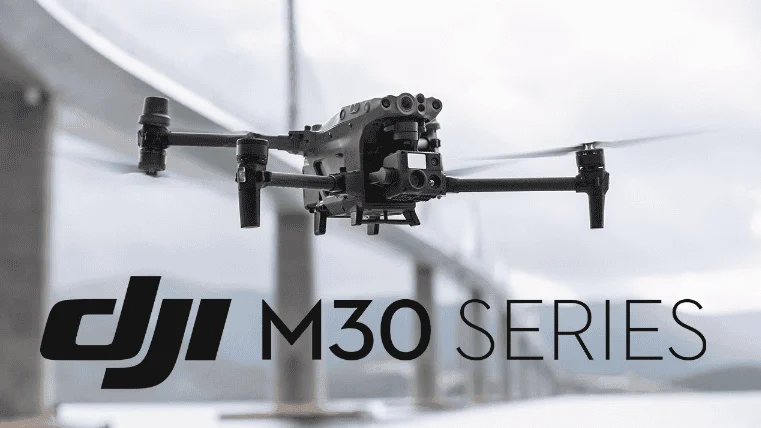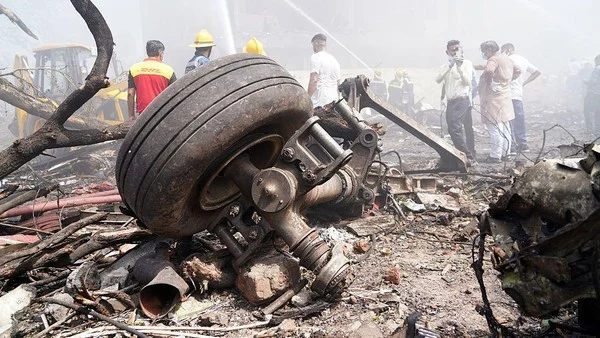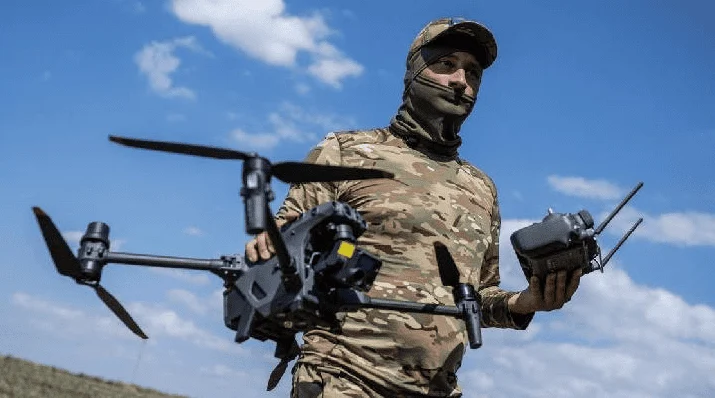
The landscape of modern warfare is undergoing a radical transformation in Eastern Europe, driven by the unprecedented surge in the development and deployment of First-Person View (FPV) drones. Since the onset of the full-scale invasion in 2022, Ukraine has transitioned from a reliance on conventional military hardware to becoming a global leader in the production and tactical application of low-cost, high-precision aerial systems. This industrial pivot is not merely a response to immediate battlefield needs but a calculated long-term strategy to achieve technological parity and eventual superiority over a numerically larger adversary. By 2025, the Ukrainian government and private sector aim to manufacture over 4.5 million FPV units, backed by a massive $2.6 billion investment, signaling a new era of decentralized, tech-driven defense manufacturing.
The Evolution of FPV Drones in the Ukrainian Conflict
The rise of FPV drones in Ukraine can be traced through a distinct chronology of necessity and innovation. In the early months of the 2022 invasion, Ukrainian forces relied heavily on commercial off-the-shelf quadcopters, primarily for reconnaissance and artillery spotting. However, as the conflict evolved into a war of attrition, the need for precision strike capabilities that did not require expensive cruise missiles or limited artillery shells became apparent.
By mid-2023, the "Army of Drones" initiative, spearheaded by the Ministry of Digital Transformation, began to bridge the gap between grassroots volunteer efforts and official military procurement. What started as hobbyist workshops assembling drones in garages has matured into a sophisticated industrial network. By late 2024, the Ukrainian defense ministry reported that domestic production had reached a scale where FPV drones were being delivered to the front lines in the tens of thousands per month. The jump to a 4.5-million-unit target for 2025 represents a nearly fivefold increase in output, reflecting the maturation of supply chains and the integration of automated assembly processes.
Strategic Advantages of FPV Technology
The tactical utility of FPV drones stems from their unique combination of low cost and high lethality. Unlike traditional loitering munitions, which can cost upwards of $100,000 per unit, a standard FPV drone can be produced for $400 to $600. When equipped with a rocket-propelled grenade (RPG) warhead or specialized explosives, these drones are capable of disabling multi-million dollar main battle tanks, such as the T-90, or destroying high-value electronic warfare systems.
Furthermore, the "First-Person View" aspect provides pilots with an immersive, real-time video feed, allowing for extreme maneuverability. Pilots can fly these drones into trench openings, through the doorways of fortified buildings, or directly into the hatches of armored vehicles. This level of precision minimizes collateral damage and ensures a high success rate for missions that would otherwise require high-risk infantry assaults. The psychological impact on enemy forces is also significant, as the constant presence of "kamikaze" drones creates a persistent threat environment where nowhere is truly safe.
A Growing Industrial Ecosystem: Key Players and Innovation
The rapid scaling of production is supported by a diverse ecosystem of state-owned enterprises, private startups, and international collaborators. While the Ukrainian government provides the overarching framework and funding, the actual innovation is happening within hundreds of small to medium-sized enterprises (SMEs) across the country.
- State-Led Initiatives: The Ukrainian government has streamlined the bureaucratic process for drone certification, reducing the time it takes for a new model to move from the testing phase to the front lines from months to weeks. The $2.6 billion allocation for 2025 serves as a guaranteed purchase fund, giving manufacturers the financial security to invest in long-term production facilities.
- Private Sector Agility: Companies like Wild Hornets and various tech startups have pioneered the use of 3D printing and locally sourced components to bypass international supply chain bottlenecks. These entities focus on creating modular designs that can be easily repaired or upgraded in the field.
- International Cooperation: While much of the assembly is domestic, Ukraine maintains vital partnerships with Western allies for the procurement of high-end components, such as thermal imaging cameras, advanced microchips, and secure communication modules. These partnerships also involve knowledge sharing, where Ukrainian combat data is used to refine Western drone defense technologies.
Statistical Growth and Battlefield Efficacy
The quantitative data regarding Ukraine’s drone program paints a picture of exponential growth. Reports from February 2025 indicate a 22% increase in FPV drone strikes compared to January 2025. This uptick is directly correlated with the stabilization of domestic production lines and the improved training of drone operators.
Efficiency metrics also show that FPV drones are now responsible for a significant percentage of armor losses on the battlefield. In some sectors of the front, drone units have reported that up to 60% of enemy equipment neutralized was the result of FPV or loitering munition strikes. This shift has allowed Ukraine to conserve its stockpile of expensive Western-supplied missiles, such as the Javelin or NLAW, for high-priority targets that drones cannot yet engage effectively.
Overcoming Critical Challenges: Supply Chains and Electronic Warfare
Despite the successes, the path to 4.5 million drones is fraught with obstacles. The most pressing challenge is the global supply chain for components. Many essential parts, including motors and flight controllers, are manufactured in China, which has occasionally imposed export restrictions on "dual-use" technologies. Ukraine has responded by incentivizing the domestic production of these components, aiming for a "sovereign supply chain" that is immune to external political pressure.
Another significant hurdle is the escalation of Electronic Warfare (EW). Russian forces have deployed increasingly sophisticated signal-jamming systems designed to sever the link between the drone and its pilot. To counter this, Ukrainian engineers are integrating artificial intelligence (AI) into FPV systems. These "smart" drones can use machine vision to lock onto a target in the final stage of flight, allowing them to complete the strike even if the control signal is lost due to jamming. Additionally, the development of "frequency-hopping" radios and the use of fiber-optic tethers are being explored to maintain control in high-interference environments.
Broader Implications for Global Defense and the Economy
The "drone-ification" of the Ukrainian military has implications that extend far beyond its borders. Military analysts worldwide are closely watching the conflict to rewrite the manual on asymmetric warfare. Traditional defense contractors in the United States and Europe are now pivoting toward smaller, cheaper, and more numerous autonomous systems, realizing that the era of relying solely on a few "exquisite" and expensive platforms may be ending.
Economically, the drone industry has become a rare bright spot for Ukraine’s war-torn economy. The sector has created thousands of high-tech jobs, from engineering and software development to logistics and manufacturing. By fostering a culture of innovation, Ukraine is positioning itself to be a major exporter of combat-proven drone technology in the post-war era. The expertise gained in managing large-scale drone operations and counter-drone measures will likely make Ukraine a central hub for global defense technology for decades to come.
The Road Ahead: 2025 and Beyond
As Ukraine moves toward its ambitious 2025 goals, the focus is shifting from sheer quantity to qualitative superiority. The next phase of production will likely emphasize:
- Swarm Intelligence: Developing software that allows multiple drones to coordinate attacks autonomously, overwhelming enemy air defenses through sheer numbers and synchronized maneuvers.
- Night Operations: Equipping a larger percentage of the FPV fleet with thermal and low-light sensors to deny the enemy the cover of darkness.
- Integration with Ground Robotics: Creating a unified ecosystem where aerial drones provide reconnaissance and cover for unmanned ground vehicles (UGVs) performing demining or casualty evacuation.
Conclusion
The surge in FPV drone production in Ukraine represents a pivotal moment in 21st-century military history. By leveraging domestic ingenuity and significant state investment, Ukraine has successfully integrated high-tech solutions into a traditional war of attrition. While challenges such as electronic warfare and supply chain vulnerabilities remain, the commitment to producing 4.5 million units by 2025 underscores a clear strategic vision: the future of national sovereignty lies in the ability to innovate faster than the enemy. This technological revolution is not only defending Ukraine’s borders but is also setting a new standard for how modern conflicts will be fought and won across the globe. Through the lens of an FPV drone, the world is witnessing the birth of a new industrial-military complex—one that is decentralized, agile, and profoundly effective.