The ethereal beauty of the polar regions, a constant source of awe and artistic inspiration for photographer Paul Nicklen, is increasingly becoming a stark testament to the accelerating impacts of climate change. Through iconic images like "Ice Waterfall" and "The Last Stand," Nicklen captures not just the dramatic landscapes but also the profound fragility of these critical ecosystems. These photographs, which have graced prestigious publications like National Geographic and the cover of Pearl Jam’s "Gigaton" album, serve as powerful visual narratives of a rapidly transforming Arctic, urging a global reckoning with environmental responsibility.
A Childhood Immersed in Ice: The Genesis of a Passion
Nicklen’s lifelong connection to the polar world was forged in his early childhood. At the age of four, his family relocated to Baffin Island, a vast expanse of frozen wilderness in Canada’s Arctic. This formative experience, spent within a predominantly Inuit community, provided him with an intimate understanding of the delicate balance of life in extreme environments. Guided by Inuit elders, he learned essential survival skills—tracking animals, navigating treacherous ice formations, and enduring frigid temperatures. These experiences were not merely practical; they instilled a deep respect for the land and its inhabitants, shaping his future as a National Geographic photographer.
"Despite our remoteness, I felt intimately connected to the vast, untamed world surrounding me," Nicklen reflects, underscoring the profound sense of belonging he found in the Arctic. This early immersion cemented his fascination with polar regions, a passion that has driven his photographic expeditions to both the Arctic and Antarctic continents for decades. His work consistently highlights the intricate relationship between wildlife and their icy habitats, revealing how the harshest aspects of these environments are precisely what enable the survival and resilience of species uniquely adapted to them.
The Art of Ice: Capturing Ephemeral Wonders
Photographing ice presents a unique set of artistic challenges and opportunities. The interplay of light, refraction, and scattering through frozen crystals creates an ever-changing canvas of intricate patterns and textures. As Nicklen notes, even the same iceberg, viewed from the same vantage point, can yield a different image with each passing moment. This dynamic nature of ice demands constant vigilance and adaptability from the photographer.
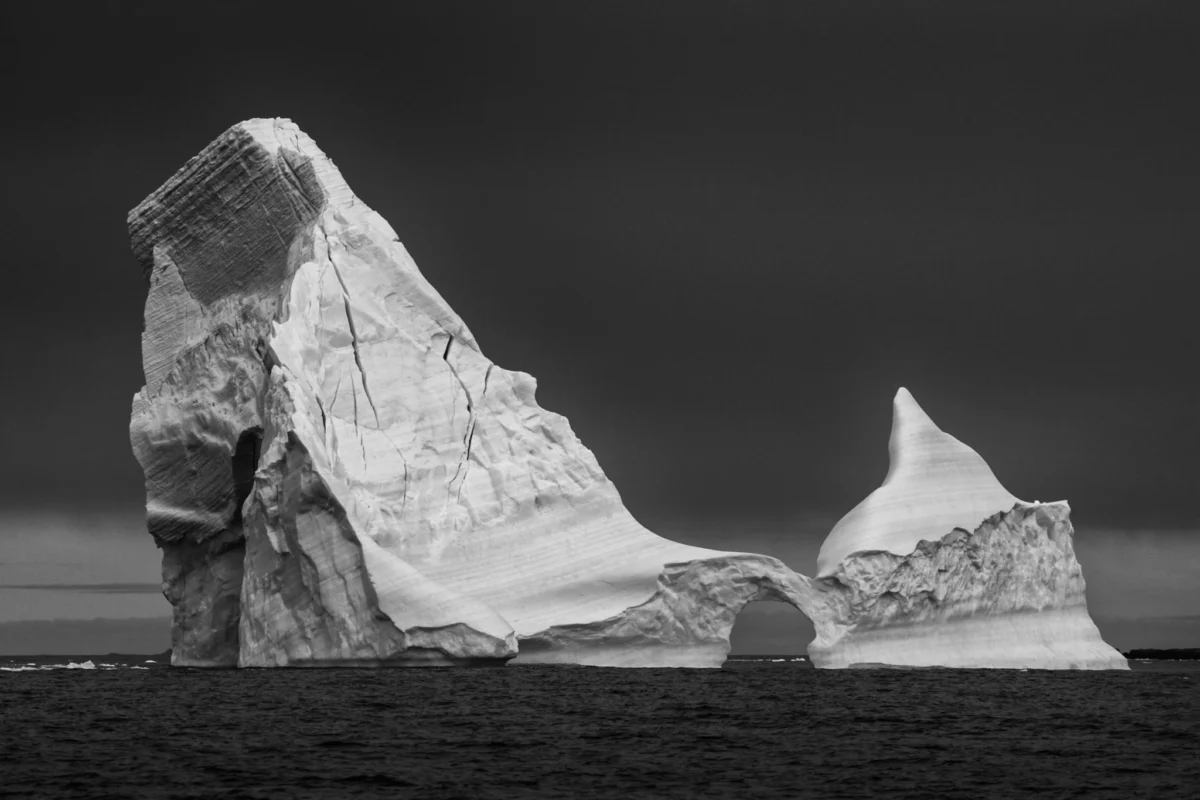
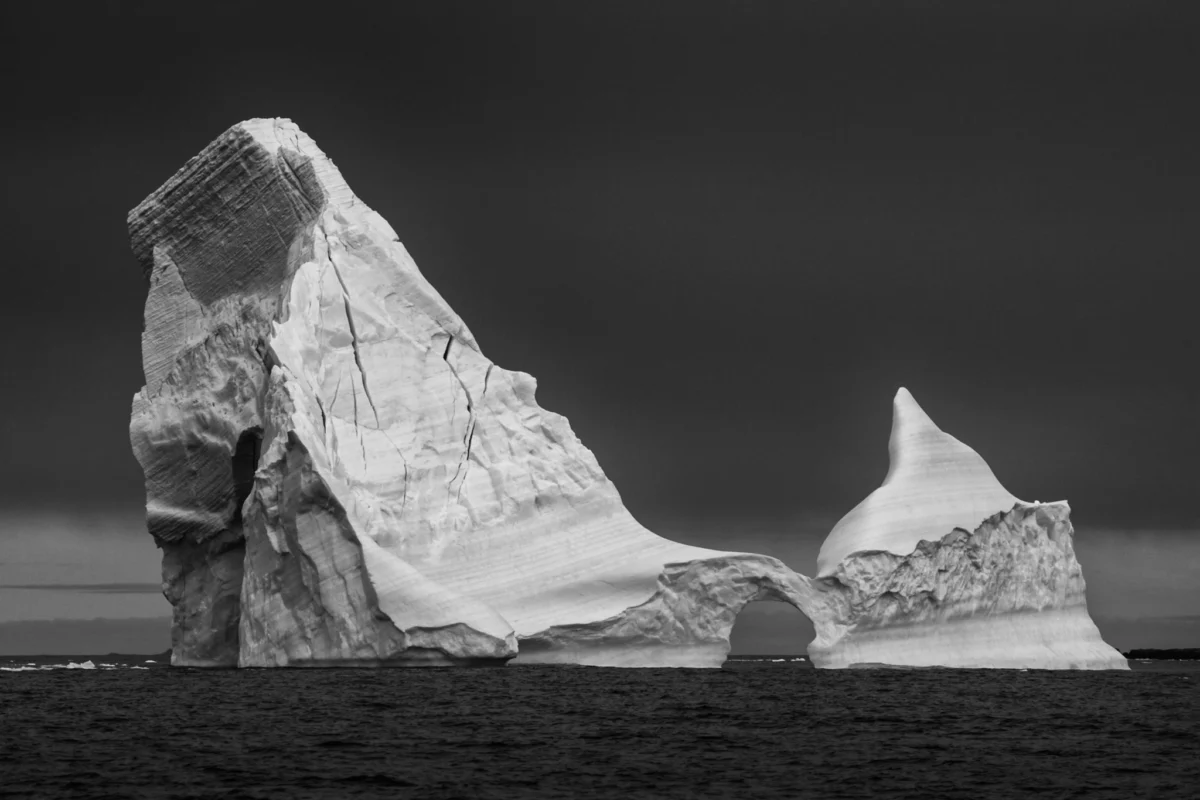
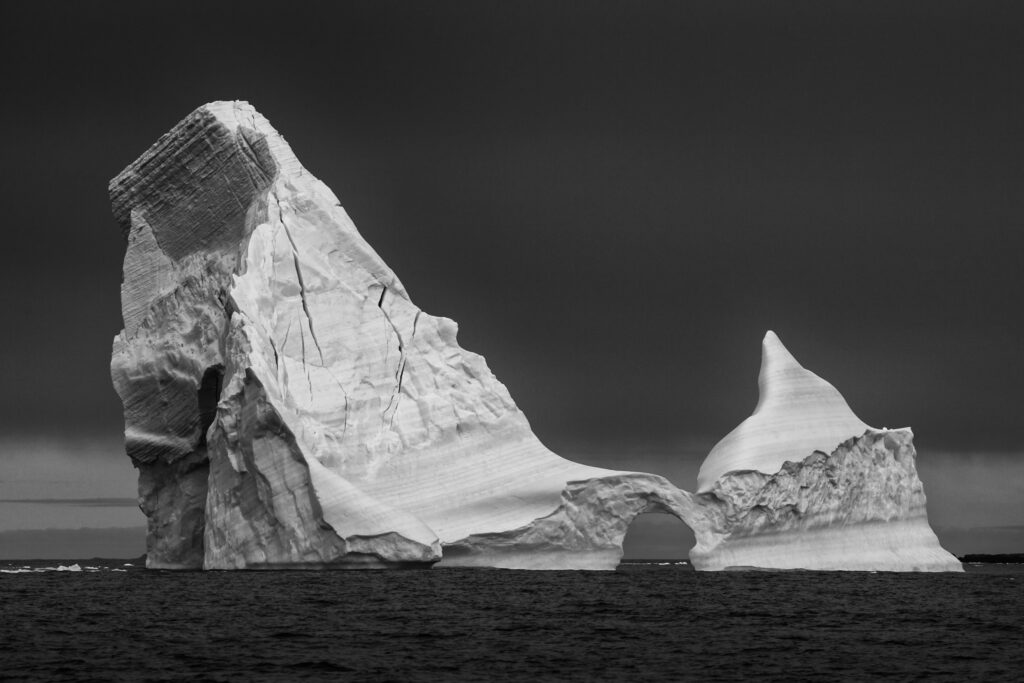
However, this same transience also imbues the subject with a profound sense of urgency. Nicklen recounts an expedition to Antarctica where he meticulously composed a shot of a delicate ice arch, poised between towering ice spires. Just as he finalized his framing, a deep rumble echoed across the water. In mere seconds, the magnificent structure collapsed into the sea, its disintegration accompanied by a thunderous crackle and a surge of waves. This dramatic event, a testament to the powerful forces of nature—tumultuous seas, prolonged winters, and fierce winds—vanished before his eyes, leaving him with a powerful, albeit fleeting, image. This ephemeral nature of ice formations underscores the precariousness of these environments.
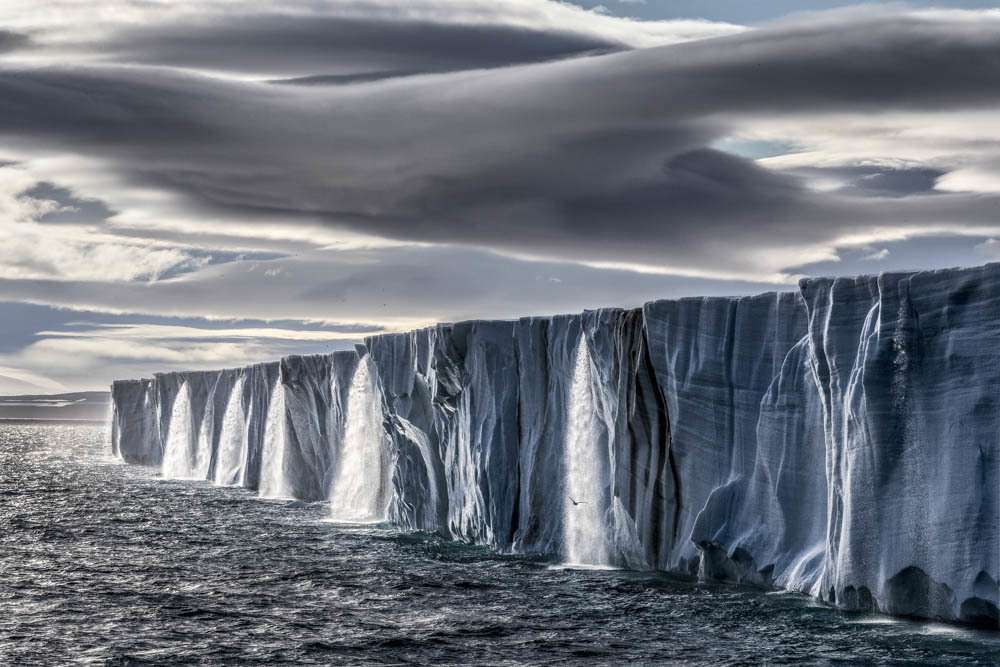
"Ice Waterfall": A Symbol of a Vanishing Arctic
One of Nicklen’s most impactful photographs, "Ice Waterfall," encapsulates this confluence of art, storytelling, and conservation. The image, featuring dark clouds, cascading ice falls, and the immense Nordaustlandet ice cap, vividly narrates the story of a disappearing Arctic. Its evocative power has resonated globally, finding a place in homes and influencing discussions on climate change.
"Ice Waterfall" has been recognized by prominent figures in environmental advocacy, notably Al Gore, and played a pivotal role as the gatefold opening spread in National Geographic’s "Cool It" Issue in 2015. Its inclusion on the cover of Pearl Jam’s "Gigaton" album further amplified its message to a wider audience. Regardless of its display—whether on a small screen or as a large-format art print in a gallery—the photograph’s message remains undiminished: a timeless piece with an urgent call to action for the preservation of polar regions.
The Fragility of Polar Ecosystems: A Looming Crisis
The scientific consensus on climate change unequivocally points to the polar regions as bellwethers of global environmental shifts. Data from organizations like the Intergovernmental Panel on Climate Change (IPCC) consistently highlight the accelerated warming in the Arctic, which is occurring at a rate two to three times faster than the global average. This rapid warming has profound implications for sea ice extent and thickness, ice sheet mass balance, and permafrost stability.
Nicklen’s observations from his decades of fieldwork align with these scientific findings. He notes the existence of a hidden reservoir of life beneath the snow and icy seas, a testament to the remarkable adaptations of polar wildlife. Animals such as seals, polar bears, and various seabird species have not only evolved to survive in these extreme conditions but also depend on the predictable ebb and flow of the ice for crucial life stages—rearing young, foraging for food, and finding mates.
However, this very specialization renders polar ecosystems exceptionally vulnerable. The diminishing ice cover in both Arctic and Antarctic seas directly threatens the survival of many iconic species. For instance, polar bears rely heavily on sea ice platforms for hunting seals, their primary food source. Reductions in sea ice extent and duration force them to swim longer distances, expend more energy, and face increased risks of starvation, particularly for cubs. Similarly, ringed seals depend on snow dens built on sea ice for protection and birthing. Changes in ice stability and snow cover directly impact pup survival rates.
"The Last Stand": A Symbol of Antarctic Vulnerability
Another of Nicklen’s poignant works, "The Last Stand," captures the breathtaking, yet precarious, beauty of Antarctica. The photograph depicts a delicate ice arch, a fleeting masterpiece sculpted by the elements, just before its inevitable plunge into the sea. Nicklen’s hurried efforts to immortalize this natural wonder underscore the transient nature of Antarctic landscapes and the urgent need for their protection. The beauty of Antarctica, as he observes, is as fragile as it is captivating, serving as a stark reminder of the consequences of inaction on climate change.
The Antarctic, too, is experiencing significant climatic shifts, though the patterns of change can differ from the Arctic. While the Antarctic Peninsula is one of the fastest-warming regions on Earth, other areas, such as East Antarctica, have shown more complex warming trends. Nevertheless, the overall impact on ice shelves, glaciers, and the surrounding Southern Ocean is substantial, affecting everything from krill populations, the base of the Antarctic food web, to the marine mammals and seabirds that depend on them.
A Global Call to Action: Hope for a Better Future
Witnessing the profound transformations in the Arctic, his childhood home and a place of deep personal significance, has instilled in Nicklen a dual sense of urgency and hope. "Over the decades, I have witnessed the Arctic, my childhood home and the first place where I truly belonged, evolve before my eyes," he states, conveying the emotional weight of these changes.
Despite the mounting pressures of a warming planet and the undeniable evidence of environmental degradation, Nicklen remains optimistic about humanity’s capacity to alter its course. He believes that collective action, fueled by a shared love for the natural world, can lead to meaningful change. "Despite the growing pressures of a warming world, I still feel we can change our course and protect our fellow wildlife—especially with the support of readers like you who share my love for the natural world," he emphasizes.
This sentiment is echoed by numerous scientific bodies and environmental organizations that advocate for immediate and ambitious climate action. The findings of the IPCC’s Sixth Assessment Report underscore that limiting global warming to 1.5°C above pre-industrial levels, as outlined in the Paris Agreement, requires deep, rapid, and sustained reductions in global greenhouse gas emissions. Achieving this goal necessitates a transition to renewable energy sources, enhanced energy efficiency, sustainable land use practices, and the protection of vital carbon sinks like forests and oceans.
The implications of failing to act are dire. Beyond the direct threats to polar ecosystems and wildlife, the melting of polar ice sheets contributes significantly to global sea-level rise, posing risks to coastal communities worldwide. Changes in polar ice cover also influence global weather patterns and ocean circulation, potentially leading to more extreme weather events and disrupting delicate ecological balances far beyond the polar regions.
Nicklen’s photographic legacy serves as a powerful catalyst for dialogue and action. By transforming ephemeral moments of natural beauty into enduring visual narratives, he compels viewers to confront the realities of a changing planet and to consider their role in safeguarding its future. His message, "We are in this together, and we will solve this together," is a testament to the power of collaboration and shared responsibility in the face of one of humanity’s most significant challenges. The ongoing transformation of the Arctic and Antarctic is not merely a distant environmental concern; it is a global imperative that demands our immediate attention and collective commitment to a sustainable future.