The intersection of classic digital photography and the evolving climate crisis has come into sharp focus following reports from Worcestershire, where enthusiasts and professionals alike are documenting the most significant transformation of the English countryside in recent memory. On August 4, 2026, prominent photographic commentator Hamish Gill detailed an excursion to the Old Hills near Callow End, an area typically characterized by its lush, rolling greenery, which has now been rendered unrecognizable by a multi-month drought. Choosing the venerable Panasonic LX100 over more modern, high-resolution mirrorless systems like the Nikon Zf, Gill highlighted a growing trend among documentarians who prioritize portability and tactile functionality when capturing the stark realities of a changing environment.
The 2026 Summer Drought and the Worcestershire Landscape
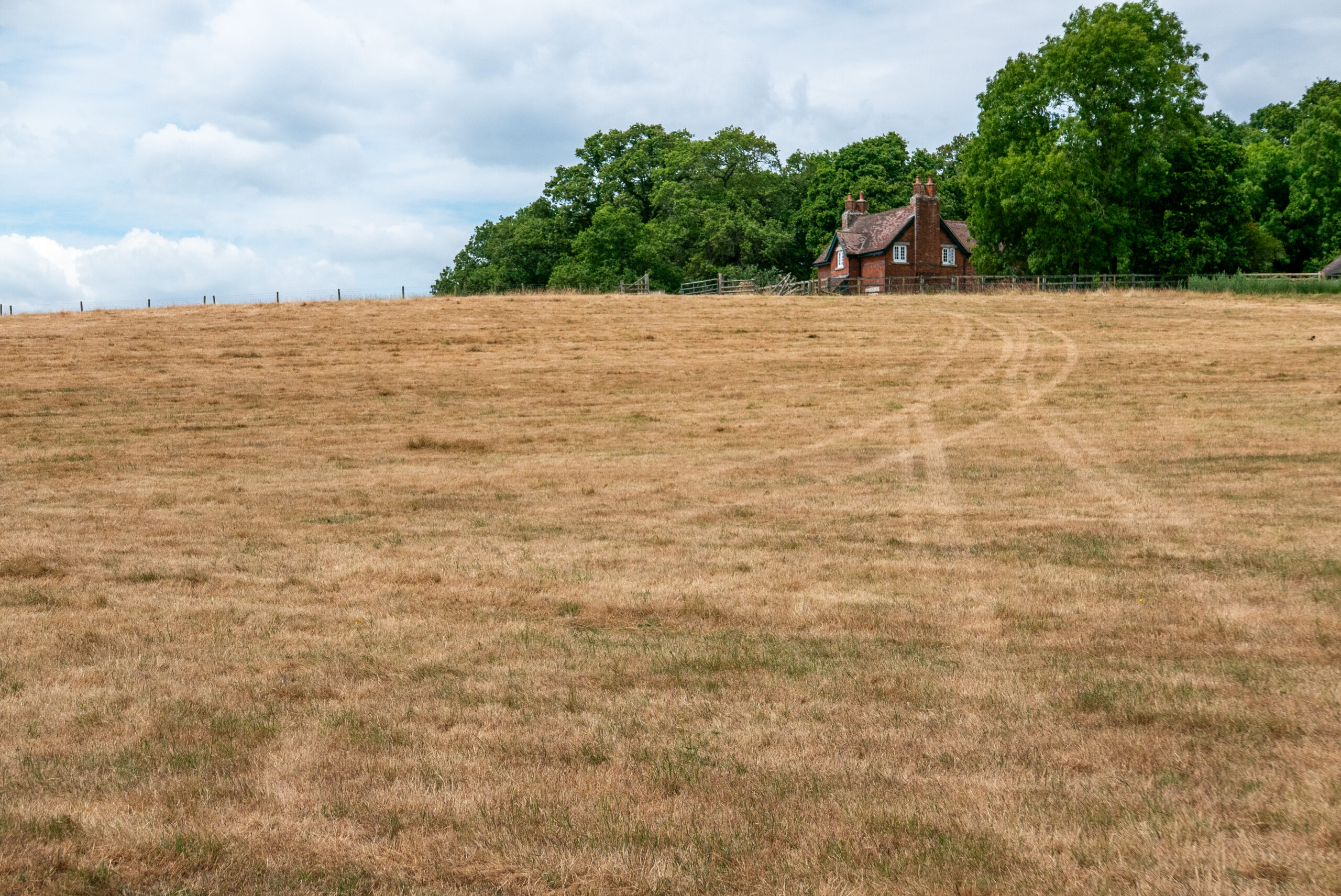
The West Midlands has experienced an unprecedented climatic shift throughout the summer of 2026. According to meteorological data, the region has seen a "vanishingly small" amount of precipitation since the late spring, leading to a landscape that local observers describe as "parched" and "yellow." The Old Hills, a popular destination for walkers and photographers located in the Malvern Hills District, has served as a primary case study for this environmental shift.
While temperatures on the day of the excursion hovered in the low twenties—a temporary reprieve from the higher extremes recorded earlier in the season—the cumulative effect of the heat remains visible. The traditionally green fields of Worcestershire have been replaced by crisp, dry grass, a phenomenon that has sparked significant discourse regarding the long-term impacts of climate change on the United Kingdom’s biodiversity and agricultural stability.
Chronology of a Shifting Photographic Philosophy
The decision to utilize a decade-old compact camera platform in 2026 reflects a broader shift in the photographic community. For several months leading up to August, Gill had predominantly used the Nikon Zf, a full-frame mirrorless camera known for its retro aesthetics and advanced sensor technology. However, the physical demands of navigating a dehydrated landscape, coupled with the desire for a less intrusive workflow, led to a return to the Panasonic LX100.
The timeline of this transition is indicative of a "minimalist" movement within the industry:
- Spring 2026: Heavy reliance on high-specification mirrorless systems for professional documentation.
- Early Summer 2026: Increasing temperatures lead to "kit fatigue," where the weight of professional gear becomes a deterrent to spontaneous photography.
- August 2026: A documented return to "premium compacts" that offer manual controls without the bulk of interchangeable lens systems.
During a walk with his dog, Kippy, Gill noted that the LX100 allowed for a more immediate connection with the environment. The lack of an articulated screen and the aging viewfinder technology were reportedly secondary to the camera’s ability to "just work effortlessly," allowing the photographer to focus on the narrative of the landscape rather than the settings of the device.
Technical Analysis of the Panasonic LX100 in a Modern Context
Despite being succeeded by the LX100 II and facing competition from the Sony RX100 series and the Ricoh GR III, the original Panasonic LX100 maintains a unique position in the 2026 market. Its appeal lies in its physical interface, which includes dedicated dials for shutter speed and exposure compensation, as well as an aperture ring on the lens.

Key Specifications and Utility:
- Sensor: Large Micro Four Thirds sensor providing a balance between portability and image quality.
- Lens: 24-75mm (equivalent) f/1.7-2.8 Leica DC Vario-Summilux, offering versatility in varied lighting conditions.
- Interface: Physical controls that allow for "blind" adjustments, essential for photographers who wish to remain engaged with their surroundings.
- Customization: The ability to set stepped zoom intervals (24mm, 28mm, 35mm, 50mm, 70mm, 75mm) provides a disciplined approach to framing, mimicking the experience of carrying multiple prime lenses.
Industry analysts suggest that the enduring popularity of such cameras in 2026 is a reaction against the "over-specification" of modern smartphones and AI-integrated mirrorless cameras. The LX100 offers a tactile, "analog-adjacent" experience that resonates with those documenting the organic—and often distressing—changes in the natural world.
Environmental Implications and Social Reactions
The visual transformation of the Old Hills has become a focal point for local discussions on climate policy. For decades, the aesthetic of the English countryside has been defined by its verdant hues. The transition to a "yellow and grey" palette is not merely a seasonal change but a symptom of a broader ecological narrative.
Observers have noted that while snow creates an aesthetic shift that feels temporary and "magical," the browning of the hills due to drought carries a heavier narrative weight. It signifies a loss of vitality and a threat to the local ecosystem. In conversations between residents and visitors at the Old Hills, the "crisp, dry grass" has become a literal and metaphorical friction point, reminding the public of the fragility of the local climate.
Environmental agencies in the UK have issued several statements throughout August 2026, urging the public to remain vigilant regarding fire risks in these parched areas. The "Old Hills" are particularly vulnerable due to their elevation and exposure to the sun, making the documentation of these conditions vital for historical records.

The Role of "Everyday Carry" Cameras in Documentation
The concept of the "Everyday Carry" (EDC) camera has evolved from a hobbyist trend into a tool for consistent environmental monitoring. By carrying a camera like the LX100 even when "photography isn’t the primary goal," individuals like Gill are inadvertently creating a daily archive of the planet’s health.
The anxiety associated with leaving the house without a camera—often termed "photographer’s FOMO" (Fear Of Missing Out)—has, in this instance, resulted in a valuable set of images that contrast the current drought against twenty years of historical memory. Gill’s familiarity with the Old Hills over two decades provides a baseline that makes the current "parched" state even more jarring.
Market Trends: The Resurgence of the Premium Compact
The 2026 camera market has seen a surprising stabilization in the prices of used premium compacts. As manufacturers focus on high-margin, professional mirrorless bodies, a vacuum has been created for enthusiasts who desire a "pocketable" camera with a physical shutter and high-quality glass.
Data from secondary market platforms indicates that the Panasonic LX100 series, the Fujifilm X100 series, and the Ricoh GR series have seen a 15% increase in demand over the last 18 months. This is attributed to:

- Simplicity: A desire to escape the complex menus of modern hybrid cameras.
- Intentionality: Physical dials encourage a more thoughtful approach to exposure.
- Authenticity: A preference for "straight-out-of-camera" results that capture the true colors of a parched landscape without the aggressive HDR processing found in modern smartphones.
Conclusion and Future Outlook
As the summer of 2026 continues, the images captured on the Old Hills serve as both a technical testament to the longevity of the Panasonic LX100 and a somber report on the state of the British environment. The shift from "rolling green fields" to a "parched landscape" is a narrative that requires constant, effortless documentation—a task for which the compact digital camera remains uniquely suited.
While the Nikon Zf and similar high-end systems will always have a place in professional photography, the events in Worcestershire demonstrate that the best camera is often the one that does not act as a burden. As climate patterns continue to fluctuate, the role of the photographer as a witness is increasingly defined by their ability to remain present in the moment, aided by tools that disappear into the workflow. The LX100, despite its age and minor technical shortcomings, continues to fulfill this role, capturing a world that is changing one dry blade of grass at a time.