The predawn chill of the Pacific Ocean, a familiar companion during the SeaLegacy 1’s journey from Mexico to Tahiti, held an unusual charge this morning. Beneath a sky still ablaze with stars and a luminous full moon, the crew and I prepared for what promised to be the expedition’s most anticipated dive. The rhythmic hum of the vessel, a constant backdrop to our Pacific crossing, was amplified by a palpable sense of excitement as we donned our masks and slipped into the inky blackness of the deep. What began as a deceptive calm would soon erupt into one of the ocean’s most profound and awe-inspiring spectacles.
The Fakarava Atoll: A Sanctuary of Biodiversity
Located approximately 700 nautical miles north of Papeete, the Fakarava atoll is a UNESCO Biosphere Reserve, renowned for its pristine turquoise lagoons, postcard-perfect beaches, and vibrant coral reefs. This remote paradise serves as a critical habitat for an astonishing array of marine life, including countless species of fish, majestic sea turtles, graceful manta rays, and, of course, sharks. For much of the year, these creatures coexist in a delicate equilibrium, their lives intertwined within the complex tapestry of the reef ecosystem. However, as the warmer months arrive, a dramatic shift occurs, triggered by the annual spawning aggregation of groupers.

The Annual Grouper Spawning: A Biological Imperative
The phenomenon begins subtly, with an increasing number of groupers, particularly females laden with eggs and males poised for fertilization, migrating towards the mouth of the atoll’s channel. This channel, a crucial nexus between the vast open sea and the sheltered lagoon, spans approximately 10 by 30 nautical miles. The tidal dynamics here are a masterpiece of natural engineering: for six hours, the deep, nutrient-rich ocean water surges into the lagoon, followed by six hours of outflow. This constant ebb and flow not only circulates vital nutrients but also creates the ideal conditions for the dispersal of fertilized eggs. As the tide reaches its zenith around the full moon, the stage is set for one of nature’s most ancient reproductive rituals.
A Predator’s Feast: Sharks Converge on Fakarava
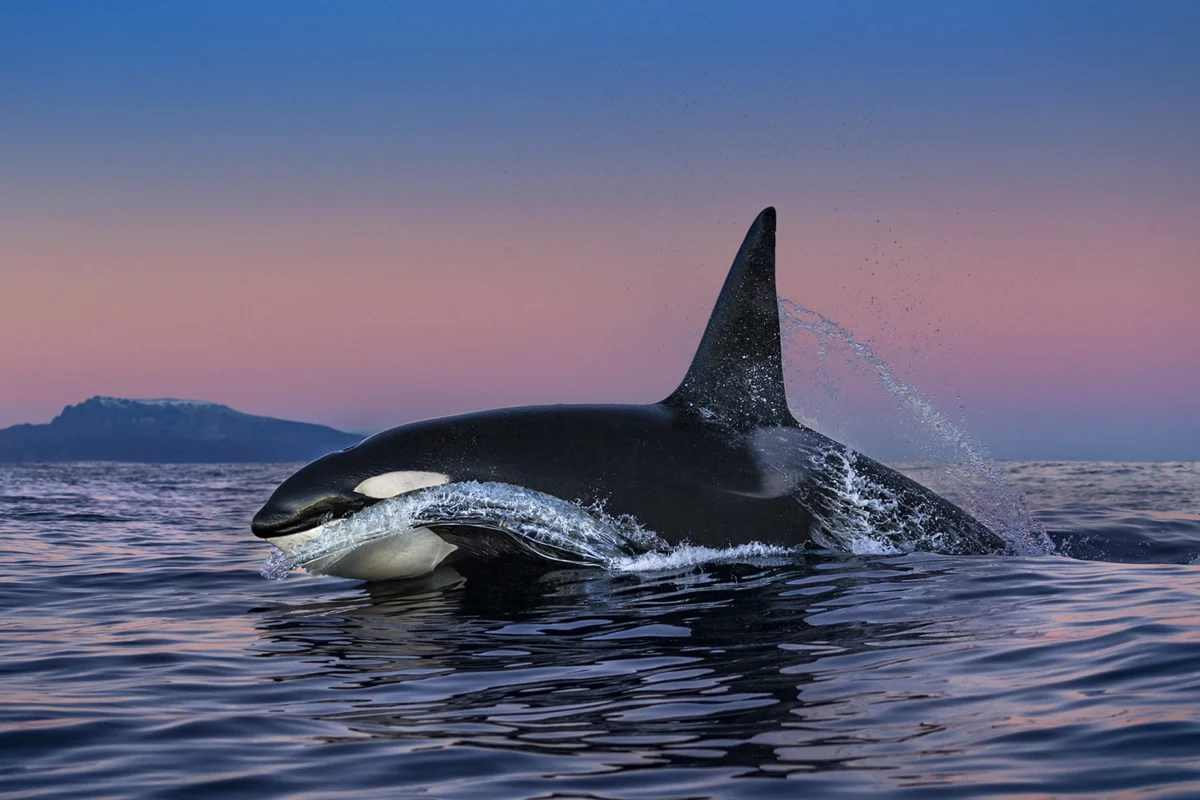
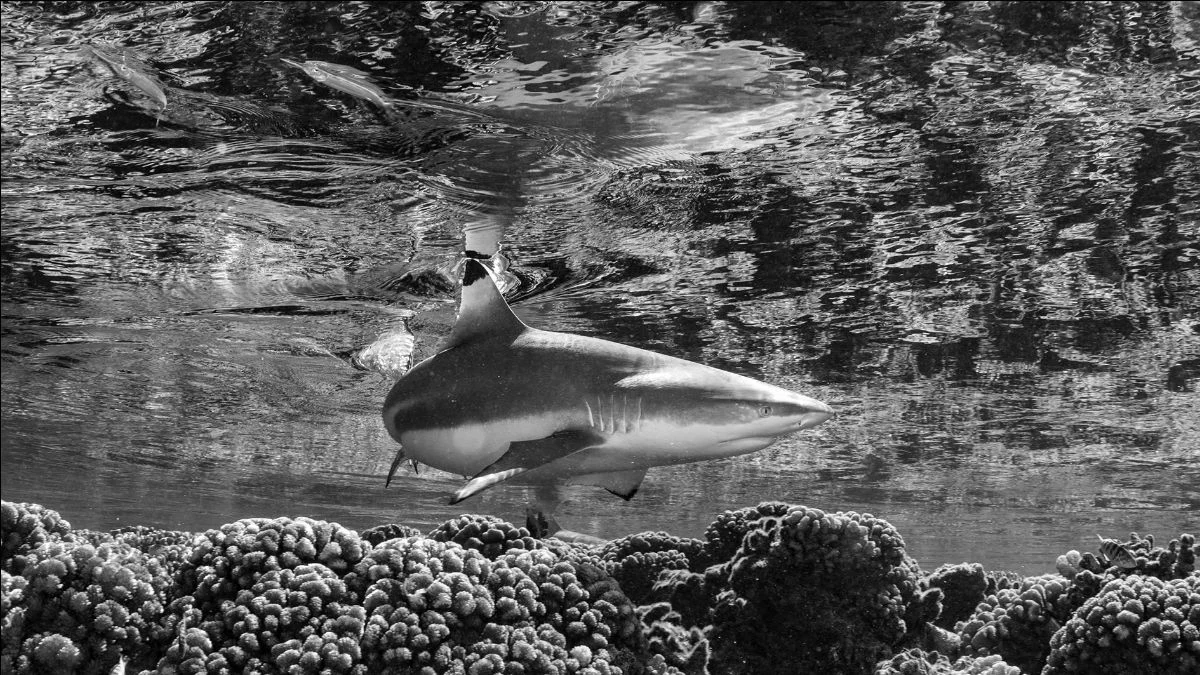
Following this biological imperative like an ancient, unerring instinct, a formidable fleet of sharks converges on the atoll. Hundreds of these apex predators, a diverse assembly of species including grey reef sharks, blacktip reef sharks, and the formidable tiger shark, patrol the reefs. They move with an almost predatory ballet, their sleek forms gliding through the water like synchronized swimmers, transforming the tranquil waters into a scene reminiscent of "motorcycle gangs" patrolling their territory. This mass gathering of sharks is not merely a coincidence; it is an integral part of the ecosystem’s functioning, a testament to the interconnectedness of life in the ocean.
The Underwater Ballet: From Calm to Chaos
Positioned strategically at the edge of the atoll, where the channel opens to the vast ocean, our team witnessed this extraordinary event unfold. As we descended along the dramatic drop-off, thousands of groupers were observed strategically positioned amongst the coral heads. Their stillness was a testament to their survival strategy; their natural camouflage, meticulously evolved over millennia, offered a fragile shield against the approaching predators. Their large eyes, like tiny periscopes, tracked the movements of the patrolling sharks. The relative quiet of the initial descent was punctuated by the sudden, sharp crack of a predator’s jaws, a grim announcement that the feeding frenzy had begun. The water, moments before serene, became a maelstrom of activity, a chaotic yet perfectly orchestrated dance of life and death.

The Climax of Reproduction and Predation
At approximately 100 feet below the surface, the groupers’ reproductive drive reached its peak. Females began releasing their eggs, transforming the surrounding waters into a cloud of potential life. This signal ignited an explosion of activity. Dozens of male groupers immediately followed each female, their efforts to fertilize the released eggs creating a visible haze of milt. In a breathtaking display, thousands of groupers synchronized their efforts, a race against time to perpetuate their species before the swift descent of the hundreds of sharks. The scene was both profoundly beautiful and starkly brutal, a fleeting moment of nature’s raw power that concluded as swiftly as it began.
Ecological Significance: The Interdependence of Life
The intricate cycles witnessed in nature, particularly those involving predation, can often appear chaotic and even violent from a human perspective, leading to questions about their ultimate purpose. However, these events are the culmination of hundreds of millennia of evolutionary refinement, resulting in a precarious state of ecological equilibrium. Every element, from the subtle mottling of a grouper’s scales to the fate of each fertilized egg – whether consumed or contributing to a new generation – plays a vital role in maintaining this delicate balance. Predators, far from being mere agents of destruction, are essential components of this system. Sharks, for instance, distribute vital nutrients across the reef, their predatory activities a crucial element in nutrient cycling and population control.
A Call for Conservation: "We Live Because of Them"
The profound realization that emerges from observing such events is that humanity’s relationship with marine wildlife is not one of cohabitation but of fundamental interdependence. As Eugenie Clark, the pioneering marine biologist, famously stated, "When you see a shark underwater, you should say, ‘How lucky I am to see this beautiful animal in his environment.’" This sentiment is echoed by the understanding that "there is no such thing as ‘learning to live’ with sharks and other wildlife. We live because of them." Their existence, and the vital roles they have played in the ocean’s health for millennia, predates human exploitation.

The photographic and filmic documentation of these natural wonders, such as Paul Nicklen’s powerful images like "Prism and Blues" and "Tiger Rising," serves not just as artistic expression but as a critical tool for conservation advocacy. By capturing the sheer wonder, raw drama, and inherent beauty of places like Fakarava, the aim is to foster a deeper appreciation for these wild and vital ecosystems. This appreciation, it is hoped, will galvanize local and international efforts to protect these irreplaceable natural heritage sites for the benefit of future generations. The future of these vibrant marine environments, and by extension, our own, depends on recognizing and safeguarding the intricate web of life that sustains them.