The annual observance of Pride Month has evolved from a localized grassroots protest in a small Manhattan neighborhood into a massive international phenomenon that attracts tens of millions of participants across the globe. While today’s celebrations are often characterized by vibrant parades and corporate sponsorships, the movement’s origins are rooted in a series of violent confrontations between law enforcement and marginalized citizens in New York City during the summer of 1969. This transition from a clandestine struggle for basic human rights to a visible, mainstream cultural force reflects a profound shift in the legal, social, and medical landscapes of the United States and the international community.
The Historical Catalyst: The Stonewall Uprising of 1969
The modern gay liberation movement is widely recognized as having begun in the early morning hours of June 28, 1969. At that time, the New York City Police Department’s vice squad conducted a raid on the Stonewall Inn, a popular gathering place for the LGBTQ+ community in the West Village. During this era, "solicitation of homosexual relations" was illegal in New York City, and bars were frequently shuttered for serving alcoholic beverages to individuals suspected of being gay.
Unlike previous raids, where patrons typically submitted to arrest or fled in fear of public shaming, the community at the Stonewall Inn chose to resist. The ensuing riots and protests lasted for six days, centered on Christopher Street and the surrounding Greenwich Village neighborhood. This act of defiance served as a catalyst for the formation of numerous activist groups, including the Gay Liberation Front and the Gay Activists Alliance. These organizations moved away from the more assimilationist strategies of earlier "homophile" groups, such as the Mattachine Society, and instead embraced a more confrontational and visible form of advocacy.
A Chronology of Advocacy and Achievement
In the decades following the Stonewall Uprising, the movement achieved a series of landmark victories that fundamentally altered the fabric of American society. The first anniversary of the riots was marked by the Christopher Street Liberation Day march on June 28, 1970, which is considered the first official Pride parade in U.S. history. This event set the precedent for an annual tradition that would eventually spread to every major city in the Western world.
The 1970s and 1980s were periods of both intense struggle and significant progress. In 1973, the American Psychiatric Association removed homosexuality from its list of mental disorders, a major step toward de-stigmatization. However, the 1980s brought the devastating HIV/AIDS epidemic, which disproportionately affected gay and bisexual men. The crisis forced the community to revolutionize its advocacy. Organizations like ACT UP (AIDS Coalition to Unleash Power) utilized direct action to demand faster drug approval processes and more funding for medical research. These efforts not only led to the development of life-saving antiretroviral therapies but also permanently changed how the medical establishment interacts with patient advocacy groups.
The legal landscape began to shift more rapidly at the turn of the century. In 2003, the Supreme Court case Lawrence v. Texas decriminalized same-sex activity nationwide. This was followed by the 2011 repeal of "Don’t Ask, Don’t Tell," allowing LGBTQ+ individuals to serve openly in the military. The most significant legal milestone occurred in 2015 with the Obergefell v. Hodges decision, which legalized same-sex marriage across all 50 states. In 2020, the Court further extended protections in Bostock v. Clayton County, ruling that the Civil Rights Act of 1964 protects employees against discrimination based on sexual orientation or gender identity.
Documenting the Contemporary Celebration: Pride 2026
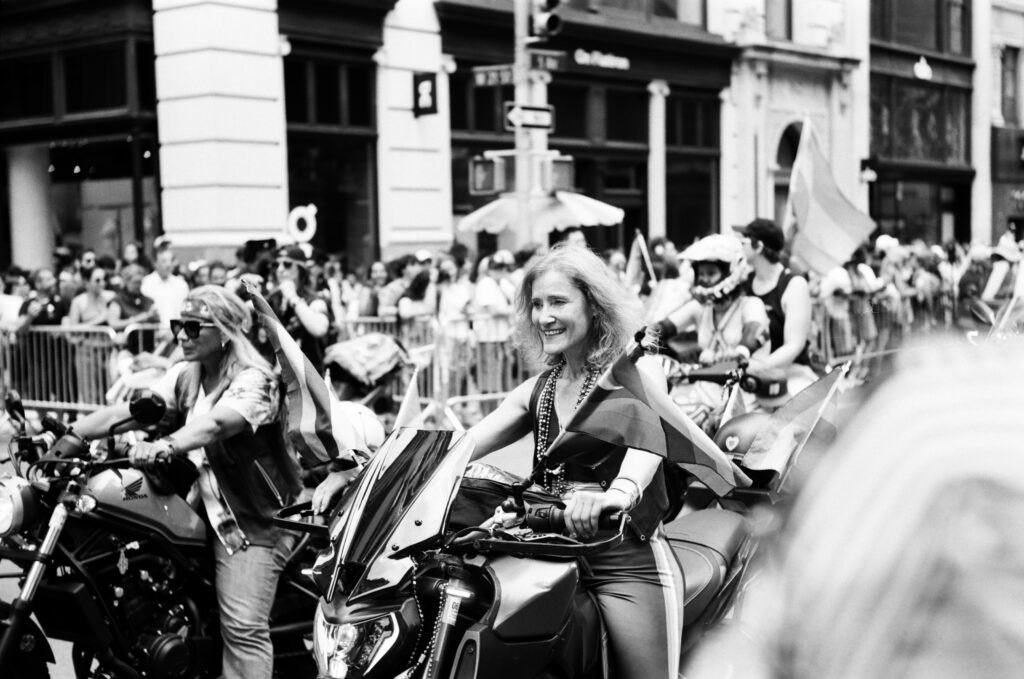
By June 2026, the New York City Pride celebrations had reached a scale that mirrored the city’s status as the birthplace of the movement. The events are now divided into two distinct but overlapping atmospheres: the official Heritage of Pride parade and the more spontaneous, grassroots gatherings that take place in the historic streets of the West Village.
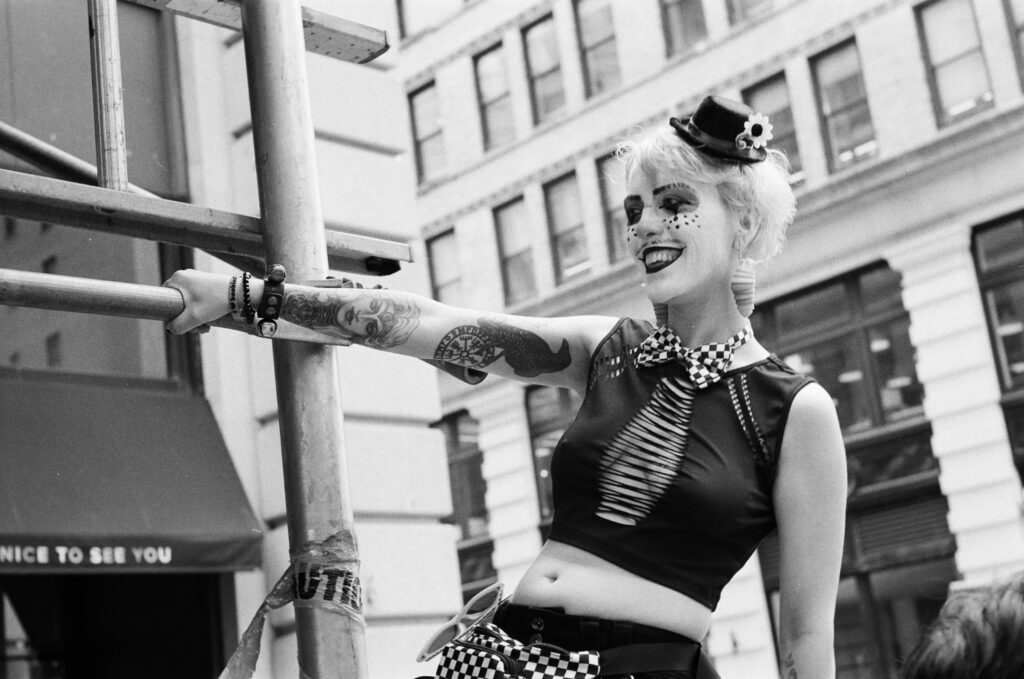
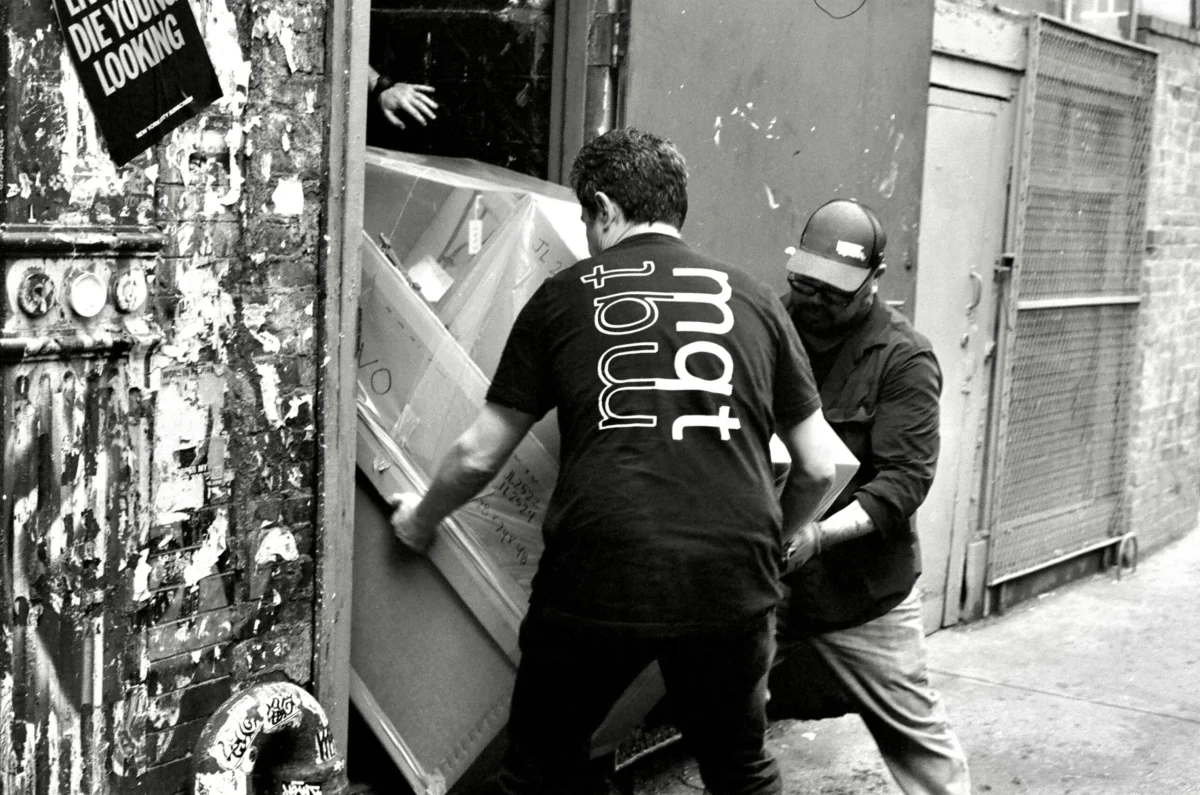
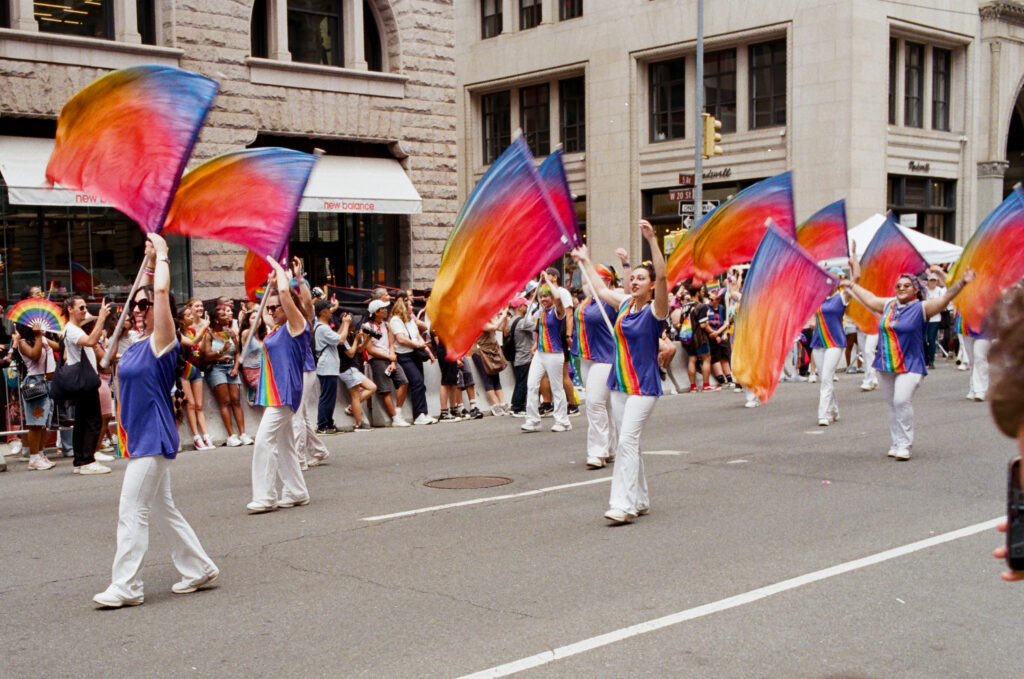
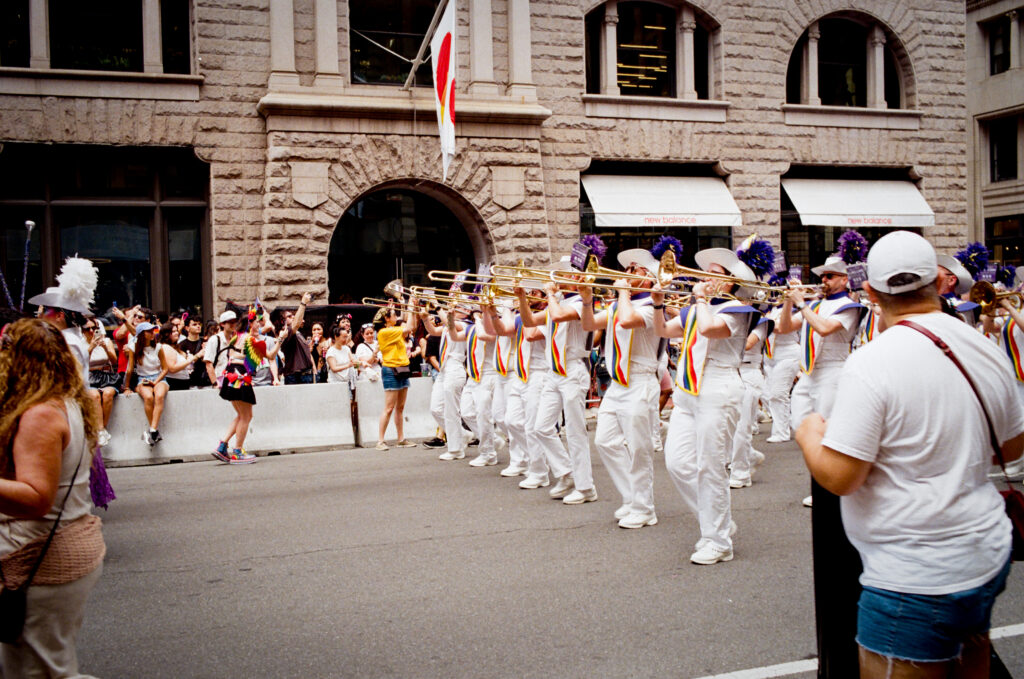
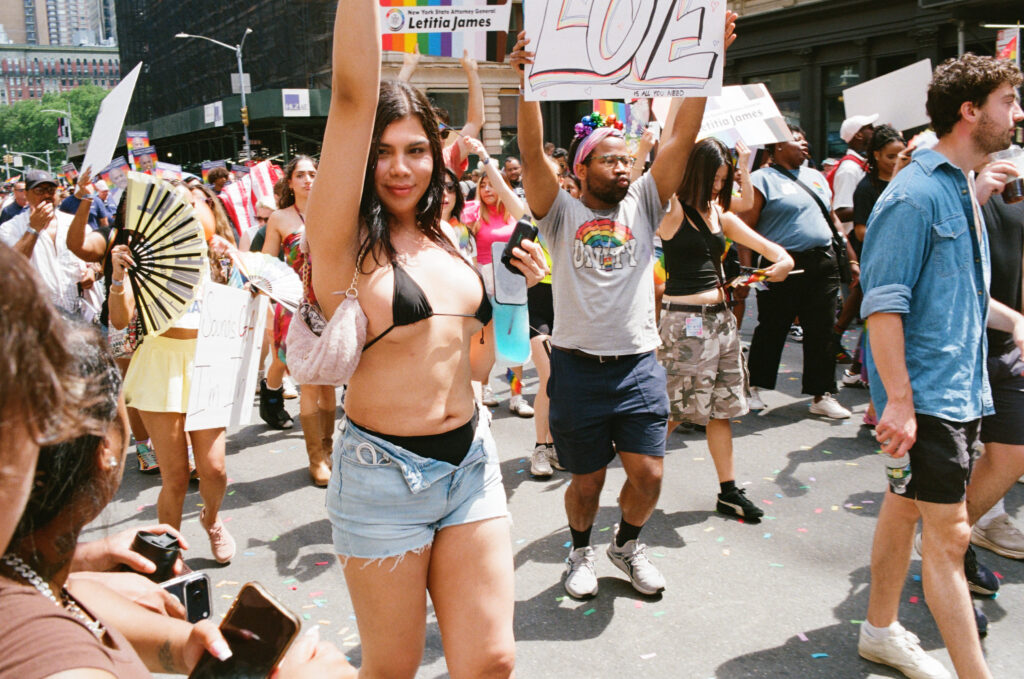
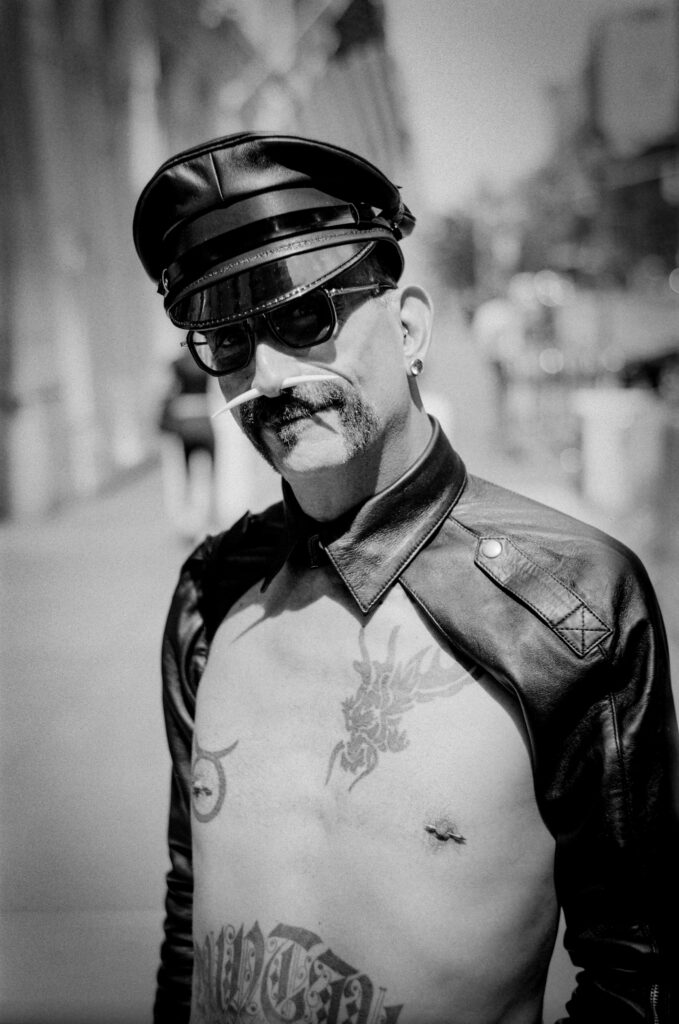
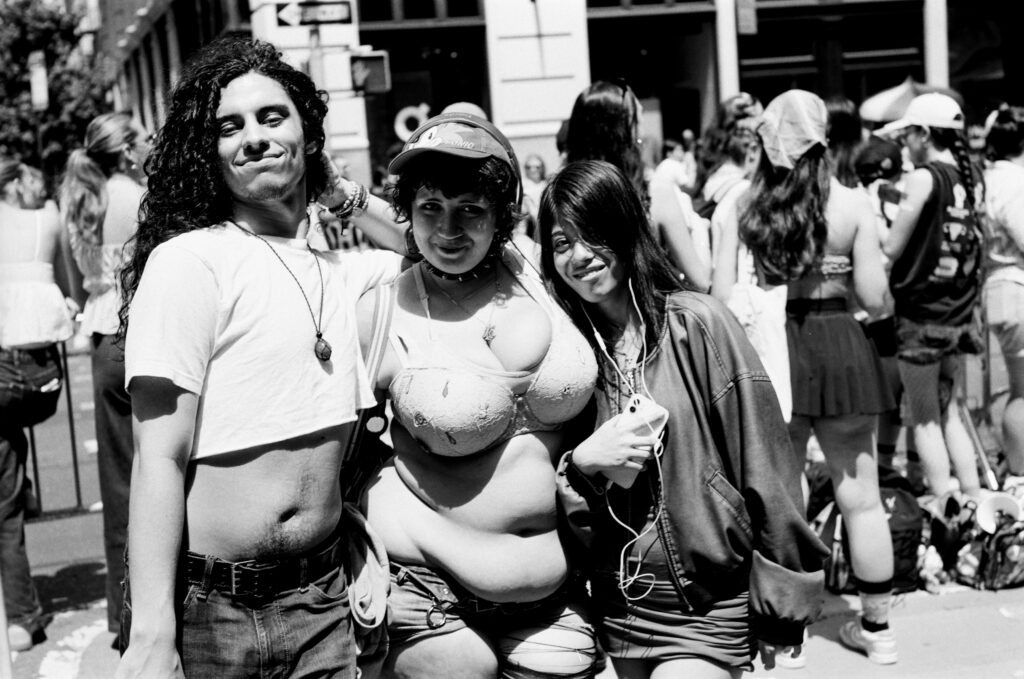
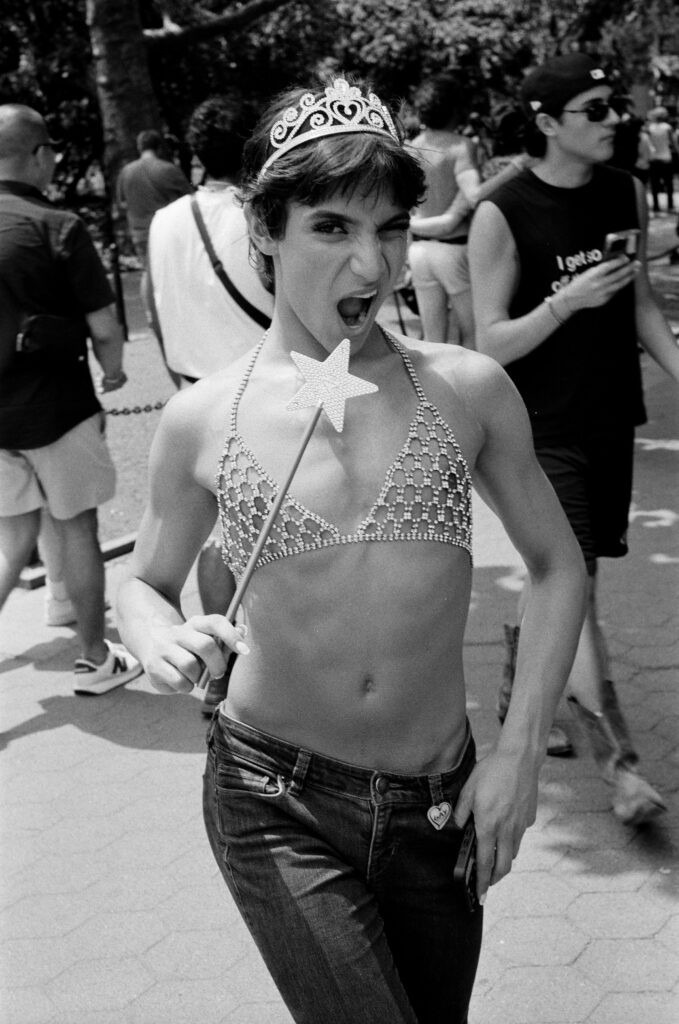
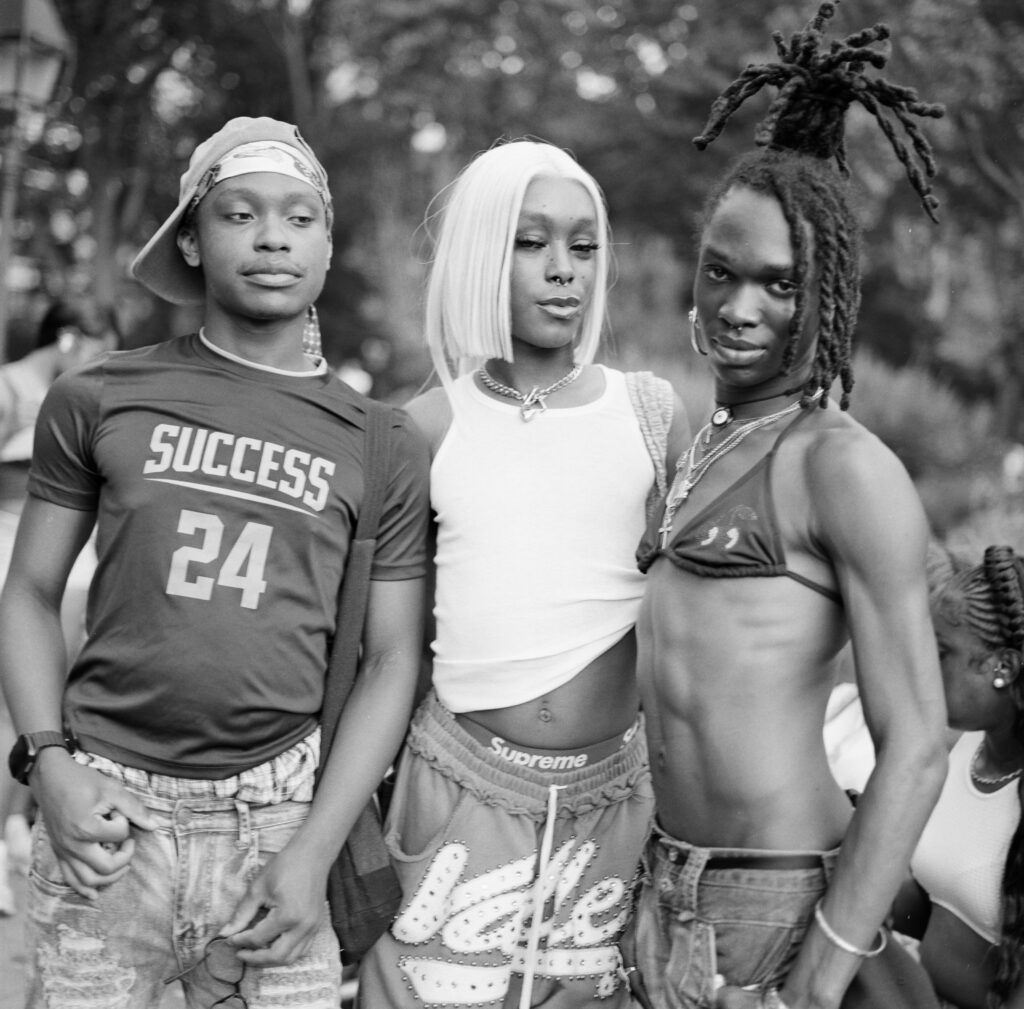
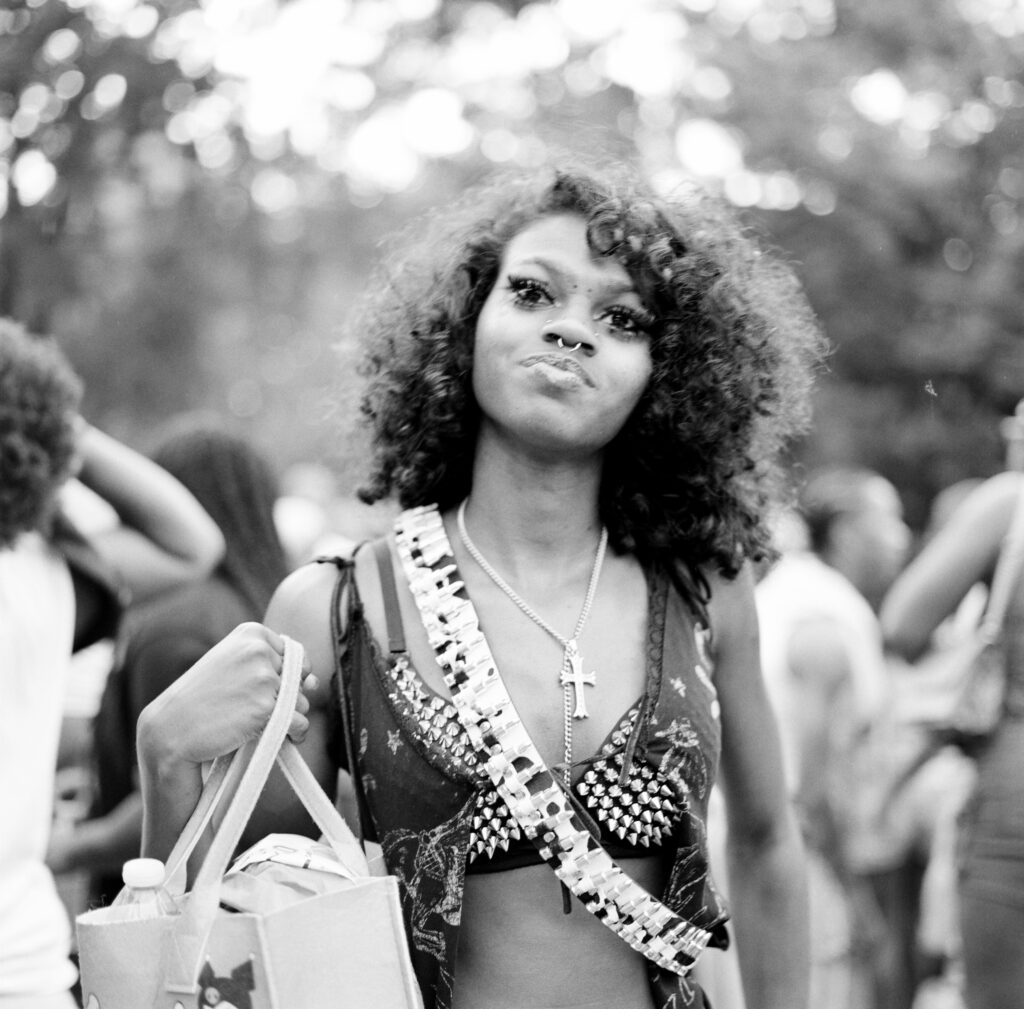
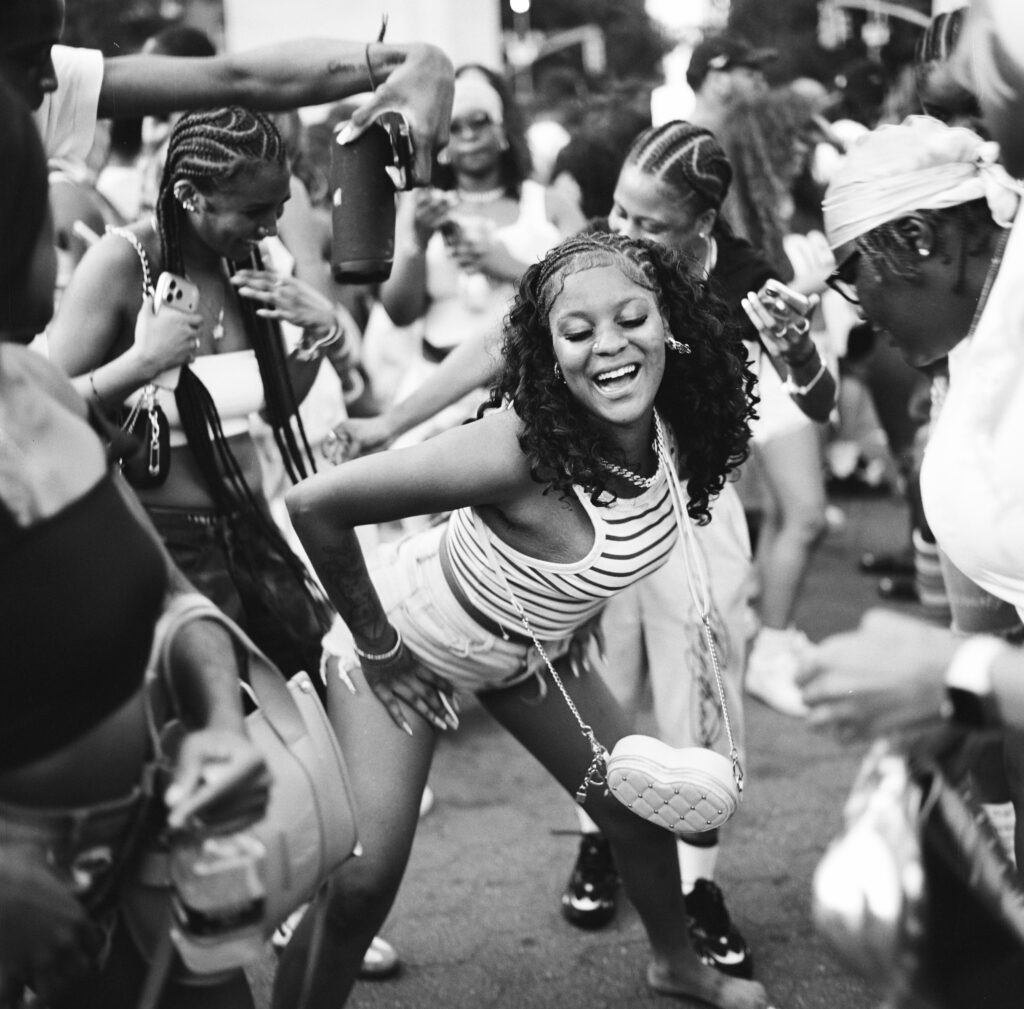
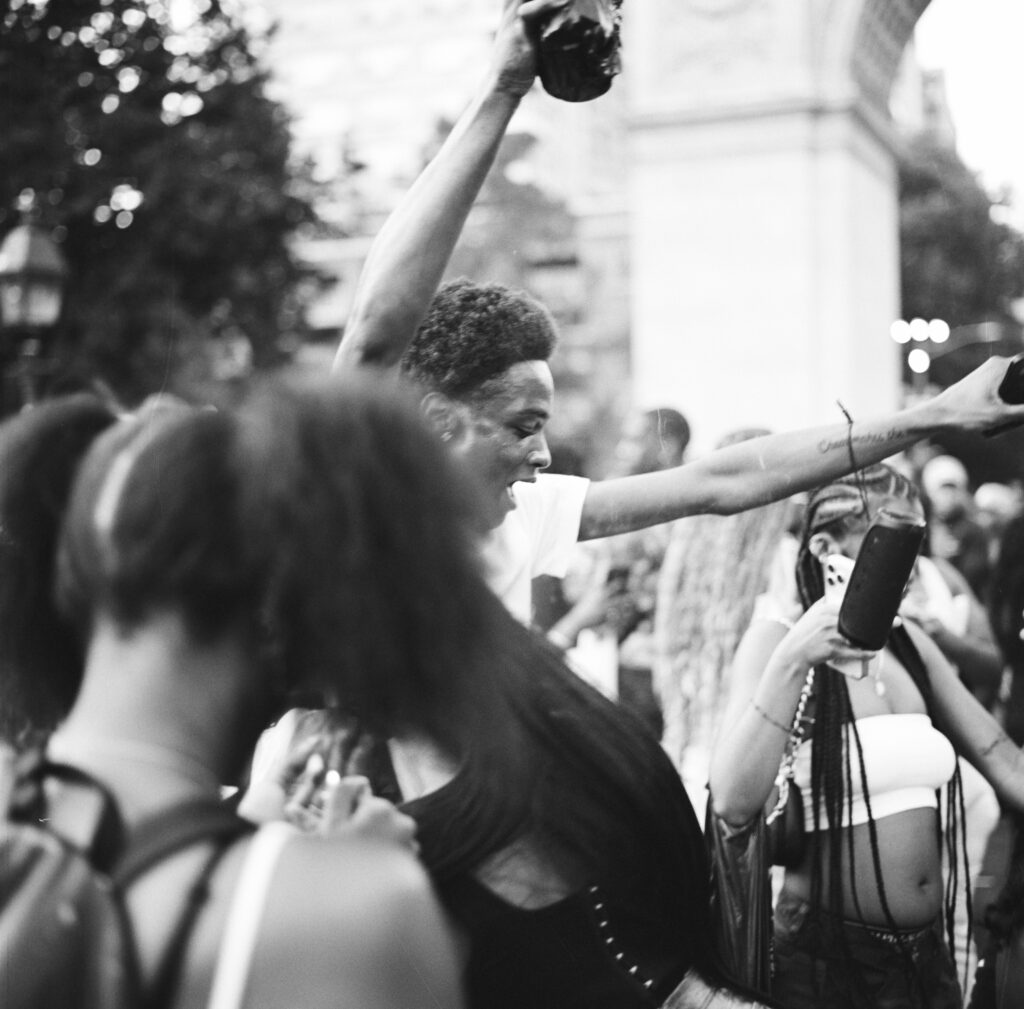
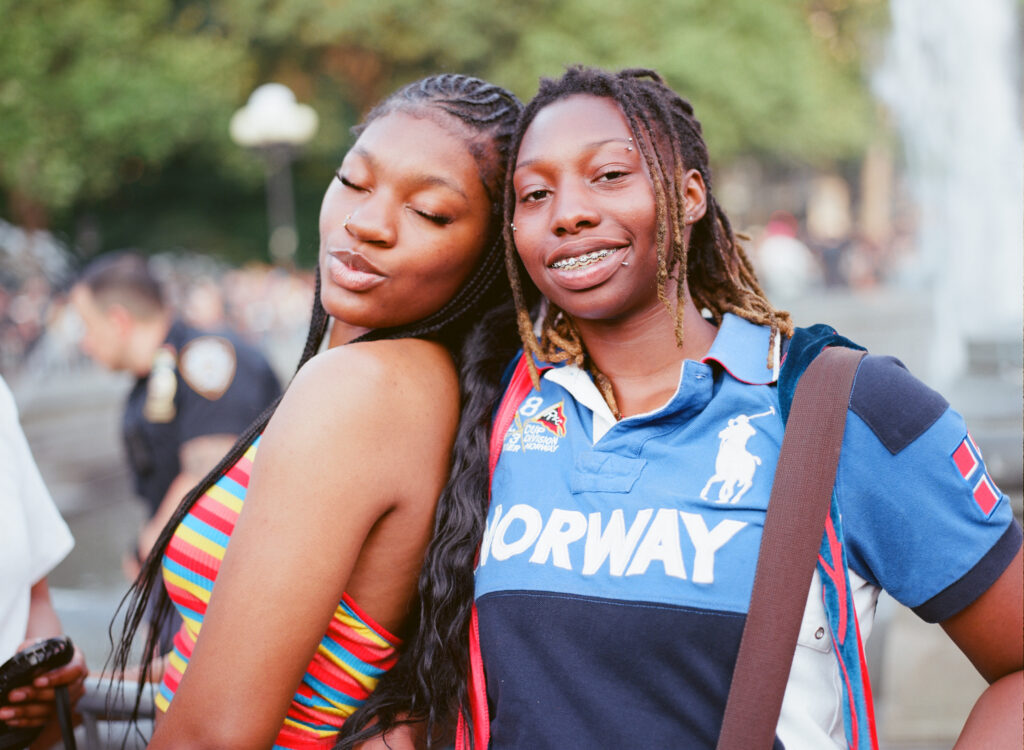
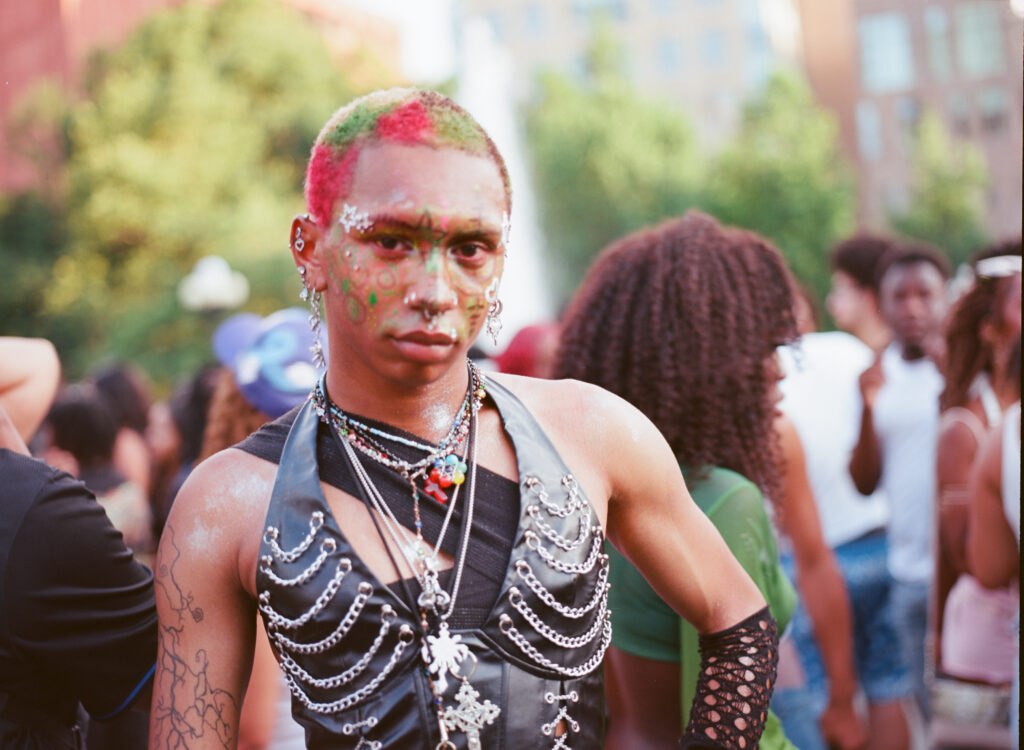
The official parade remains a highly structured event, characterized by 35mm-scale production values, featuring elaborate floats, corporate delegations, and international dignitaries. However, the late-afternoon and early-evening gatherings in Greenwich Village retain the "fun chaos" that harks back to the movement’s origins. These street parties serve as a dynamic intersection of organized advocacy and spontaneous assembly. In places like Washington Square Park and the streets surrounding the Stonewall National Monument, individuals express their identities through diverse forms of visual and performance art.
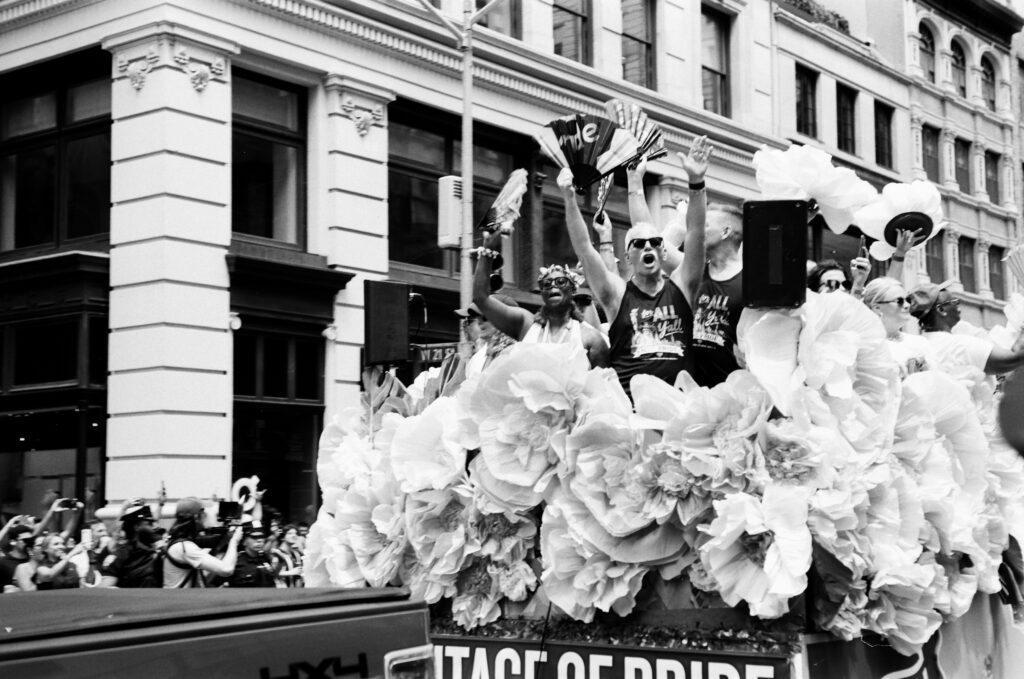
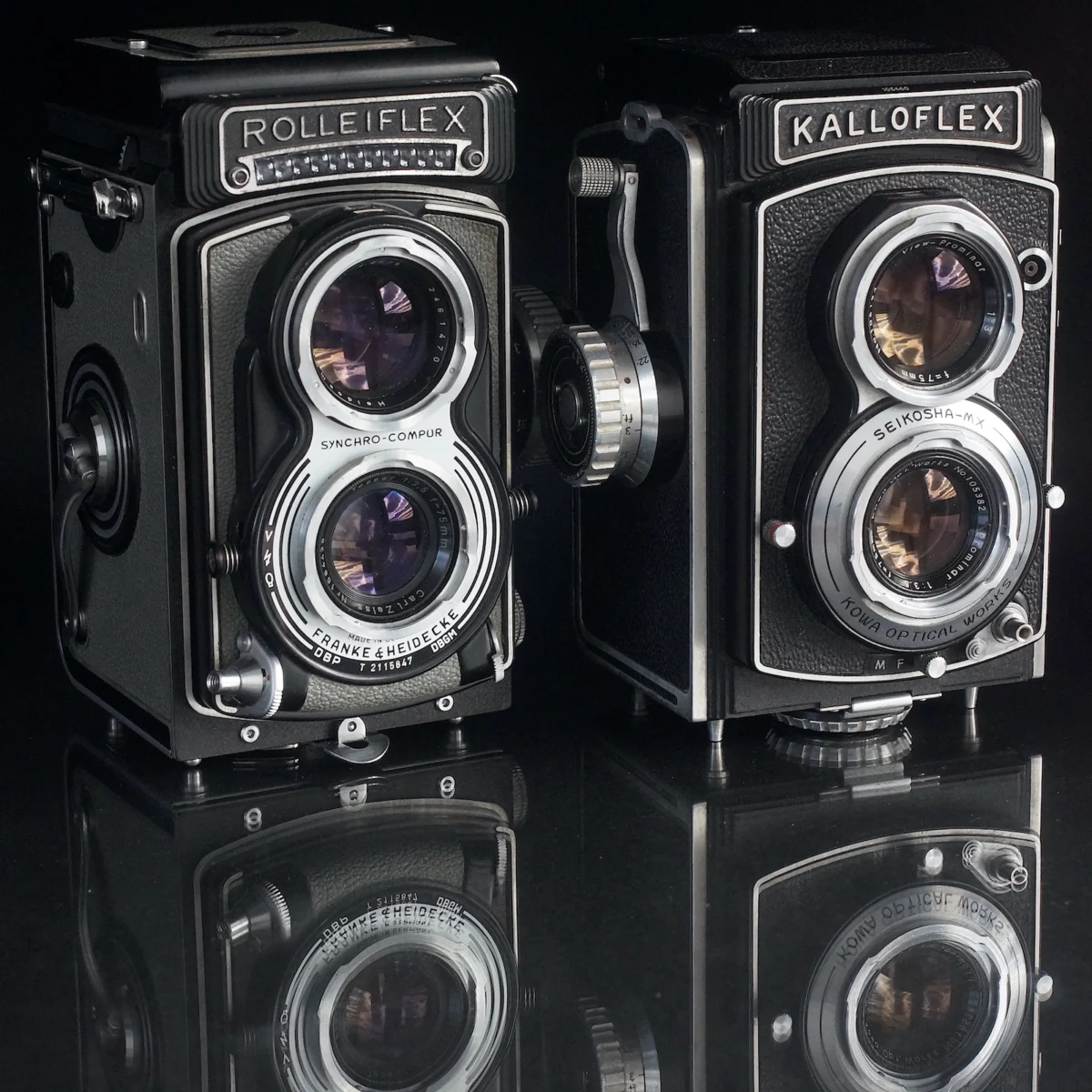
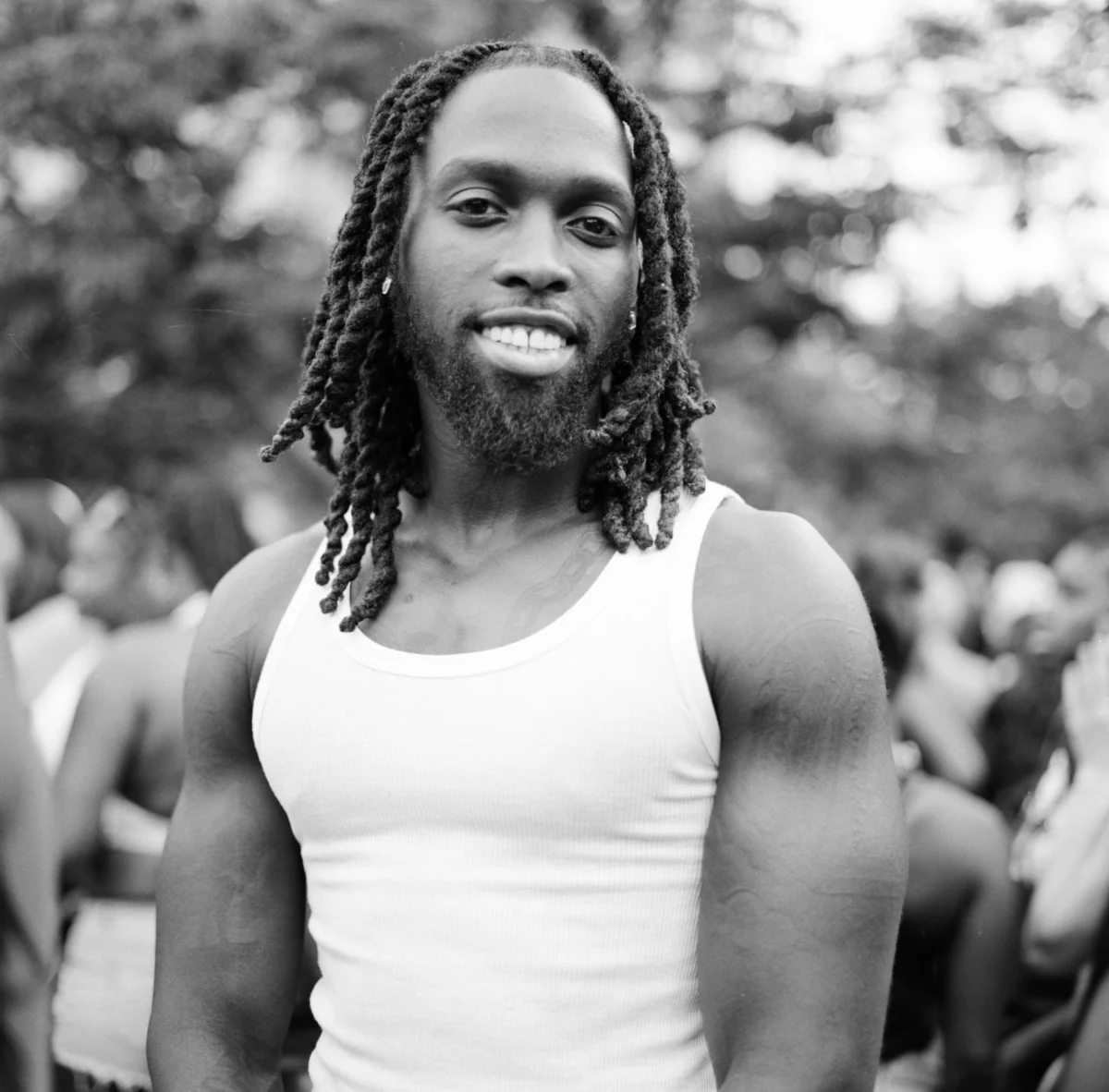
Observers note that even in the digital age, there is a significant trend toward documenting these celebrations using traditional analog media. Photographers frequently utilize vintage equipment, such as Leica M-series cameras and Hasselblad medium-format systems, to capture the event. This choice of medium is often seen as a way to bridge the gap between the historical struggles of the 1960s and the contemporary reality of the movement. The resulting images—ranging from dynamic street scenes on 35mm film to composed, high-resolution portraits on 120mm film—provide a timeless record of a community that has moved from the shadows into the full light of public life.
Societal Impact and the Liberation of the Majority
The success of the gay rights movement has had implications that extend far beyond the LGBTQ+ community itself. Sociologists point to a "liberation of the majority," wherein the breakdown of rigid social norms regarding gender and sexuality has reduced anxieties for the population at large. The movement has fostered an environment where friends, family members, and co-workers can engage in more authentic relationships, free from the historical constraints of prejudice and closeted identities.
The transition of homosexuality from a fringe or "celebrity-only" curiosity—typified in earlier eras by figures like Liberace—to a recognized "fabric of everyday life" has necessitated a widespread re-evaluation of social behavior. This includes a decline in the social acceptability of derogatory humor and a greater emphasis on inclusive workplace and educational environments. In many suburban and historically conservative regions, the presence of Pride flags and multi-colored symbols alongside traditional marching bands indicates a gradual but steady integration of these values into the broader American cultural identity.
Supporting Data and Economic Influence
The economic and demographic data surrounding Pride Month underscores its global significance. According to recent surveys, approximately 7.1% of U.S. adults identify as LGBTQ+, a number that rises significantly among younger generations, with nearly 21% of Generation Z identifying as such. This demographic shift has turned Pride Month into a major economic driver.
In New York City alone, the annual Pride march and related festivities generate an estimated $600 million in economic impact, drawing tourists from every continent. Globally, the "pink economy"—the purchasing power of the LGBTQ+ community—is estimated to exceed $3.9 trillion. This economic clout has encouraged major corporations to publicly align themselves with Pride, although this "rainbow capitalism" remains a subject of debate within the activist community, where some argue it dilutes the movement’s political roots.
Challenges and Future Implications
Despite the numerous victories achieved over the past five decades, the movement continues to face significant challenges. Legislative debates regarding transgender rights, healthcare access, and the limits of religious freedom exemptions continue to permeate the judicial system. International data also highlights a stark divide: while marriage equality is legal in over 30 countries, more than 60 nations still criminalize same-sex relations, with some maintaining the death penalty.
Analysis of the current social climate suggests that the movement has entered a phase of "maintenance and expansion." The focus has shifted from achieving basic legal recognition to ensuring the longevity of those rights and addressing the specific needs of intersectional groups within the community, including people of color and transgender individuals.
The evolution of Pride from the resistance at Stonewall to the massive celebrations of 2026 demonstrates the power of visibility in social change. By transforming "shame and fear" into public displays of "joy and pride," the movement has not only secured rights for a marginalized group but has also fundamentally reshaped the democratic ideals of equality and personal liberty for the 21st century. As the celebrations conclude each year, the focus invariably returns to the historic streets of the West Village, a reminder that the global movement began with a localized decision to fight back against systemic oppression.