Funeral photography, once a commonplace practice deeply embedded in the societal rituals of the Victorian era, has largely receded into the shadows of modern sensibilities, often perceived as a taboo subject. However, photographer Duane Knight of Your Legacy Photography is embarking on a mission to reintroduce and elevate this poignant genre, asserting its vital role in helping individuals navigate the complex landscape of grief through the powerful medium of art. Knight, who has identified fewer than 50 active funeral photographers globally, is dedicated to educating his peers and fostering a greater understanding and acceptance of this unique photographic offering.
From Victorian Mourning to Modern Silence
The practice of funeral photography has a rich, albeit often somber, history. During the Victorian era, when mortality rates were significantly higher and families often faced prolonged periods of mourning, post-mortem photography was a common way to preserve the memory of loved ones. These daguerreotypes and tintypes served as the sole visual records of individuals, particularly for families who could not afford painted portraits. It was a practice deeply intertwined with the societal norms of remembrance and the processing of loss.

However, as societal attitudes evolved and photographic technology became more accessible, the nature of commemoration shifted. The rise of candid photography and a general move towards more private expressions of grief led to a decline in the overt documentation of funeral services. In contemporary Western societies, the idea of actively photographing a funeral service can be met with discomfort, with many viewing it as intrusive or disrespectful. This cultural shift has relegated funeral photography to a niche, often misunderstood, practice.
The Healing Power of Visual Remembrance
Despite the modern hes–, Duane Knight firmly believes that funeral photography offers a profound avenue for healing and remembrance. His extensive experience, having produced over 150 Legacy Funeral Albums in approximately a decade, has shown him firsthand the invaluable impact these images have on grieving families.
"Many photographers have encountered clients or their family members who express deep gratitude for a portrait of a deceased loved one, often stating it was the only good photograph available for display at the funeral," Knight explains. "But the scope of capturing the funeral itself as a tool for healing is often overlooked."

He elaborates on the unique pressures of funerals: "Families converge from across the country, and sometimes from around the globe, to celebrate the life of a departed loved one. Yet, in the emotional intensity of the day, it’s not uncommon for those closest to the deceased to struggle to recall who was present or specific details of the event. The sheer emotional weight can make it difficult to retain clear memories."
Knight draws a parallel to other significant life events: "Funerals, much like weddings, birthdays, and christenings, bring extended family and friends together for a precious, albeit fleeting, period. An album created from funeral photography serves as a valuable keepsake, a memento not only of the departed individual but also of everyone who gathered to honor them. For those unable to attend, receiving such an album can be the crucial link that helps them feel connected and included in the remembrance."
This sentiment is echoed by the evolving understanding of grief in psychological circles. Therapists often emphasize the importance of memorialization and the creation of tangible reminders of lost loved ones as part of the grieving process. Visual documentation can provide a concrete anchor in the abstract experience of loss, offering a way to revisit and process emotions over time.

Navigating Cultural Perceptions and Taboos
Knight acknowledges the deeply ingrained cultural nuances surrounding funeral photography. "It’s undeniably a cultural phenomenon," he states. "Some cultures strictly forbid any form of photography at funerals, viewing it as taboo. Even within a diverse group, you might find only a portion who are open to the idea."
However, his personal mission, driven by his work at Your Legacy Photography, is to ensure that those who do wish for their loved one’s funeral to be professionally documented have the opportunity to do so. "For me, it’s fundamentally about preserving memories," Knight emphasizes. "I strongly believe that all families who desire funeral photography should have the chance to obtain it. My goal is to be available for them."
The statistics on funeral attendance and the emotional impact of loss further underscore the need for comprehensive remembrance. Studies on bereavement suggest that the ability to look back on shared experiences can be beneficial in the long term. The isolation often felt during grief can be mitigated by tangible evidence of community support, which a funeral album can powerfully represent.

A Global Community of Fewer Than Fifty
The scarcity of funeral photographers worldwide is a significant point for Knight. He estimates that there are currently only around 50 individuals globally who actively practice and specialize in this genre. This limited number highlights the exclusivity of the service and the considerable gap in meeting a potential demand.
"The lack of practitioners means that for many families who might find solace in this form of remembrance, the option is simply unavailable or they are unaware it exists," Knight explains. This scarcity also contributes to the perception of it being an unusual or unconventional service.
Knight’s initiative to educate other photographers aims to address this deficit. By demystifying the process and demonstrating the ethical considerations and artistic approaches involved, he hopes to increase the number of professionals equipped to offer this service. This expansion could lead to greater accessibility and a broader acceptance of funeral photography as a legitimate and beneficial practice.

The Art and Ethics of Funeral Photography
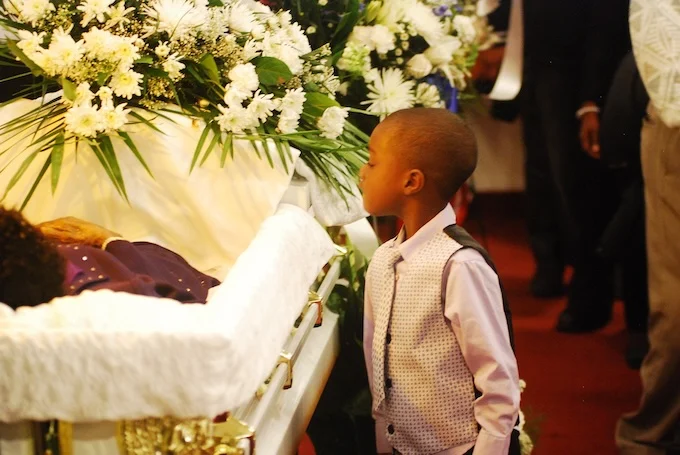
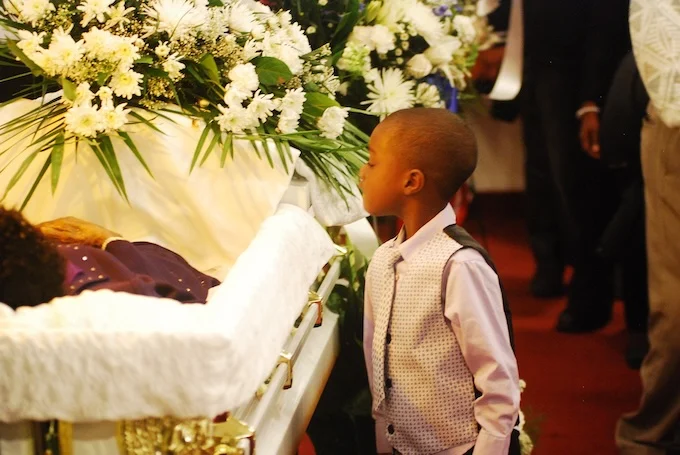
Knight’s approach to funeral photography is rooted in sensitivity, respect, and a deep understanding of the emotional context. He emphasizes that it is not about intrusive documentation but about capturing moments of connection, love, and quiet reflection. The focus is on creating a narrative that honors the life lived and the impact of the loss.
Ethical considerations are paramount. Knight works closely with families to understand their wishes and boundaries. The goal is to be present without being obtrusive, capturing genuine emotions and significant interactions. This often involves a discreet approach, using specialized equipment and techniques to minimize any disruption to the solemnity of the occasion.
The artistic merit of funeral photography lies in its ability to transform raw grief into a visual testament. A well-executed funeral photograph can evoke a sense of peace, continuity, and enduring love. It can capture the subtle gestures of comfort, the shared tears, and the quiet strength of those who gather. These images, when presented thoughtfully in an album or series, can become cherished heirlooms, offering solace and a tangible connection to the past.

A Mission to Educate and Advocate
To achieve his mission, Knight is actively engaged in educating photographers about the nuances of funeral photography. He frequently travels to photography conferences, including prominent events like WPPI (Wedding & Portrait Photographers International) in Las Vegas. His presence at these gatherings serves as an opportunity to share his expertise, dispel misconceptions, and advocate for the acceptance and practice of funeral photography.
"I want to equip other photographers with the knowledge and confidence to offer this service ethically and artistically," Knight states. "It’s about more than just taking pictures; it’s about understanding the weight of the moment and approaching it with the utmost professionalism and empathy."
His unique approach to networking at these events is noteworthy. Attendees at WPPI can expect to see him distinguished by a hat emblazoned with "I Love Funeral Photography" and a vest that reads, "Ask Me about the Art of Funeral Photography." This overt yet approachable method is designed to spark conversation and generate curiosity about a subject often met with reticence.

Knight’s educational outreach extends beyond conferences. He provides resources and guidance for photographers interested in this specialized field, aiming to build a network of professionals who can serve grieving families with compassion and skill. This initiative is crucial for legitimizing the genre and ensuring that its practice is guided by ethical principles and a commitment to client care.
The Future of Funeral Photography
As societal attitudes continue to evolve and the understanding of grief and remembrance deepens, the role of funeral photography may see a gradual shift. Duane Knight’s dedication to educating photographers and promoting the artistic and therapeutic value of this genre is a significant step in that direction. By making this service more visible and accessible, he is not only preserving memories for individual families but also contributing to a broader cultural conversation about how we honor and remember our loved ones in the digital age.
For those interested in learning more about Duane Knight’s work or exploring funeral photography as a service, his website, YourLegacyPhotography.com, offers a comprehensive look at his portfolio and philosophy. His Instagram account, @funeral.photos, provides visual examples of his approach. Knight also encourages feedback and questions, welcoming dialogue about this often-misunderstood but profoundly meaningful photographic art form. His efforts represent a quiet but powerful movement to ensure that the art of remembering is not lost to the silence of grief.