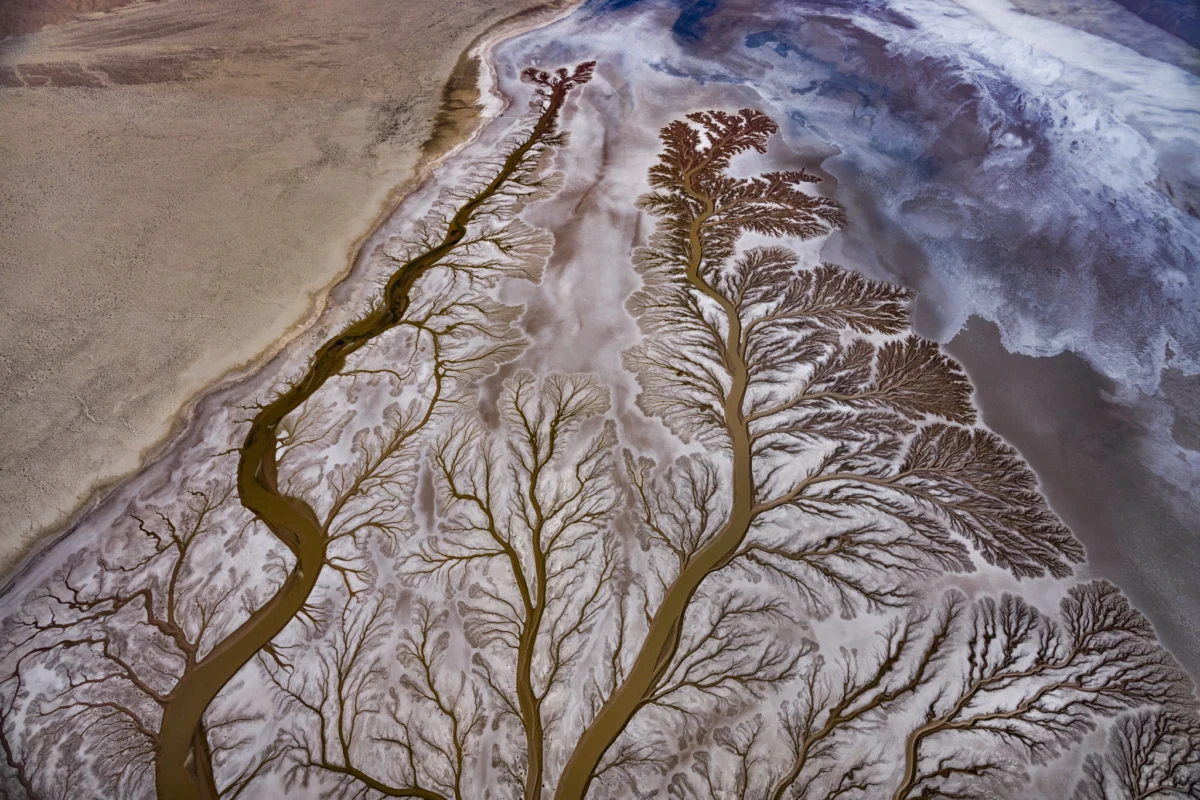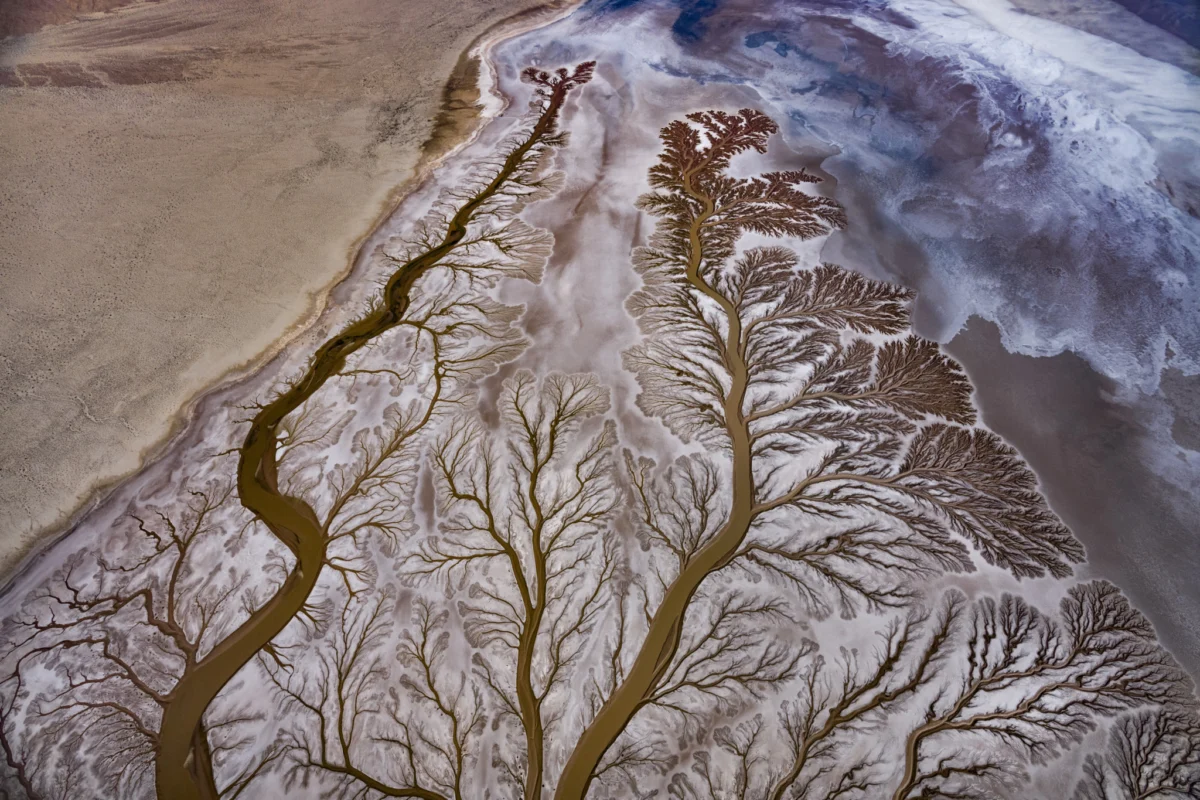
The vast, intricate tapestry of the Colorado River Delta, as seen from 10,000 feet, is a breathtaking spectacle that belies its complex and often tragic history. This sprawling landscape, a mosaic of silt and sediment, reminiscent of the "tree of life," is more than just a visually stunning natural wonder; it is a potent symbol of ecological fragility, human impact, and, most recently, the profound potential for restoration and renewal. The delta, once a vibrant expanse where the mighty Colorado River met the Sea of Cortez, has endured decades of severe depletion, a stark illustration of how human demands can fundamentally alter natural systems. Yet, in recent years, a remarkable binational effort has brought life back to this parched land, offering a beacon of hope for arid regions worldwide.
The Vanishing River: A Century of Exploitation
The story of the Colorado River’s decline is intrinsically linked to the explosive growth of human populations and industrial development across the American Southwest and northwestern Mexico. Originating in the Rocky Mountains, the river’s journey spans over 1,500 miles, traversing seven U.S. states before reaching its delta in Mexico. Historically, this colossal waterway was the lifeblood of a vast ecosystem, supporting diverse flora and fauna and sustaining communities for millennia.
However, beginning in the mid-20th century, a series of ambitious water management projects, including the construction of numerous dams and reservoirs such as the Hoover Dam and Glen Canyon Dam, began to fundamentally alter the river’s natural flow. These structures were designed to provide water for agriculture, urban centers, and hydroelectric power generation for a rapidly expanding population in arid regions. While undeniably contributing to regional development, this extensive diversion strategy gradually choked off the river’s natural discharge to the sea. By the 1970s, the Colorado River rarely, if ever, reached the Sea of Cortez, leaving its delta in a state of severe ecological distress.
The Devastating Impact on the Delta Ecosystem
The consequences of the river’s diminished flow on the Colorado River Delta have been profound and far-reaching. The once verdant wetlands, crucial for migratory birds and a host of other wildlife, began to dry up. Salinity levels in the remaining water increased dramatically, further stressing the delicate ecosystem. This ecological degradation had significant socio-economic implications for the local communities that had long relied on the delta’s natural resources.
Data from various environmental studies paint a stark picture of the delta’s decline. Prior to significant upstream diversions, the Colorado River would discharge an average of 16 to 20 million acre-feet of water annually. By the late 20th century, this figure had plummeted to less than 1 million acre-feet, and often close to zero during periods of peak demand and drought. The loss of freshwater flows led to a dramatic increase in the salinity of the remaining delta waters, impacting the types of fish and invertebrates that could survive. The reduction in wetland habitat also severely impacted bird populations. For instance, the delta was once a critical stopover point for millions of migratory birds along the Pacific Flyway; however, habitat loss has led to significant declines in many species.
The Deepening Crisis: Drought and Human Pressure
Compounding the effects of water diversion, the Colorado River Basin has been experiencing an unprecedented drought. Scientific research, including dendrochronology (the study of tree rings), indicates that the current drought, which began in the early 2000s, is the most severe in at least 1,200 years. This prolonged dry spell has exacerbated the water scarcity, pushing the system to its limits and intensifying competition for the dwindling water resources.
The combination of historical over-allocation and the current mega-drought has created a crisis for the entire Colorado River system. Reservoirs like Lake Mead and Lake Powell, vital for storing water and generating power, have reached historically low levels, threatening water supplies for tens of millions of people across seven U.S. states and Mexico. The ecological ramifications extend beyond the delta, impacting the health of the entire riverine ecosystem and the surrounding landscapes.
A Glimmer of Hope: The Minute 319 Agreement and Binational Restoration
Amidst this dire situation, a significant turning point emerged with the signing of the "Minute 319" agreement between the United States and Mexico in 2012. This landmark binational accord, a testament to collaborative environmental stewardship, authorized a "pulse flow" of water to be released from the Morelos Dam in Mexico into the delta. This experimental release, the first of its kind in decades, aimed to mimic the river’s historical flood pulse and provide a much-needed ecological boost to the parched delta.
The pulse flow, a carefully managed release of approximately 100,000 acre-feet of water over an eight-week period in 2014, was a resounding success. Scientists and conservationists observed remarkable ecological responses. Native vegetation began to sprout, bird populations increased, and the limited flow revitalized dormant seed banks, leading to the re-emergence of plant life. This success demonstrated the remarkable resilience of the delta ecosystem when provided with even a modest amount of water.
Following the initial pulse flow, further collaborative efforts have continued. Subsequent agreements have included additional environmental flows, albeit smaller in scale, and ongoing monitoring and research to understand the delta’s ecological needs and the effectiveness of restoration strategies. These efforts involve a complex network of stakeholders, including government agencies from both countries, environmental non-governmental organizations (NGOs), local communities, and scientific institutions.
Voices from the Field: Conservationists and Scientists
Environmental organizations and scientists have been at the forefront of advocating for and implementing delta restoration. Organizations like the Sonoran Institute and the National Wildlife Federation have played crucial roles in brokering agreements, conducting research, and mobilizing community support.
"The Colorado River Delta is a powerful reminder that even in the face of immense ecological challenges, concerted, collaborative action can yield tangible results," stated Dr. Elena Rodriguez, a leading ecologist specializing in aridland ecosystems. "The pulse flows have shown us that the delta’s potential for recovery is significant. However, sustained effort and a long-term commitment to water conservation and equitable allocation are essential for its continued healing."
Local communities in the Mexicali Valley, who have historically borne the brunt of the river’s decline, have also become integral to the restoration efforts. Their deep understanding of the local environment and their direct connection to the land have been invaluable in guiding restoration activities and ensuring their sustainability.
Broader Implications: Lessons for a Water-Scarce Future
The story of the Colorado River Delta offers critical lessons for a world increasingly grappling with water scarcity, driven by climate change and growing human demands. The delta’s transformation from a degraded landscape to a symbol of renewed hope underscores the importance of:
- Binational Cooperation: Environmental challenges often transcend political borders. Effective solutions require collaboration and shared responsibility between nations. The success of the Minute 319 agreement highlights the power of diplomacy in addressing transboundary environmental issues.
- Ecological Resilience: Even severely degraded ecosystems can demonstrate remarkable resilience when provided with the necessary resources. The delta’s recovery illustrates that investing in ecological restoration can yield significant environmental benefits.
- Water Management Innovation: The traditional model of water management, heavily reliant on extensive diversion and storage, may not be sustainable in the long term. Innovative approaches that prioritize conservation, efficiency, and ecological flows are crucial.
- Community Engagement: Local communities are vital stakeholders in environmental management. Their knowledge, participation, and buy-in are essential for the success and longevity of restoration projects.
- The Interconnectedness of Systems: The health of the Colorado River and its delta is intrinsically linked to the well-being of communities and ecosystems across a vast region. Understanding these interconnectedness is fundamental to effective stewardship.
The Path Forward: Sustaining the Flow of Hope
While the restoration efforts have brought renewed life to the Colorado River Delta, the challenges remain significant. The ongoing drought and the ever-increasing demand for water in the region necessitate a continued commitment to sustainable water practices. This includes aggressive water conservation measures, the promotion of drought-resistant agriculture, and a re-evaluation of water allocation policies to ensure a more equitable and ecologically sound distribution of this precious resource.
The visual poetry of the delta, with its intricate patterns resembling veins and capillaries, serves as a constant reminder of the delicate balance of nature and the profound impact of human actions. The story of its near demise and its subsequent, albeit partial, revival is a powerful narrative of loss, resilience, and the enduring possibility of redemption through thoughtful, collaborative, and scientifically informed stewardship. The Colorado River Delta, once a symbol of ecological decline, is now emerging as a testament to the potential for renewal and a beacon of hope for a more sustainable future.