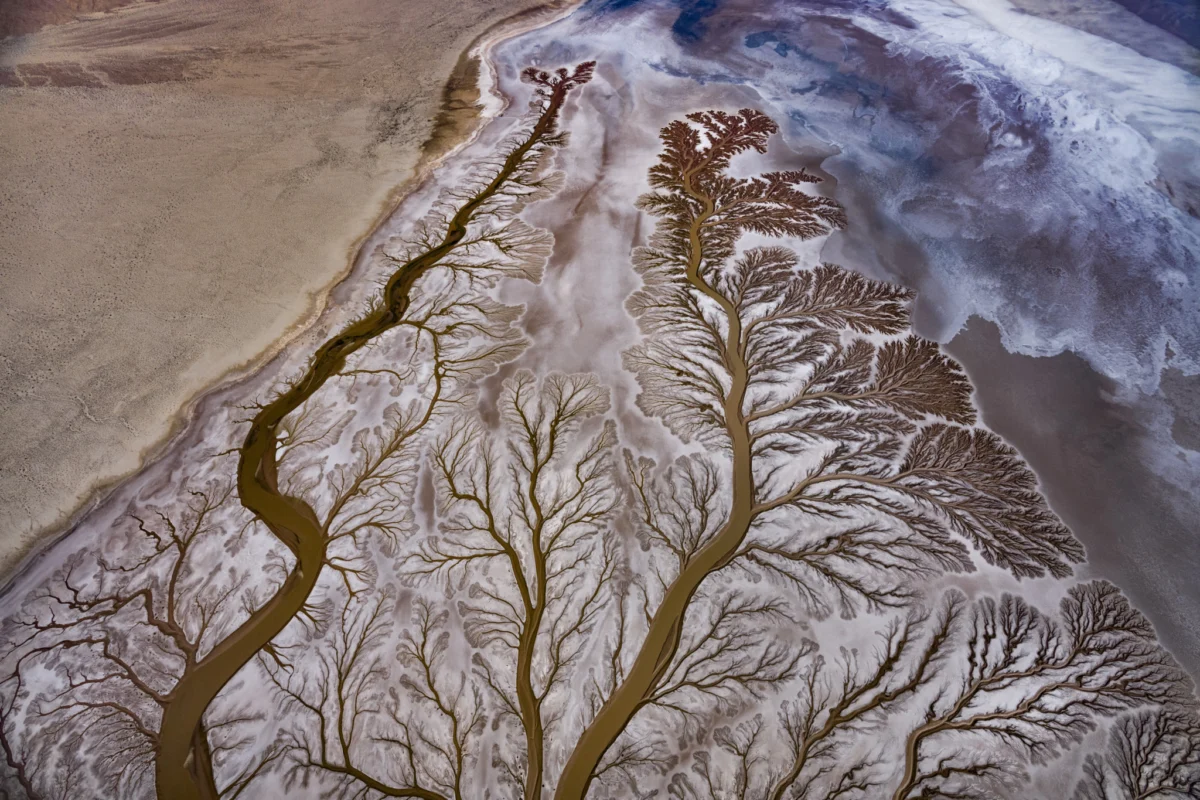
The stark, arid beauty of the Colorado River Delta, a landscape once defined by the life-giving embrace of a mighty river, now stands as a poignant testament to both ecological devastation and the nascent power of human-led restoration. For decades, this vital ecosystem, stretching across the border between the United States and Mexico, has been a casualty of an insatiable thirst, a victim of human population growth, agricultural demand, and industrial development. However, recent concerted binational efforts have begun to stitch back together the frayed tapestry of this remarkable region, offering a flicker of hope in the face of an unprecedented environmental crisis.
A Lifeline Diverted: The Historical Decline of the Colorado River
The story of the Colorado River’s demise is intrinsically linked to the burgeoning development of the American West. Originating high in the Rocky Mountains, the river’s journey spans over 1,500 miles, carving through seven U.S. states and finally reaching its historic delta in northwest Mexico before emptying into the Sea of Cortez. For millennia, this mighty waterway sustained a vibrant riparian ecosystem, supporting diverse wildlife and providing a crucial water source for indigenous communities and, later, for expanding agricultural operations.
The mid-20th century marked a turning point. A series of ambitious dam projects, including the Hoover Dam and the Glen Canyon Dam, were constructed to harness the river’s power for hydroelectricity and, more significantly, to provide irrigation for vast agricultural lands and water for rapidly growing urban centers in the Southwest. While these projects brought prosperity and enabled the development of arid regions, they fundamentally altered the river’s natural flow. By the 1950s, the Colorado River, once a powerful artery, was no longer consistently reaching the sea. Its lifeblood was being siphoned off, leaving behind a parched delta and a diminished ecosystem.
The Delta’s Plight: A Landscape Under Siege
The consequences of this diversion have been devastating. The Colorado River Delta, a once-lush expanse of wetlands, marshes, and forests, has been reduced to a shadow of its former glory. The absence of consistent freshwater flow has led to saltwater intrusion, rendering large swathes of land infertile and destroying critical habitats for numerous species. Bird populations, which once thrived in the abundant wetlands, have seen significant declines. Fish species endemic to the region have faced local extinctions. The very fabric of life in the delta began to unravel.
Compounding the issue of water diversion is the region’s susceptibility to natural climate fluctuations. The current era has been marked by a severe drought, the most intense in the last 1,200 years, according to scientific assessments. This prolonged dry spell has further exacerbated the strain on the already over-burdened Colorado River system, pushing it to the brink of collapse. The delta, therefore, became a symbol of what happens when human needs and natural limits collide, a landscape of “terrible beauty,” as one observer poetically described it, where the stark remnants of a once-thriving ecosystem are laid bare.
A Glimmer of Hope: The Binational Restoration Effort
In the face of this ecological crisis, a remarkable shift has begun to occur. Recognizing the dire situation and the interconnectedness of the U.S. and Mexican ecosystems, a collaborative, binational restoration effort was initiated in the early 21st century. This ambitious undertaking, a testament to international cooperation, brought together a diverse coalition of stakeholders: environmental organizations, scientific institutions, the governments of both the United States and Mexico, and local communities in the Mexicali Valley.
The cornerstone of this restoration has been the concept of a "pulse flow." This involves deliberately releasing a controlled surge of water from the Morelos Dam, located on the U.S.-Mexico border, into the dry riverbed of the delta. The first significant pulse flow occurred in 2014, a landmark event that marked the first time in decades that water from the Colorado River had reached the Sea of Cortez. This controlled release, though temporary, was a powerful symbol of renewed commitment to the delta’s ecological health.
The Science Behind the Flow: Data and Observations
The impact of these pulse flows has been meticulously studied. Scientific monitoring reveals that even these intermittent releases have had tangible positive effects. The introduction of freshwater has begun to push back the saltwater intrusion, allowing native vegetation to re-establish itself in some areas. Studies have documented an increase in the abundance and diversity of bird species utilizing the revitalized habitats. For instance, reports from organizations involved in the monitoring have indicated a noticeable uptick in the presence of wading birds and waterfowl in areas that had previously been barren.
Furthermore, the pulse flows have facilitated the germination of native riparian plants, crucial for rebuilding the ecosystem’s foundation. Researchers have observed the establishment of cottonwood and willow saplings, species vital for providing shade, habitat, and food sources for wildlife. The reintroduction of water has also had a positive impact on soil moisture, contributing to the potential for long-term ecological recovery.
Timeline of Renewed Flow:
- Early 21st Century: Growing recognition of the Colorado River Delta’s ecological crisis and the need for binational action.
- 2012: The "Minute 319" agreement between the U.S. and Mexico is signed, paving the way for cooperative water management and environmental flows.
- March 23, 2014: The first major pulse flow, a controlled release of water, reaches the Sea of Cortez for the first time in decades. This event is widely celebrated as a significant milestone.
- 2015 onwards: Subsequent pulse flows are implemented, often timed with the spring snowmelt to maximize their impact.
- Ongoing: Continuous monitoring and research by various scientific bodies and conservation groups to assess the effectiveness of restoration efforts and adapt strategies.
Voices from the Delta: Local Perspectives and Official Responses
The restoration efforts have not been without their challenges, primarily revolving around water allocation in an already water-scarce region. However, the commitment from both governments and the active engagement of local communities have been critical to the project’s success. Officials from the U.S. Bureau of Reclamation and Mexico’s National Water Commission (CONAGUA) have repeatedly emphasized the importance of binational cooperation in managing shared water resources.
Statements from conservation organizations involved in the delta’s recovery highlight the delicate balance required. "This is not just about releasing water; it’s about understanding the intricate needs of this ecosystem and working collaboratively to meet them," noted a representative from a leading environmental NGO. "The success of the pulse flows is a testament to what can be achieved when we prioritize shared environmental goals."
Local communities in the Mexicali Valley, many of whom rely on agriculture, have also been integral to the process. Their participation in planning and monitoring has ensured that restoration efforts are sensitive to local needs and opportunities. While the primary focus is ecological, there is a growing understanding that a healthy delta can also support sustainable ecotourism and provide new economic avenues.
Analysis of Implications: A Model for Transboundary Water Management
The Colorado River Delta restoration project offers a compelling case study for transboundary water management in an era of climate change and increasing water scarcity. The success of the binational approach underscores the fact that complex environmental challenges often transcend political borders and require coordinated, cooperative solutions.
The project’s reliance on scientific data to inform water releases and monitor ecological responses provides a crucial framework for adaptive management. This means that strategies can be adjusted based on real-time observations, ensuring greater effectiveness over time. The willingness of both governments to commit resources and expertise to this endeavor signals a growing recognition of the long-term economic and ecological benefits of environmental restoration, even in the face of immediate water demands.
However, the long-term sustainability of the delta’s recovery remains contingent on several factors. Continued commitment to binational agreements, ongoing scientific research, and the ability to adapt to future drought conditions will be paramount. The restoration efforts also serve as a stark reminder of the unsustainable trajectory of water use in the broader Colorado River Basin and the urgent need for comprehensive water conservation strategies across all sectors.
In essence, the Colorado River Delta, once a symbol of ecological loss, is slowly transforming into a beacon of hope. The intricate patterns of silt and sediment, reminiscent of veins and capillaries, are once again being nourished, a visual metaphor for the Earth’s own vital systems being revitalized. This ongoing saga is not just about a river and its delta; it is about humanity’s capacity for healing the wounds it has inflicted upon the natural world, a testament to the enduring power of life and the possibility of renewal through dedicated, collaborative action.