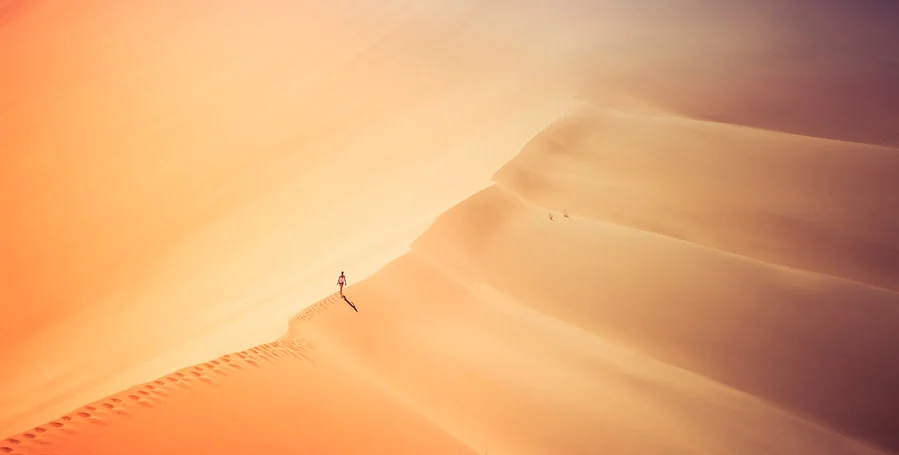
A Google photo reminder, unearthed from a digital archive, has prompted a photographer to share a striking image titled "The Big Dune," sparking contemplation and a desire to connect with a wider audience. The image, prominently featured on the photographer’s Smugmug portfolio, has resonated with the creator for reasons that remain personal, though the timing of its rediscovery amidst the current winter season in the photographer’s locale is noted as a potential influence. The photographer expresses a hope that the visual offering will bring a measure of "joy" to those who encounter it.
The Genesis of a Shared Moment
The instance of a digital memory surfacing from a platform like Google Photos is a common experience in the digital age. These automated prompts, designed to resurface past experiences and photographs, can often act as unexpected catalysts for reflection and rediscovery. In this particular case, the reminder led the photographer, whose work is hosted on Smugmug, down a "little rabbit hole" of their own portfolio. This digital exploration culminated in the identification of "The Big Dune" as an image that held particular significance on that specific day.
While the precise nature of this connection is not elaborated upon by the photographer, the act of sharing suggests an impulse to extend the personal resonance of the image outwards. The mention of the prevailing winter conditions in the photographer’s current location offers a subtle hint at the potential emotional or thematic links that might draw them to a seemingly disparate image of a dune. This juxtaposition of a winter landscape with a potentially warmer or more arid depiction of a dune invites further interpretation regarding themes of memory, contrast, and the enduring power of visual art.
Visualizing "The Big Dune": A Deeper Look
The accompanying image, a photograph of a substantial sand dune, is presented with a title that emphasizes its imposing scale. The title "The Big Dune" immediately conveys a sense of grandeur and perhaps even isolation. While the specific geographical location of this dune is not provided within the initial announcement, images of large sand dunes are often associated with arid regions, deserts, or coastal environments characterized by significant sand deposition.
The photograph itself, captured and shared by the photographer, serves as the primary artifact of this narrative. Its visual composition, lighting, and detail would ideally offer further clues into the photographer’s intent and the emotional weight they ascribe to the image. Without explicit details on the photographic techniques employed, one can infer a deliberate effort to capture the essence and scale of "The Big Dune." The fact that it was deemed significant enough to be re-shared after a period of archival storage suggests a certain timeless quality or a powerful aesthetic appeal that transcends the immediate context of its creation.
The Role of Digital Archiving and Memory
The story of "The Big Dune" is intrinsically linked to the broader phenomenon of digital photography and online archiving. Platforms like Smugmug provide artists and photographers with dedicated spaces to showcase and manage their work, while services like Google Photos offer automated curation and retrieval of personal photographic memories. This interconnectedness of digital tools plays a significant role in how we interact with our visual past.
The ability to revisit images from years prior, often triggered by algorithmic prompts, allows for a unique form of temporal reflection. It can bring to the forefront emotions, experiences, and aesthetic preferences that may have faded from conscious memory. The photographer’s journey into their Smugmug portfolio, initiated by a Google reminder, is a microcosm of this larger digital phenomenon. It highlights how technology, while seemingly mundane in its daily operations, can facilitate moments of profound personal connection with one’s own creative output and personal history.
Potential Interpretations and Broader Significance
The act of sharing "The Big Dune" amidst winter conditions could be interpreted in several ways. It might serve as a visual escape from the current climate, offering a glimpse of warmth, expansive horizons, or a different kind of natural beauty. Alternatively, it could represent a symbolic juxtaposition – the starkness of winter against the perceived vastness and permanence of the dune, evoking themes of resilience, endurance, or the cyclical nature of time and seasons.
The photographer’s expressed hope that the image will bring "joy" suggests an altruistic motive behind the sharing. In a world often saturated with news and information, the deliberate offering of a single, evocative image can serve as a moment of respite and aesthetic engagement. The simple act of appreciating a visually compelling photograph can indeed provide a small but meaningful boost to one’s day.
While the specific details surrounding the creation of "The Big Dune" remain private to the photographer, its re-emergence and subsequent sharing invite a broader conversation about the power of visual art to evoke emotion, stimulate thought, and create connections across time and space. The story of this single image, prompted by a digital nudge, underscores the enduring human desire to share beauty and find meaning in the visual narratives that surround us, regardless of the season.
Further Exploration and Context
To gain a more comprehensive understanding of "The Big Dune," additional contextual information would be beneficial. Details regarding the location where the photograph was taken, the time of year, and the specific circumstances of its creation could enrich the narrative significantly. Understanding the photographer’s artistic style and their typical subject matter would also provide valuable insight into why this particular image resonated so strongly.
For instance, if "The Big Dune" was captured in a region known for its unique geological formations, this would add a layer of scientific or geographical interest. If it was part of a larger series or project, its individual significance within that context could be explored. The technical aspects of the photograph, such as the lighting conditions, the lens used, and the post-processing techniques, could also reveal the photographer’s artistic choices and intentions.
The Unseen Narrative of Digital Archives
The story of "The Big Dune" also highlights the vast, often unseen, repositories of digital memories that individuals accumulate. Every smartphone photo, every uploaded image to a social media platform or portfolio site, contributes to a personal digital archive. These archives, while seemingly inert, are dynamic in their potential to be re-activated by technological prompts and personal introspection.
The photographer’s journey into their Smugmug portfolio is a testament to the fact that these digital archives are not merely storage spaces but rather dynamic libraries of our past experiences and creative endeavors. The "rabbit hole" metaphor aptly describes the immersive and often surprising nature of exploring one’s own digital history.
The Universal Appeal of Natural Wonders
Images of natural landscapes, particularly those that convey a sense of scale and grandeur, often possess a universal appeal. Sand dunes, with their ever-shifting forms and vast expanses, can evoke feelings of awe, solitude, and the immense power of natural forces. The simple, unadorned title, "The Big Dune," focuses attention on the inherent majesty of the subject itself, allowing the viewer’s imagination to fill in the details and project their own interpretations.
The photographer’s decision to share this image, without extensive preamble or explanation, trusts in the inherent visual power of the photograph to communicate with its audience. This approach aligns with a philosophy where the artwork itself is intended to speak volumes, prompting individual reflection and emotional response.
Concluding Thoughts on Shared Experience
In conclusion, the story of "The Big Dune" is more than just an account of a photograph being re-shared. It is a narrative about the intersection of technology, memory, and artistic expression. The digital reminder served as a catalyst, leading the photographer to a piece of their own creative history that held particular meaning. The subsequent act of sharing this image, with the simple hope of bringing joy, underscores the fundamental human desire to connect and to find moments of beauty and reflection in the everyday. The image of "The Big Dune," therefore, stands as a testament to the enduring power of visual art to transcend individual experience and resonate with a wider audience, offering a fleeting but potent connection to the natural world and the artist’s personal journey.