The phenomenon known among enthusiasts as the Barnack Leica Virus (BLV) represents a specific niche within the resurgence of analog photography, characterized by a compulsive interest in the early 35mm rangefinder cameras designed by Oskar Barnack. This specialized "acquisition syndrome" often leads photographers to transition from modern digital systems or larger analog formats back to the origins of the 35mm standard. Photographer Cem Eren recently documented this transition, moving from the precision of the medium-format Rolleiflex to the historical tactile experience of the Leica II and Leica IIIf. His recent field test in the villages of Şile, a district of Istanbul, provides a technical and historical case study on the viability of using 90-year-old optical equipment for modern documentary photography.
The Historical Context of the Barnack Leica
To understand the significance of the Leica II, one must look at the chronology of the Ernst Leitz company. In the early 20th century, photography was dominated by large, heavy plate cameras and medium-format roll film. Oskar Barnack, an engineer at Leitz, sought a more portable solution for landscape photography. In 1913 and 1914, he developed the "Ur-Leica," the first functional prototype of a camera that used 35mm cinema film pulled horizontally to create a 24x36mm frame.
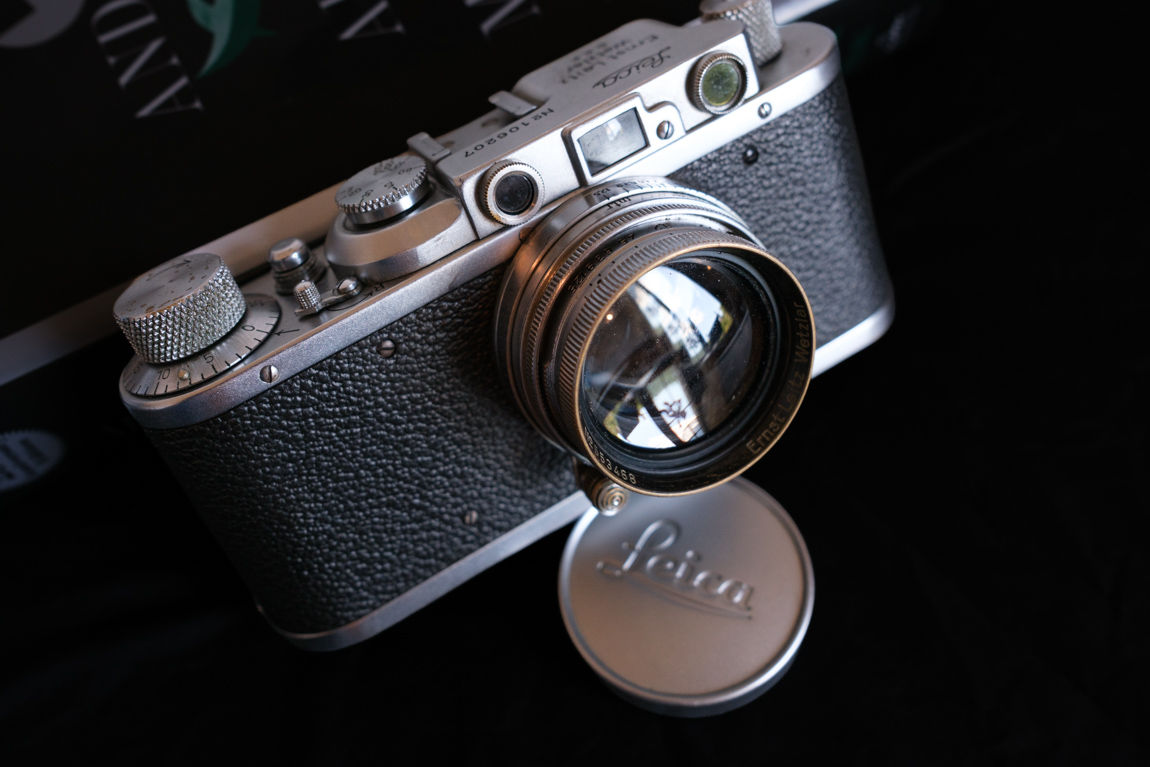
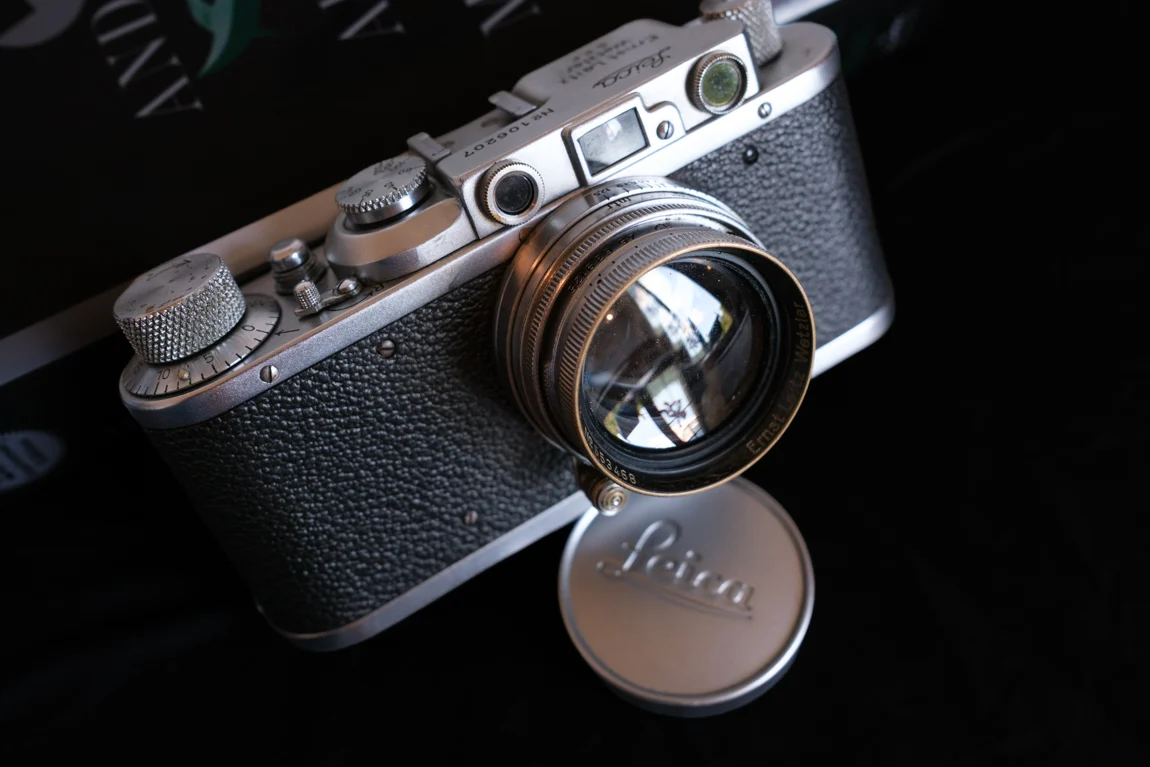
The Leica II, introduced in 1932, marked a pivotal moment in this timeline. Also known as the Model D, it was the first Leica to feature a built-in rangefinder coupled to the lens focusing mechanism. This innovation allowed for much faster and more accurate focusing than previous models, which required the photographer to estimate distances or use a separate accessory rangefinder. The 1933 model utilized by Eren represents the second year of production for this landmark device, a period when Leica was solidifying its reputation for mechanical perfection and portability.
Technical Specifications: The Leica II and the 1940 Summitar Lens
The equipment used in the Şile expedition consisted of a 1933 Leica II paired with a 5cm (50mm) f/2 Summitar lens manufactured in 1940. The Leica II is a "screw mount" camera, utilizing the M39/LTM (Leica Thread Mount) standard. Unlike modern cameras, the Leica II lacks many contemporary conveniences; notably, it does not feature integrated strap lugs. This design choice necessitates the use of a leather "half case" for secure transport, a detail Eren noted was absent during his field test, requiring the camera to be held by hand for the duration of the shoot.
The Summitar 5cm f/2 lens, which succeeded the earlier Summar lens in 1939, features a seven-element design. The 1940 version used in this study was produced during a transitional era in optical coating technology. Because the lens is largely uncoated, it is highly susceptible to "flare"—a phenomenon where light scatters within the lens elements, reducing contrast and creating artifacts. Eren’s experience in the field confirmed that even with the sun positioned behind secondary objects, stray light rays hitting the front element could render frames unpresentable. This technical limitation requires a disciplined approach to composition and light management that is often absent in the use of modern, multi-coated optics.

Chronology of the Field Expedition in Şile
The documentation project took place in the rural outskirts of Şile, a region located on the Black Sea coast of the Istanbul Province. Historically a fishing and agricultural hub, Şile’s villages have become a focal point for local photography groups seeking to archive traditional Turkish architecture and the lifestyle of the elderly rural population before they are further impacted by the expansion of the Istanbul metropolitan area.
The expedition followed a structured itinerary:
- Preparation: The 1933 Leica II was loaded with Ilford HP5 Plus, a high-speed black-and-white film rated at ISO 400, chosen for its versatility in varying light conditions and its classic grain structure.
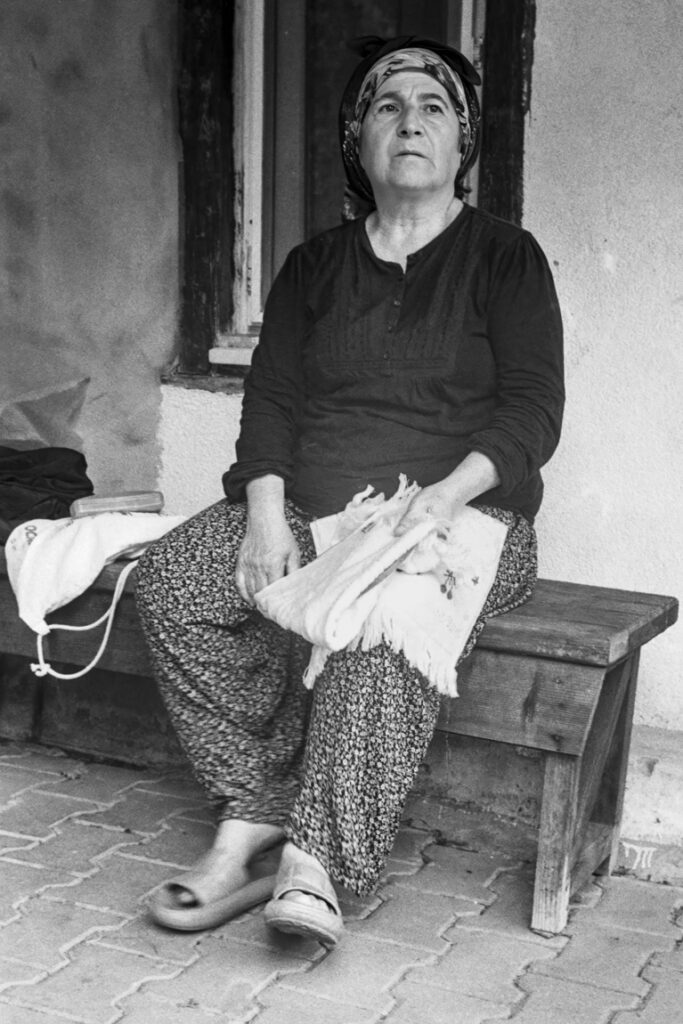
- Field Documentation: The photography group moved through various village sectors, focusing on three primary subjects: human portraiture (specifically the elderly residents), architectural fragments, and the intersection of modern tools (such as tractors) with traditional settings.
- On-Site Comparison: During the walk, a secondary comparison was conducted between the Leica II and a Leica IIIf (a later model from the 1950s). The technical takeaway was the significant improvement in the rangefinder system of the IIIf, which includes diopter adjustment to assist photographers with varying eyesight—a feature notably absent on the 1933 model.
- Post-Processing: Upon returning from the field, the film was processed using Ilfosol 3, a liquid concentrate developer known for producing fine grain and good sharpness with medium and high-speed films.
- Digitization: The negatives were scanned using an Epson V700 photo scanner, a high-end flatbed unit capable of capturing the tonal range provided by the 1940s Summitar glass.
Comparative Analysis: Evolution of the Rangefinder
A critical aspect of the report is the comparison between the 1933 Leica II and the Leica IIIf. The Leica IIIf, which Eren noted was likely a factory-upgraded IIIc, represents the pinnacle of the Barnack design before the introduction of the M-series in 1954.
The primary difference noted by users in the field is the viewfinder and rangefinder experience. In the 1933 Leica II, the viewfinder (for framing) and the rangefinder (for focusing) are separate windows. The photographer must first focus using the small, magnified rangefinder window and then shift their eye to the viewfinder window to compose the shot. By the time the IIIf was released, while the windows remained separate, the magnification and clarity had been significantly enhanced. The inclusion of a diopter adjustment on the IIIf allows the user to sharpen the focus of the rangefinder patch itself, a critical evolution for precision photography that the 1933 model lacks.
Data and Performance Observations
The results of the Şile project yielded several data points regarding the use of pre-war equipment in a modern documentary context:
- Optical Character: The Summitar lens at f/2 provides a distinct "vintage" look characterized by a slight softening at the edges and a unique "swirly" bokeh, though it remains remarkably sharp in the center.
- Film Response: Ilford HP5 proved resilient. Despite the lack of sophisticated light metering (requiring the photographer to use external meters or the "Sunny 16" rule), the film’s wide latitude compensated for the mechanical variances of a 90-year-old shutter.
- Mechanical Reliability: Despite its age, the Leica II functioned without mechanical failure. This speaks to the build quality of the "Leitz" era, where cameras were designed for indefinite serviceability.
- Failure Rate: Approximately two frames were lost specifically due to lens flare, a 5.5% failure rate based on a standard 36-exposure roll. This highlights the necessity of a lens hood when using uncoated 1940s optics.
Broader Implications for Modern Photography
The documentation of Şile’s villages using a 1933 Leica II is more than a nostalgic exercise; it represents a growing movement toward "slow photography." By using equipment that lacks automation, strap lugs, and lens coatings, the photographer is forced into a deeper engagement with the technical fundamentals of the craft.
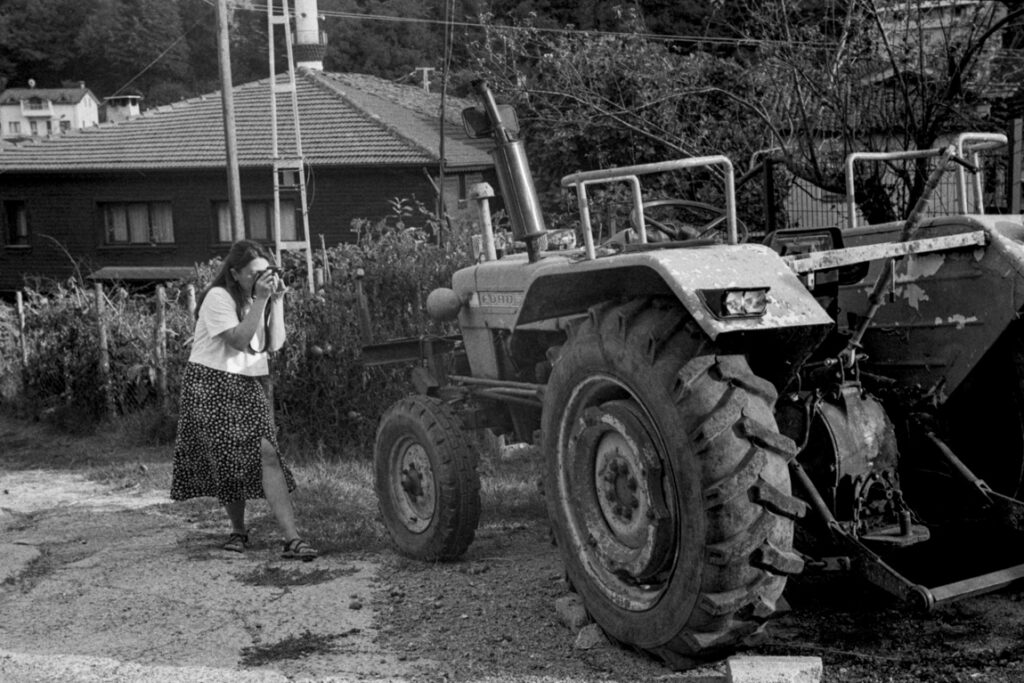
From a journalistic perspective, the use of such equipment also changes the interaction between the photographer and the subject. The small, non-threatening profile of a Barnack Leica is often less intimidating to village residents than a large modern DSLR or mirrorless camera. This allows for more authentic environmental portraiture, as seen in the images of the elderly residents of Şile.
Furthermore, the "Barnack Leica Virus" highlights a stable secondary market for vintage precision instruments. As digital sensors become obsolete within years, the mechanical Leica II remains a functional tool nearly a century after its production. This longevity suggests a sustainable alternative to the "disposable" nature of modern technology, provided that the user is willing to accommodate the ergonomic challenges of the 1930s.
Conclusion
The expedition to Şile confirms that while the Leica II requires a steeper learning curve and offers fewer conveniences than its successors like the IIIf, it remains a highly capable tool for documentary work. The pairing of the 1933 chassis with the 1940 Summitar lens creates a specific aesthetic signature that modern digital filters struggle to replicate accurately. For the "infected" collector or the serious documentarian, the Barnack Leica serves as both a bridge to photographic history and a functional instrument for capturing the present. As the photography group in Şile continues its mission to document rural life, the reliance on these mechanical artifacts ensures that the resulting images are imbued with a sense of timelessness appropriate for their subject matter.