The profound connection between humanity and the natural world, often overshadowed by the relentless pace of modern life, is a theme that resonates deeply with photographer Paul Nicklen. His journey, which began amidst the vast prairies of Saskatchewan and culminated in breathtaking encounters with the planet’s most majestic marine creatures, serves as a powerful testament to the enduring strength and unparalleled beauty found in nature. This narrative explores Nicklen’s personal evolution as a naturalist and visual storyteller, highlighting a pivotal moment of connection with a young sperm whale that challenged preconceived notions and underscored the profound reciprocal relationship possible between humans and wildlife.
From Prairie Roots to Arctic Frontiers
Born into a family with deep agricultural roots in Saskatchewan, Nicklen’s early life was shaped by the unyielding work ethic characteristic of Canada’s heartland. The predictable rhythms of farming and the close proximity to family provided a comforting foundation. However, a pivotal decision by his parents to relocate their young family to the remote Arctic marked a significant departure from the familiar, initiating an adventure that would fundamentally alter Nicklen’s perspective on life and his place within the natural world. This transition, from the cultivated landscapes of the prairies to the raw, untamed wilderness of the Arctic, presented a trade-off: the relinquishment of certain societal comforts for an immersion into the unknown. It was within this starkly beautiful and challenging environment that Nicklen first discovered the profound benefits of living in closer proximity to nature, a revelation that far outweighed what was left behind.
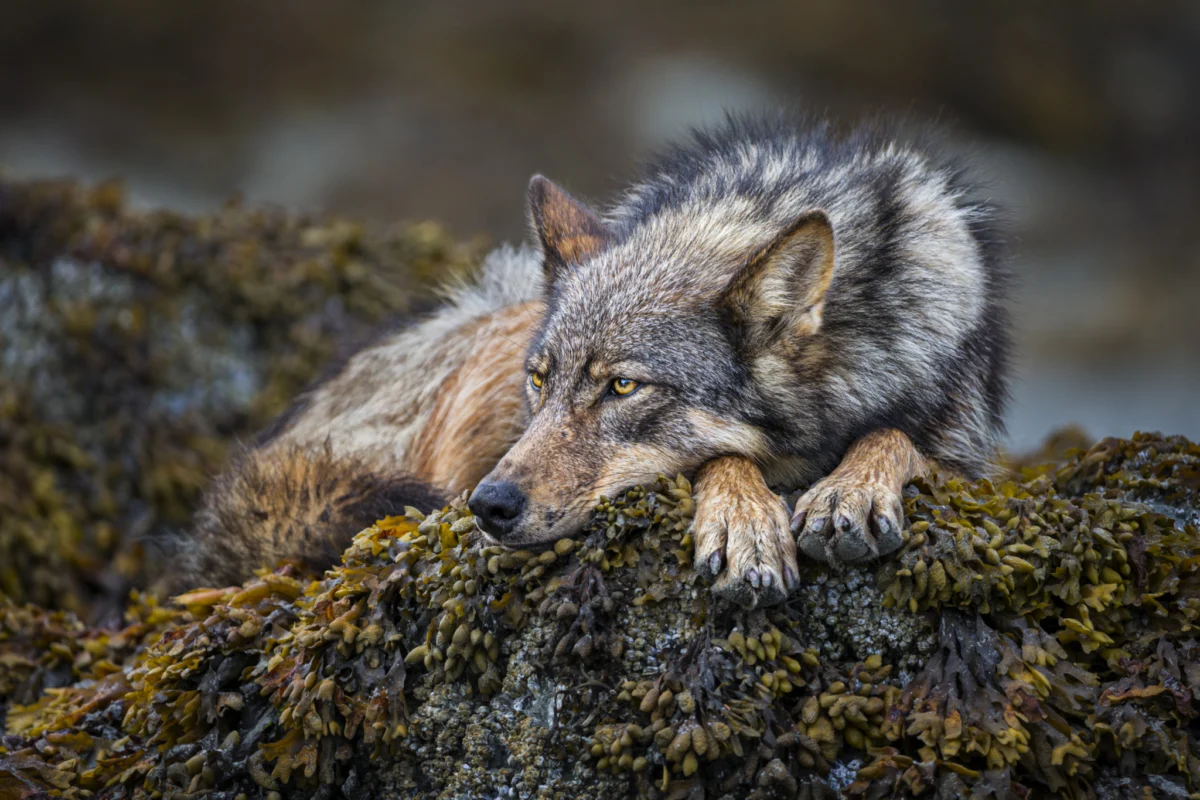
The Arctic environment, with its extreme conditions and unique wildlife, instilled in Nicklen an early appreciation for the resilience and adaptability of life. Growing up alongside species like wolves and polar bears, he developed an intimate understanding of their behaviors and the delicate ecological balance of their habitat. This formative experience laid the groundwork for his future career, where he would dedicate himself to capturing the essence of the planet’s wild inhabitants through the lens of his camera.
A Lens on the Wild: Documenting Earth’s Biodiversity
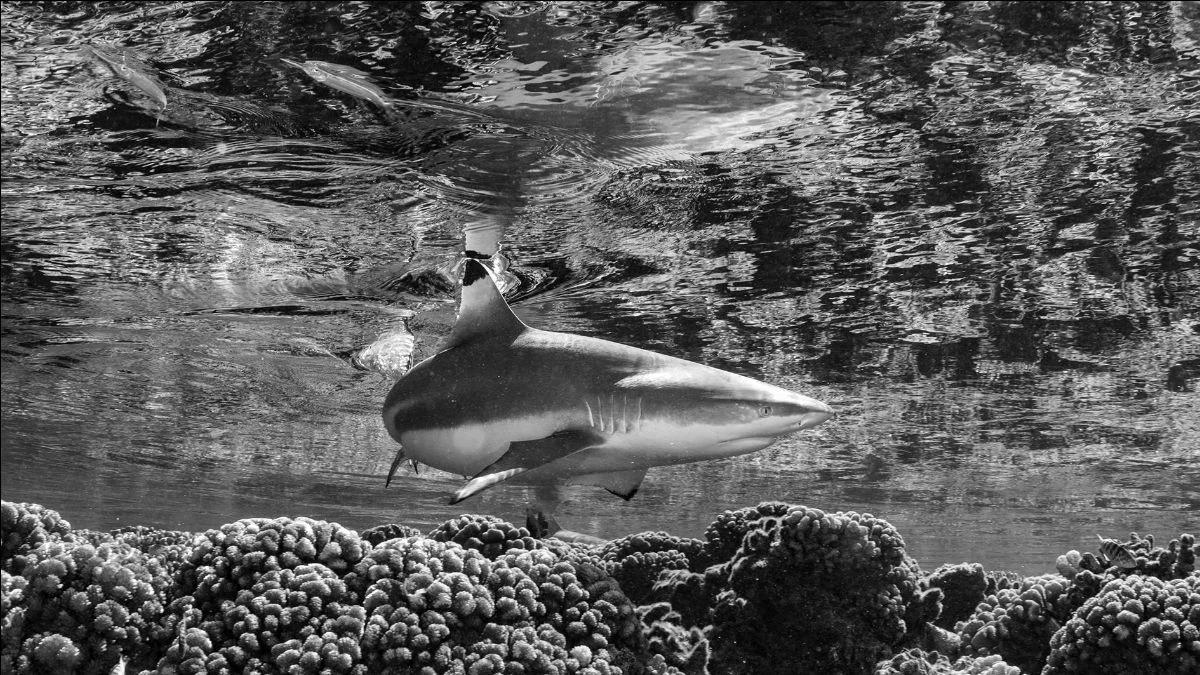
Upon embarking on his career as a photographer, Nicklen honed his craft by seeking out and documenting a diverse array of wildlife across the globe. His portfolio features an impressive spectrum of subjects, from the powerful presence of wolves and the stoic endurance of penguins to the elusive grace of lynx and the enigmatic allure of sharks. His encounters extended to some of the planet’s most reclusive creatures, including the spirit bear, a rare subspecies of black bear found in British Columbia. Through his work, Nicklen aimed to bring these often-unseen worlds to a wider audience, advocating for their conservation and fostering a deeper appreciation for the intricate web of life.
For Nicklen, the act of photographing wildlife is not merely an artistic pursuit but a profound privilege. He articulates a perspective that views each day spent on a planet teeming with an immeasurable diversity of species and a beauty that defies complete comprehension as an unparalleled gift. This philosophy underpins his dedication to his work, driving him to seek out and document the most vulnerable and awe-inspiring aspects of the natural world.
The Giants of the Deep: Encounters with Whales
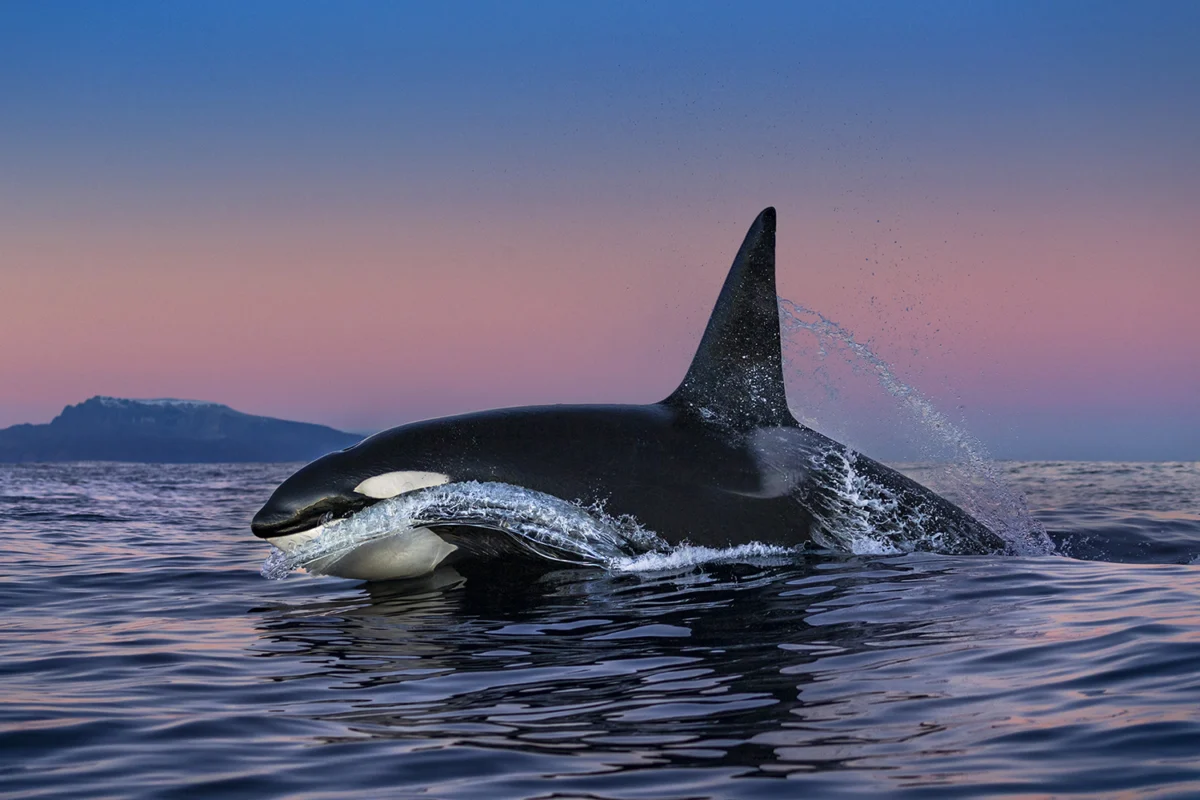
Among his most impactful experiences, Nicklen identifies his encounters with whales, the "true giants of Earth," as particularly significant. These majestic marine mammals, much like the Arctic wildlife he grew up with, evoke a potent mix of awe and apprehension in humans. Despite their immense size and their status as apex predators within the marine ecosystem, there are no definitive records of orcas or sperm whales ever causing fatalities among humans. Nicklen’s personal experiences have consistently revealed a different narrative, one characterized by gentleness and profound intelligence, a stark contrast to the myths and misconceptions that often surround these magnificent creatures.
Orcas, also known as killer whales, are highly intelligent and social animals, often misrepresented as inherently dangerous. Their complex hunting strategies and sophisticated communication systems highlight their advanced cognitive abilities. Similarly, sperm whales, the largest toothed whales on Earth, have been subjects of fascination and fear, largely due to their imposing size and their prominent role in classic literature, such as Herman Melville’s "Moby Dick." However, Nicklen’s photographic expeditions have consistently challenged these sensationalized portrayals, revealing the nuanced and often gentle nature of these marine behemoths.
The Dominica Encounter: A Calf’s Curiosity
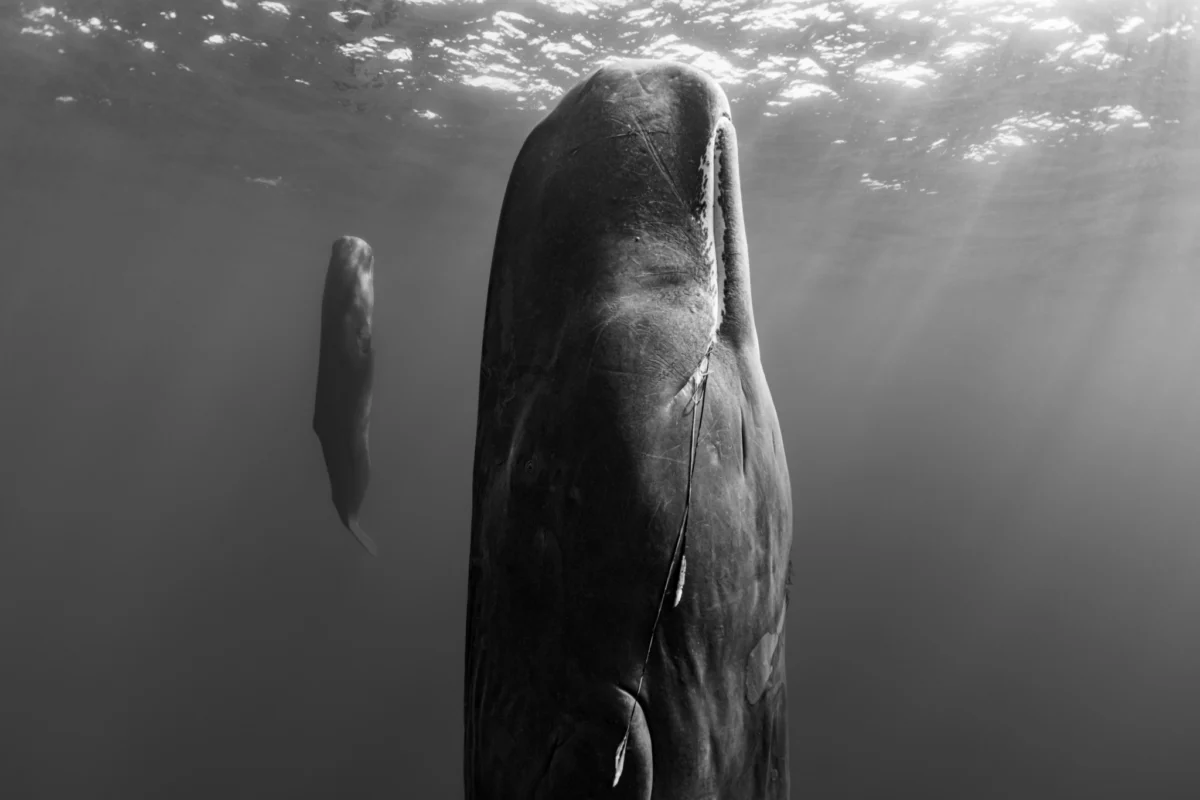
One of Nicklen’s most memorable and eye-opening experiences occurred off the coast of Dominica, where he had the opportunity to swim with a pod of sperm whales. This encounter, undertaken using only a snorkel and free-diving techniques, allowed him to approach the whales with minimal disruption. Sperm whales typically spend the majority of their time in the deep ocean, surfacing primarily to breathe and rest. During these periods, they are often observed in a vertical resting position, with their heads pointed towards the surface, a behavior that Nicklen meticulously documented.

During this particular dive, the matriarch and her pod were aware of Nicklen’s presence and appeared comfortable with his unobtrusive observation. However, as he ascended to catch his breath, his attention was unexpectedly drawn to the youngest member of the group. This calf, affectionately nicknamed "Ariel" by local residents, had evidently become restless during its mother’s rest. With a youthful exuberance, Ariel broke away from the pod and made a direct approach towards Nicklen.
The photographer braced himself for the encounter, noting the calf’s considerable size, estimated at approximately 20 feet. To his surprise, Ariel, despite her speed and momentum, exhibited no aggressive intent. Instead, she opened her mouth, which, as Nicklen observed, was toothless, and began to playfully gum his camera housing. This behavior, far from being threatening, was akin to that of an inquisitive toddler exploring a new object. Nicklen, drawing upon years of experience with large and unpredictable wildlife, remained calm, slowly backing away to regain his composure. The interaction with Ariel served as a profound illustration of the calf’s innate curiosity and gentle nature, a far cry from the monstrous portrayals often associated with such creatures.
The image captured during this encounter, showing Ariel emitting a playful stream of bubbles as she barrels past Nicklen, has become iconic. It encapsulates the spirit of their interaction: a moment of unadulterated curiosity and a peaceful coexistence between species. This photograph is a powerful visual argument against the ingrained fear and misconception that often accompany our perceptions of large marine animals.
Nature’s Enduring Gifts: Connection and Belonging
Reflecting on his life’s journey, Nicklen recognizes that his early experiences, from his upbringing in Saskatchewan to his formative years in the Arctic, provided him with an invaluable foundation for connecting with the natural world. Following the "footsteps of bears and foxes" in his youth cultivated a deep-seated appreciation for Earth’s wildest creatures. This early immersion fostered a lifelong pursuit of understanding and documenting these animals, leading to profound encounters like the one with Ariel and her pod.
Nicklen posits that the more time individuals spend immersed in nature, the more the world unfolds, revealing new experiences and fostering a deeper sense of connection. He argues that beyond the transient comforts and luxuries offered by the fast-paced modern society, nature provides an enduring and authentic form of connection. This connection, he believes, is not only vital for the health of the planet but also for the well-being of humanity.
The implications of Nicklen’s perspective are far-reaching. In an era marked by increasing urbanization and a disconnect from the natural environment, his work serves as a crucial reminder of what we stand to lose. The scientific community has increasingly emphasized the psychological and physiological benefits of spending time in nature, often referred to as "nature therapy" or "ecotherapy." Studies have shown that exposure to natural environments can reduce stress, improve mood, and enhance cognitive function. Nicklen’s personal narrative and photographic evidence powerfully illustrate these benefits, demonstrating how a life lived in closer proximity to nature can lead to a richer, more fulfilling existence.
Furthermore, his encounters with animals like sperm whales highlight the importance of dispelling myths and fostering respect for wildlife. The conservation efforts surrounding marine mammals are often hampered by a lack of public understanding and empathy. By presenting these creatures in a positive and nuanced light, Nicklen contributes to a broader understanding of their ecological significance and their inherent right to exist. The success of conservation initiatives often hinges on public support, which is cultivated through education and emotional connection. Nicklen’s photography serves as a powerful tool in bridging this gap.
The broader impact of Nicklen’s work extends to advocating for policy changes and greater environmental protection. His images often serve as a visual call to action, drawing attention to the threats facing endangered species and their habitats. The data on declining marine populations, for instance, underscores the urgency of conservation efforts. For example, the International Union for Conservation of Nature (IUCN) Red List classifies several whale species as vulnerable or endangered, citing threats such as entanglement in fishing gear, ship strikes, and pollution. Nicklen’s photographs, by showcasing the beauty and sentience of these animals, can galvanize public opinion and support for measures aimed at mitigating these threats.
Ultimately, Paul Nicklen’s journey from the Canadian prairies to the depths of the ocean is a compelling narrative about the transformative power of nature. His experiences, particularly the heartwarming encounter with a young sperm whale, underscore the profound and often overlooked gifts that the natural world offers. His dedication to capturing and sharing these moments through his photography serves as a powerful reminder that true connection, enduring strength, and unparalleled beauty are found not in the artifice of human constructs, but in the wild, untamed heart of our planet. This, he eloquently concludes, is the greatest gift of all.