Each year, a comprehensive analysis of rental data provides an invaluable barometer for understanding the prevailing trends and future trajectory of the photography and videography industry. As the leading rental house in America, our aggregated data from 2025 offers critical insights into product popularity, brand performance, and emerging technologies, signaling where the market is heading in the years to come. This year’s findings reinforce several ongoing shifts while also revealing some surprising preferences among professional and aspiring content creators.
The Dominance of Versatility: Top Rental Products of 2025
The annual assessment of most popular rentals is determined strictly by the sheer volume of transactions, deliberately excluding pricing metrics to prevent skewing results towards higher-cost, lower-volume items. This methodology provides a clearer picture of widely adopted and frequently utilized gear.
Mid-Range Zooms Reign Supreme:
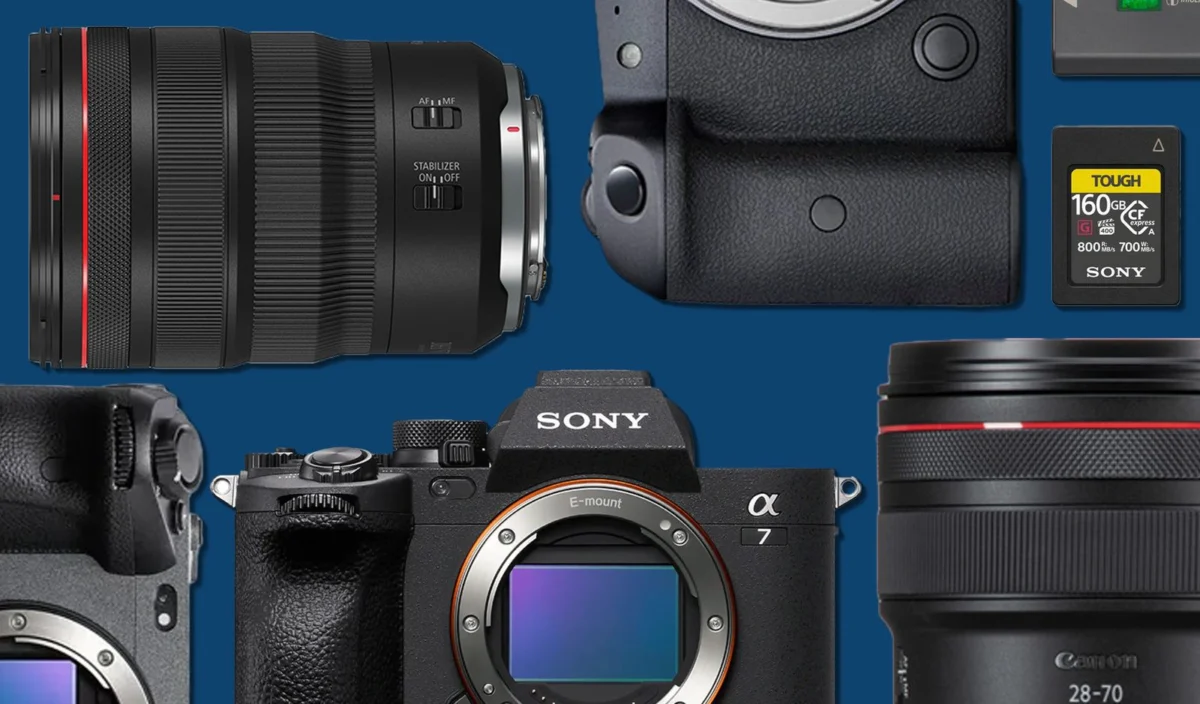
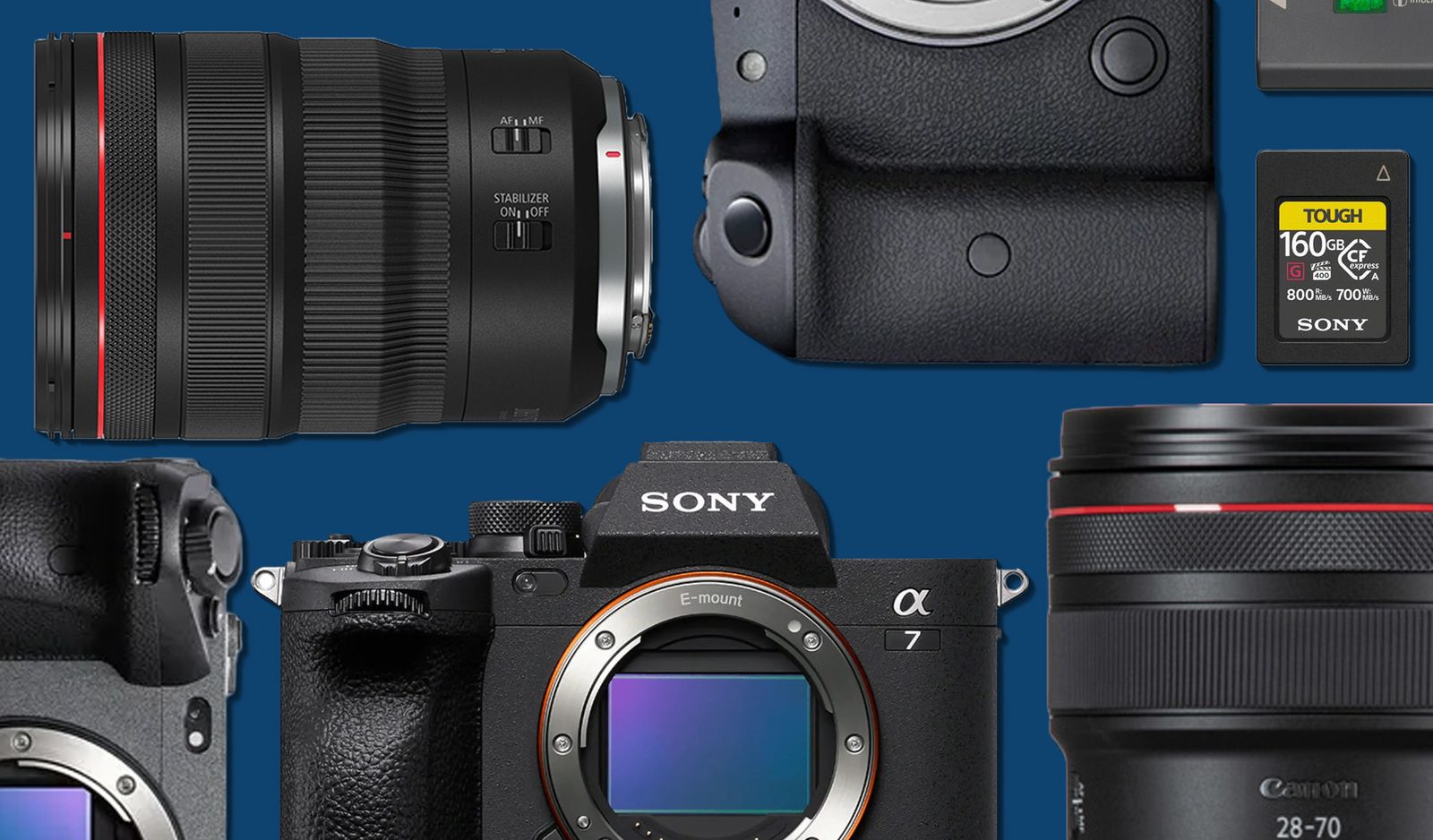
Contrary to the oft-repeated industry mantra that "Prime is King," the 2025 data overwhelmingly suggests a preference for versatile mid-range zoom lenses in the rental market. The Canon RF 24-70mm f/2.8L IS emerged as the undisputed leader, securing the top position. Its slightly faster, albeit shorter-ranged, sibling, the Canon RF 28-70mm f/2L, followed closely. This consistent performance by professional-grade zoom lenses underscores their utility in diverse shooting scenarios, from events and portraiture to documentary and corporate videography. Renters, often working on varied projects with limited budgets or timeframes, prioritize adaptability. A single, high-quality zoom lens can cover a multitude of focal lengths, reducing the need for multiple lens changes and streamlining workflows on set. This practical consideration makes them ideal for rental situations where efficiency and broad utility are paramount. The first prime lens, the Canon RF 50mm f/1.2L, did not appear until the 17th position, highlighting a clear divergence between perceived industry preference and actual rental demand. This pattern suggests that while prime lenses are highly valued for their optical quality and low-light performance, the pragmatic advantages of zooms often outweigh these benefits for a significant portion of the rental clientele.
Camera Choices: Performance Meets Practicality:
Delving deeper into camera rentals, the Canon R6 Mark II unexpectedly topped the list of most rented cameras for 2025. This triumph is particularly notable given that it surpassed higher-resolution and often more talked-about models such as the R5 Mark II (ranking 8th) and the original R5 (ranking 4th). The R6 Mark II’s success can be attributed to its formidable blend of performance, affordability, and versatility, offering an excellent balance for both stills and video without the premium price tag or extensive file sizes associated with its R5 series counterparts. Its robust autofocus, impressive low-light capabilities, and reliable video features likely resonate strongly with a broad spectrum of users.
Sony, a formidable competitor, demonstrated a strong presence throughout 2025, with nine different camera models making it into the top twenty. This diverse showing spanned from high-end cinema systems like the Sony FX6, favored by serious videographers for its cinematic image quality and robust features, to compact, high-performance point-and-shoot options like the Cybershot RX100 VII, indicating a wide appeal across various user segments. Sony’s consistent innovation in both mirrorless and cinema cameras has clearly cemented its position as a go-to brand for renters seeking cutting-edge technology.
In contrast, the 2025 data revealed a conspicuous absence of Fujifilm cameras within the top twenty, a surprising outcome given the brand’s loyal following and reputation for excellent image quality and distinct aesthetics. Nikon managed to secure a single spot with the Nikon Z8, a powerful mirrorless camera that has garnered critical acclaim for its speed and professional features, but its singular entry suggests a more concentrated, perhaps niche, appeal within the rental ecosystem compared to its primary rivals. This disparity in brand representation among top-rented cameras warrants further examination within the broader context of market share.
Accessory Essentials: Powering the Production:
The "accessories" category encompasses a wide array of equipment, from cables and hard drives to tripods and lighting gear. The 2025 rental data for accessories presented a largely predictable, yet crucial, pattern: batteries and memory cards dominated the top positions. This trend is a direct reflection of modern camera technology, particularly the widespread adoption of mirrorless systems. Mirrorless cameras, while offering numerous advantages in terms of size, speed, and autofocus, are notoriously more power-hungry than their DSLR predecessors. Consequently, extended shooting sessions necessitate a larger supply of spare batteries. Similarly, the increasing resolution of both still images and video footage (e.g., 4K, 6K, 8K) demands high-capacity, high-speed memory cards to handle the voluminous data generated.
Surprisingly, dedicated lighting equipment or drone systems largely did not break into the top twenty accessories, with the notable exception of the DJI TB50 battery in the 18th position, likely servicing DJI Ronin gimbals or specific drone models. The remaining positions were filled by essential support gear like light stands and tripods, underscoring their foundational role in any professional production setup. The relative absence of specialized lighting or drone gear in the general accessories list might suggest that these items are rented as complete kits (e.g., a drone with its proprietary batteries) rather than individual accessories, or that their individual rental frequency is lower compared to the ubiquitous need for power and storage.
Brand Dynamics: A Shifting Landscape by Revenue
While unit-based rental data provides insight into popularity, analyzing brand market share by revenue offers a different perspective, often highlighting the impact of higher-priced, professional-grade equipment on overall business. The following table illustrates the market share evolution over three years:
| Brand | 2023 Market Share | 2024 Market Share | 2025 Market Share |
|---|---|---|---|
| Canon | 23.96% | 25.69% | 26.51% |
| Sony | 19.13% | 20.45% | 21.66% |
| Nikon | 4.88% | 5.91% | 5.56% |
| DJI | 3.31% | 3.80% | 4.29% |
| Blackmagic | 3.57% | 3.30% | 3.15% |
| Sigma | 3.32% | 3.34% | 3.13% |
| Fuji | 2.24% | 2.59% | 2.79% |
| Aputure | 2.03% | 2.37% | 2.29% |
| Panasonic | 1.94% | 1.98% | 2.01% |
| Leica | 1.64% | 1.47% | 1.52% |
| RED | 2.03% | 1.27% | 1.11% |
| Sachtler | 1.38% | 1.07% | 1.05% |
Canon’s Enduring Lead:
Canon continued its reign as the market leader in rental revenue, steadily increasing its share from 23.96% in 2023 to 26.51% in 2025. This sustained growth underscores the brand’s robust ecosystem, comprehensive product offerings across various price points, and strong reputation for reliability and performance. The consistent demand for their professional-grade lenses and versatile camera bodies, as seen in the top rental lists, directly translates into a dominant revenue share.
Sony’s Ascendant Trajectory:
Sony mirrored Canon’s upward trend, with its market share growing from 19.13% to 21.66% over the same period. This impressive ascent is a testament to Sony’s aggressive innovation, particularly in mirrorless technology and high-end video solutions. The brand’s ability to cater to both hybrid shooters and dedicated videographers with products like the Alpha series and the FX line has solidified its position as a primary challenger and a significant revenue driver in the rental market.
Nikon’s Strategic Positioning:
Nikon experienced a slight dip in market share in 2025, falling to 5.56% from a peak of 5.91% in 2024, though still up from 4.88% in 2023. While the Nikon Z8 made a strong impression in terms of individual camera rentals, the overall revenue share suggests that while its professional offerings are highly regarded, its broader market penetration in rentals might be more concentrated. Industry analysts suggest Nikon’s strategy focuses on delivering high-performance tools for specific professional segments, which may not translate into the same broad rental volume as brands with more diverse entry-level and mid-range options.
Emerging Players and Niche Strengths:
DJI continued its steady growth, climbing from 3.31% to 4.29% market share. This expansion highlights the increasing integration of drone technology and stabilization systems into mainstream production workflows, reflecting a broader industry trend towards dynamic aerial and stabilized ground footage. Blackmagic and Sigma, while showing slight decreases, maintained significant shares, indicating their continued importance in niche segments—Blackmagic in cinematic cameras and production tools, and Sigma as a leading third-party lens manufacturer.
Fuji, despite its absence from the top camera rental list, saw a modest increase in market share, reaching 2.79%. This suggests that while its cameras might not be rented in the highest volumes, the models that are rented, or its overall system, contribute steadily to revenue. Aputure, a prominent lighting brand, also maintained a respectable share, albeit with a slight dip in 2025, underscoring the consistent demand for professional lighting solutions. Brands like RED and Leica, despite their premium pricing and lower unit volumes, still command a presence due to their high-ticket items, though RED saw a notable decrease from 2.03% in 2023 to 1.11% in 2025, possibly indicating increased competition or a shift in high-end production preferences. Sachtler, specializing in camera support, also saw a slight decline, reflecting potential shifts in tripod and fluid head preferences.
"These market share figures are crucial indicators," commented a spokesperson from the rental house’s market analysis division. "Canon and Sony’s sustained growth reflects not just their product innovation but also the maturity of their mirrorless ecosystems. Their comprehensive offerings, from entry-level to high-end professional gear, resonate with a wide array of content creators. The slight shifts seen in other brands, like DJI’s rise or RED’s dip, signal dynamic changes in specific production segments, such as the increasing demand for drone services or evolving preferences in high-end cinema camera systems."
Innovation and Adoption: New Gear on the Horizon
The "most popular new gear" list offers a forward-looking perspective, indicating where market interest is gravitating and which recent releases are gaining traction. However, this list comes with important caveats: products announced earlier in the year naturally have a greater advantage in accumulating rental data, and the list can also reflect new product categories or subsections that the rental house has recently introduced.
Key Introductions of 2025:
Leading the charge for new products in 2025 was the updated version of the highly popular Manfrotto 190 series. This tripod, a staple in many videography kits for years, earned its renewed popularity through a combination of proven reliability and incremental, user-centric upgrades. Its consistent performance, robust build, and adaptability for various shooting styles make it a go-to choice for both stills and video work, ensuring its continued relevance in a competitive market.
Finally, 2025 saw the first strong debut on these new gear lists from a dedicated lighting company: the Amaran COB 200x. This 200W bi-color monolight, known for its impressive output and color accuracy, quickly gained favor due to its dual power options—both battery and AC power. This versatility makes it an incredibly appealing option for diverse production environments, from studio shoots with reliable power to on-location setups requiring portable, battery-powered lighting. Its rapid adoption signals a growing demand for flexible and powerful LED lighting solutions among renters.
The remainder of the new gear list primarily comprised refreshes of already popular equipment. These offerings typically provided marginal upgrades to existing, exceptional products, suggesting that 2025 was largely a transitional year for the industry. Rather than revolutionary new technologies, the focus appears to have been on refining ergonomics, improving minor performance aspects, or enhancing connectivity features of established gear. This trend aligns with the broader market’s maturation, where incremental improvements often drive sales and rentals more than entirely new, unproven concepts.
Broader Implications for Content Creation and the Rental Market
The 2025 rental data paints a clear picture of an industry increasingly driven by versatility, efficiency, and the need for robust, reliable tools. The sustained demand for mid-range zooms and hybrid camera bodies like the Canon R6 Mark II underscores the rise of the "hybrid shooter" – content creators who seamlessly switch between photography and videography for diverse projects. These individuals, often working as freelancers or within smaller production teams, require gear that can perform exceptionally across multiple disciplines without necessitating a vast array of specialized equipment.
For manufacturers, the data highlights the critical importance of developing comprehensive ecosystems that offer both high-performance and practical utility. Brands that can deliver versatile solutions, supported by reliable service and a wide range of compatible accessories, are poised for continued success. The strong showing of Canon and Sony is a testament to their strategic investments in this direction.
The rental market itself serves as a crucial facilitator in this evolving landscape. It democratizes access to professional-grade equipment, allowing individual creators and smaller production companies to utilize cutting-edge technology without the prohibitive upfront costs of purchase. This enables them to compete effectively and produce high-quality content, fostering innovation and creativity across the industry. Furthermore, rental services act as an extended testing ground, with rental data providing manufacturers with valuable, real-world feedback on product performance and user preferences. The significant rental activity for accessories like batteries and memory cards also signals an ongoing need for manufacturers to address power consumption and data management solutions more holistically in future camera designs.
Looking ahead to 2026 and beyond, these trends suggest a continued emphasis on technological refinement rather than radical overhauls. We might see further integration of AI-powered features, enhanced connectivity, and more robust in-camera stabilization as manufacturers seek to refine the user experience. The competition between Canon and Sony is expected to intensify, while other brands will need to carve out increasingly specialized niches or significantly innovate to gain ground. The role of accessories, particularly those enhancing workflow and power management, will only grow in importance.
The 2025 rental data from the premier rental house provides a robust snapshot of the current state of the photography and videography industry. It underscores the ongoing transition to mirrorless systems, the enduring value of versatility, and the strategic positioning of leading brands. These insights are not merely statistics; they are a window into the creative choices of thousands of professionals and enthusiasts, shaping the tools and techniques that will define visual storytelling in the years to come. Next week, we will delve into our purchase data, revealing which rented gear proved so indispensable that customers opted to give it a permanent home.