The realm of photography often blurs lines between genres, with street photography and photojournalism standing as prime examples of disciplines that share common ground yet diverge significantly in their intent, methodology, and ethical considerations. While both rely on the candid capture of life as it unfolds, their fundamental purposes and the expectations placed upon them create distinct identities. Understanding these differences is crucial for photographers, audiences, and critics alike, as it shapes our interpretation of the images we encounter and the responsibilities inherent in their creation.
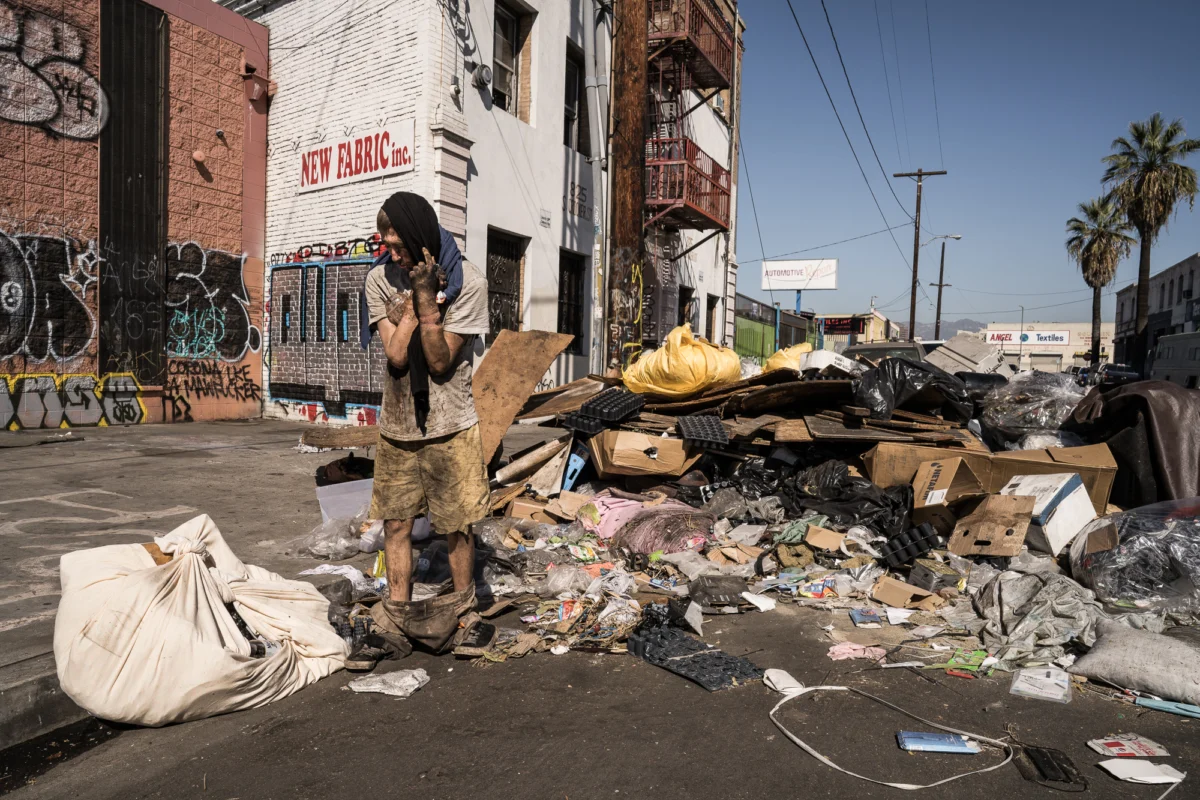
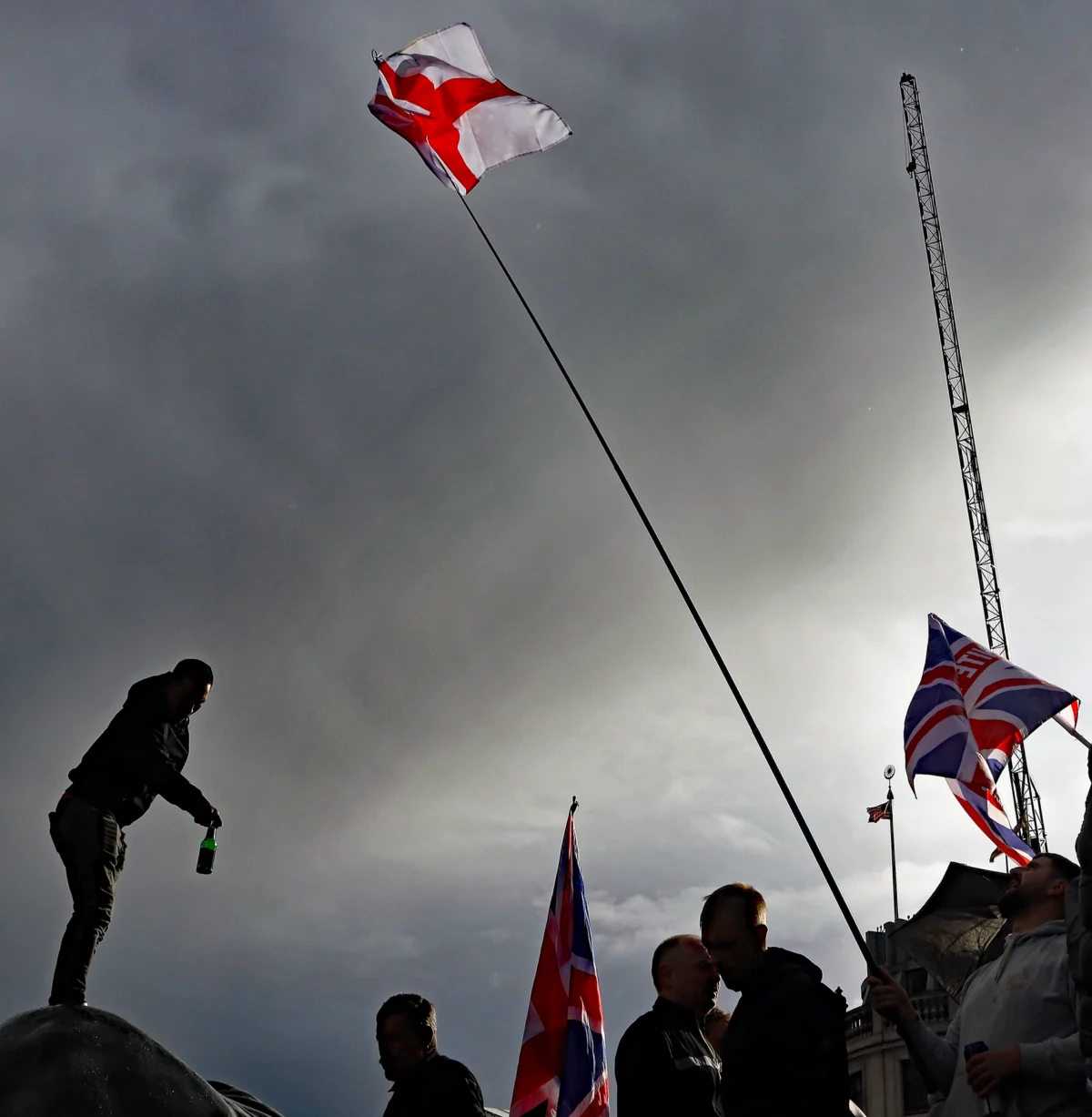
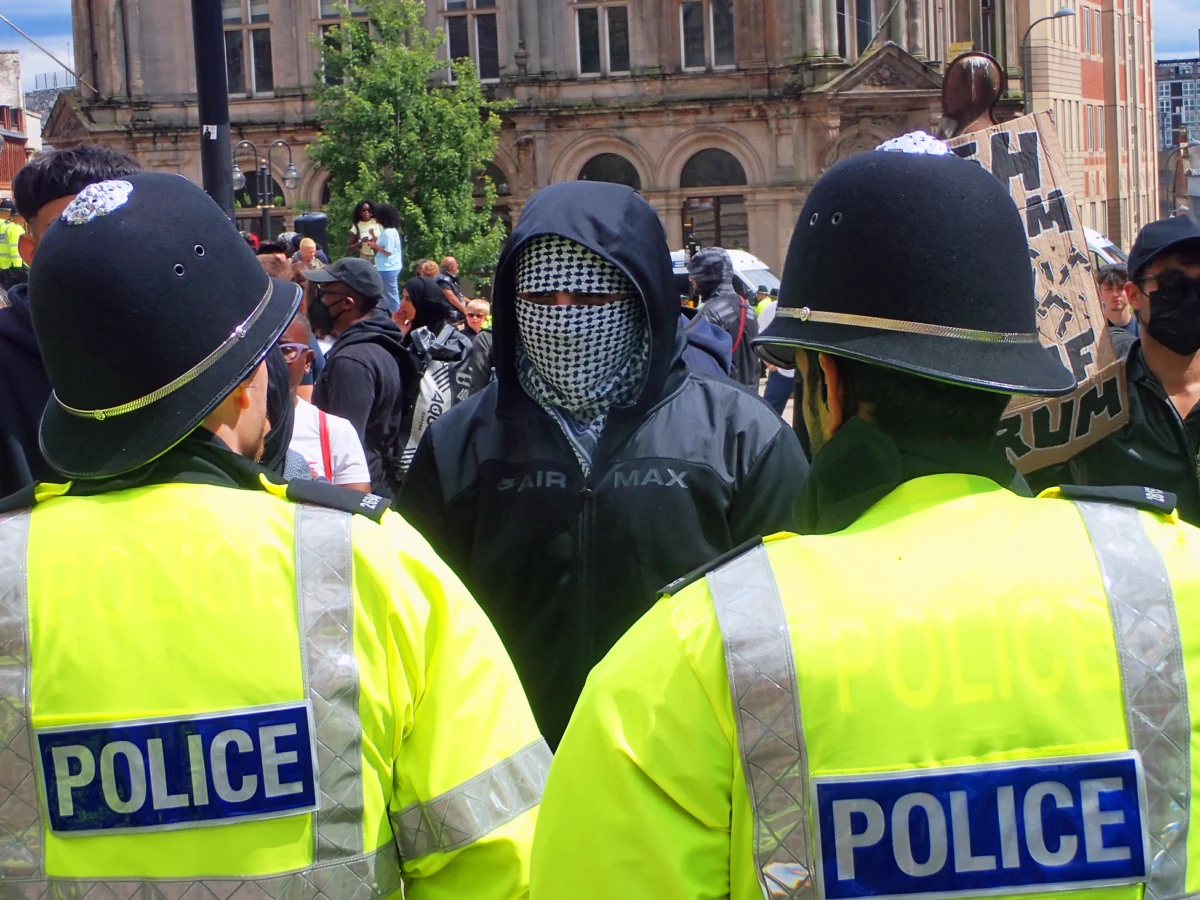
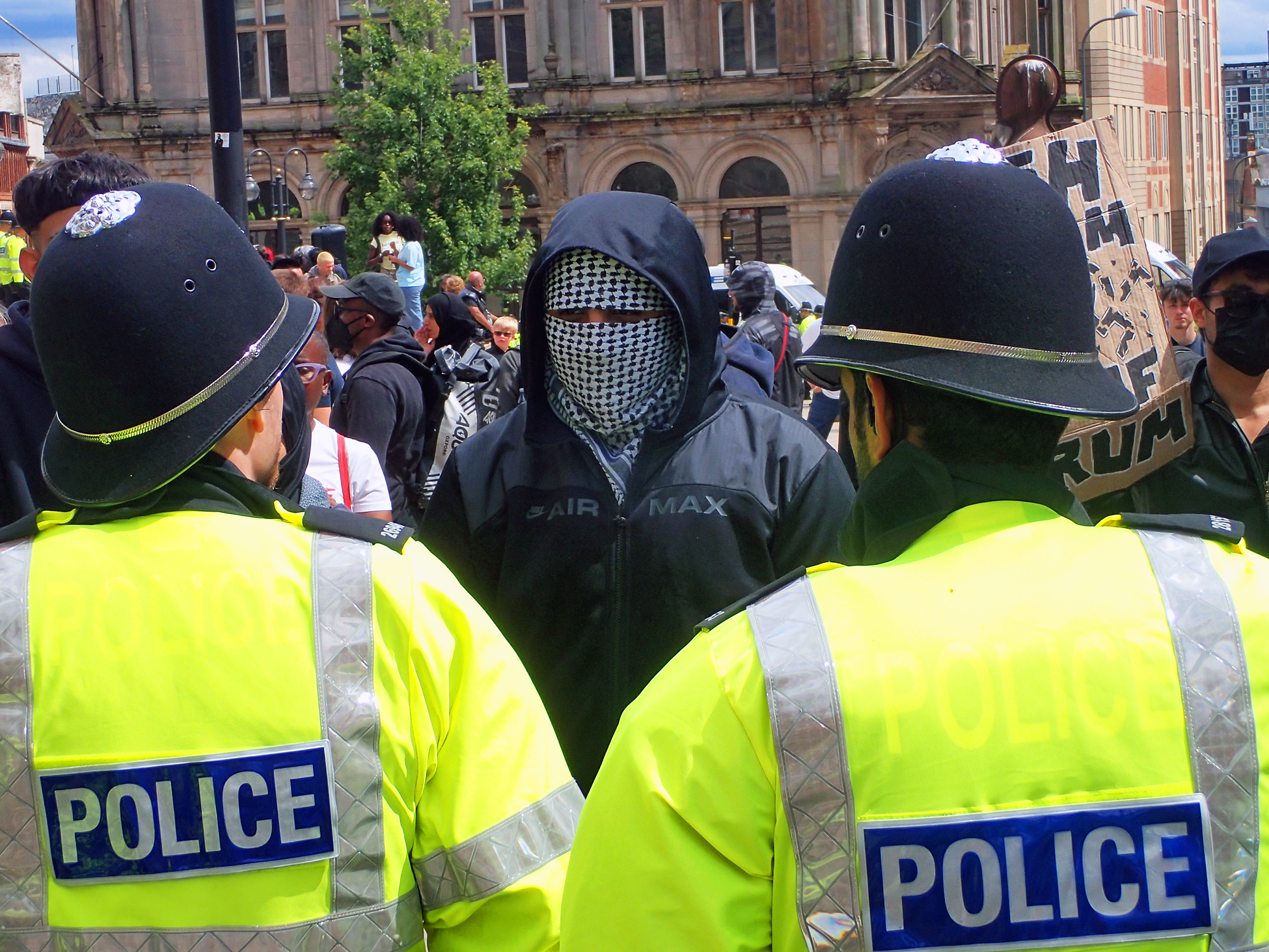
At its core, photojournalism is dedicated to the factual documentation of news and events. Its primary mandate is to inform the public with accuracy and contextual depth, often serving as the visual arm of news organizations. The ethical bedrock of photojournalism is built upon objectivity and minimizing manipulation, ensuring that the narrative conveyed is as unvarnished and truthful as possible. This commitment to factual reporting means that when photojournalistic work is captured on the street, it is done with the specific intention of bearing witness to events of public interest, rather than for purely aesthetic exploration. The accuracy of the depicted moment, the identity of the subjects in relation to the event, and the broader context are paramount. Photojournalists are often embedded within unfolding narratives, tasked with providing a visual record that complements written accounts, offering a powerful and immediate connection to the stories that shape our world.
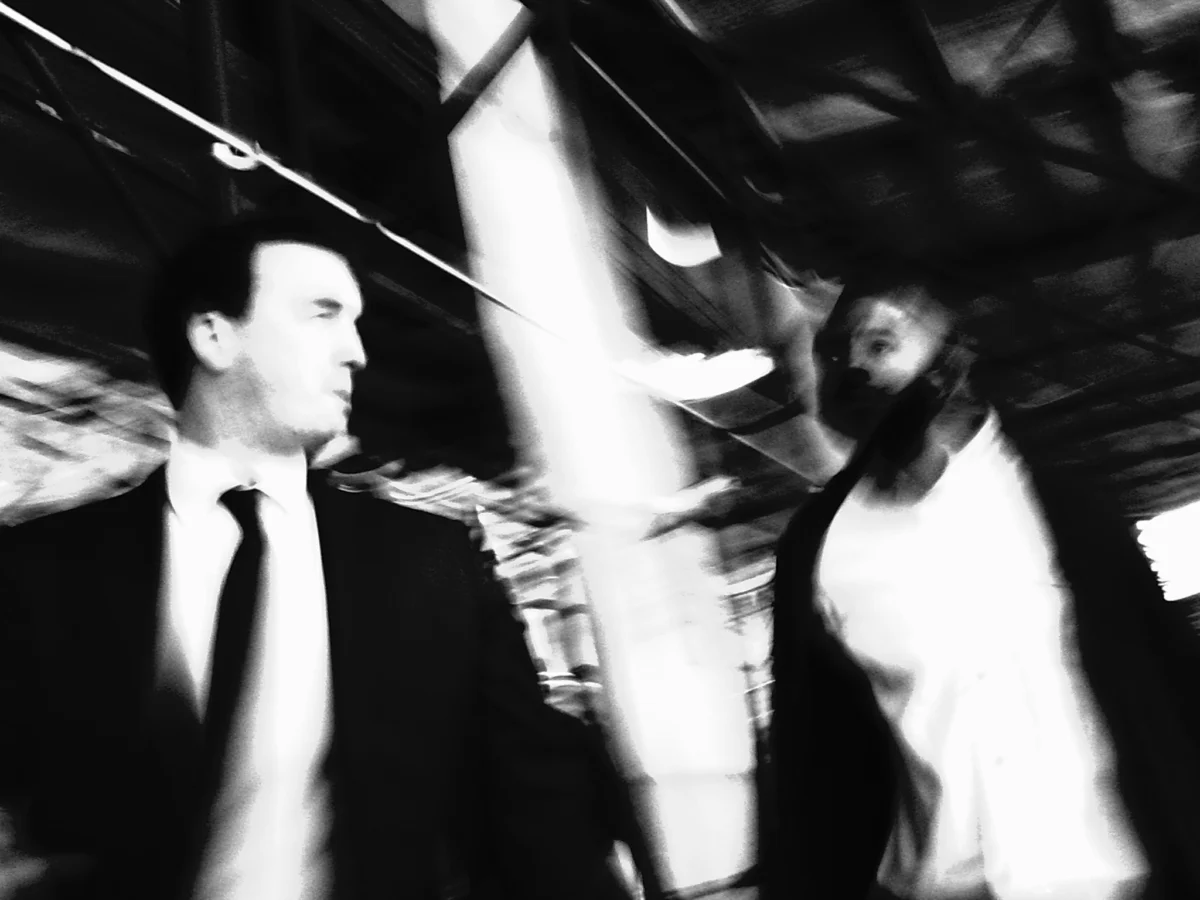
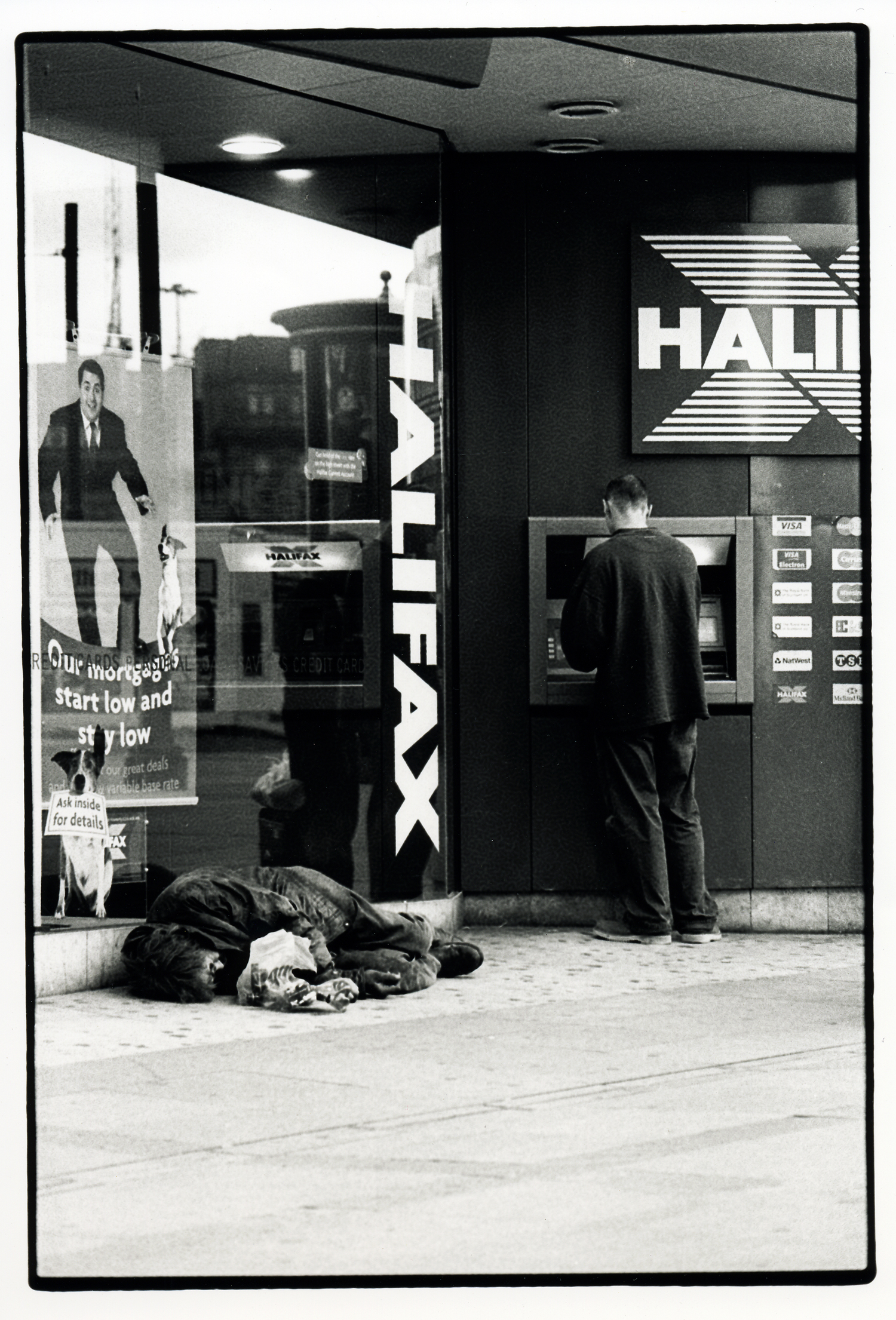
Street photography, conversely, embraces the candid, often artistic, portrayal of everyday life and urban environments. Its focus shifts from explicit news reporting to capturing the mood, composition, humor, juxtaposition, and spontaneous moments that define human existence in public spaces. While street photography can certainly capture visually compelling scenes that might be of interest to news outlets, its primary driver is artistic expression and personal vision. The ambiguity and open-ended questions that street photography often evokes are central to its appeal. It invites viewers to interpret, to find their own meaning, and to connect with the human condition through a lens that prioritizes aesthetic sensibilities and emotional resonance. The "decisive moment," a term famously coined by Henri Cartier-Bresson, is a key concept for both genres, referring to the instant when all elements of a scene – subject, action, light, and composition – converge to create a powerful and meaningful image. However, in street photography, this moment is often sought for its intrinsic artistic value and its ability to communicate a feeling or an observation about life, rather than to convey specific factual information about an event.
The divergence in intent between these two genres becomes particularly apparent when examining their respective priorities. Photojournalists are fundamentally driven by the imperative to inform and to preserve evidence. Their work serves as a historical record, a testament to what has occurred. They are entrusted with the responsibility of presenting reality in a manner that is both accessible and truthful, often working under tight deadlines and editorial guidelines. The ethical framework for photojournalists is robust, encompassing principles of accuracy, fairness, and the avoidance of causing unnecessary harm. They are trained to navigate sensitive situations, to obtain consent when appropriate, and to understand the potential impact of their images on individuals and communities.
Street photographers, on the other hand, prioritize their personal vision, aesthetic exploration, and the potential for social commentary. Their work is an outward expression of their inner perceptions, seeking to find beauty, irony, or poignancy in the ordinary. While social commentary can be a powerful element, it is often conveyed through suggestion and artistic interpretation rather than explicit declaration. This emphasis on personal vision naturally leads to a greater degree of subjectivity in street photography. The "greatness" of a street photograph is often debated and is heavily reliant on originality, emotional impact, and the photographer’s unique perspective, making it a more subjective measure compared to the clearer factual and editorial criteria that guide photojournalism.
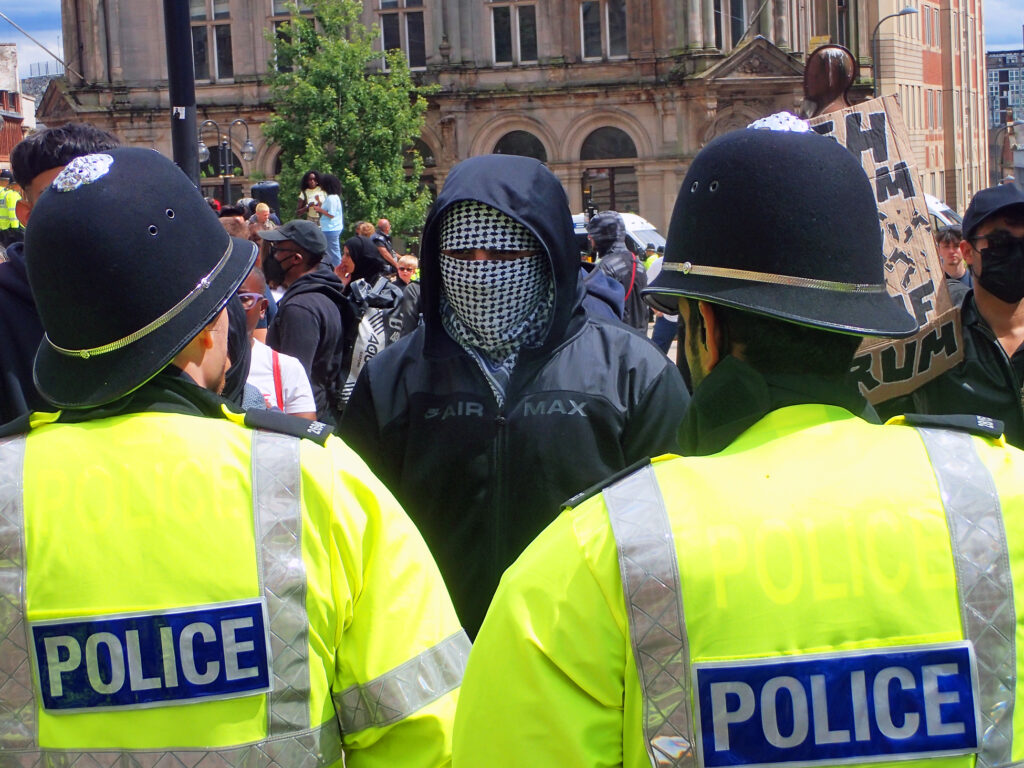
Legal and ethical considerations also present a significant point of differentiation. Photojournalists operate within established editorial guidelines and legal frameworks that address issues of privacy, consent, and the reporting of sensitive information. They are often employed by institutions with legal departments that provide guidance on these matters. The ethical obligations are often institutionalized and subject to scrutiny by editors, publishers, and the public. In contrast, street photographers largely navigate a more self-regulated landscape. While they are still bound by general laws regarding privacy and public behavior, the ethical considerations are often more personal and self-directed. This involves a careful balancing act between artistic freedom and respect for the subjects being photographed. The absence of institutional oversight means that the onus of ethical decision-making falls squarely on the individual photographer. This self-regulation is a defining characteristic of the street photography community, where norms and best practices evolve through shared discourse and individual responsibility.
The practical intersection of these genres is undeniable. A compelling street photograph can, at times, capture a moment of significant newsworthiness, potentially finding its way into journalistic coverage. Conversely, photojournalistic images may adopt the aesthetic sensibilities of street photography, employing candid techniques and focusing on evocative composition and mood. However, recognizing the fundamental goals of each genre is essential for understanding the photographer’s approach, the responsibilities they undertake, and the expectations of their audience. A photograph that aims to inform needs to be scrutinized for its factual accuracy and context. A photograph that aims to evoke emotion or provoke thought through its artistic merit will be judged on different criteria.
The nature of capturing the "decisive moment" also differs in practical execution. Great street photography is often described as being reliant on serendipity and timing. It requires the photographer to be constantly present, observant, and ready to react to fleeting, unplanned moments. The ideal capture involves a confluence of perfect composition, compelling light, and authentic human expression, often demanding a degree of luck alongside honed skills. This emphasis on serendipity means that street photographers are frequently engaged in a pursuit of the unexpected, waiting for the extraordinary to emerge from the mundane.
Photojournalism, while also valuing the decisive moment, often has a more structured approach to coverage. Assignments are typically centered around known events, scheduled press conferences, or ongoing stories that allow for a degree of predictability. While spontaneous moments are always a possibility and are highly valued, the photographer often has a clearer understanding of the context and the potential subjects they will encounter. This allows for more deliberate planning and a focus on gathering the necessary visual information to tell a complete story.
Furthermore, the narrative construction in each genre varies significantly. Street photographers generally strive to achieve narrative cohesion and strong visual design within a single frame. The composition, contrast, and mood of an image are critical in conveying implied storytelling. They are tasked with packing a punch, delivering a complete thought or feeling in one captured moment. Photojournalists, on the other hand, can build narratives across sequences of images and through accompanying captions. This allows for a more detailed and nuanced explanation of events, providing context, multiple perspectives, and a chronological progression that might be difficult to encapsulate in a single frame. The ability to use multiple images and text offers a different, often more comprehensive, way of informing the audience.
The criteria for judging "greatness" also diverge. As mentioned, street photography is heavily influenced by personal vision, originality, and emotional resonance. This subjective standard makes it challenging to achieve universal consensus on what constitutes exceptional work. The appreciation of street photography often lies in its ability to connect with the viewer on an individual level, sparking personal reflection and interpretation. Photojournalism, while also appreciating strong visual storytelling, is ultimately judged on its factual accuracy, relevance, and its ability to effectively inform the public. The clarity and truthfulness of the information conveyed are paramount, and editorial standards provide a more objective framework for evaluating success.
Ethical Considerations: A Tale of Two Frameworks
The ethical landscape of photography is complex, and the distinctions between street photography and photojournalism highlight this complexity. In essence, both genres demand a high degree of ethical awareness from their practitioners. However, the nature and enforcement of these ethical obligations differ markedly.
Photojournalism operates under a stricter, often institutionally enforced, set of ethical guidelines. News organizations, professional associations, and established journalistic bodies typically have codes of conduct that photographers are expected to adhere to. These codes emphasize truthfulness, accuracy, fairness, impartiality, and the avoidance of harm. The obligation to report truthfully is paramount, and any form of manipulation that misrepresents reality is generally considered a severe ethical breach. Furthermore, photojournalists are trained to be mindful of the potential impact of their images, particularly when dealing with vulnerable individuals or sensitive subject matter. The principle of "do no harm" is a guiding force, leading to considerations about when and how to photograph certain events or individuals.
Street photography, while not exempt from ethical considerations, operates within a more self-regulated framework. The ethical obligations are largely internal, driven by the individual photographer’s conscience and their understanding of respect for others. This does not imply a lack of ethical rigor, but rather a different form of accountability. Street photographers must carefully balance their artistic freedom with a consideration for the privacy and dignity of the people they photograph. This often involves navigating the complexities of public spaces, where individuals may have a reduced expectation of privacy but still deserve a degree of respect. The ethical challenge lies in capturing compelling images without exploiting subjects or causing undue distress. The absence of a central governing body means that the ethical standards are often shaped by community discourse, peer review, and the evolving norms within the street photography world. This self-regulation places a significant responsibility on each street photographer to develop their own ethical compass and to act with integrity.
Broader Implications and the Future of Candid Photography
The ongoing dialogue between street photography and photojournalism reflects a broader societal engagement with visual culture and the power of images. As visual literacy increases and the accessibility of photographic technology expands, the lines between genres may continue to blur. However, the fundamental distinctions in intent and ethical frameworks remain crucial.
For photojournalism, the challenge lies in maintaining public trust in an era of abundant visual information and the proliferation of manipulated imagery. The commitment to factual reporting and ethical integrity is more important than ever. As events unfold in real-time across the globe, photojournalists serve as vital conduits of information, providing context and a visual anchor for understanding complex issues. Their work, often undertaken at personal risk, contributes to an informed citizenry and holds power to account.
For street photography, the challenge is to continue pushing creative boundaries while upholding ethical sensibilities. The genre’s strength lies in its ability to offer diverse perspectives on the human experience, to find beauty and meaning in the everyday, and to spark dialogue through artistic expression. As street photographers continue to explore the urban landscape and the human condition, their work can offer invaluable insights into our societies and ourselves.
Ultimately, both street photography and photojournalism, in their distinct ways, enrich our understanding of the world. By appreciating their differences, we can engage more critically and empathetically with the images we encounter, recognizing the intent behind the lens and the responsibilities that come with capturing and sharing the human story. The ongoing evolution of these genres will undoubtedly continue to shape how we see and interpret the world around us.