The realm of documentary photography is often a nuanced landscape, where genres can overlap and intersect, leading to discussions about their fundamental differences. Two prominent disciplines, street photography and photojournalism, frequently find themselves in this conversation. While both rely on candid observation, keen timing, and an eye for the decisive moment, their core objectives, ethical frameworks, and ultimate outputs diverge significantly. Understanding these distinctions is crucial for appreciating the unique contributions each genre makes to visual storytelling and societal documentation.
The Core Intent: Documenting Reality vs. Capturing Life
At its heart, photojournalism is dedicated to the factual documentation of news and events. Its primary mandate is to inform the public with accuracy and contextual clarity, often serving the needs of media outlets. This genre operates under strict ethical guidelines that emphasize objectivity, truthfulness, and minimal manipulation of images. The goal is to provide an unambiguous account of what happened, who was involved, and why it matters. Photojournalists are trained to be witnesses, to present evidence, and to contribute to the public record. Their work is often time-sensitive, requiring them to be present at events, from political rallies and natural disasters to sporting competitions and cultural festivals, all with the intention of conveying information.
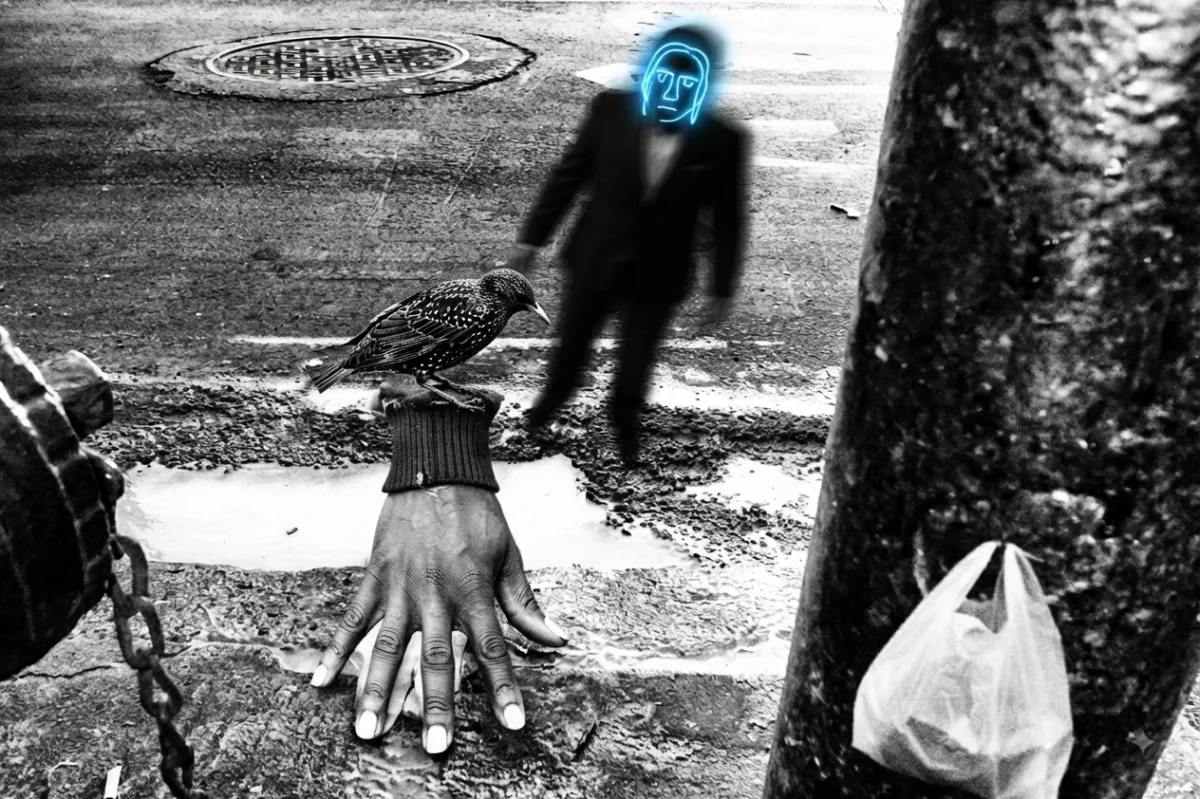
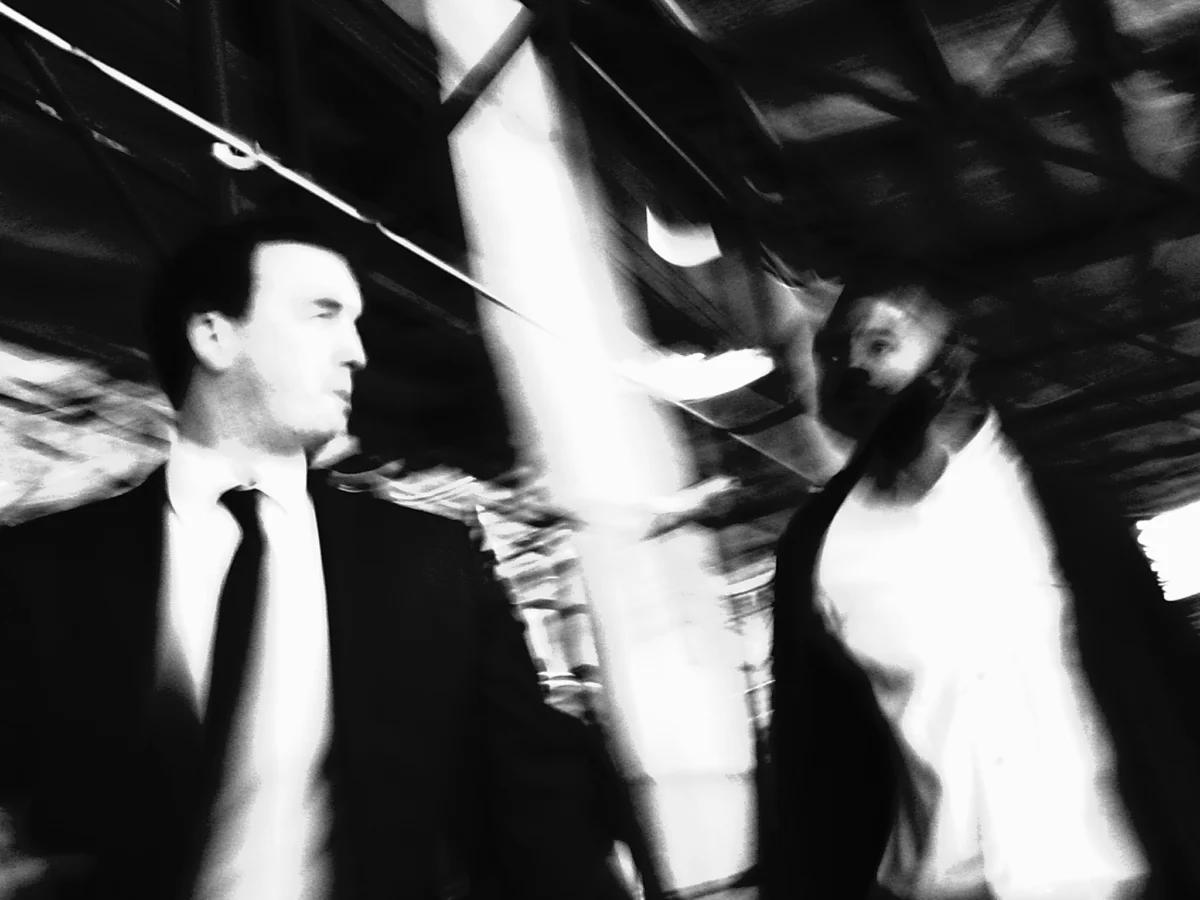
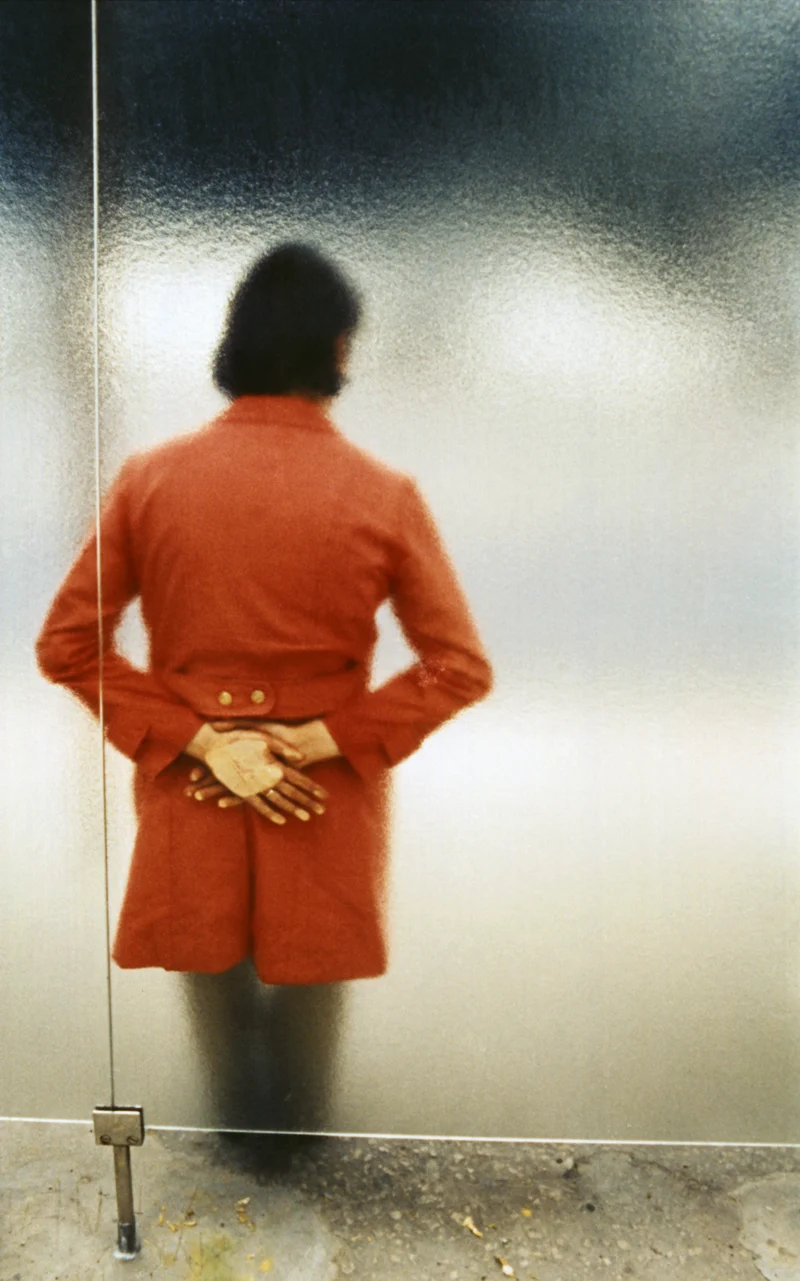
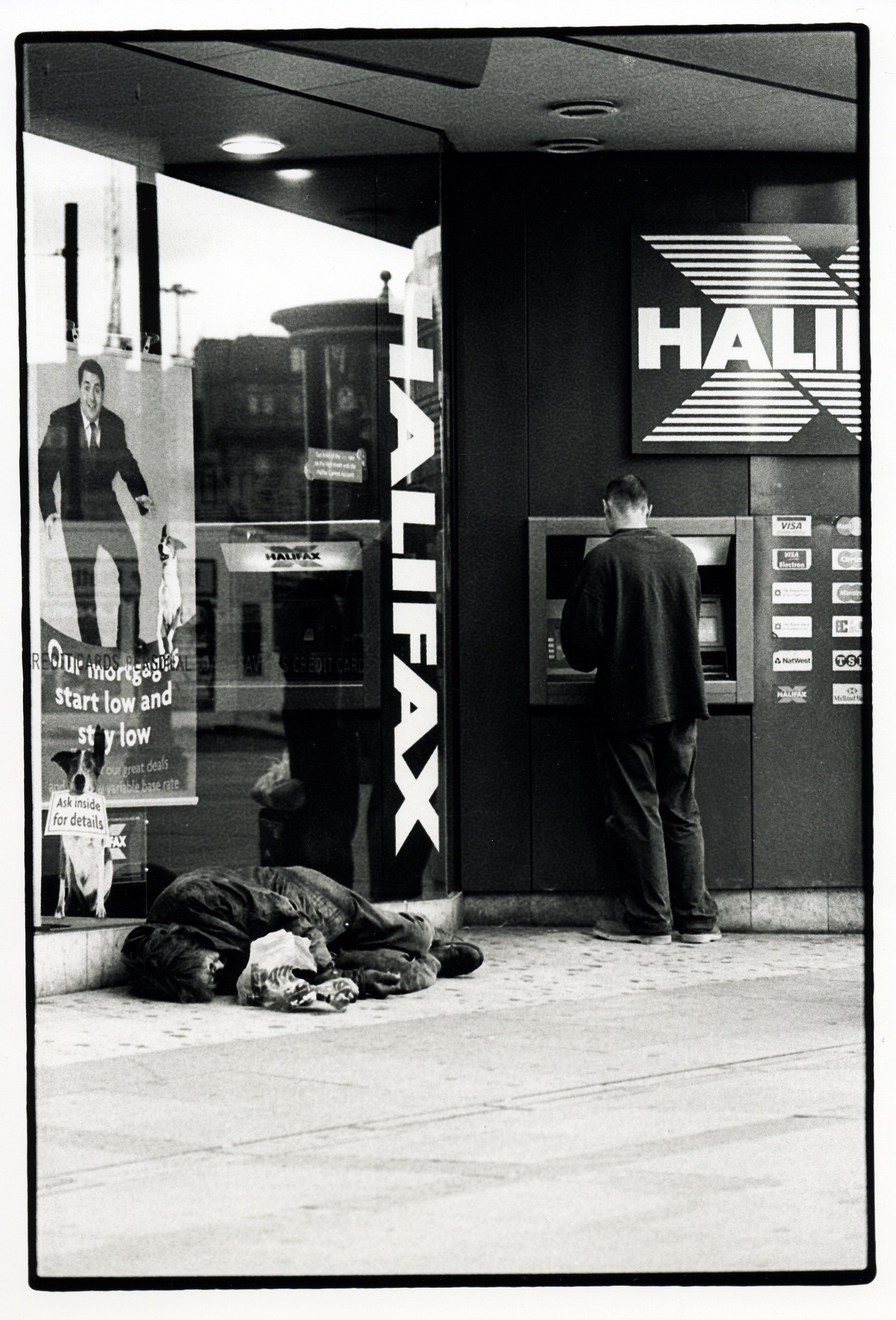
Street photography, conversely, focuses on capturing candid, often artistic, images of everyday life and urban environments. While it also relies on spontaneity and observation, its emphasis lies in the mood, composition, humor, juxtaposition, and the often-ambiguous narratives embedded within seemingly ordinary scenes. Street photographers seek to evoke emotion, provoke thought, and comment on the human condition through their personal vision and aesthetic sensibilities. Their work may highlight the beauty, absurdity, or pathos of daily existence, inviting viewers to interpret and question the visual stories presented. The "story" in street photography is often implied, residing in the interaction of elements within a single frame, rather than explicitly explained through captions or sequences.
Methodologies and Execution: Predetermined Events vs. Serendipitous Encounters
The practical execution of street photography and photojournalism often reflects their differing intents. Photojournalists typically operate within a framework of planned assignments or cover predictable news beats. Their work may involve covering known events, attending press conferences, or following developing stories that have a clear timeline and established participants. While spontaneous moments are an integral part of photojournalism, the overall coverage is often structured around the event itself. For example, a photojournalist covering an election night would likely be at a campaign headquarters or a polling station, anticipating specific moments of victory or concession.
Street photography, on the other hand, thrives on serendipity and a constant state of readiness. The street photographer is often a flâneur, wandering through urban landscapes, patiently waiting for fleeting, unplanned moments to unfold. Success in street photography relies heavily on capturing these unscripted occurrences with perfect timing, composition, light, and expressive elements. This requires a deep understanding of the environment, quick reflexes, and a significant degree of luck. The narrative cohesion and visual design, including composition, contrast, and mood, must often be achieved within a single frame, as street photographers generally do not have the luxury of extended sequences or accompanying text to build their stories.
Ethical Considerations: Institutional Mandates vs. Personal Responsibility
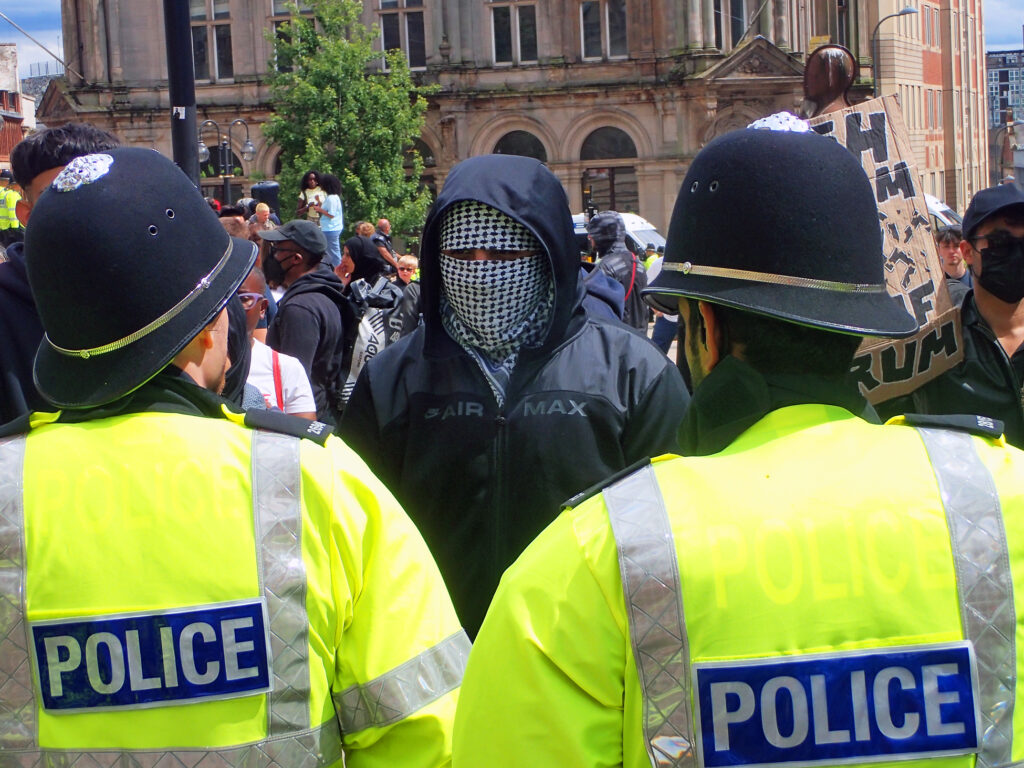
The ethical landscapes of street photography and photojournalism, while both demanding awareness, are governed by different frameworks. Photojournalists operate under the purview of established media organizations, which enforce institutional ethical guidelines. These guidelines often include strict protocols regarding consent, particularly in sensitive stories, and mandates for accuracy and minimal manipulation to avoid misleading the public. The concept of "harm avoidance" is paramount, ensuring that the pursuit of a story does not unduly endanger subjects or exploit vulnerable individuals. Photojournalism is subject to editorial review and public scrutiny, with established criteria for assessing the success and integrity of photographic output.
Street photographers, in contrast, are largely self-regulated. While they must navigate societal norms concerning privacy and respect for individuals, their ethical considerations are often more personal and self-directed. The artistic freedom to capture candid moments in public spaces is a cornerstone of street photography, but this must be balanced with a mindful approach to the subjects being photographed. The absence of institutional oversight means that the ethical compass of the individual photographer is paramount. This can lead to a broader spectrum of approaches and interpretations of ethical boundaries within the genre, making it a more subjective and personally driven discipline.
The Criteria for "Greatness": Objectivity vs. Subjectivity
The standards by which "greatness" is judged also differ between the two genres. Photojournalism has relatively clear, fact-based, and editorial criteria that guide successful outcomes. Accuracy, relevance, timeliness, and the ability to convey information effectively are key metrics. A photojournalistic image is deemed successful if it accurately and compellingly reports on an event, contributing to public understanding.
Street photography, however, is heavily reliant on personal vision, originality, and emotional resonance. What constitutes "great" street photography is often a matter of subjective interpretation and aesthetic appreciation. The ability of a photograph to evoke a strong feeling, to offer a unique perspective, or to capture a moment of profound human observation contributes to its perceived merit. This subjectivity makes it more challenging to establish universally agreed-upon standards of excellence, leading to a wider range of opinions and a more individualized assessment of artistic achievement.
Legal and Societal Frameworks
Beyond the inherent practices and ethical considerations, legal frameworks also play a role. In many jurisdictions, public spaces are considered areas where individuals do not have a reasonable expectation of privacy, allowing for candid photography. However, this right is not absolute and can be nuanced by factors such as the context of the photograph, the potential for commercial exploitation, and the subject matter itself.
Photojournalists often operate with an understanding of these legal boundaries, especially when dealing with potentially sensitive situations or when their work is intended for publication in news media. They may seek consent or adhere to editorial policies that mitigate legal risks. Street photographers, while generally free to photograph in public, must also be mindful of laws pertaining to libel, defamation, and harassment. The evolving digital landscape and the widespread dissemination of images online have also introduced new complexities regarding privacy and the ethical use of candid photography.
The Intersection and Divergence: A Spectrum of Visual Storytelling
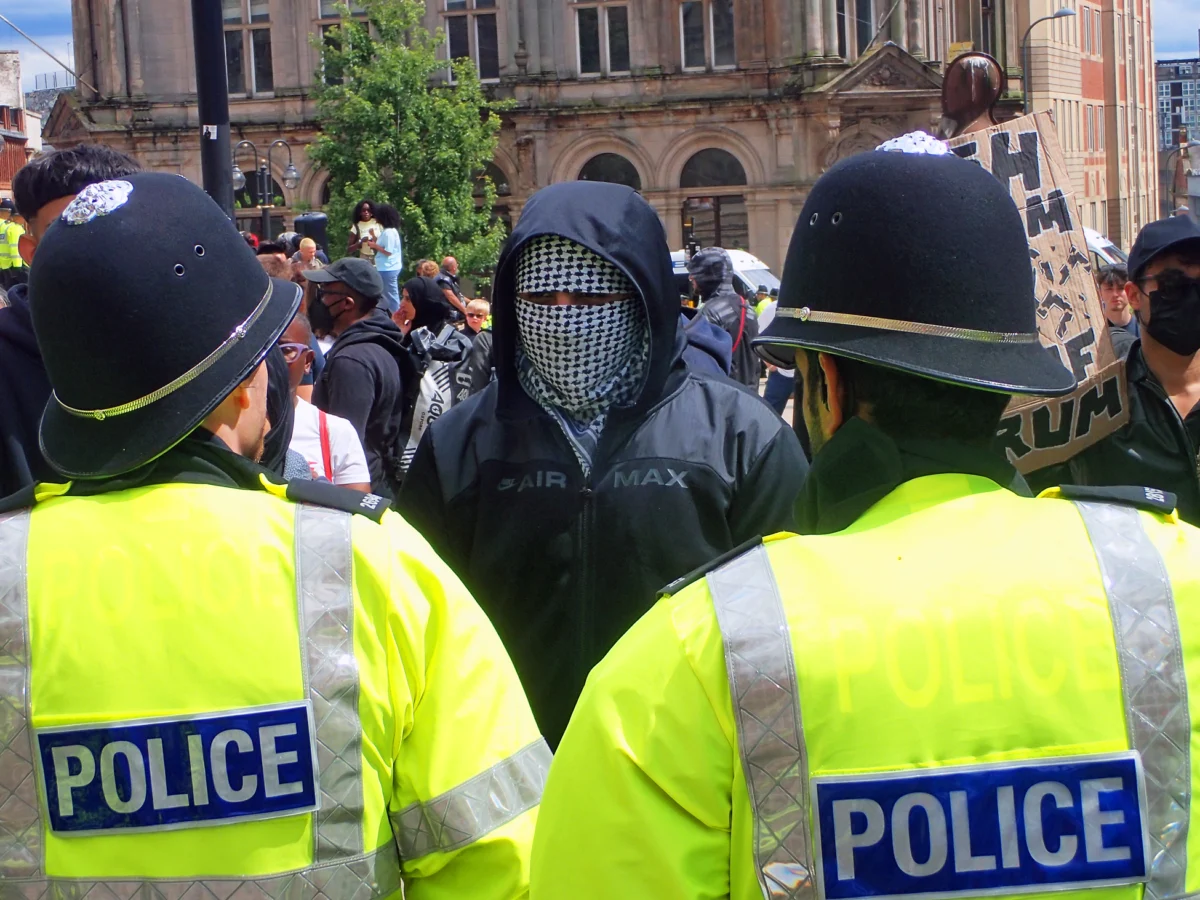
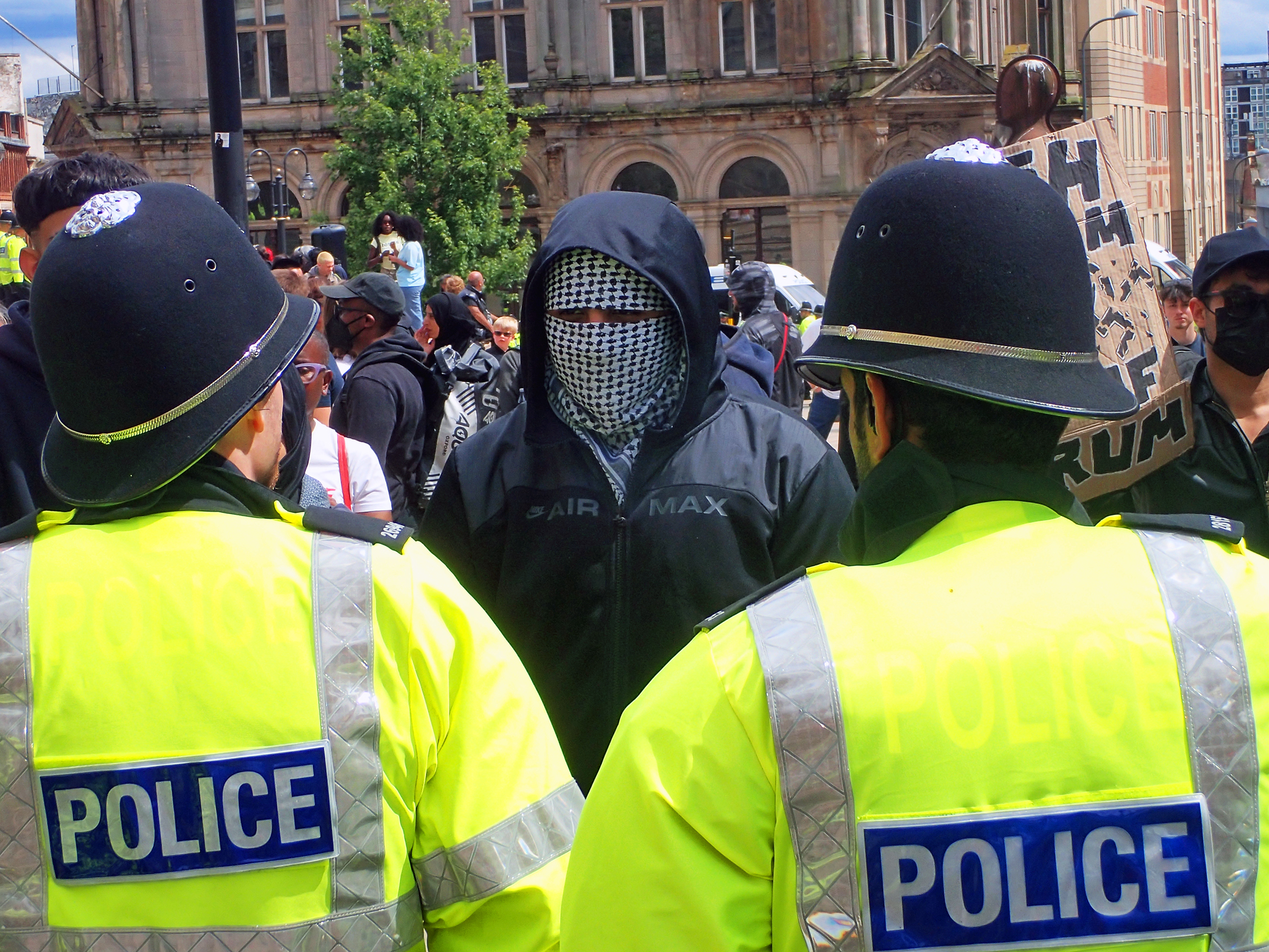
Despite their distinct characteristics, street photography and photojournalism are not mutually exclusive. A street photograph can, in certain circumstances, become newsworthy and be recognized for its documentary value. For instance, an image capturing a significant social protest, even if taken with a street photographer’s aesthetic sensibility, could serve a journalistic purpose. Conversely, photojournalistic images may sometimes adopt the stylistic elements of street photography, utilizing composition, mood, and a focus on human expression to enhance their impact.
However, recognizing the fundamental differences in their goals is essential. Photojournalists prioritize informing audiences and preserving evidence, striving for clarity and factual accuracy. Street photographers, on the other hand, emphasize their personal vision, aesthetic expression, and the potential for social commentary, often embracing ambiguity and inviting interpretation. This divergence in intent shapes their approach, their responsibilities, and the expectations of their respective audiences. They inform different practices, adhere to different ethical imperatives, and ultimately contribute to the visual tapestry of our world in unique and complementary ways.
The Art of the Fleeting Moment: A Challenge of Timing and Presence
The very essence of capturing compelling street photography is the reliance on serendipity and impeccable timing. It requires photographers to be perpetually present in the urban environment, keenly observant and ready to seize fleeting, unplanned moments. The ideal street photograph often demands a confluence of perfect composition, ideal lighting conditions, and the expressive peak of a subject’s gesture or emotion. This is not a matter of setting up a shot; it is about anticipating, reacting, and synthesizing multiple ephemeral elements into a single, resonant frame. The dedication required is immense, involving countless hours of patient observation, quick reflexes honed through practice, and a healthy dose of good fortune.
Photojournalism, while also valuing decisive moments, often involves a more structured approach to coverage. Assignments are typically built around known events, scheduled occurrences, or established news cycles. While a photojournalist must be prepared for unexpected developments, their presence is often dictated by the timeline and nature of the event itself. For example, covering a major sporting event involves being present before, during, and after the competition, anticipating key moments of action, victory, or defeat. This pre-planning allows for a more comprehensive and contextualized visual narrative.
Narrative Construction: Single Frame vs. Sequential Storytelling
A significant differentiator lies in how narratives are constructed. Street photographers, in general, must achieve a cohesive narrative and strong visual design within a single frame. This necessitates the simultaneous achievement of compelling composition, impactful contrast, evocative mood, and implied storytelling. The viewer is left to piece together the meaning from the visual cues presented.
Photojournalists, however, have the advantage of building narratives across sequences of images and through the use of captions and accompanying text. This allows for a more detailed and explicit exposition of events, providing context, explaining motivations, and tracing the progression of a story over time. While a single powerful photojournalistic image can stand alone, the genre often thrives on the cumulative effect of multiple images working together to tell a more comprehensive story.
Evaluating Excellence: Subjectivity in Street Photography vs. Objectivity in Photojournalism
The criteria for judging "greatness" in each discipline highlight their fundamental differences. Street photography is judged heavily on personal vision, originality, and emotional resonance. This inherent subjectivity means that there is often no single, universally accepted definition of a "great" street photograph. Its impact can be deeply personal, resonating with viewers on an individual level. This makes it more challenging to meet consensus, and its assessment often falls into subjective standards of artistic merit.
Photojournalism, on the other hand, has clearer factual and editorial criteria that guide the assessment of successful outcomes. Accuracy, relevance, timeliness, and the ability to inform an audience are paramount. The success of a photojournalistic image is often measured by its contribution to public understanding and its adherence to journalistic integrity. While aesthetic qualities are certainly valued, they are typically subservient to the primary goal of factual reporting.
The Ethical Imperative: Navigating Rights and Respect
In summary, both street photography and photojournalism demand ethical awareness, but their obligations differ. Photojournalism carries stricter, institutionally enforced obligations to truth and harm avoidance. The responsibility to accurately report and to minimize negative impact on subjects is a core tenet, often guided by professional codes of conduct and editorial oversight.
Street photography, while requiring careful consideration of artistic freedom and respect for subjects, is largely self-regulated. The photographer must independently balance the pursuit of their artistic vision with an awareness of the privacy norms and potential sensitivities of individuals in public spaces. This self-governance places a significant emphasis on the individual photographer’s conscience and their personal commitment to ethical practice.
The visual landscape is enriched by the distinct contributions of both street photography and photojournalism. While their methods and aims may differ, both genres play a vital role in capturing the human experience, offering unique perspectives on the world around us, and fostering a deeper understanding of society through the power of imagery. The continued dialogue about their nuances ensures that both disciplines evolve, pushing the boundaries of visual storytelling while upholding their respective ethical commitments.