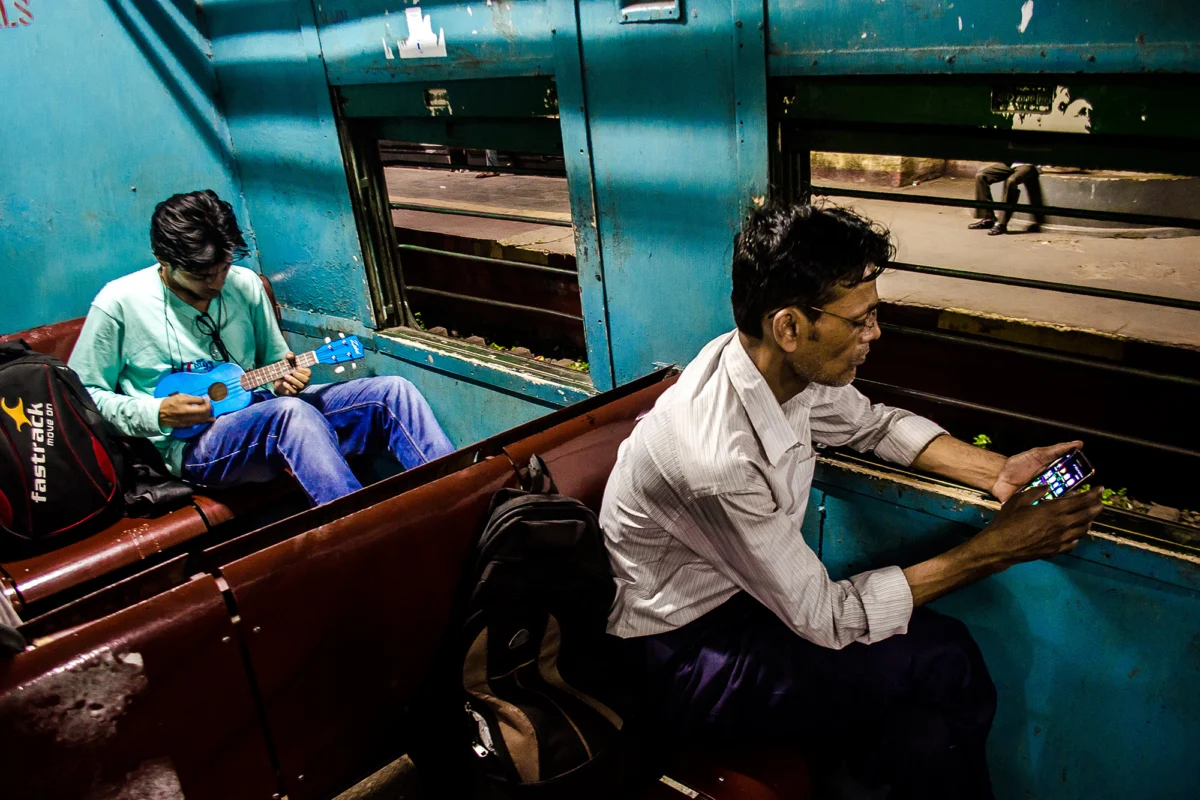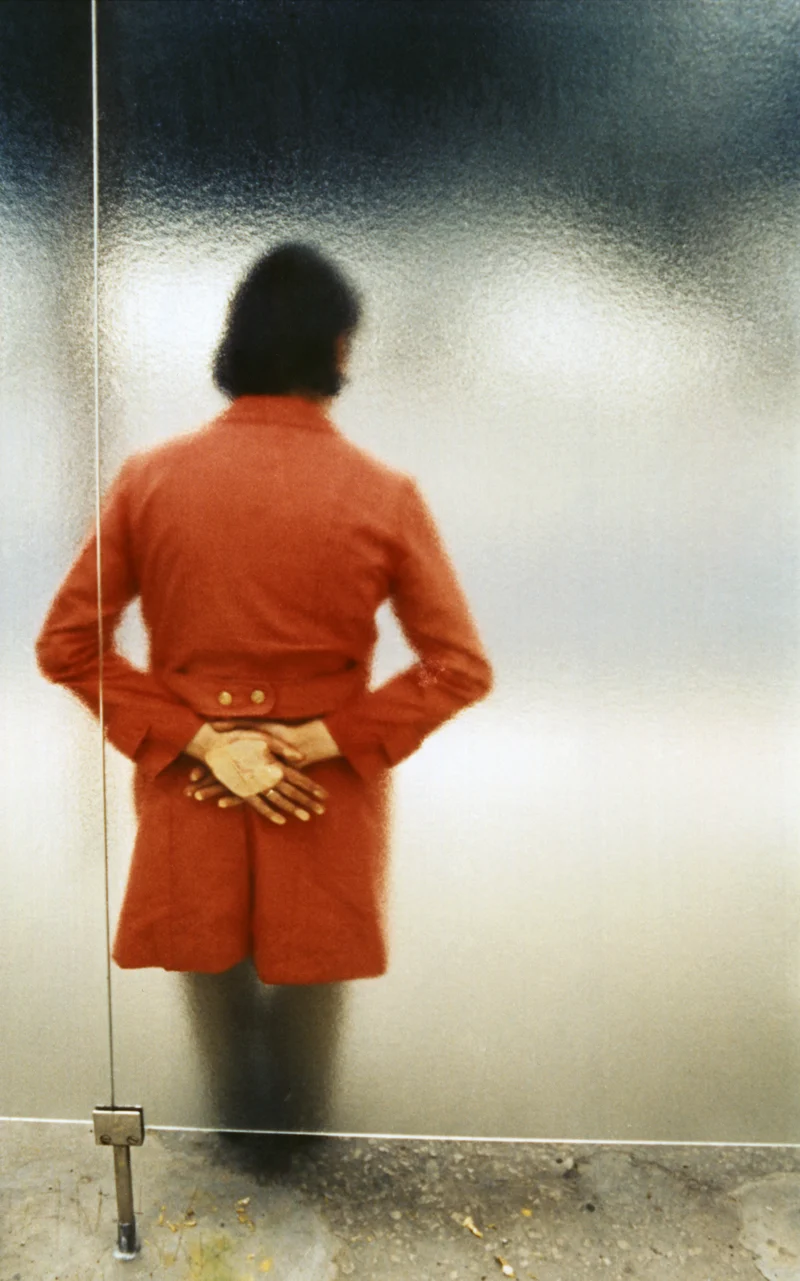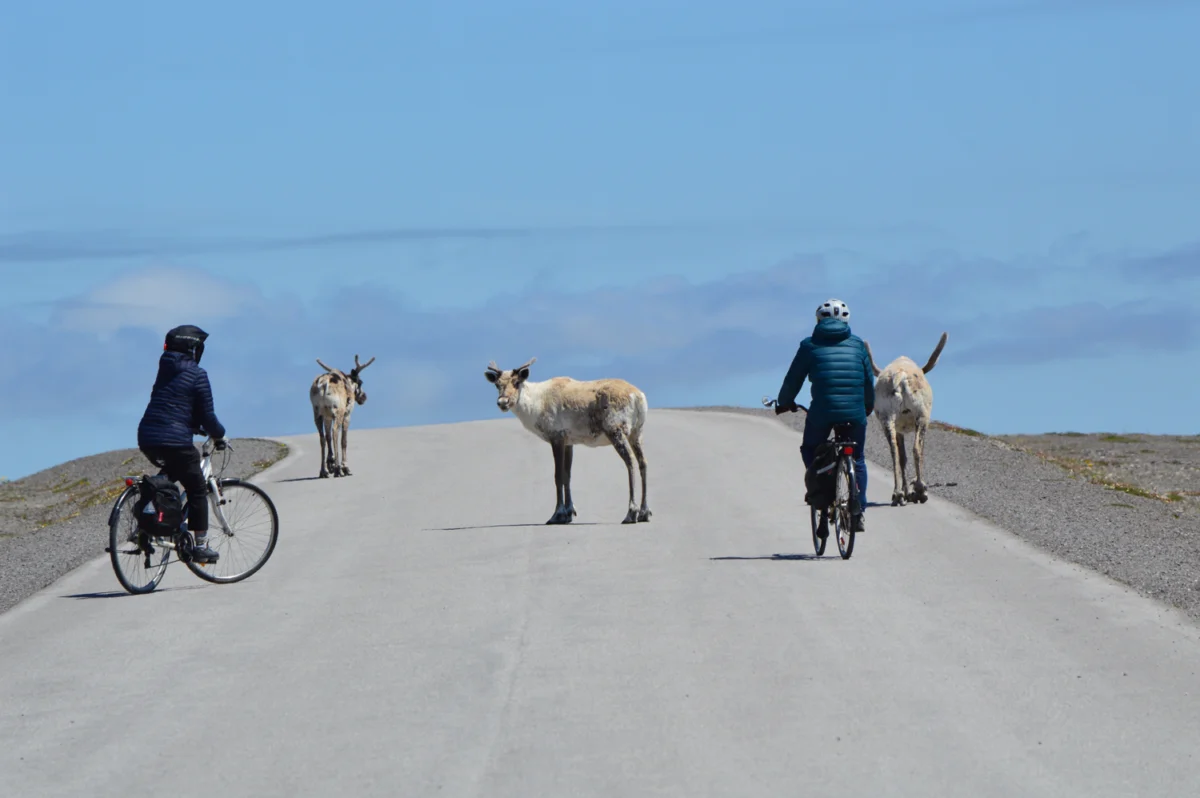
The ongoing debate surrounding the definition of street photography, a recurring theme within photographic communities, is a symptom of a larger challenge: the overwhelming volume of images produced in the digital age. As billions of photographs are created daily, photographers and critics alike grapple with categorizing this deluge, leading to a proliferation of articles attempting to delineate the boundaries of genres like street, landscape, and portraiture. While such discussions can offer some clarity, they also carry inherent risks, primarily the danger of stifling creativity by encouraging adherence to a prescribed formula.
The current digital landscape, where an estimated five billion photographs are captured each day, has rendered traditional photographic categories increasingly unwieldy. This sheer volume necessitates a constant re-evaluation of what constitutes a specific photographic genre. The advent of digital technology has democratized image-making, making it accessible to an unprecedented number of individuals. This accessibility, while a positive development in many respects, has also led to a saturation of visual content, prompting a desire for order and definition within photographic discourse.
However, the attempt to rigidly define street photography, by imposing a set of prescriptive rules, often results in a predictable and uninspired output. Photographers, in their earnest desire to conform to these perceived standards, can fall into the trap of producing repetitive and hackneyed images. This phenomenon is particularly evident in online platforms like Instagram, where street photography frequently devolves into a visual echo chamber. The recurrence of specific motifs – the umbrella-wielding figure in a puddle, the silhouette of an elderly gentleman in a fedora bathed in dramatic light and shadow, or young individuals posing against graffiti backdrops – creates a sense of déjà vu. The aesthetic often leans heavily on the perceived "Leica aesthetic" or a rehashed interpretation of Henri Cartier-Bresson’s "decisive moment," ironically leading to a genre that celebrates spontaneity becoming conspicuously predictable.
This adherence to formulaic approaches is not unique to street photography. It mirrors historical instances where prescriptive formulas, even those intended to guide or inspire, have inadvertently led to homogenization. The Oprah Book Club, for example, was credited with boosting book sales but also faced criticism for inadvertently encouraging authors to write to a specific, predictable formula, resulting in a spate of "Oprah novels" that, while popular, often lacked originality. Similarly, rigid rules for street photography can foster a backward approach to the creative process. Instead of allowing photographs to emerge organically and define themselves through their inherent qualities, photographers may begin to craft images specifically to satisfy an external set of criteria or a hypothetical judge’s checklist. This can be profoundly detrimental to genuine creativity. The author’s sentiment of preferring a dental appointment over judging another street photography competition underscores the perceived lack of originality and diversity in submissions, where a significant portion feels as though it could have been produced by a single, formula-following individual.
The Core Question: What Constitutes a Street Photograph?
The fundamental questions that fuel these definitional debates—"Does a street photograph require a person?" or "Does it necessitate an urban landscape?"—are not inherently invalid. They serve as prompts for critical thinking and exploration within the photographic community. However, the pursuit of definitive answers can be problematic, as exceptions quickly emerge, challenging any proposed universal rule.
Consider the common stipulation that street photography must feature an urban landscape. This definition immediately raises questions about the inclusivity of the genre. Would photographers working in rural or remote areas be excluded? Such a restriction seems counterintuitive and limits the scope of photographic expression. Martin Parr’s iconic photographs of seaside resorts, for instance, while not strictly urban, are widely accepted within the street photography canon. Similarly, William Eggleston’s seminal photograph of a tricycle, which lacks both a human subject and an obvious urban backdrop, is frequently cited as a prime example of street photography. These instances highlight the difficulty of establishing rigid boundaries for the genre.
Expanding the Definition: The Case for Inclusivity
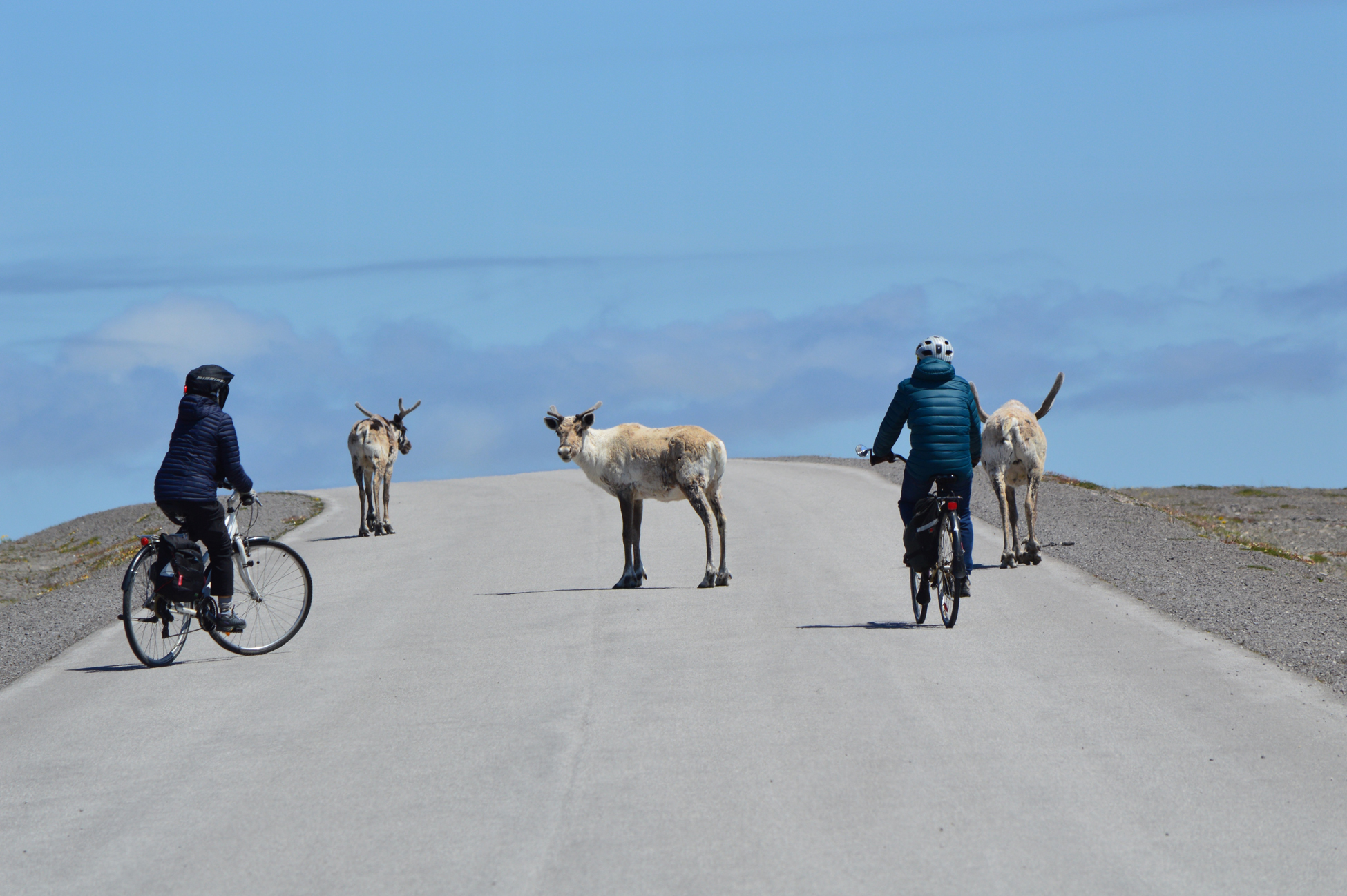
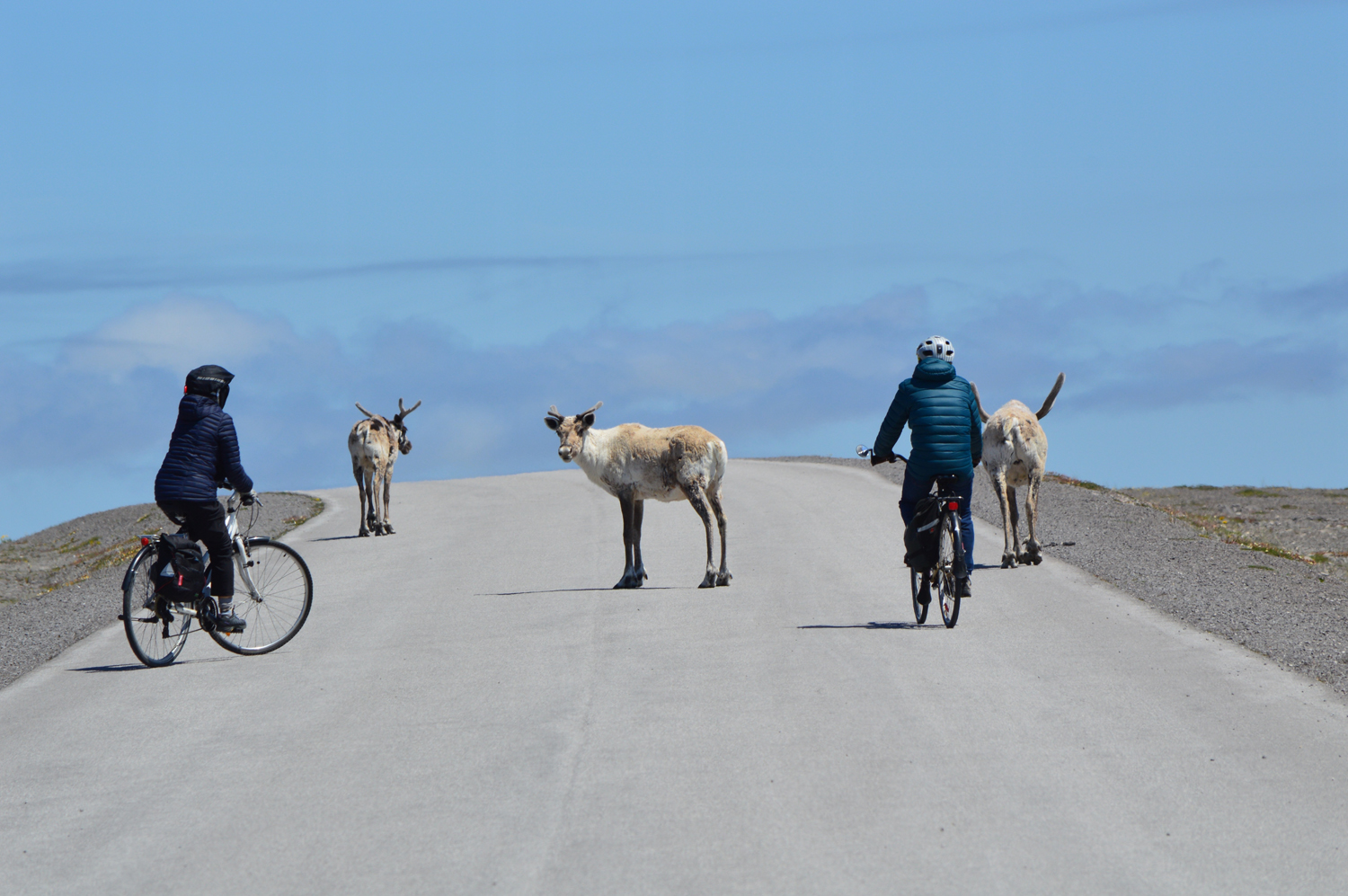
The complexities arising from attempting to confine street photography within strict parameters are evident. The photograph by Susan N. Sweet, a Canadian painter and the author’s aunt, taken in Newfoundland, serves as a compelling case study. Whether one classifies it definitively as a street photograph is less important than the fact that it prompted a deeper consideration of the genre’s evolving nature. The image, by its very existence and its evocative power, challenges preconceived notions and encourages a broader interpretation.
This leads to a more fundamental question: Does street photography need to be a rigidly defined genre at all? The author advocates for an approach where photographs are allowed to speak for themselves, free from the constraints of pre-determined categories. This perspective aligns with a belief in individual interpretation and the inherent power of a compelling image, irrespective of its classificatory label.
The Primacy of the Photograph Over the Genre
The assertion that "Great photographs create genres. Genres have never created great photographs" encapsulates a core argument against rigid categorization. While acknowledging that genres will continue to exist as organizational tools across various artistic disciplines, including music, cinema, and painting, the proposal is not to abandon categorization entirely. Instead, it is a call for a more expansive and flexible understanding of what can be considered street photography.
The emphasis shifts from adhering to social media algorithms and the labels they often reward to focusing on the content and impact of the photograph itself. Photographers should be empowered to create first, and then categorize, rather than allowing the pressure to fit into a predefined box to dictate their creative output.
The Impact of Definition on Creativity
When a definition transforms into a rigid checklist, creativity is invariably stifled. The more time a community dedicates to debating definitions, the less time is devoted to producing memorable and impactful work. History tends to celebrate artists who pushed boundaries and redefined existing norms, rather than those who meticulously followed established rules. The enduring legacy lies in innovation and originality, not in conformity.
The historical trajectory of artistic movements demonstrates that genres often emerge as a consequence of groundbreaking work, rather than serving as a precursor to it. The evolution of jazz, for example, was driven by musicians experimenting with new sounds and rhythms, which then coalesced into recognized subgenres. Similarly, the innovations of photographers like Robert Frank, Diane Arbus, and Garry Winogrand, while often associated with street photography, expanded the very definition of what the genre could encompass, rather than being confined by pre-existing rules. Their work challenged societal norms and offered new perspectives on the human condition, thereby influencing future generations and shaping the evolution of the genre.
Data and the Digital Deluge
The sheer volume of digital images presents a unique challenge. Statistics from sources like Statista indicate a continuous upward trend in digital photo creation. For instance, by 2022, it was estimated that over 1.4 trillion digital photos were taken globally. This exponential growth makes it increasingly difficult for individual images to stand out. In such an environment, relying on established genre conventions can feel like a shortcut to visibility. However, as the author argues, this shortcut often leads to a cul-de-sac of unoriginality.
The proliferation of photography apps and editing software further contributes to the ease with which visually appealing, yet often formulaic, images can be produced. While these tools democratize image manipulation and enhance aesthetic possibilities, they can also contribute to a homogenization of style if not used with a discerning creative vision. The accessibility of advanced editing tools means that many photographers can achieve a polished look without necessarily developing a unique artistic voice.
Broader Implications for the Art World
The debate over street photography’s definition has broader implications for how we engage with and value art in the digital age. If the focus remains solely on adherence to genre conventions, there is a risk of overlooking innovative work that defies easy categorization. This could lead to a less diverse and less dynamic artistic landscape.
The commercial aspect of photography is also affected. As noted in the original article, a reliance on predictable tropes can hinder the attraction of a broader commercial audience, especially for more contemporary or experimental street photography. Galleries, publications, and collectors may become hesitant to embrace work that doesn’t fit neatly into established boxes, inadvertently favoring the familiar over the potentially groundbreaking.
The Path Forward: Embracing Subjectivity and Innovation
The call for "better photographs" over "more rules" suggests a shift in focus towards intrinsic artistic merit. A photograph that is capable of engaging the viewer on an emotional or intellectual level, that challenges perceptions, or that offers a unique perspective, possesses a value that transcends its genre classification. This approach encourages photographers to prioritize their vision and their ability to capture compelling moments, rather than feeling beholden to external directives.
The author’s perspective highlights a growing sentiment within artistic communities: a desire for authenticity and a rejection of manufactured trends. In a world saturated with images, the photographs that resonate most deeply are often those that possess a genuine human element, a unique perspective, or a profound emotional impact. These are the qualities that define great art, irrespective of whether they fit within a pre-defined genre.
Ultimately, the discussion around street photography’s definition is a microcosm of a larger conversation about creativity, authenticity, and the evolving nature of art in the digital era. By moving beyond prescriptive rules and embracing a more inclusive and interpretive approach, the photographic community can foster a more vibrant and innovative future for the genre, and for photography as a whole. The true measure of a photograph’s success lies not in its adherence to a checklist, but in its power to connect, to provoke, and to endure.