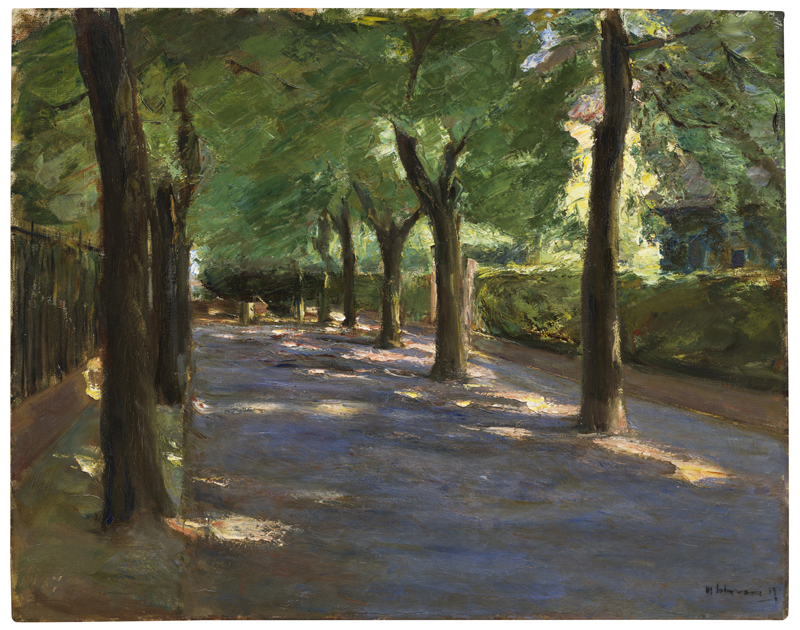
The profound connection between Impressionist painting and the evolution of street photography is a subject rich with parallels, revealing how technological innovation, a shift in artistic focus, and a redefinition of subject matter have shaped visual culture across different eras. This exploration, prompted by an observation of Max Liebermann’s 1917 work, "Die Colomierstraße in Wannsee," unveils a shared visual language that transcends mediums and time, demonstrating that light, shadow, and the ordinary can become extraordinary subjects of artistic inquiry.
The Genesis of Artistic Freedom: Technological Leaps
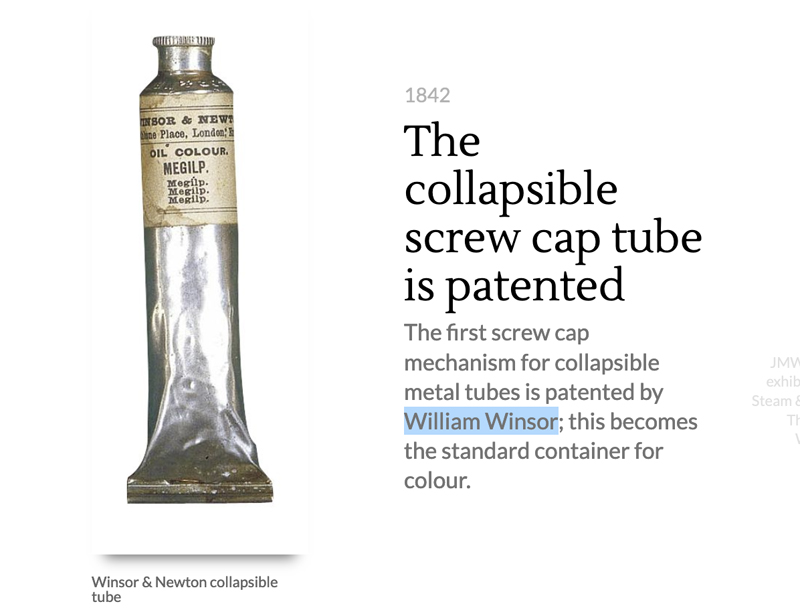
The artistic revolutions of both Impressionism and street photography were significantly propelled by pivotal technological advancements. For the Impressionists, the invention of the collapsible paint tube in 1841 by John Goffe Rand was a watershed moment. Prior to this, artists were tethered to their studios, meticulously grinding pigments and mixing their own oil paints. This was a laborious, time-consuming process, and the available palette was often dictated by local resources. The paint tube, however, liberated artists. It facilitated the mass production of paints by companies like Winsor & Newton and Lefranc & Bourgeois, providing a wider array of pigments and freeing artists from the drudgery of paint preparation. This newfound portability allowed them to venture outdoors, to paint "en plein air," and to directly engage with the ephemeral qualities of natural light and fleeting moments. This mobility was instrumental in the development of Impressionism, enabling artists to capture the transient effects of light and atmosphere that became its hallmark.
A similar paradigm shift occurred in the nascent field of photography. The early days of photography were characterized by complex, time-intensive processes like the wet plate collodion method, which necessitated photographers carrying portable darkrooms and preparing their plates immediately before exposure. This tethered photographers to specific locations and limited their spontaneity. The advent of ready-made dry plates and, crucially, flexible celluloid film, dramatically altered this landscape. Photographers were no longer bound by the need for immediate darkroom access, mirroring the painters’ escape from the studio.
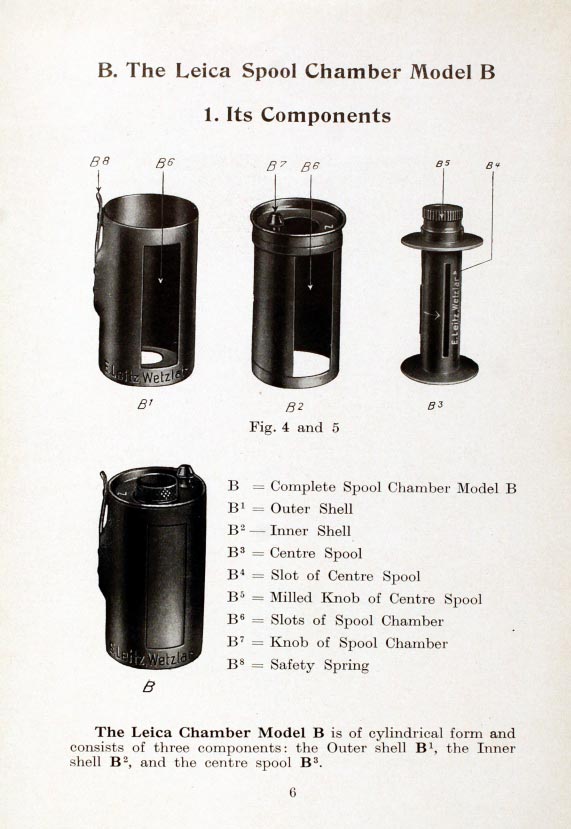
The year 1924 marked another monumental leap with the introduction of the reloadable film cassette and the first practical 35mm camera by Leitz. This innovation democratized photography, making it more portable, efficient, and accessible. Just as the paint tube empowered painters to capture the world as they saw it, the 35mm camera equipped photographers with the tools to document life with unprecedented immediacy and freedom. This technological convergence laid the groundwork for a new genre that would mirror the observational spirit of Impressionism: street photography.
A New Vision: Redefining Subject Matter and Artistic Education
The Impressionists, including luminaries like Claude Monet, Pierre-Auguste Renoir, Edgar Degas, and Camille Pissarro, consciously broke away from the academic traditions that favored historical, mythological, or portraiture subjects. They turned their gaze to the everyday: bustling city streets, sun-dappled parks, lively cafés, and ordinary people engaged in daily activities. Their style, characterized by loose brushstrokes and an emphasis on capturing the momentary impression, further underscored this shift. They elevated the commonplace to the realm of fine art, demonstrating that beauty and significance could be found in the most mundane aspects of life.
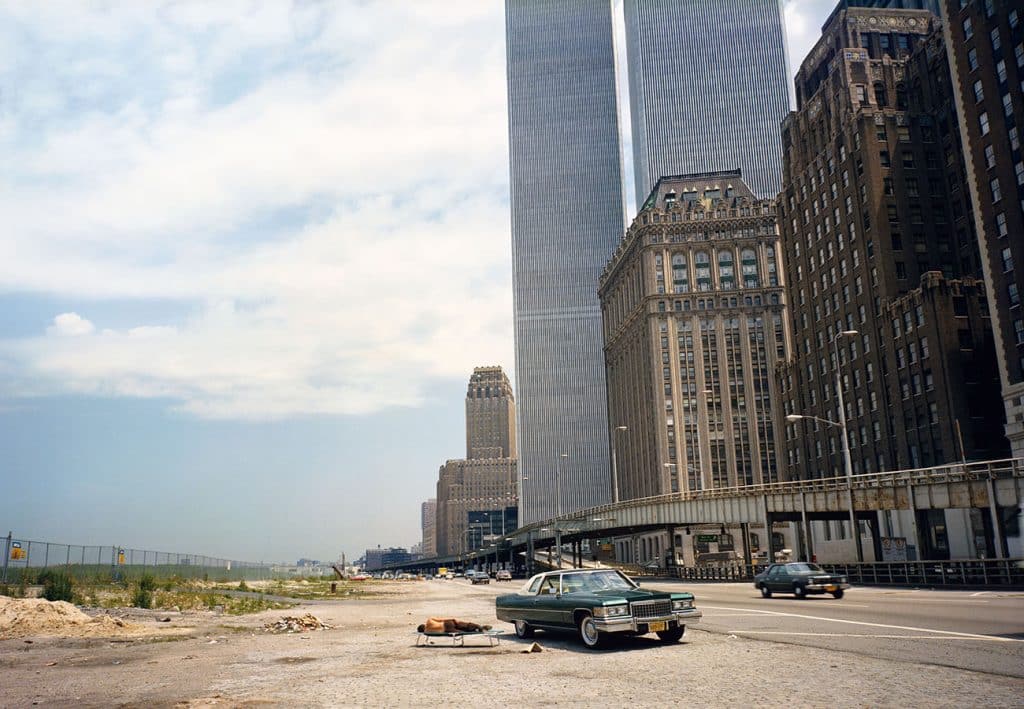
The pioneers of street photography, a generation that included Henri Cartier-Bresson, Helen Levitt, William Klein, Joel Meyerowitz, Garry Winogrand, Lee Friedlander, Saul Leiter, Fred Herzog, William Eggleston, and Vivian Maier, followed a parallel trajectory. Unlike the Impressionists, they did not form a cohesive, self-identified movement. However, from a historical vantage point, their collective work established street photography as a distinct genre. They, too, found artistic merit in the ordinary: anonymous passersby, fleeting gestures, urban landscapes, and the subtle rhythms of daily existence. Photographers like Helen Levitt captured the unscripted moments of children at play, while Fred Herzog documented the vibrant, often overlooked details of urban life in mid-20th century Vancouver. Stephen Shore, in his extensive body of work, elevated subjects like hotel rooms, parking lots, and even meals to artistic consideration, proving that the extraordinary can emerge from the most ordinary of observations. This shared focus on the vernacular, the transient, and the seemingly insignificant marked a profound redefinition of what constituted worthy subject matter in visual art.
Furthermore, a striking similarity exists in the educational paths of many Impressionists and street photographers. While some Impressionists received formal training, many, like Monet and Pissarro, developed their distinctive styles largely outside the rigid confines of academic art institutions. They learned through observation, experimentation, and the exchange of ideas within informal circles. This mirrors the experience of many seminal street photographers. Ed van der Elsken, for instance, pursued varied artistic education but never achieved a formal diploma, instead learning through practical experience and mentorship. My own research, analyzing the work of fifteen renowned street photographers, revealed that only two had completed formal photography education. Figures like Henri Cartier-Bresson and Garry Winogrand attended art schools, but not with the explicit intention of becoming photographers. This pattern suggests that true innovation in art often flourishes when artists are willing to challenge established conventions and forge their own paths, unburdened by rigid academic doctrines.
The Embrace of Color and the Power of Light
The introduction of the paint tube and the industrialization of pigment production not only facilitated outdoor painting but also dramatically expanded the Impressionists’ palette. They embraced this newfound freedom, experimenting with color to convey mood, atmosphere, and subjective perception rather than mere objective representation. The Impressionists’ innovative use of violet, for example, demonstrates how color could be employed to depict light and shadow, adding depth and luminosity to their canvases. They understood that color was a tool for interpretation, not just description.
This mirrors the embrace of color photography by a generation of street photographers, who consciously adopted color at a time when black-and-white was still considered the more serious and artistic medium. Photographers such as William Eggleston, Saul Leiter, Mitch Epstein, and Fred Herzog utilized color to its full expressive potential. Eggleston, in particular, championed the rich and saturated hues achievable through the dye-transfer process, a technically demanding and expensive technique that allowed for unparalleled color depth. Just as new pigments transformed painting, advancements in photographic technology, including the development of color films and printing processes, empowered photographers to move beyond mere documentation and to employ color as a potent visual language. Their vibrant palettes, evident in the work of Mitch Epstein in his urban streetscapes or Fred Herzog’s evocative portrayals of everyday life, were not simply descriptive but shaped mood, guided attention, and transformed ordinary scenes into compelling visual experiences.
Confronting Criticism: From Ridicule to Reverence
The reception of both Impressionism and street photography was initially marked by skepticism and criticism. The term "Impressionist" was coined by art critic Louis Leroy in a derogatory manner, suggesting that the paintings were unfinished sketches. However, the artists embraced the label, and it ultimately became synonymous with one of art history’s most influential movements.
Similarly, early street photographers faced dismissal. William Eggleston’s groundbreaking 1976 solo exhibition at the Museum of Modern Art (MoMA) was met with disbelief by many critics, who derided his work as mere "snapshots." This criticism echoed the Impressionists’ detractors, who perceived their work as lacking artistic rigor. Color photographers, in particular, struggled for recognition, with black-and-white photography being deemed the sole legitimate artistic medium. The perceived association of color with commercial applications, such as advertising and magazines, led to its marginalization within the fine art world.
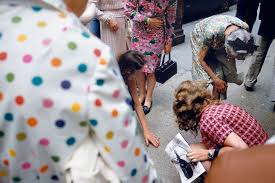
However, history has vindicated these artists. Eggleston’s photographs, far from being accidental, are meticulously composed and thoughtfully considered. The critical re-evaluation of both Impressionism and street photography demonstrates that what was once dismissed as unfinished or insignificant has, over time, been recognized as groundbreaking and artistically significant. This historical pattern underscores the often-delayed appreciation of artistic innovation.
The Essence of Light and Shadow: A Shared Fascination
The core of both Impressionist painting and street photography lies in their sophisticated engagement with light and shadow. For the Impressionists, light itself became a subject. Max Liebermann’s "Die Colomierstraße in Wannsee" exemplifies this, where the subtle rendering of sunlight filtering through leaves transforms an ordinary scene into a poetic evocation. The play of light and shadow is not merely descriptive but creates atmosphere, depth, and emotional resonance.
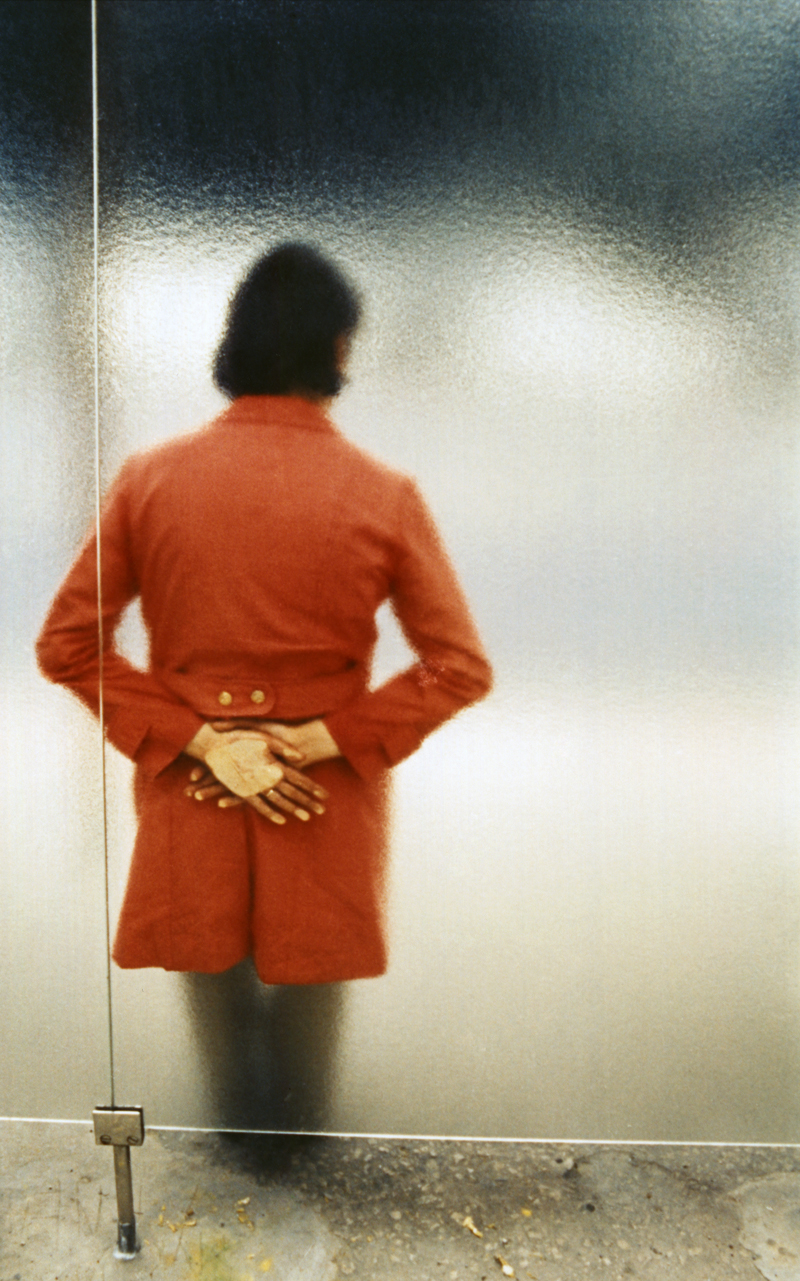
This fascination with light and contrast is a recurring theme in the work of influential street photographers. Helen Levitt, Mitch Epstein, Saul Leiter, William Eggleston, and Fred Herzog understood that light and shadow were not just tools for illumination but fundamental elements for constructing mood and evoking emotion. They recognized that the quality of light could imbue an ordinary street corner with a compelling visual narrative. The paradox that light becomes most visible through its opposite – shadow – is a principle they intuitively grasped and masterfully employed. The deliberate use of dark areas to strengthen an image and draw attention to the illuminated elements is a technique that enhances the viewer’s experience of light.
Contemporary Relevance and Technological Evolution
As contemporary street photographers, artists today operate as "colorists of everyday life." The deliberate use of color, or a constrained palette, shapes how viewers perceive a scene. Street photography is not solely about capturing people and events; it is profoundly about observing and interpreting light in public spaces. The influence of technology continues to shape this artistic practice. Post-processing tools, akin to the Impressionists’ expanded palette, allow photographers to enhance the expressive power of their images. Adjusting contrast, brightening specific areas, or deepening shadows are digital equivalents of the painter’s manipulation of pigment.
The perception of color itself is influenced by technological advancements and cultural trends. The distinctive colors of Polaroid photographs from the 1970s immediately evoke a specific era. Similarly, the color rendering of current smartphone cameras will likely define the visual aesthetic of the 2020s for future generations. This raises questions about the "realism" of photographic representation, suggesting that our understanding of color is inherently tied to the technologies we employ and the cultural context of our time.
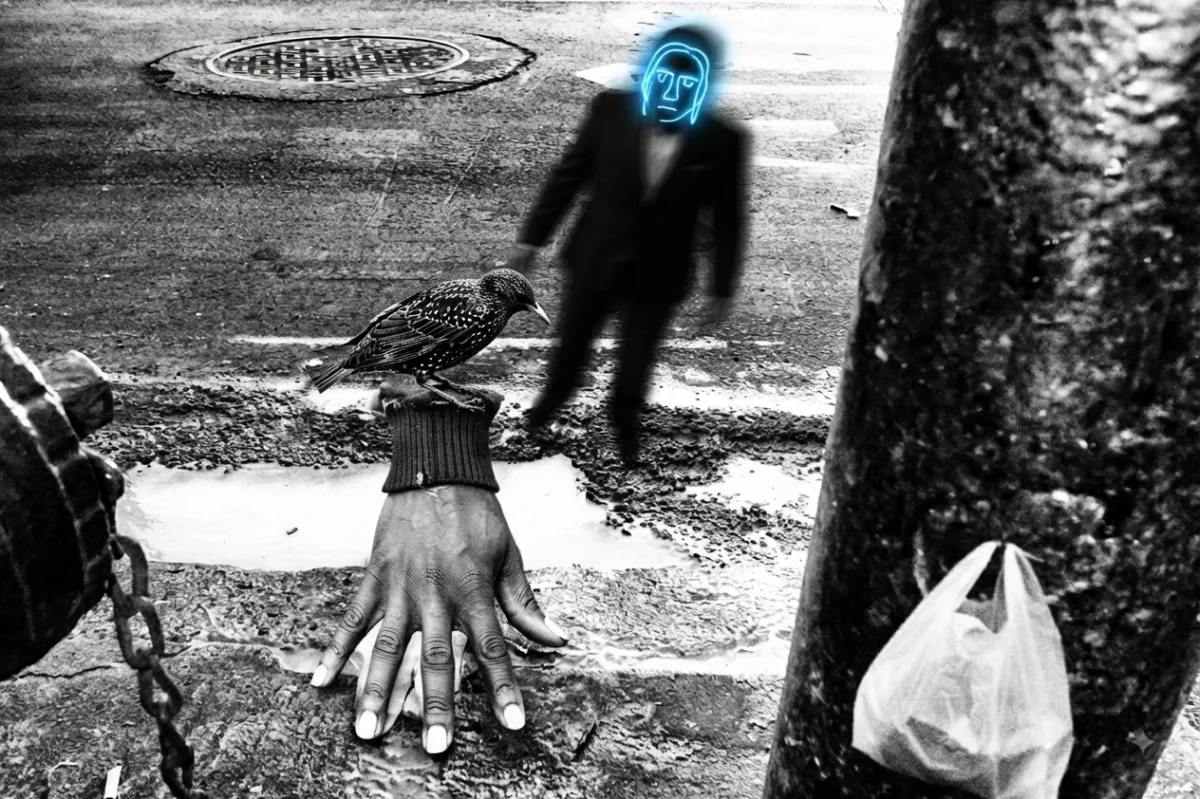
The history of art is inextricably linked to technological innovation. From the paint tube to the 35mm camera, from early film to digital manipulation, new technologies have consistently provided artists with novel ways of expressing themselves. While established authorities may initially resist these changes, history demonstrates that artistic progress often emerges from the embrace of new possibilities and the willingness to explore familiar subjects through unfamiliar lenses. The work of contemporary artists, such as Phil Toledano’s projects exploring artificial intelligence and its impact on visual narratives, suggests that the future of street photography, like its past, will be shaped by the dynamic interplay between artistic vision and technological evolution.
The enduring legacy of Impressionism and the foundational principles of street photography offer invaluable lessons for contemporary artists. By understanding the historical parallels, appreciating the role of technology, and recognizing the power of light, shadow, and the everyday, street photographers can continue to expand the visual language of their genre and offer profound interpretations of the world around us. The journey from the studio to the street, propelled by innovation and a fresh way of seeing, remains a testament to the boundless potential of human creativity.