The intersection of Manhattan’s East and West Villages has long served as a primary artery for New York City’s cultural and artistic expression. In a recent documentary-style photographic expedition conducted in late May, the technical and social dynamics of street portraiture were re-examined through the lens of medium format film photography. This shift in methodology—moving from the standard 35mm format to the more deliberate and high-fidelity 120mm medium format—highlights a growing trend among contemporary photographers to favor intentionality and tactile quality over the rapid-fire capabilities of digital or small-format systems.

Technical Specifications and Equipment Adaptation
The transition from a Leica M3, a staple of 35mm street photography, to a Hasselblad 503CW represents a significant change in ergonomic and aesthetic approach. The Hasselblad 503CW, a central pillar of the V-system produced by the Swedish manufacturer until 2013, is traditionally associated with studio work and tripod-mounted landscapes. However, adapting this system for "street mode" involves a strategic stripping down of the kit to ensure mobility.

The configuration utilized for this urban study included the Zeiss Planar 80mm f2.8 CFE lens. This specific optic is a late-model evolution of the classic Planar design, featuring improved internal flocking to reduce stray light and electronic data bus contacts for integration with modern metering systems. Unlike the 50-year-old "C" series lenses, the CFE version offers enhanced reliability in the shutter mechanism—a critical factor given that the "C" models are increasingly difficult to service due to a scarcity of replacement parts.
The logistical loadout for such an excursion is necessarily lean: a Sekonic L-398A Studio Deluxe III incident light meter, a spare film back for rapid reloading, and a selection of Kodak Portra 160, Portra 400, and Ilford Delta 400 film. This selection of film stocks provides a range of latitudes, from the fine-grained, naturalistic skin tones of Portra 160 to the high-contrast, atmospheric grain of Delta 400, allowing the photographer to respond to the fluctuating light conditions of Manhattan’s tree-lined corridors.
The Geography of Expression: St. Marks Place and Tompkins Square Park
The choice of the East Village as a primary site for this study is rooted in over a century of Bohemian history. The area serves as a nexus for New York University (NYU) students, musicians, and long-term residents who maintain the neighborhood’s counter-cultural identity. St. Marks Place, in particular, remains a focal point for alternative retail and street life.

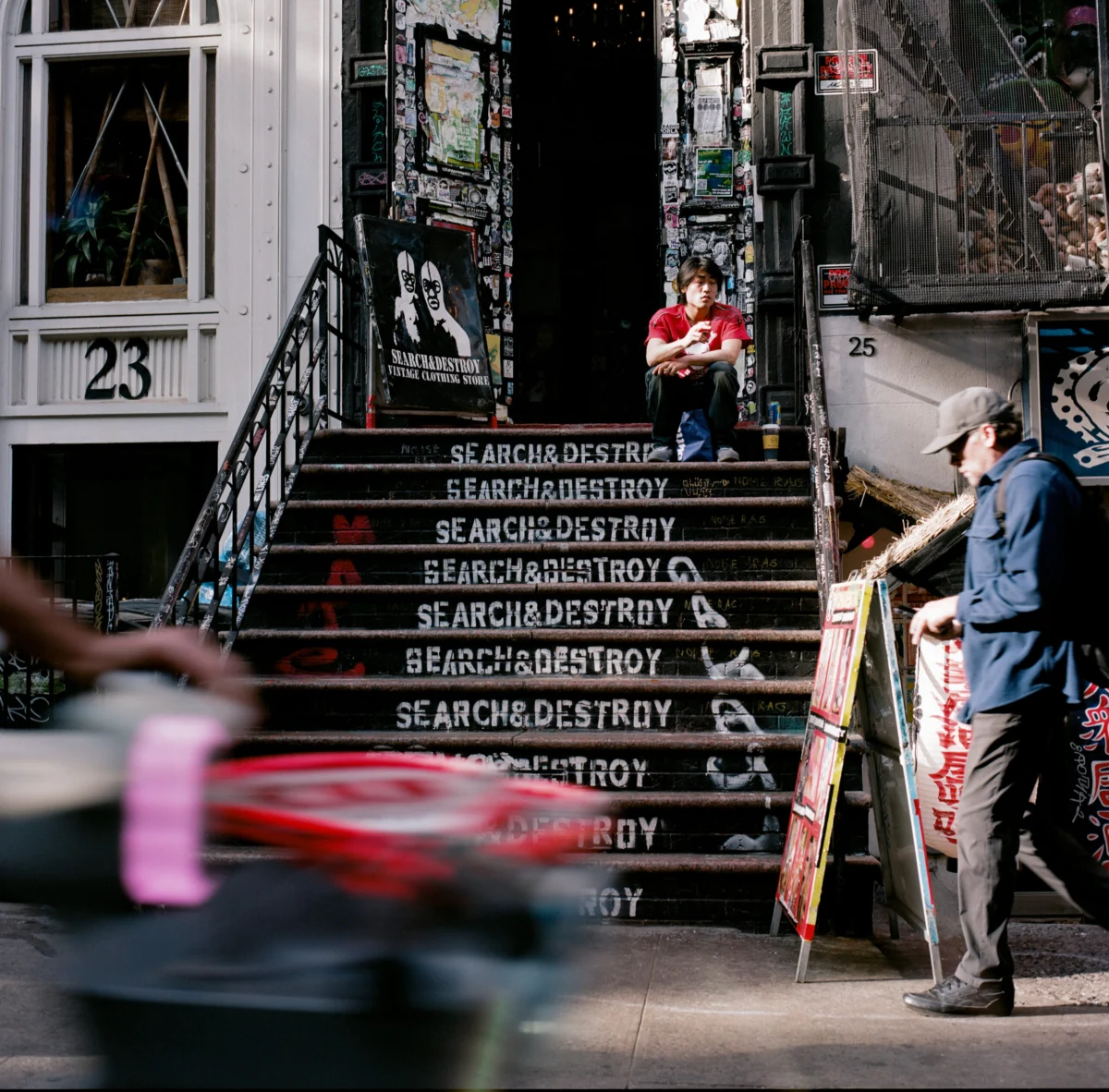
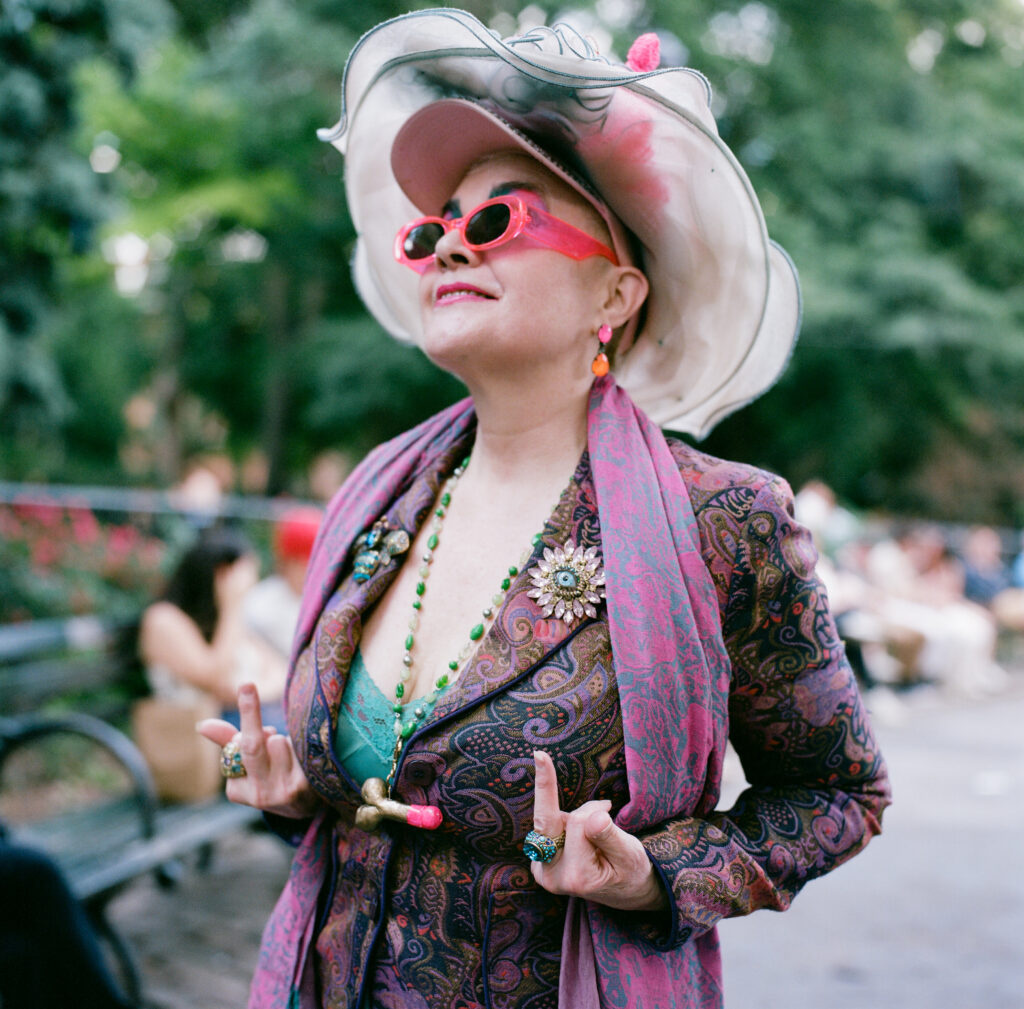
One of the initial subjects of the study was Kyota, an employee at Search & Destroy, a vintage boutique inspired by the aesthetics of Iggy Pop and the 1970s punk movement. The interaction highlights a specific "retail-street" dynamic where the subject’s personal style is an extension of their professional environment. The use of Portra 160 in this context allowed for a high degree of color accuracy and detail in the subject’s attire, demonstrating the superior resolving power of the 6x6cm negative compared to 35mm film.

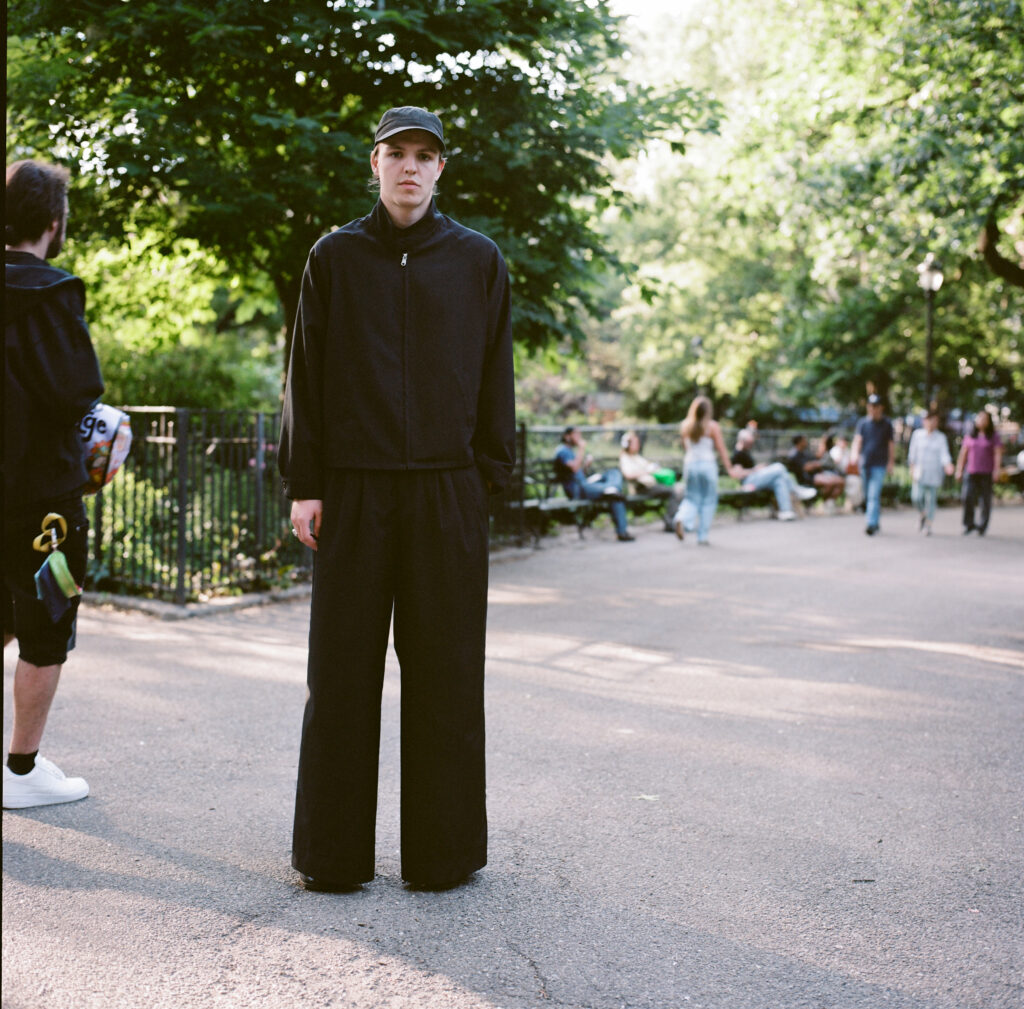
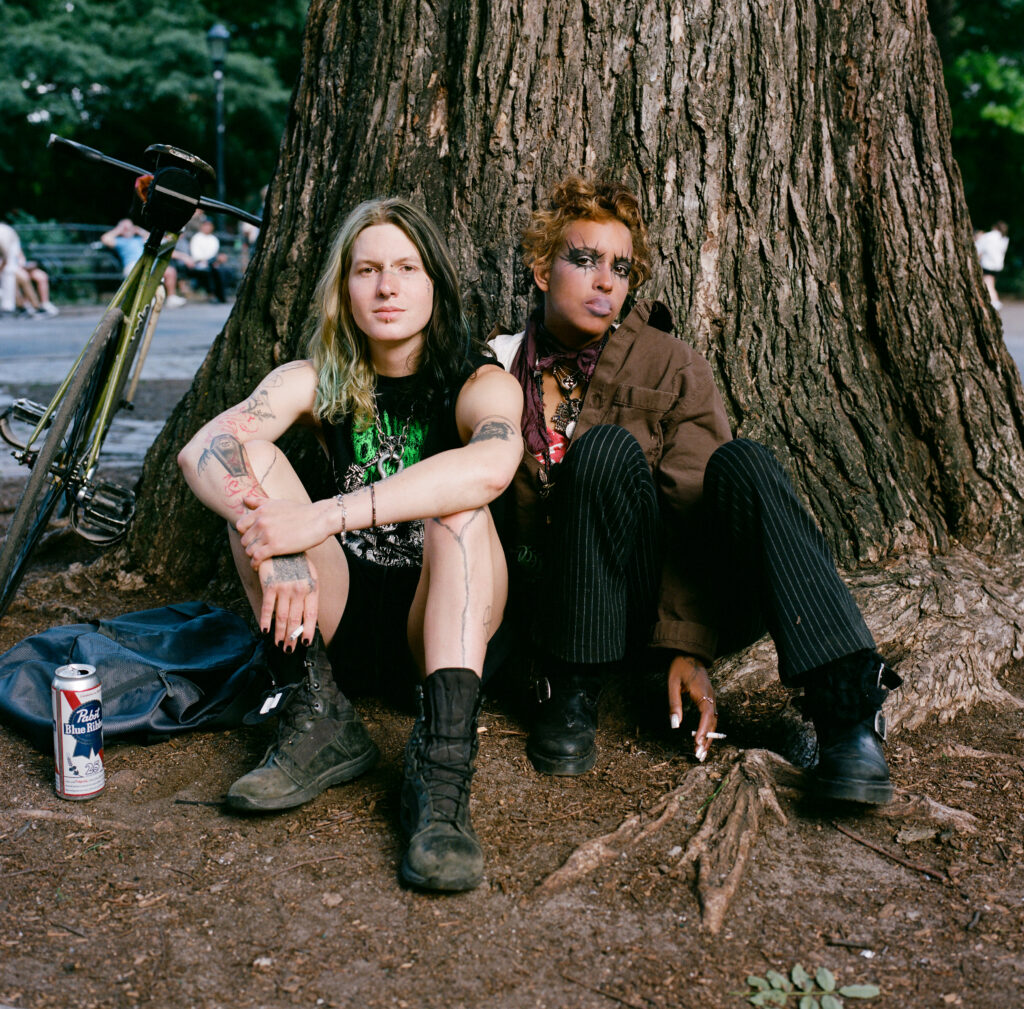
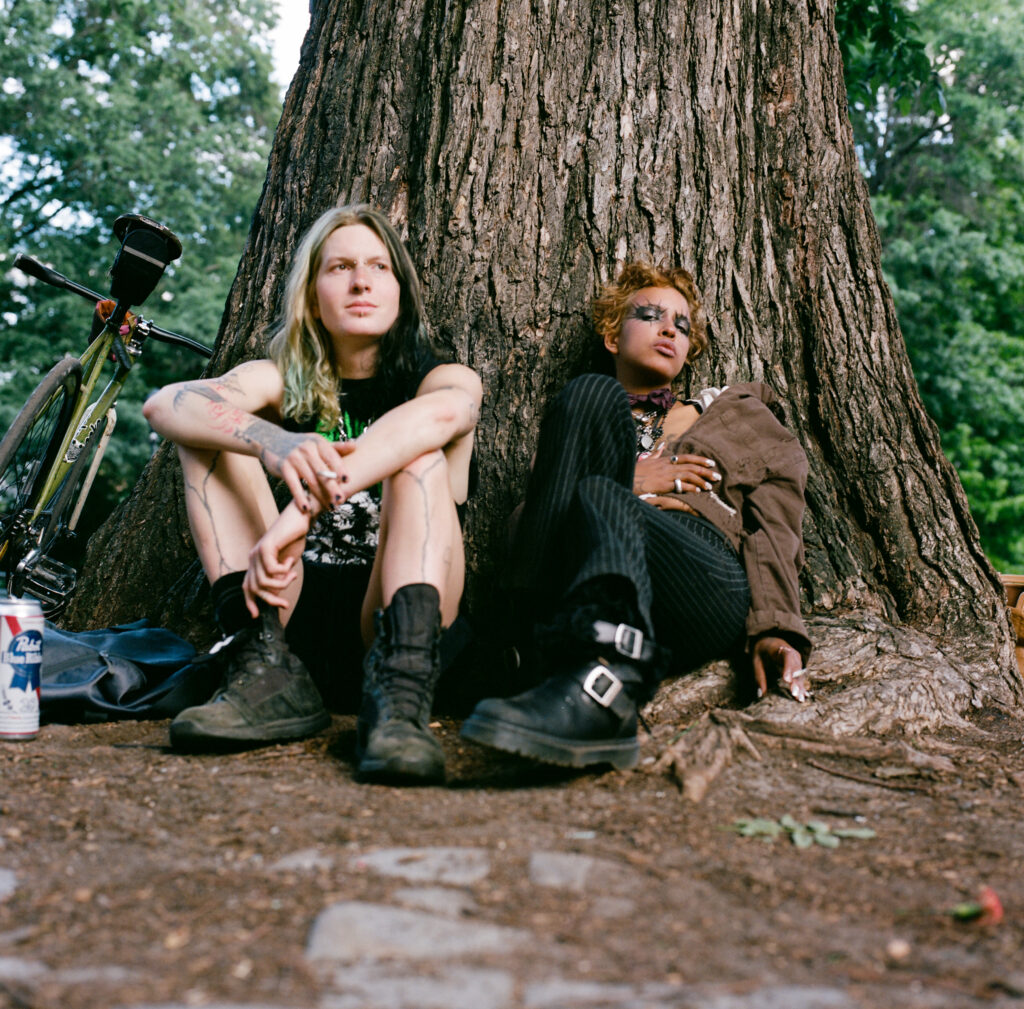
The study then moved to Tompkins Square Park, a 10.5-acre public space that has historically been the site of political demonstrations and artistic gatherings. Here, the photographer encountered Walker, whose attire suggested a synthesis of contemporary fashion and utilitarian workwear. Analysts of urban subcultures often point to this "dystopian utilitarian" aesthetic as a recurring theme in New York street fashion, echoing the visual language of Fritz Lang’s Metropolis or the minimalist stage presence of the electronic band Kraftwerk.

Chronology of the Expedition and Social Interactions
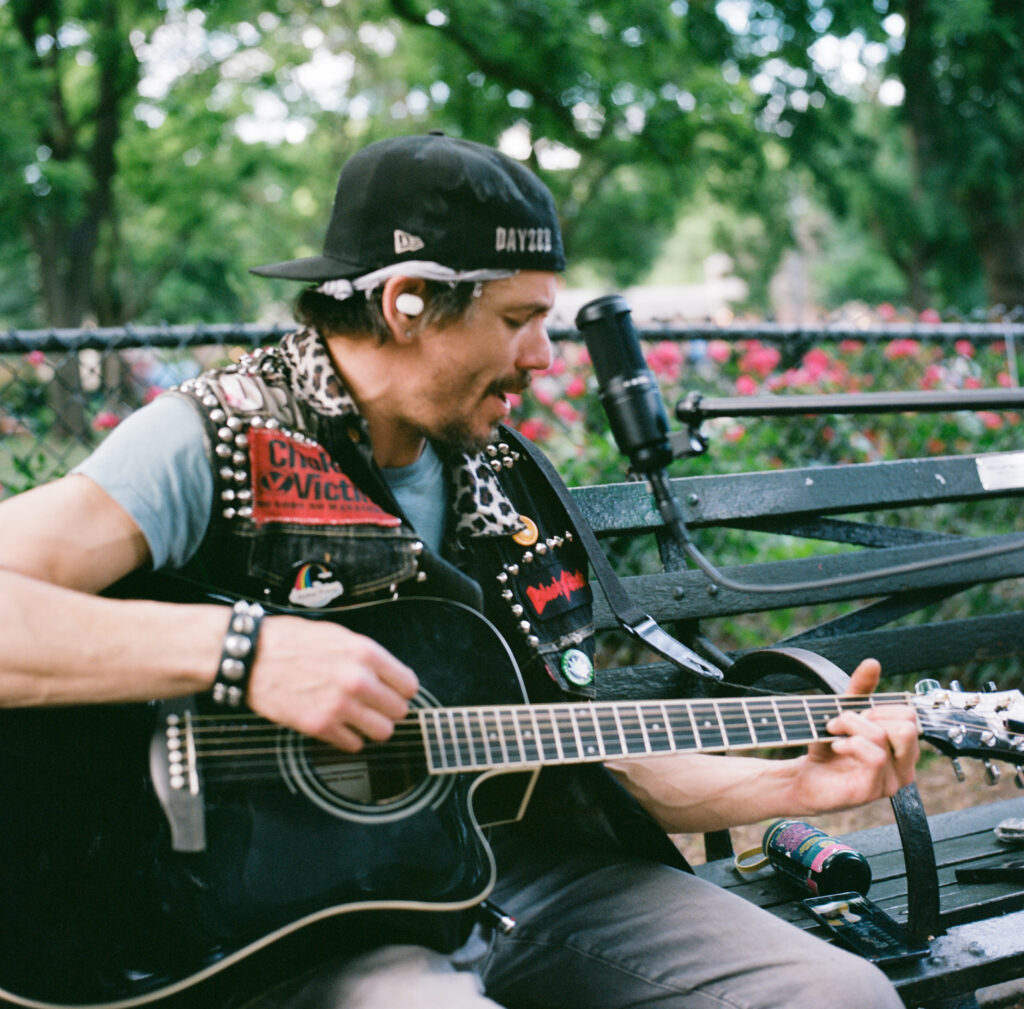
The mid-afternoon phase of the shoot centered on the social hubs of Tompkins Square Park. A spontaneous musical performance by local residents provided a case study in "passive" street photography. The group, performing Nirvana’s "Come As You Are," maintained a focus on their instruments, allowing the photographer to capture candid moments of cultural participation. This "jam session" atmosphere serves as a modern echo of the park’s long-standing reputation as a democratic space for public art.
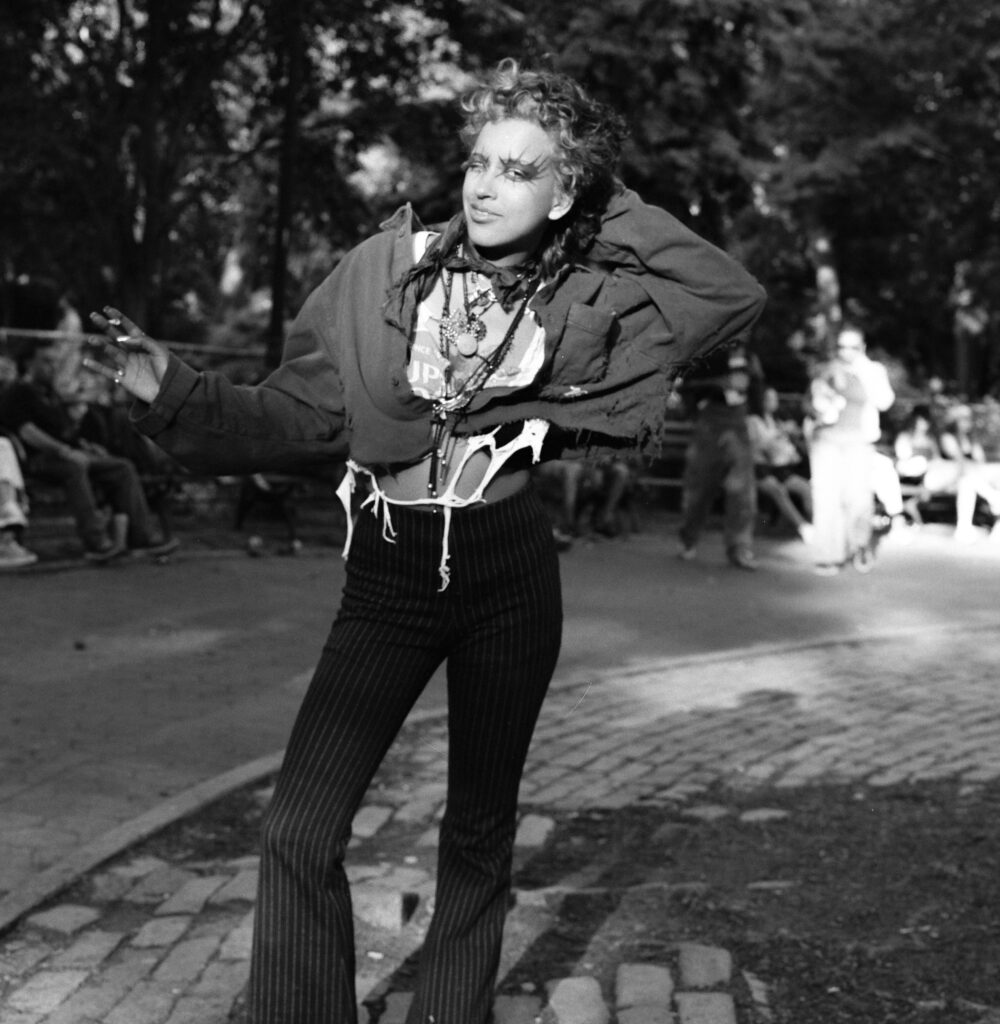
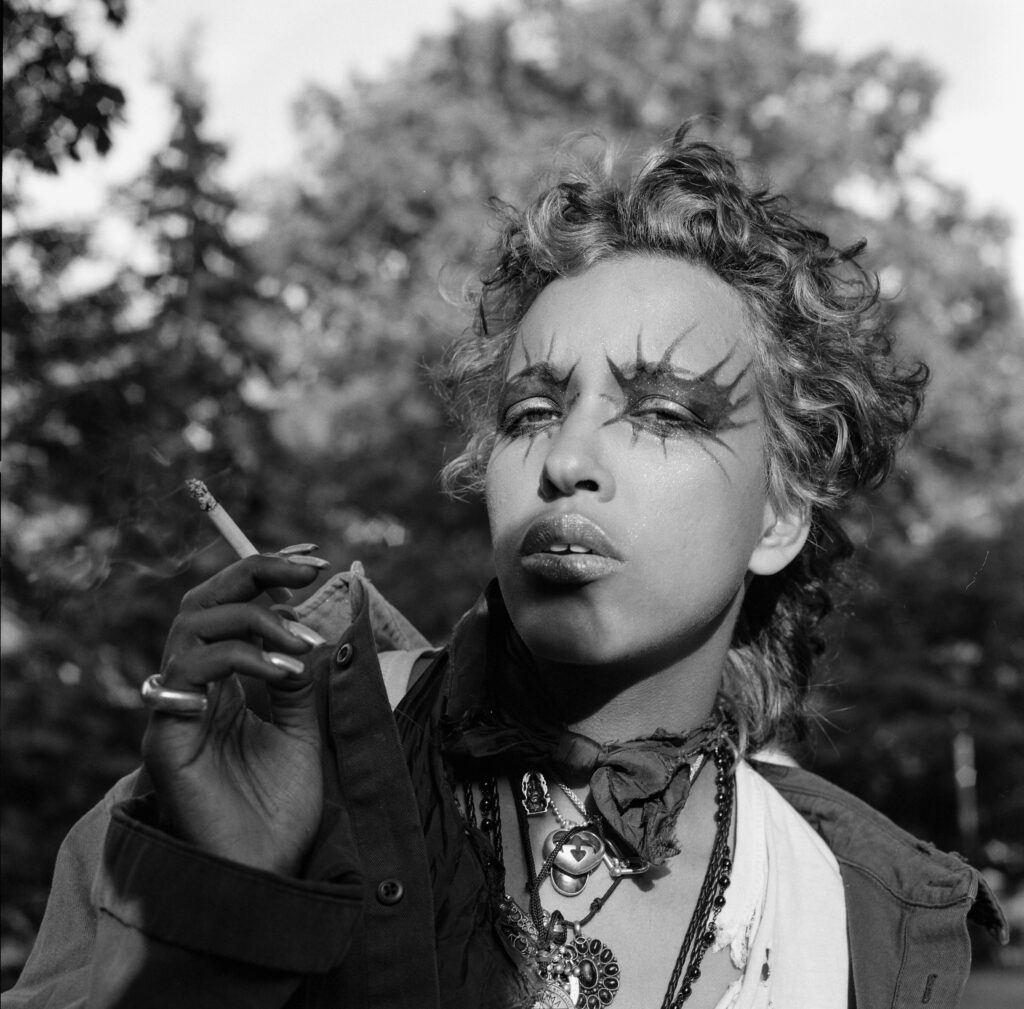
A pivotal moment in the chronology occurred with the introduction of Sasha, a subject whose "classic punk" styling—characterized by shredded textiles and elaborate glitter makeup—provided a high-contrast subject for both color and black-and-white film. The interaction with Sasha illustrates the "reading the room" skill set essential to professional street portraiture. Unlike the musicians, Sasha engaged directly with the camera, recognizing the prestige of the Hasselblad system. This engagement allowed for a series of close-up portraits that utilized the shallow depth of field provided by the 80mm lens at wide apertures, isolating the subject from the busy park background.
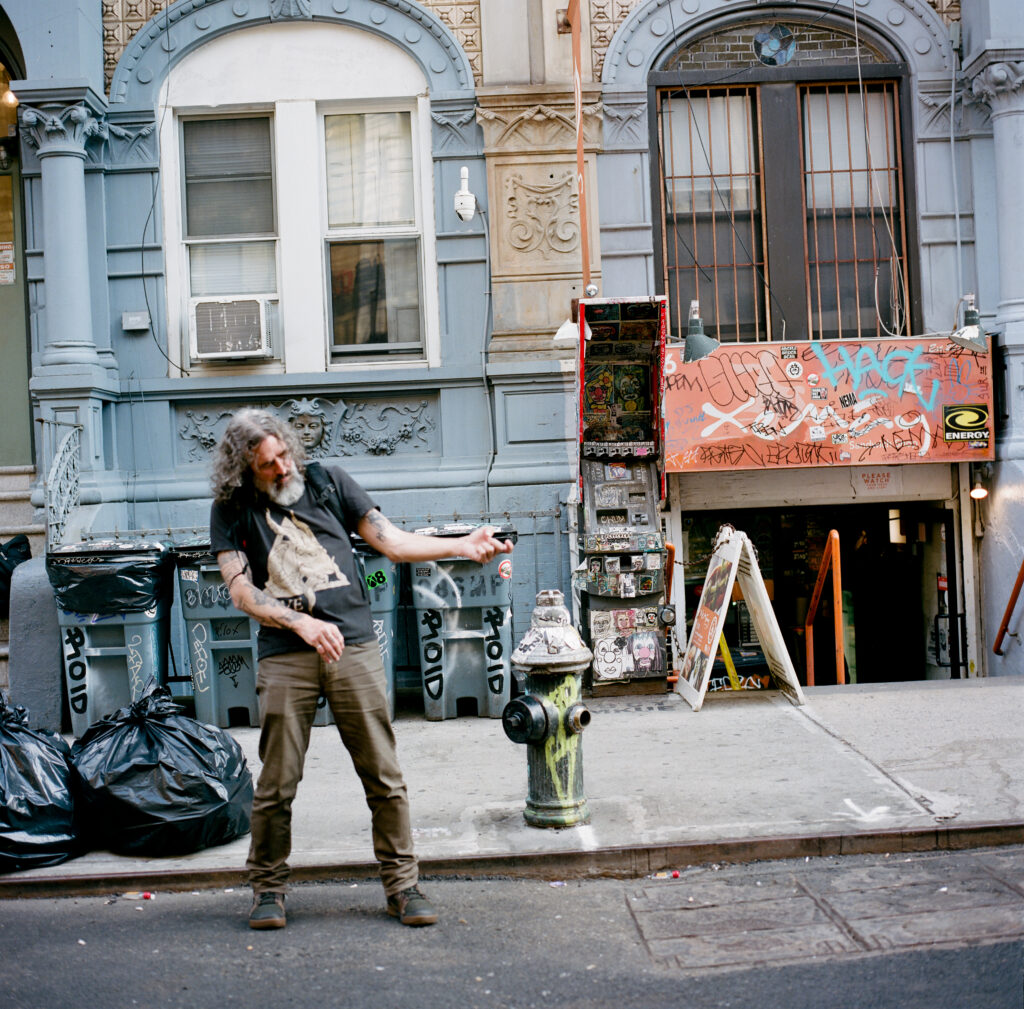
The final leg of the route led back toward the West Village via St. Marks Place, stopping at 98 St. Marks Place. This location holds significant architectural and cultural weight as the facade featured on the cover of Led Zeppelin’s 1975 album, Physical Graffiti. The interaction with a subject named Kashmir, who was performing for the camera in front of the landmark, showcased the challenges of directing non-professional subjects while operating a manual-focus medium format camera. The delay inherent in focusing a waist-level finder often misses the peak of a subject’s energy, a technical hurdle that requires the photographer to anticipate movement.
Supporting Data: The Economics and Logistics of Film Portraiture
While digital photography dominates the professional landscape, the "Analog Renaissance" is supported by measurable market trends. According to industry reports, the demand for 120mm film has seen a steady increase over the last five years, driven by a desire for the "medium format look"—characterized by a unique compression of space and a smooth transition between in-focus and out-of-focus areas (bokeh).
| Film Stock | Format | ISO | Primary Use Case |
|---|---|---|---|
| Kodak Portra 160 | 120 | 160 | Daylight portraits, fine grain |
| Kodak Portra 400 | 120 | 400 | Versatile street use, high latitude |
| Ilford Delta 400 | 120 | 400 | High-contrast B&W, fine grain structure |
| Kodak Tri-X 400 | 120 | 400 | Classic photojournalism, grit |
The logistical challenge of shooting 120 film on the street is substantial. A standard 6×6 back provides only 12 exposures per roll, necessitating frequent reloads. For a multi-hour excursion, a photographer may carry between 6 and 10 rolls of film, representing a significant financial investment in both raw materials and subsequent lab processing. In the New York City market, the cost of purchasing, developing, and scanning a single roll of Portra 400 can exceed $30, making each shutter actuation a calculated decision.

Broader Impact and Photographic Implications
The presence of high-end analog equipment in public spaces often facilitates social interaction. The final encounters of the day in Washington Square Park—involving a group of visitors from China and the independent film director Ira Sachs—demonstrate how a "famous" camera like the Hasselblad acts as a conversation starter. This phenomenon, often referred to as the "gear icebreaker," can bridge language barriers and ease the inherent tension of photographing strangers.
The study concluded with a meeting with Gabe, a photographer operating under the moniker "Analog Galaxy." Gabe’s practice involves using a Linhof 4×5 large-format camera to sell instant photos to park-goers. This reflects a broader "fraternity" of street photographers who utilize vintage technology to create a niche for themselves in a saturated digital market.
Analysis of the Medium Format Approach
The implications of using medium format for street photography are two-fold:
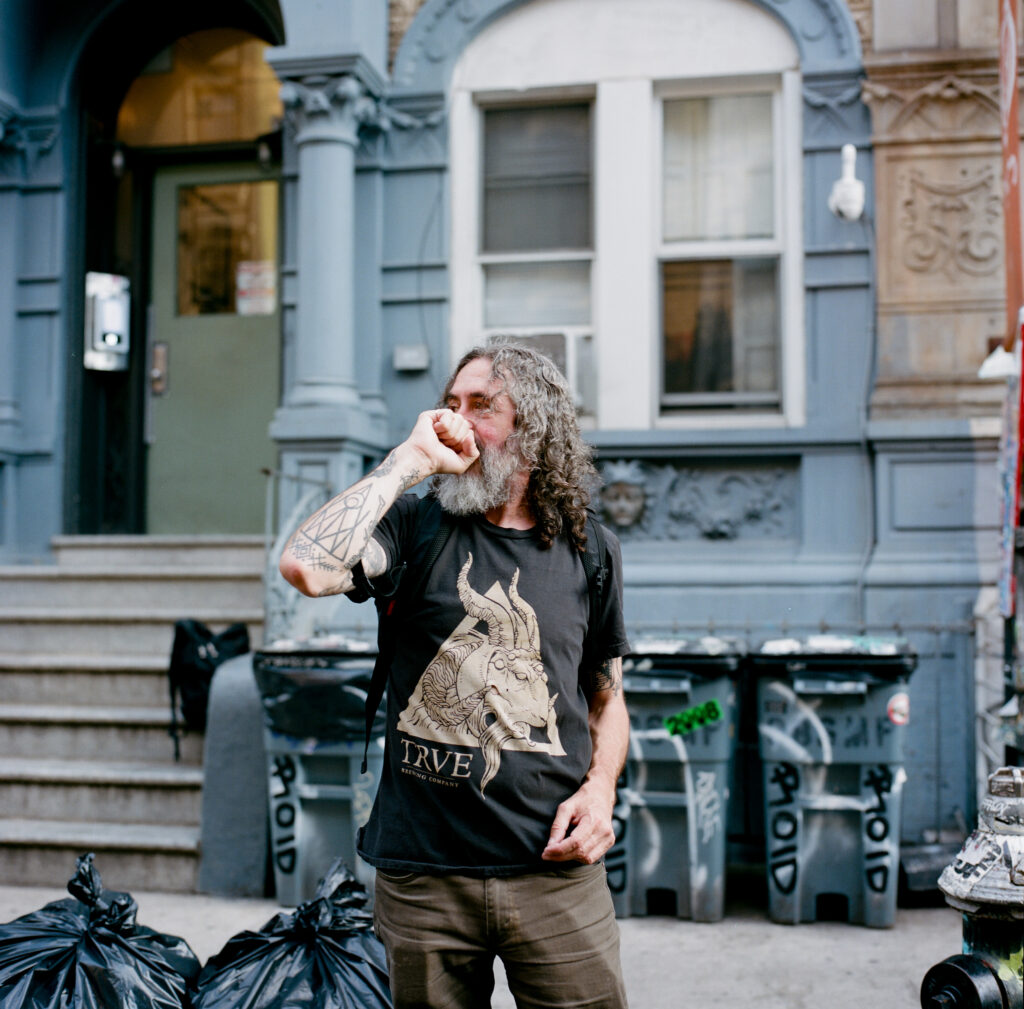
- Aesthetic Distinction: The 6×6 square format forces a different compositional logic than the standard 3:2 ratio of 35mm. It encourages central weighting and a more formal, balanced arrangement of elements within the frame.
- Psychological Impact: The slower pace of a Hasselblad—requiring manual cocking of the shutter, light metering, and precise focusing—changes the relationship between the photographer and the subject. It moves the act of photography from a "theft" of an image to a collaborative "making" of a portrait.
In conclusion, the late-May expedition through Manhattan’s historic villages confirms that while the tools of street photography are evolving, the fundamental appeal of the neighborhood remains its people. The use of the Hasselblad 503CW and Zeiss optics serves not just as a technical choice, but as a commitment to a specific lineage of documentary art that values the texture of the city and the individuality of its inhabitants. Despite the gentrification of the East Village, the "urban grit" and Bohemian spirit continue to provide a fertile ground for those willing to slow down and observe.