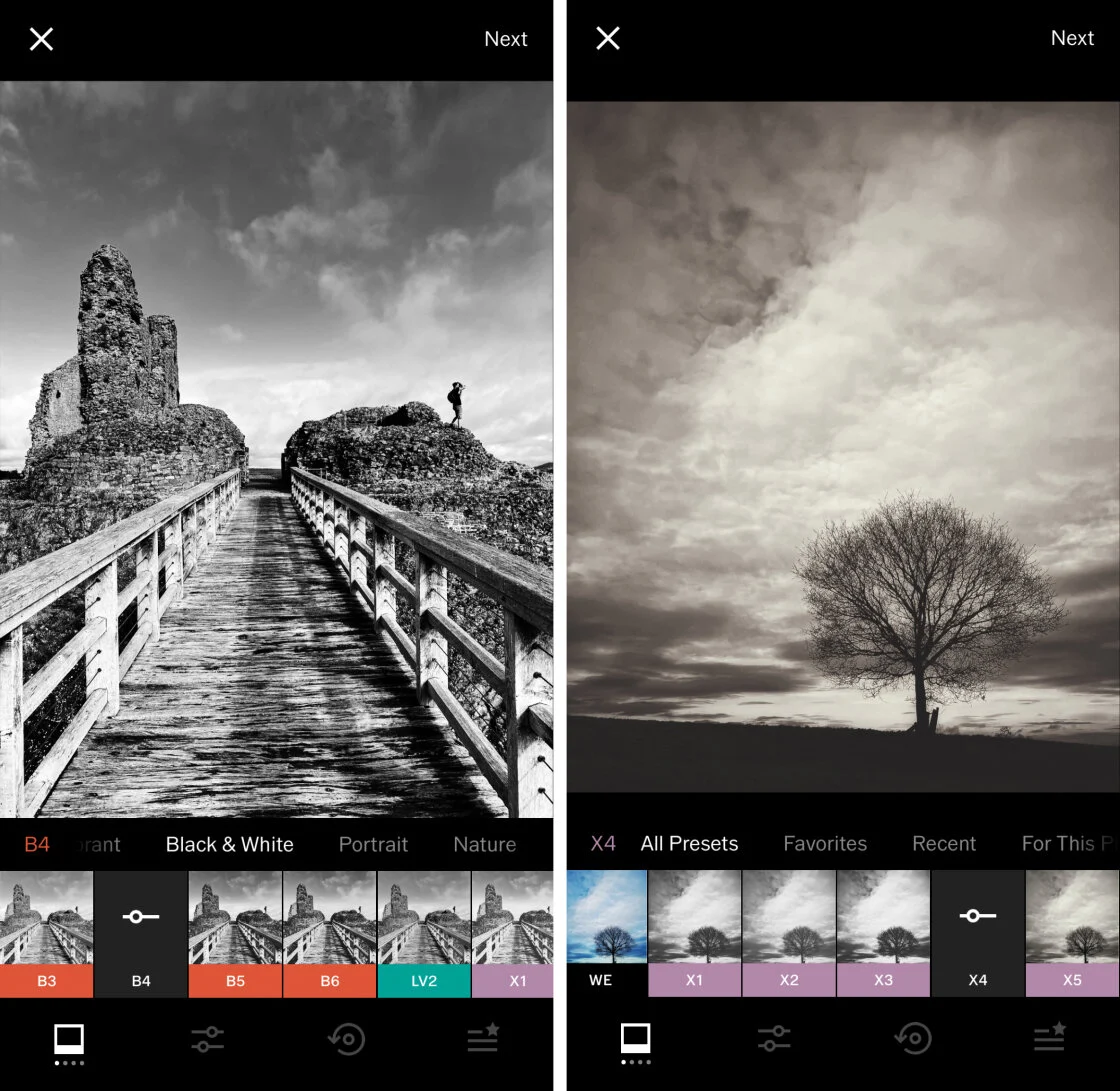
The evolution of mobile imaging technology has fundamentally transformed the landscape of urban documentation, elevating the smartphone from a mere convenience to a professional-grade instrument for visual storytelling. While color photography often dominates social media platforms, the discipline of black and white street photography remains a cornerstone of the medium, valued for its ability to strip away distractions and emphasize the raw elements of composition, light, and human emotion. Industry data suggests that mobile photography now accounts for over 90% of all digital images captured globally, with the iPhone consistently ranking as the most utilized device among both enthusiasts and professionals on major photography sharing platforms. This shift has necessitated a new set of technical and creative standards specifically tailored to the constraints and capabilities of mobile hardware.
The Technical Evolution of Mobile Monochrome
To understand the current state of iPhone street photography, one must consider the chronology of the device’s imaging capabilities. Since the introduction of the iPhone 4 in 2010, which first brought a high-resolution "Retina" display and a 5-megapixel sensor, Apple has progressively integrated sophisticated computational photography features. The introduction of the "Noir" filter and the ability to capture high-dynamic-range (HDR) images have provided photographers with the tools necessary to emulate the high-contrast look of traditional film stocks like Tri-X or T-Max.
Current industry analysis highlights that the move toward "shooting in-camera" with filters is more than a stylistic choice; it is a cognitive strategy. When a photographer engages the monochrome filter before pressing the shutter, they are better equipped to identify tonal ranges and structural geometries that might be obscured by vibrant colors. This immediate feedback loop allows for a more rigorous evaluation of light, shadows, patterns, and lines—the fundamental building blocks of a successful black and white image.
1. Real-Time Monochrome Visualization
The primary recommendation from digital imaging experts is to utilize the iPhone’s built-in filters during the capture phase. By accessing the Camera app, swiping up to reveal the filter icon (represented by three interlocking circles), and selecting the "Noir" setting, the user can see the world in grayscale in real-time. This method is non-destructive; the iPhone captures the full color data of the scene, allowing the photographer to revert to color or choose a different tonal profile during post-processing. However, the psychological advantage of "seeing" in black and white cannot be overstated. It forces the eye to look for contrast rather than hue, which is essential for street photography where the background is often cluttered with competing colors.
2. Strategic Use of Minimalist Compositions
In the context of urban environments, visual noise is a constant challenge. Journalistic analysis of award-winning street photography reveals a consistent trend toward minimalism. The removal of color already simplifies the image, but the most striking monochrome photos further reduce the scene to its barest essentials. This is achieved through the intentional use of "negative space"—large areas of the frame that are devoid of detail, such as a clear sky or a vast, empty pavement.
Urban planners and architectural historians note that modern cities provide ample opportunities for this approach. Squares, parks, and large-scale cultural sites are designed with open vistas that can serve as a canvas for a single human subject. By utilizing Google Maps or Street View, photographers can pre-scout locations that offer the requisite space to isolate subjects, ensuring that the viewer’s eye is immediately drawn to the focal point without the interference of street furniture or vehicular traffic.
3. Implementing Structural Leading Lines
Leading lines are a foundational element of classical composition, used to guide the viewer’s gaze through the frame toward the primary subject. In black and white photography, these lines gain additional prominence as they are defined by tonal shifts rather than color boundaries. The urban landscape is replete with such structures: bridges, road markings, tunnels, and architectural facades provide linear paths that can create a sense of three-dimensional depth on a two-dimensional screen.
For maximum visual impact, photographers are encouraged to position themselves so that these lines originate from the corners of the frame. This technique, often referred to as "dynamic symmetry," adds a sense of stability and intent to the image. While straight lines are common, curved lines—such as those found in spiral staircases or winding alleys—introduce an organic quality to the otherwise rigid urban environment, often resulting in more complex and engaging visuals.
4. Pattern Recognition in the Built Environment
Modern architecture is defined by repetition and geometry. Facades consisting of uniform windows, rows of structural pillars, or rhythmic brickwork provide a textured backdrop that is particularly effective in monochrome. Research into visual perception suggests that the human brain is naturally predisposed to seek out patterns; when these patterns are presented in black and white, the absence of color allows the viewer to focus entirely on the mathematical precision of the scene.
Experts suggest that when a repetitive pattern is identified, the photographer should wait for a "human element" to enter the frame. This juxtaposition between the rigid, unchanging pattern of the building and the transient, organic presence of a person creates a narrative tension that is a hallmark of the street photography genre.
5. Architectural Framing Techniques
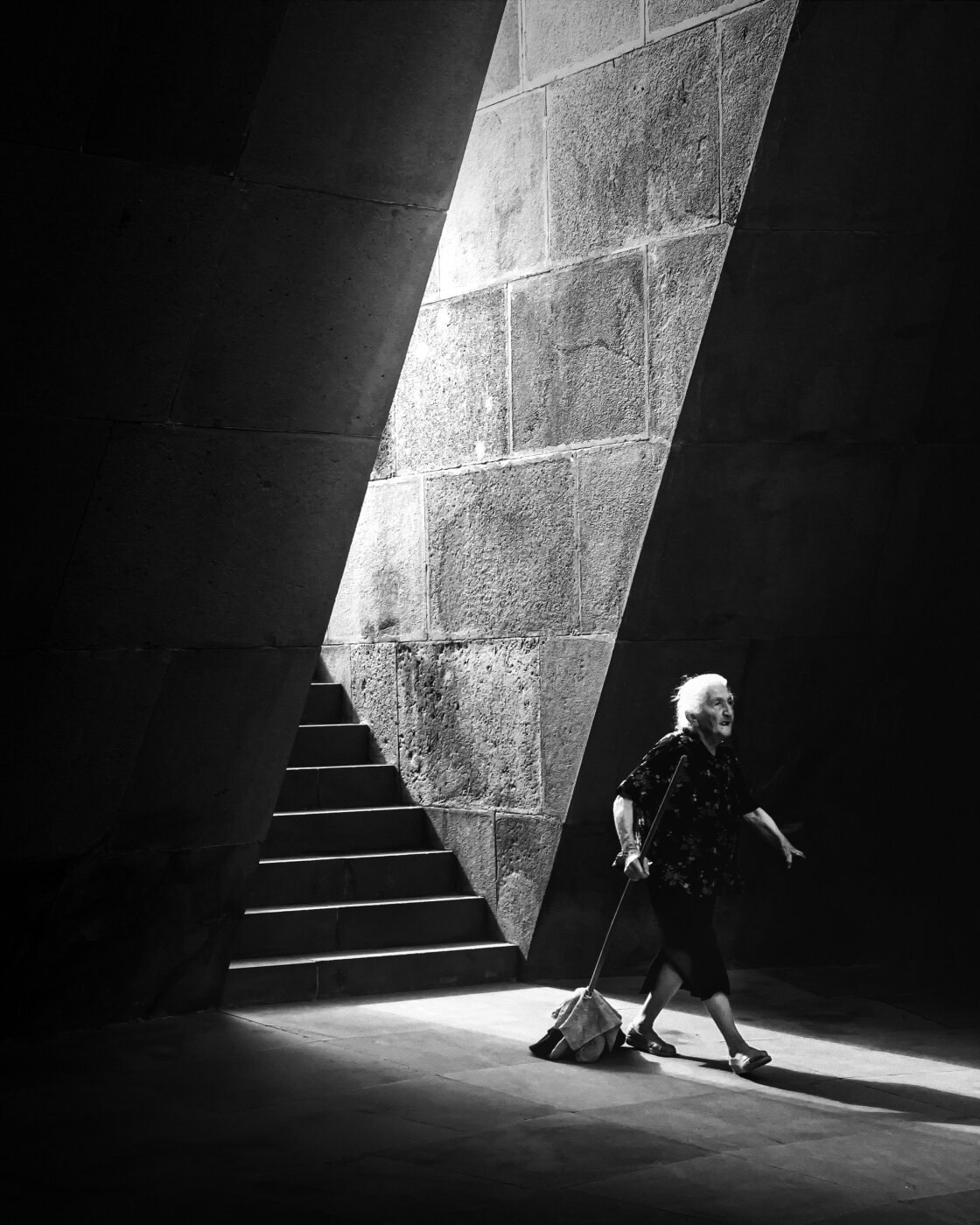
Framing involves using elements within the scene—such as archways, doorways, or windows—to create a "frame within a frame." This technique serves two purposes: it adds depth to the image and emphasizes the subject by physically enclosing them. In a monochrome setting, the frame often becomes a silhouette, creating a bold, graphic border that directs attention toward the lighter area of the composition where the subject resides.
To successfully execute this, photographers often utilize the iPhone’s "Burst Mode." By dragging the shutter button to the left or holding the volume button, the camera captures a rapid sequence of images. This allows the photographer to select the frame where the subject’s gait and position are most aesthetically pleasing, a critical factor in the "decisive moment" philosophy popularized by Henri Cartier-Bresson.
6. Mastery of Silhouettes and High-Contrast Lighting
Silhouettes are among the most evocative forms of black and white photography, relying entirely on shape and outline to convey meaning. Achieving a clean silhouette on an iPhone requires shooting toward a bright light source, such as the sun during the "golden hour" (the hour after sunrise or before sunset). When the sun is low on the horizon, it provides the backlighting necessary to turn subjects into dark, featureless shapes.
Technically, this requires the manual adjustment of exposure. By tapping the screen to set focus and then swiping down, the photographer can "underexpose" the image. This ensures that the background remains bright while the subject becomes a deep black. Newer iPhone models offer a dedicated Exposure Compensation (±) tool, allowing for more precise control over the sensor’s light intake.
7. Dramatic Shadow Documentation
While many photographers avoid harsh, direct sunlight, street photographers often seek it out for the dramatic shadows it produces. Long, distorted shadows can become subjects in their own right, sometimes appearing more interesting than the physical objects casting them. This approach adds a layer of mystery and abstraction to the work.
Data from photography workshops indicates that beginners often struggle with shadows because they fear losing detail. However, in professional black and white photography, "crushing" the shadows—allowing them to fall into pure black—is a deliberate choice that enhances the graphic quality of the image. The key is to look for the interplay between light and dark, treating the shadows as structural elements of the composition.
8. Precision Post-Processing and Digital Cleanup
The final stage of the monochrome workflow involves digital enhancement. While the iPhone’s native Photos app provides robust tools for adjusting contrast, highlights, and shadows, many professionals migrate their images to advanced mobile applications like Adobe Lightroom or TouchRetouch.
A critical aspect of post-processing in street photography is the "healing" or removal of distracting elements. Modern AI-driven tools allow photographers to seamlessly remove litter, distracting signs, or photobombing pedestrians that detract from a minimalist composition. Furthermore, the ability to crop an image after the fact is vital. Since street photography often happens quickly, the initial framing may not be perfect. Cropping allows the photographer to re-center the subject, straighten the horizon, or adjust the entry points of leading lines, ensuring the final result meets professional standards.
Broader Impact and Industry Implications
The democratization of high-quality monochrome photography through the iPhone has significant implications for the preservation of urban history. As mobile devices become more ubiquitous, the volume of high-quality street photography increases, providing a more comprehensive visual record of contemporary life than was possible in the film era.
Furthermore, the shift toward mobile platforms has forced traditional camera manufacturers to reconsider their strategies. The success of the iPhone as a street photography tool lies in its portability and its "stealth" factor; a photographer with a phone is far less conspicuous than one with a large DSLR, allowing for more candid and authentic captures of human behavior. This evolution suggests that the future of street photography is inextricably linked to the continued advancement of mobile hardware and the creative ingenuity of those who carry these powerful cameras in their pockets every day.