Owls are among nature’s most captivating and enigmatic creatures, their nocturnal habits and silent flight imbuing them with an aura of mystery that has fascinated humanity for millennia. This inherent allure drives many to seek a deeper understanding and, for photographers, to immortalize their captivating characteristics, exquisite beauty, and profound grace through the lens. Owl photography, when practiced responsibly and ethically, serves not only as an artistic endeavor but also as a powerful tool for conservation and public education.

The Allure of Owls and the Art of Ethical Capture

Owls, belonging to the order Strigiformes, comprise over 200 species found across nearly every continent, from the dense canopies of tropical rainforests to the icy expanses of the Arctic tundra. Their distinct features—large forward-facing eyes, often surrounded by striking facial discs, and an uncanny ability for silent flight—make them uniquely challenging yet immensely rewarding subjects for wildlife photographers. Unlike many diurnal birds, owls often blend seamlessly into their environments, requiring patience, keen observation, and a profound respect for their natural behaviors and habitats. Historically, owls have held significant cultural importance, appearing in folklore and mythology as symbols of wisdom, mystery, and even ill omen. This deep-seated human fascination further fuels the desire to observe and document them.

The increasing global popularity of wildlife photography has brought with it a heightened responsibility for practitioners. Capturing compelling images of owls demands not just technical proficiency but also a deep understanding of avian biology, ecology, and, critically, a strict adherence to ethical guidelines. The primary goal is to document these magnificent birds in their natural state, without causing stress, disturbance, or altering their behavior. This approach ensures the welfare of the subject and preserves the integrity of the photographic narrative, making the resulting images more authentic and impactful. Responsible photography also plays a vital role in citizen science, contributing to data collection on species distribution and behavior, which is crucial for conservation efforts.

Deciphering Owl Habitats and Behaviors for Successful Encounters

Global Distribution and Seasonal Adaptations
Owls exhibit remarkable adaptability, inhabiting diverse environments ranging from sprawling forests and open plains to arid deserts, rugged canyons, tundra, wetlands, and even bustling urban centers. This widespread distribution means that, regardless of geographical location, there is a high probability of finding an owl species relatively close to home. Their presence is not limited by season either, with various species active year-round, adapting their behaviors to prevailing climatic conditions, from the harsh winters of the northern latitudes to the perennial warmth of the tropics.

While some owl species, such as the Great Horned Owl (Bubo virginianus), demonstrate incredible versatility, thriving across multiple habitat types throughout North and Central America, others are highly specialized. The Spotted Owl (Strix occidentalis), for instance, is intrinsically linked to old-growth forests, highlighting the importance of species-specific knowledge for successful photography and conservation. Furthermore, seasonal changes can trigger migratory patterns in certain species, often driven by the availability of prey, snow depth, or population dynamics, presenting different photographic opportunities throughout the year. For example, irruptive migrations of Snowy Owls (Bubo scandiacus) into more southerly regions during harsh winters offer unique chances for photographers in unexpected locations, though these events require careful monitoring to ensure the birds are not unduly stressed.

Strategies for Locating Elusive Raptors
The initial and most crucial step for any aspiring owl photographer is comprehensive research into local owl species. Resources from ornithological societies like the National Audubon Society, university extension programs, local birding clubs, and online databases such as eBird can provide invaluable information on species distribution, relative abundance, and critical behavioral traits. While a species might be abundant, its inherently elusive nature—due to factors like superb camouflage, strictly nocturnal activity, or secretive breeding habits—can make it extraordinarily challenging to locate. The Tawny Owl (Strix aluco) in Europe, despite its prevalence, is a prime example of a species that often evades detection due to its medium size and reclusive demeanor, blending perfectly into woodland environments.

- Auditory Clues: Most owls are primarily nocturnal, becoming highly active around sunset and through the night. Listening for their distinctive calls or hoots as daylight fades is an extremely effective strategy. Regular evening excursions can attune one’s ear to these often haunting sounds, signaling their proximity and allowing a photographer to narrow down a search area. Different species have unique calls, which further aids identification.
- Visual Detection: Once an owl’s presence is suspected, the visual search begins. This requires patience and a trained eye to scan tree canopies for unusual shapes or patterns that break the natural lines of branches and foliage. Owls typically roost at least halfway up a tree, often close to the main trunk on larger branches, seeking optimal cover from predators and the elements. As ambient light diminishes towards dusk, they may move towards the tree edges, offering better visibility against the twilight sky. Observing for silhouettes against the fading light can also be a tell-tale sign of their presence.
- Sign Tracking: Look for "whitewash"—visible droppings on branches and the ground below, indicative of a regular roosting spot. This is particularly noticeable with species like Long-eared Owls (Asio otus) which often congregate in winter roosts, leading to significant accumulation. Owl pellets, regurgitated masses of undigested fur, bones, and feathers, are another definitive sign. A scattering of these beneath a tree confirms a consistent daily roost location, offering a high probability of finding an owl nearby.
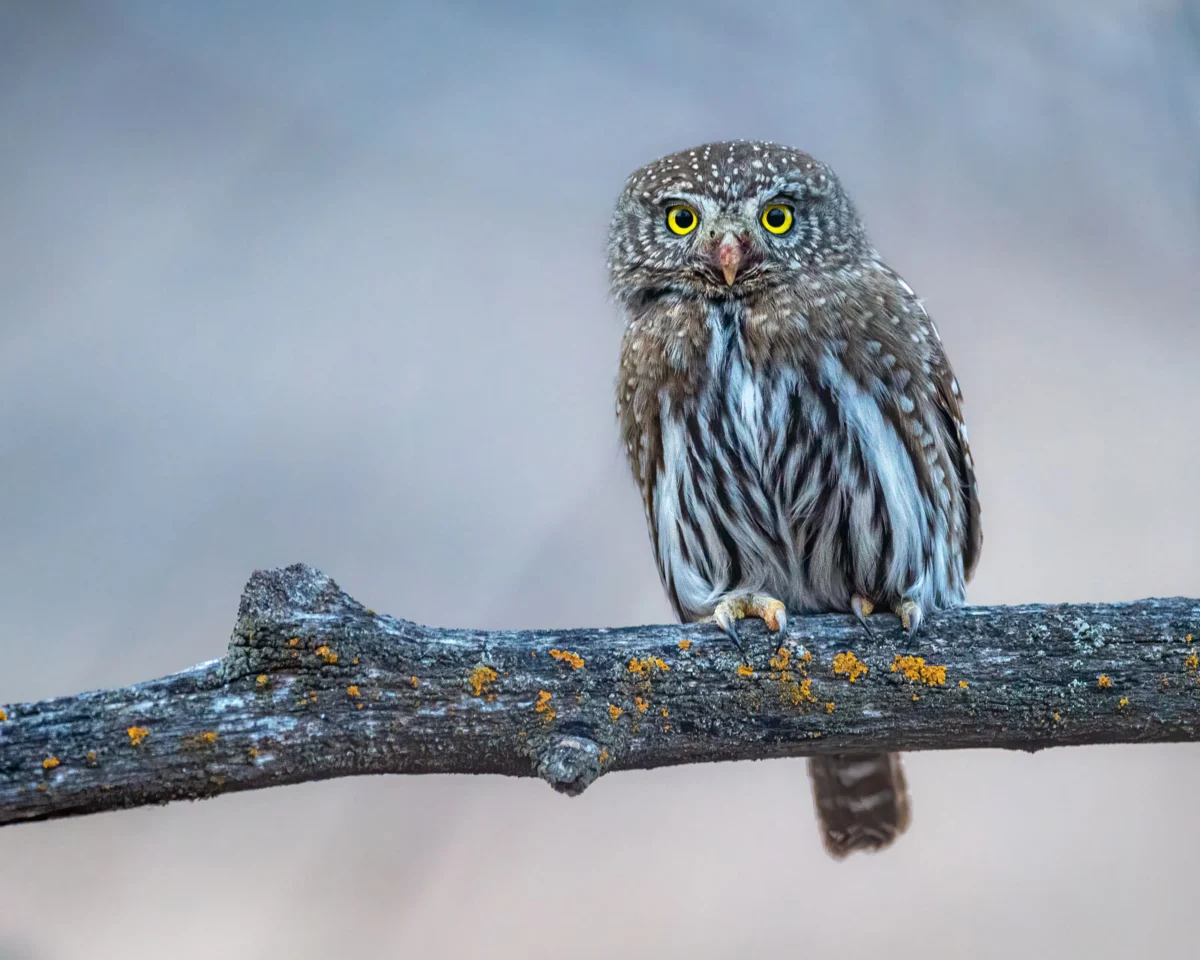
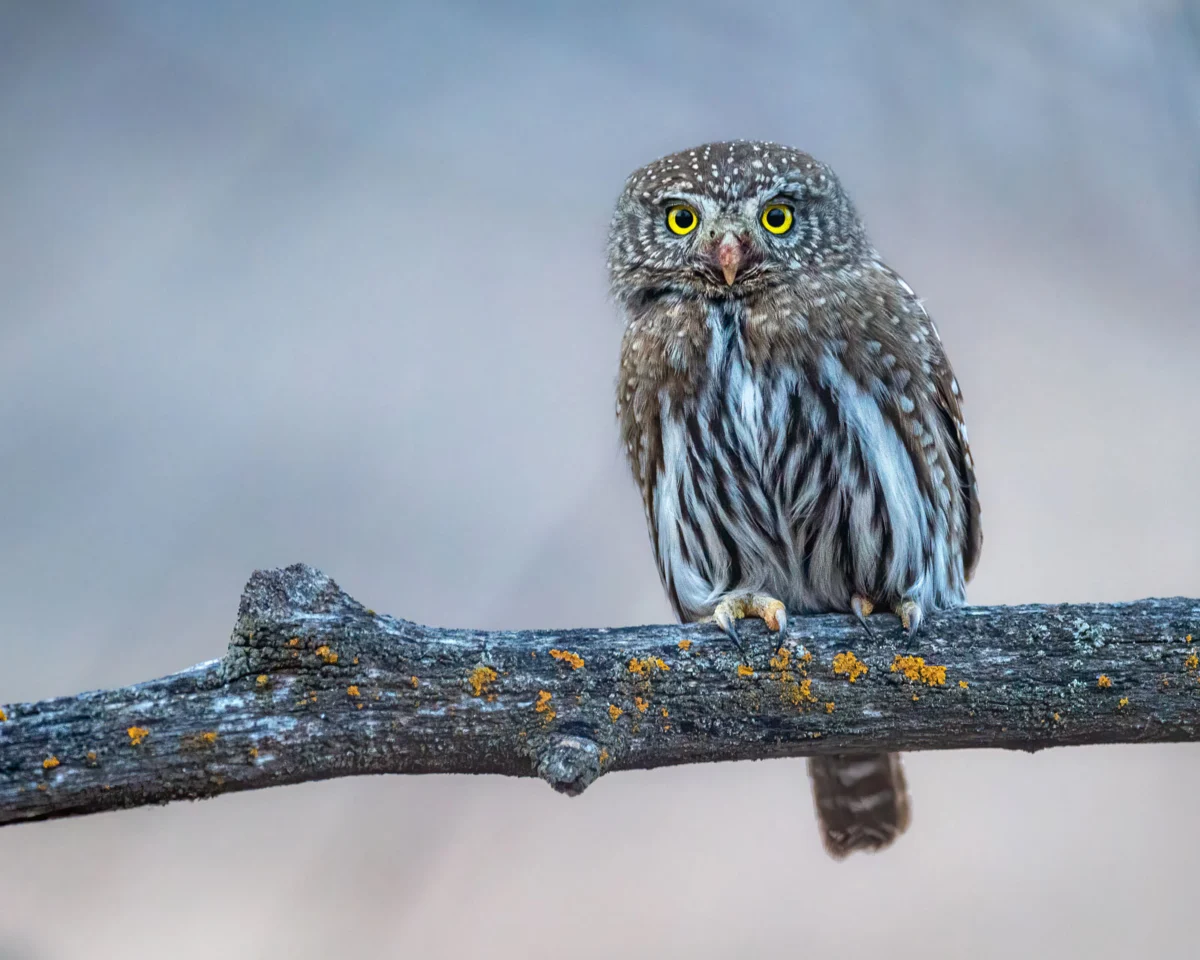
- Diurnal and Crepuscular Species: It is important to remember that not all owls are strictly nocturnal. Species like the Burrowing Owl (Athene cunicularia), Northern Hawk-Owl (Surnia ulula), Little Owl (Athene noctua), Pearl-spotted Owlet (Glaucidium perlatum), and various pygmy owls are regularly active during daylight hours, relying on their keen eyesight for hunting. Other species, such as the Short-eared Owl (Asio flammeus), are primarily crepuscular, most active at dawn and dusk, offering prime photographic conditions with soft, golden light. Understanding these specific hunting schedules and activity patterns maximizes the chances of encountering them in dynamic situations.
Ethical Considerations in Owl Encounters
Crucially, once an owl is located, maintaining a respectful and safe distance is paramount. Wildlife photographers adhere to a strict code of ethics, prioritizing the animal’s welfare over the photograph. Resting owls, especially during the day, should never be disturbed. Any signs of nervousness—such as head bobbing, looking directly and repeatedly at the photographer, ruffling feathers, or preparing for flight—indicate that the photographer is too close and must immediately retreat. The use of long telephoto lenses (300mm to 600mm and beyond) is essential to capture detailed images from a safe, non-intrusive distance, typically 75 to 100 feet or more, ensuring minimal impact on the bird.

Pressuring an owl to move from its roost or altering its natural behavior can cause significant stress, unnecessary energy expenditure, and may even lead it to abandon a favorable territory. Such actions are detrimental to the owl’s survival and are considered highly unethical within the wildlife photography community. Similarly, baiting owls with live or dead prey is an irresponsible practice that disrupts natural hunting behaviors, habituates owls to human presence, and can lead to dangerous outcomes for the birds, making them reliant on artificial food sources or more vulnerable to human-related threats. Responsible photographers strive to capture authentic moments, reflecting the true wildness of these creatures.

For those struggling to locate owls despite diligent effort, engaging a local, reputable wildlife guide specializing in photography can be an efficient and ethical alternative. These guides possess invaluable local knowledge, understand wildlife behavior, and are typically well-versed in ethical viewing practices, significantly enhancing the photographic experience without compromising animal welfare.

Essential Equipment for Captivating Owl Photography

Capturing the subtle nuances of owls, particularly in their preferred low-light conditions, necessitates specialized equipment that maximizes light gathering and reach while maintaining image stability and sharpness.

- Telephoto Lenses: The Bridge to the Wild: Given the critical need to maintain distance from owls, a long telephoto lens is indispensable. Lenses ranging from 300mm to 600mm, or even longer primes and zooms, are standard for owl photography. These lenses allow photographers to fill the frame with the subject while respecting their space, thereby minimizing disturbance. A significant advantage of shooting from a distance with a long lens is the ability to achieve an "eye-level" perspective even when the owl is perched high, creating a more intimate and engaging portrait than an upward-angled shot taken from too close. Teleconverters (1.4x or 2x) can also extend the reach of existing lenses, though with a trade-off in aperture and potentially sharpness.
- Wide Apertures for Low Light Performance: Owls are often most active during the golden hour, twilight, or even pre-dawn, conditions characterized by challenging low light. Lenses with wide maximum apertures (e.g., f/2.8) are highly desirable as they allow more light to reach the camera sensor, enabling faster shutter speeds to freeze motion and lower ISO settings to reduce digital noise. While f/2.8 telephotos are a significant investment, f/4 and f/5.6 lenses can still yield excellent results, especially with modern camera bodies offering superior high-ISO performance and advanced noise reduction capabilities. When photographing owls, the initial setting should always prioritize the widest aperture available to maximize light gathering, then photographers can begin to stop down the lens to a smaller aperture to increase the depth of field if ambient lighting permits.
- Stabilization: Tripods and Monopods: Owls, when not actively hunting, tend to remain relatively still for extended periods, making stable camera support invaluable. A sturdy tripod provides the necessary stability for heavy telephoto lenses, minimizing camera shake and allowing for slower shutter speeds in low light, which can be crucial for static shots in very dim conditions. This ensures sharp images and keeps the camera ready for any sudden movements. Alternatively, a monopod offers greater portability and flexibility while still providing significant support, especially useful when tracking moving subjects or when space is limited. Many experienced photographers utilize a tripod for static perched shots and then detach the camera for dynamic flight opportunities, balancing stability with agility.
- Remote Shutter Release: In low-light scenarios, where even minor camera shake can blur an image, a remote shutter release (wired or wireless) is a crucial accessory. It allows the photographer to trigger the shutter without physically touching the camera, eliminating vibrations and ensuring maximum sharpness, especially when using a tripod and slow shutter speeds. This is particularly beneficial for long exposures or when trying to capture a subtle behavioral moment without causing any movement.
Unlocking Unique Photographic Perspectives

Owls possess a suite of distinctive anatomical and behavioral traits that offer unparalleled opportunities for unique and compelling photographs. Understanding these features allows photographers to create images that transcend mere documentation, capturing the essence of these remarkable birds.
- The Expressive Facial Disc and Hypnotic Eyes: A defining characteristic of most owls is their prominent facial disc—a parabolic arrangement of stiff feathers that effectively directs sound waves to their ears, significantly enhancing their auditory hunting prowess, allowing them to pinpoint prey even in complete darkness. Visually, this disc frames their large, often intense, forward-facing eyes, creating a powerful focal point. In portraits, the eyes and facial disc naturally draw the viewer’s attention, conveying emotion and intelligence. Photographers should compose shots to highlight these features,