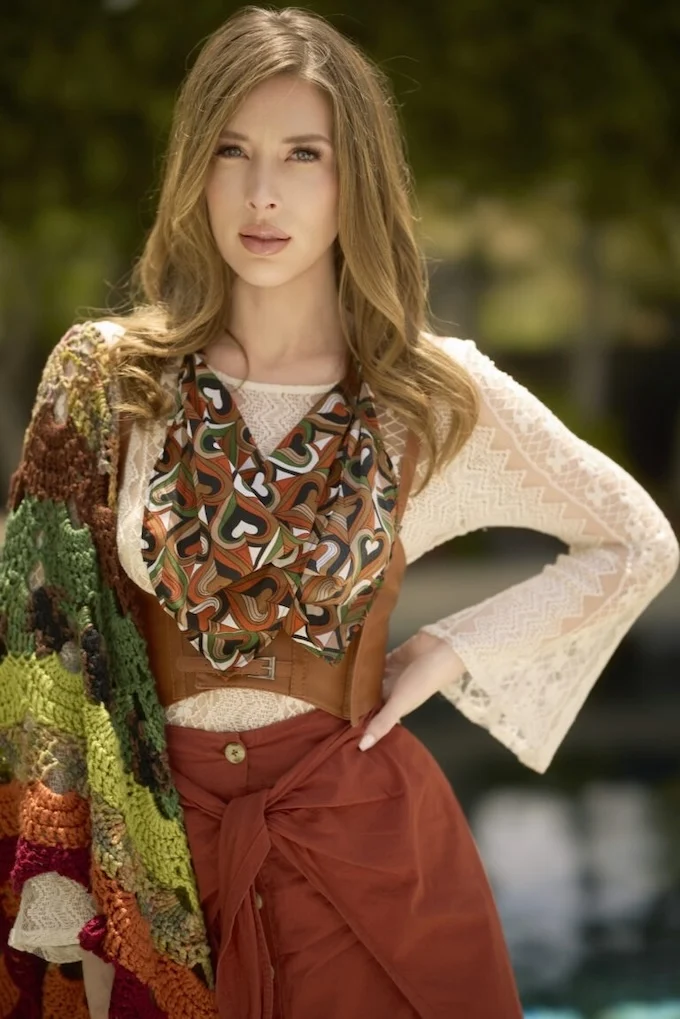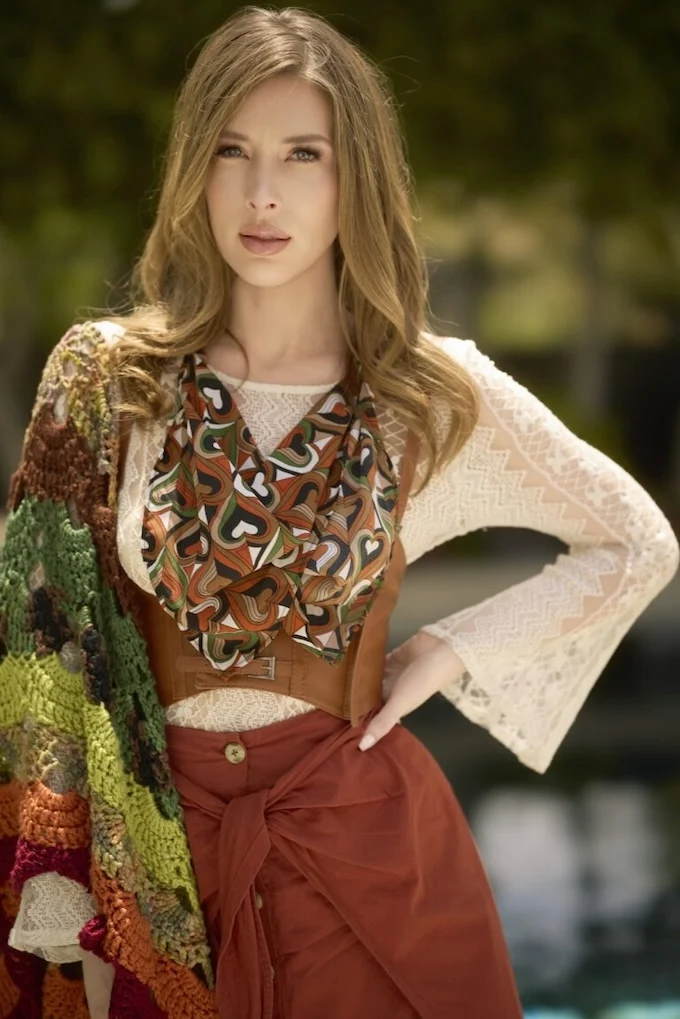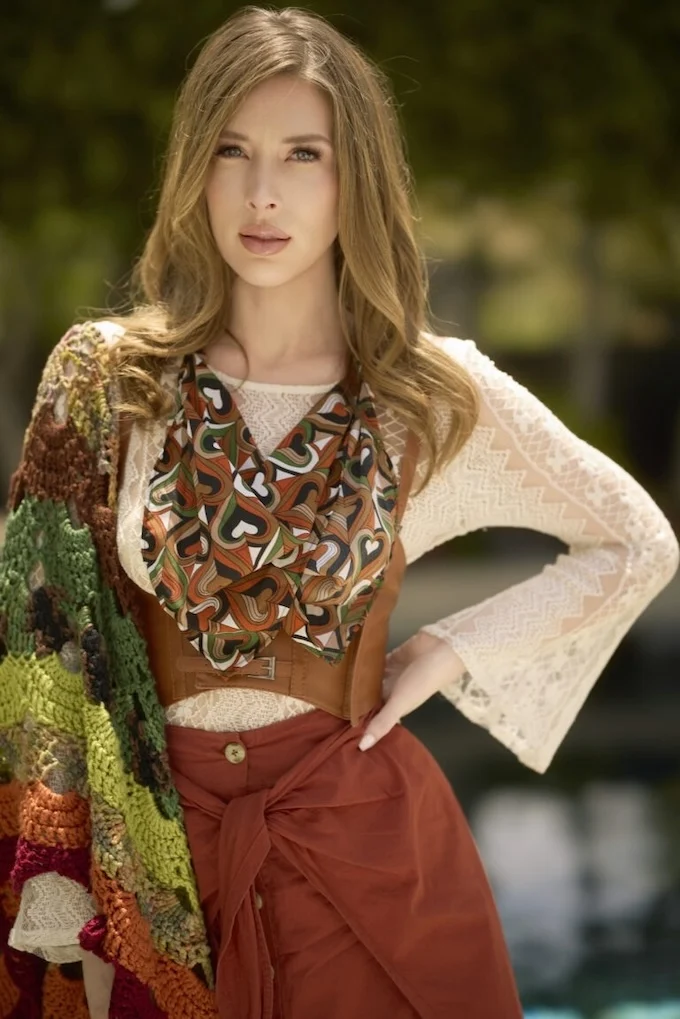
When it comes to lighting in photography, a pervasive instinct guides many professionals toward the soft, diffused light that promises flattering results. The widespread adoption of diffusion umbrellas, softboxes, and the preference for overcast days underscore this tendency. However, a growing body of photographic work, exemplified by the insights of renowned photographer Roberto Valenzuela, suggests that some of the most compelling and impactful portraits are born from the deliberate embrace of hard light. Valenzuela’s groundbreaking "Dynamic Lighting Masterclass," now available through WPPI On Demand, aims to demystify the use of hard light and equip photographers with the tools to harness its dramatic potential, potentially reshaping how portraiture is conceived and executed.
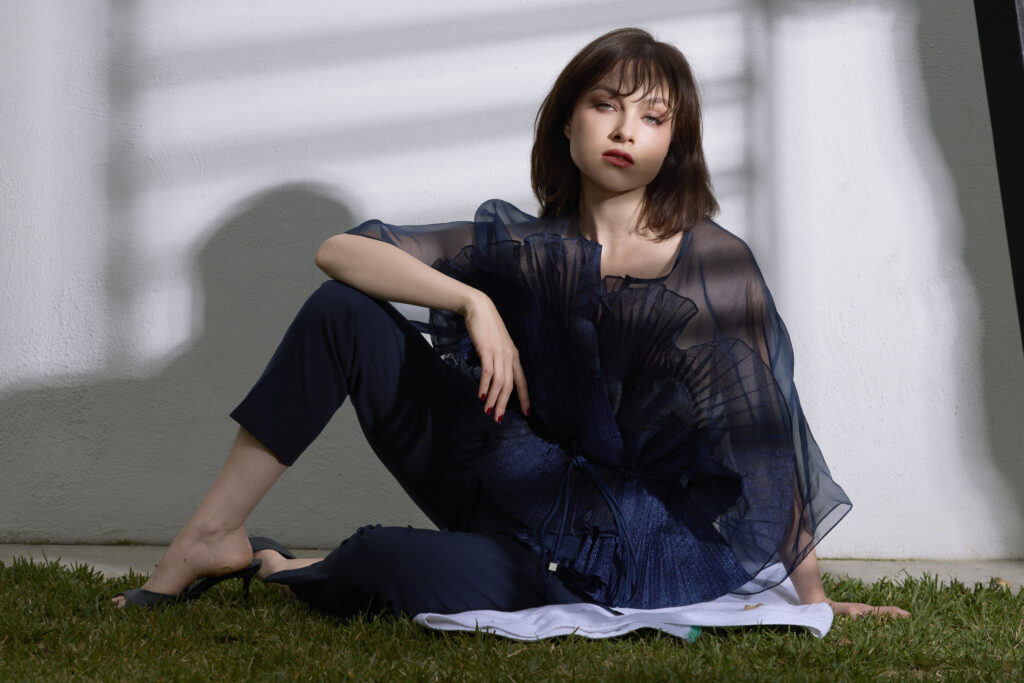
The conventional wisdom in photography often associates hard light with challenges, leading to its avoidance. This aversion stems from the inherent difficulty in controlling its sharp shadows and high contrast. Yet, Valenzuela argues that this perception is a mischaracterization. "Hard light gets a bad reputation because it’s more difficult to use," he states. "But it’s not really difficult. If you have some control over your subjects, hard light is going to look ten times more dynamic, ten times more amazing." This assertion is backed by the visual evidence presented in his masterclass, showcasing portraits where hard light is not merely tolerated but actively employed to create a heightened sense of drama, form, and visual intrigue.
The power of hard light, as articulated by Valenzuela, lies in its ability to imbue photographs with a unique visual intensity. This intensity manifests in several key ways:

- Heightened Drama and Contrast: Hard light creates distinct, sharply defined shadows, which dramatically sculpt the subject’s features. This contrast can emphasize bone structure, add depth, and evoke a sense of mood or emotion that softer light might dilute.
- Sculptural Quality: The precise shadows cast by hard light give subjects a three-dimensional, almost sculptural quality. This can make a portrait feel more tangible and impactful, drawing the viewer’s eye to the form and texture of the subject.
- Visual Intrigue and Uniqueness: In a photographic landscape often dominated by soft, ethereal imagery, portraits utilizing hard light stand out. The less conventional application of this lighting technique generates a sense of novelty and can hold a viewer’s attention more effectively. Valenzuela elaborates, "People are going to look at the photo, and they can’t stop looking at it. There’s something beautiful about it because it’s not normal to see lighting like that." This observation points to the psychological impact of unexpected yet aesthetically pleasing visual stimuli.
The inherent challenge in using hard light effectively lies in its tendency to create unflattering shadows or to spill uncontrollably, compromising the separation between subject and background. This is where Valenzuela’s practical advice becomes invaluable. A crucial, and often overlooked, piece of equipment for any photographer working with hard light modifiers is the grid. Valenzuela strongly advises against purchasing hard light modifiers without their corresponding grids, likening the combination to "a car without a steering wheel." He emphasizes the financial wisdom of this approach: "If you can’t afford the grid, then don’t buy the modifier at all because it’s a waste of your money."
The grid’s function is critical: it directs and contains the light, preventing it from scattering and illuminating unwanted areas. This controlled application is essential for maintaining the desired contrast and ensuring that the subject remains the focal point, isolated from distracting background elements. Without a grid, the precise, directional nature of hard light becomes a liability, leading to potential overexposure in some areas and loss of detail in others, undermining the very dramatic effect the photographer seeks to achieve. This practical, gear-focused advice highlights a common pitfall for photographers venturing into more advanced lighting techniques and underscores the importance of understanding the interplay between modifiers and their accessories.

The "Batman and Robin" Technique: A Masterclass in Controlled Contrast
Beyond the fundamental understanding of hard light and its modifiers, Valenzuela introduces a sophisticated technique he terms the "Batman and Robin" approach. This method cleverly balances the dramatic impact of hard light with the nuance of softer illumination, creating portraits that are both striking and refined. The technique involves the strategic deployment of two distinct light sources:

- The "Batman" Light (Hard Light): This primary light source is characterized by its intensity and directional nature. It is used to sculpt the subject, create strong highlights, and establish the primary mood and drama of the image. This is the light that defines form and creates the impactful shadows associated with hard lighting.
- The "Robin" Light (Medium or Soft Light): This secondary light serves as a fill. It is introduced to lift the deep shadows created by the "Batman" light, preventing them from becoming completely opaque and losing all detail. This fill light is typically softer and less intense, ensuring it complements rather than competes with the primary hard light.
Valenzuela acknowledges that this technique can be executed with a single light source, through careful positioning and reflector use, but he champions the use of two distinct lights for optimal control. "You don’t have to," Roberto admits, "but it works quite well to do it with two sources of light, a hard one and a medium or soft one." This dual-light strategy allows photographers to meticulously control the balance between shadow and highlight, ensuring that the dramatic effects of hard light are preserved while maintaining essential detail and preventing the image from appearing overly harsh or underexposed in shadow areas. This nuanced approach to lighting demonstrates a sophisticated understanding of how light interacts with form and how different light qualities can be harmonized to achieve a specific artistic vision.
Expanding the Lexicon of Light: The "Dynamic Lighting Masterclass" Curriculum

The insights into hard light and the "Batman and Robin" technique represent just a fraction of the comprehensive knowledge imparted in Roberto Valenzuela’s "Dynamic Lighting Masterclass." The course delves into a broad spectrum of lighting principles and applications, designed to empower photographers of all levels to move beyond conventional techniques and explore the full expressive potential of light. The curriculum extends to:
- Understanding Light Quality: Differentiating between hard and soft light, and recognizing the unique aesthetic qualities each brings to a portrait. This includes analyzing the size and distance of light sources in relation to the subject.
- Mastering Light Direction: Exploring how changing the angle of a light source affects the shape, mood, and dimensionality of a subject. This involves studying concepts like Rembrandt lighting, loop lighting, and butterfly lighting, and understanding how to achieve them intentionally.
- Controlling Light Intensity: Learning to manage the power of light sources to achieve specific exposure ratios between key and fill lights, thereby controlling contrast and defining the overall mood.
- Leveraging Natural Light: Discovering how to use available light, from direct sunlight to window light, and adapt it to create dynamic and compelling portraits, even in challenging conditions.
- Advanced Modifier Usage: Beyond grids, the masterclass explores the diverse applications of various light modifiers—snoots, barn doors, gobos, and more—to shape and direct light with precision.
- Color Theory and Light: Understanding how light affects color rendition and how to use light to enhance or alter the color palette of a portrait.
- Post-Production Integration: Exploring how to use post-processing techniques to further enhance and refine the lighting effects achieved in-camera, ensuring a cohesive and polished final image.
The availability of this masterclass through WPPI On Demand offers a significant advantage for photographers seeking continuous professional development. The platform provides flexible access to world-class instruction, allowing individuals to learn at their own pace and revisit complex concepts as needed. This accessibility democratizes high-level photographic education, making it attainable for a wider range of professionals and enthusiasts.

Transforming Photographic Vision: The Broader Implications
Roberto Valenzuela’s emphasis on mastering hard light and employing sophisticated layering techniques like "Batman and Robin" has profound implications for the future of portrait photography. By challenging the prevailing reliance on soft light, he encourages photographers to expand their creative toolkit and push the boundaries of conventional aesthetics. The ability to intentionally harness hard light, with its inherent drama and sculptural qualities, opens up new avenues for artistic expression. It allows for the creation of portraits that are not only visually arresting but also deeply evocative, capable of conveying a wider range of emotions and narratives.

The implications of this approach extend beyond individual photographers to the broader photographic industry. As more artists embrace these dynamic lighting techniques, the visual language of portraiture is likely to evolve. This could lead to a renewed appreciation for contrast, texture, and the raw, unvarnished depiction of subjects. The success of Valenzuela’s masterclass suggests a growing demand for instruction that moves beyond basic principles and delves into the more nuanced and challenging aspects of photographic craft.
The insights offered by Roberto Valenzuela are not merely technical; they represent a philosophical shift in how light is perceived and utilized in photography. By encouraging photographers to confront and conquer the perceived difficulties of hard light, he empowers them to create images that are not just seen, but deeply felt. The "Dynamic Lighting Masterclass" is more than a collection of techniques; it is an invitation to explore a new dimension of light, to shape it, control it, and ultimately, to bend it to the artist’s creative will, resulting in portraits that are truly unforgettable.
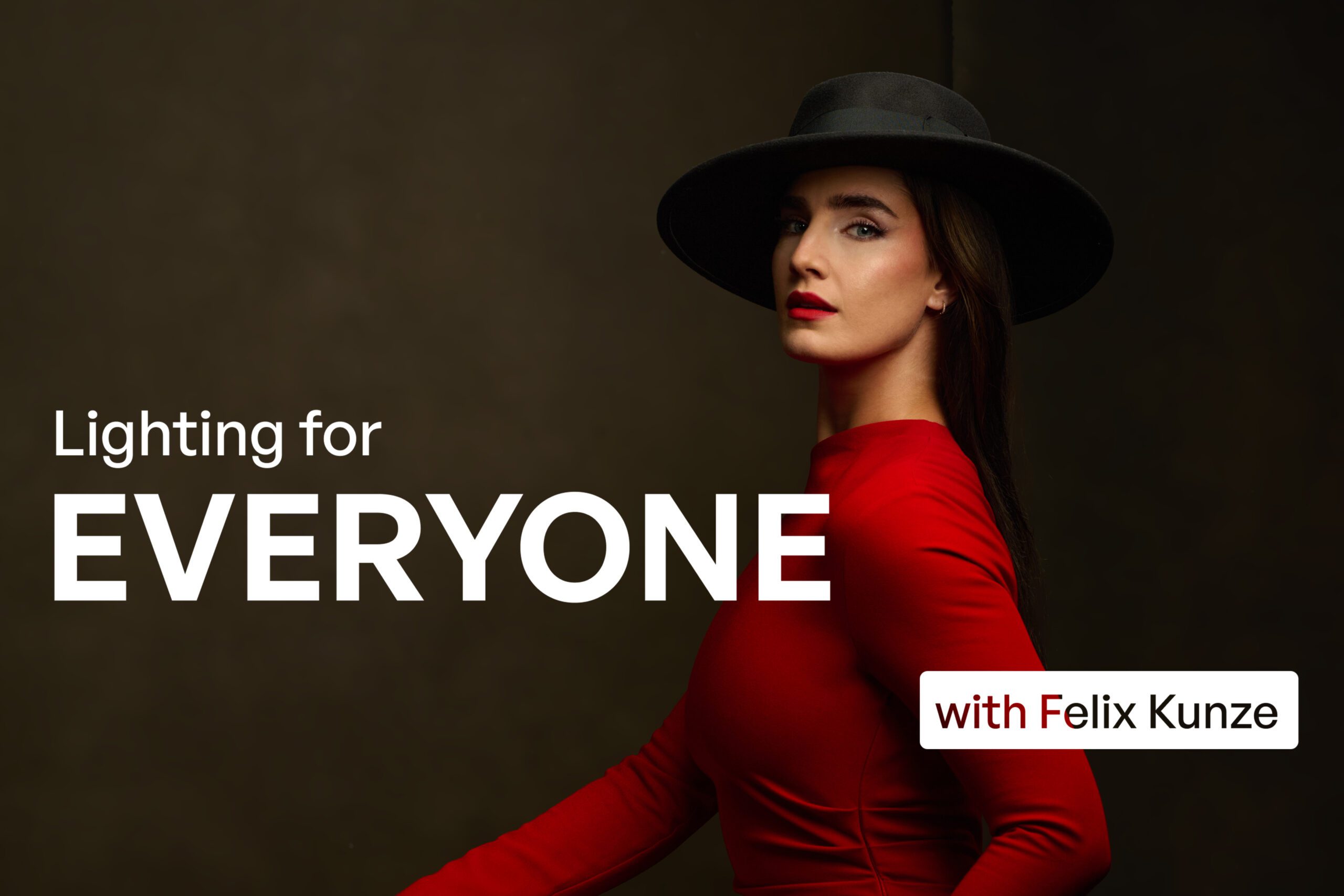
For those ready to elevate their craft and imbue their work with a new level of impact, exploring Roberto Valenzuela’s comprehensive "Dynamic Lighting Masterclass" on WPPI On Demand is a crucial step. As Valenzuela himself demonstrates, the most striking images often emerge from the courage to experiment with techniques that others may deem too challenging, proving that sometimes, embracing the intensity of hard light can illuminate the path to truly exceptional photography.
Further exploration of Roberto Valenzuela’s distinctive style can be found on his website, RobertoValenzuela.com, and his Instagram account, @roberto_photo. His contributions to the field of lighting education continue to inspire and challenge photographers worldwide, encouraging a deeper understanding and more creative application of light in all its forms.