The proliferation of high-performance smartphone cameras has fundamentally altered the landscape of contemporary photojournalism and street photography, moving the medium from the exclusive domain of heavy DSLR equipment to the pockets of millions. As of 2024, data from photography platforms such as Flickr indicate that the iPhone remains the most widely used camera globally, favored for its portability and the increasingly sophisticated computational photography algorithms that mimic professional-grade hardware. Within this mobile revolution, black and white street photography has experienced a significant resurgence. By stripping away the distraction of color, photographers are rediscovering the core elements of visual storytelling: light, shadow, texture, and form. This report examines the technical methodologies and compositional strategies required to master monochrome urban photography using the iPhone’s native and third-party ecosystems.
The Evolution of Mobile Monochrome: A Technical Chronology
The journey of the iPhone from a basic communication device to a professional-tier imaging tool began in earnest with the iPhone 4 and the introduction of the Retina display. However, it was the integration of real-time filters in iOS 7 and the subsequent development of the "Noir" and "Silvertone" presets that allowed users to visualize the world in monochrome before pressing the shutter. In recent years, the introduction of the 48-megapixel sensor and ProRAW capabilities in the iPhone 14 Pro and 15 Pro series has provided the dynamic range necessary to capture the deep blacks and nuanced highlights characteristic of classic street photography.
Industry analysts suggest that the shift toward mobile street photography is driven by "stealth." Professional photographers have long noted that a large lens can be intrusive in public spaces, altering the natural behavior of subjects. The iPhone, conversely, is ubiquitous and non-threatening, allowing for the candid capture of "the decisive moment"—a term coined by Henri Cartier-Bresson that remains the gold standard of the genre.
1. The Strategic Advantage of Native Black and White Capture
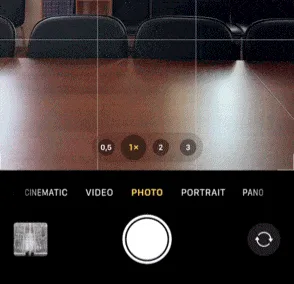
While many amateurs capture images in color and apply filters post-capture, professional mobile photographers advocate for shooting in a native monochrome mode. Utilizing the "Noir" filter within the iPhone Camera app allows the photographer to see the world in greyscale in real-time. This is a critical psychological shift; it enables the user to ignore color-based distractions and focus on the interplay of light and shadow.
The iPhone’s filters are non-destructive, meaning the underlying color data is preserved. This allows for a "safety net" where the photographer can revert to color in the Photos app if necessary. However, the primary benefit remains the ability to instantly evaluate whether a scene has the requisite contrast to succeed as a black and white image. Experts note that successful monochrome photos rely on tonal separation—the ability to distinguish subjects from backgrounds based on brightness rather than hue.
2. Minimalism and the Psychology of Negative Space
In the dense, chaotic environment of a modern city, the most effective images are often those that embrace minimalism. Black and white photography is uniquely suited for this approach because it simplifies the visual field. To achieve a striking minimalist composition, photographers are encouraged to seek out "negative space"—large, empty areas of the frame that surround the primary subject.
In urban planning, locations such as public squares, brutalist architectural sites, and expansive parks provide the necessary canvas for minimalism. By isolating a single human figure against a vast, monochromatic background, the photographer creates a sense of scale and solitude. Data from visual perception studies suggest that negative space directs the viewer’s eye with greater efficiency, ensuring that the intended focal point is immediately recognized.
3. The Geometry of the City: Utilizing Leading Lines
Leading lines are a fundamental tool in the photographer’s arsenal, used to guide the viewer’s gaze through the frame toward a specific subject or vanishing point. The urban landscape is inherently geometric, offering an abundance of lines in the form of roads, bridges, tunnels, and architectural facades.
To maximize the impact of leading lines on an iPhone, photographers often position themselves so that the lines originate from the corners of the frame. This creates a sense of depth and three-dimensionality that can be lost in a flat 2D image. Curved leading lines, such as those found in spiral staircases or modern subway stations, add a layer of organic fluidity to the otherwise rigid urban environment. When a human subject is placed at the convergence of these lines, the image gains a narrative weight, transforming a simple architectural study into a story of human transit.
4. Architectural Repetition and Pattern Recognition
Patterns are highly effective in black and white because the absence of color highlights the mathematical regularity of the subject. Modern architecture, characterized by glass, steel, and repeating windows or pillars, offers endless opportunities for pattern-based photography.
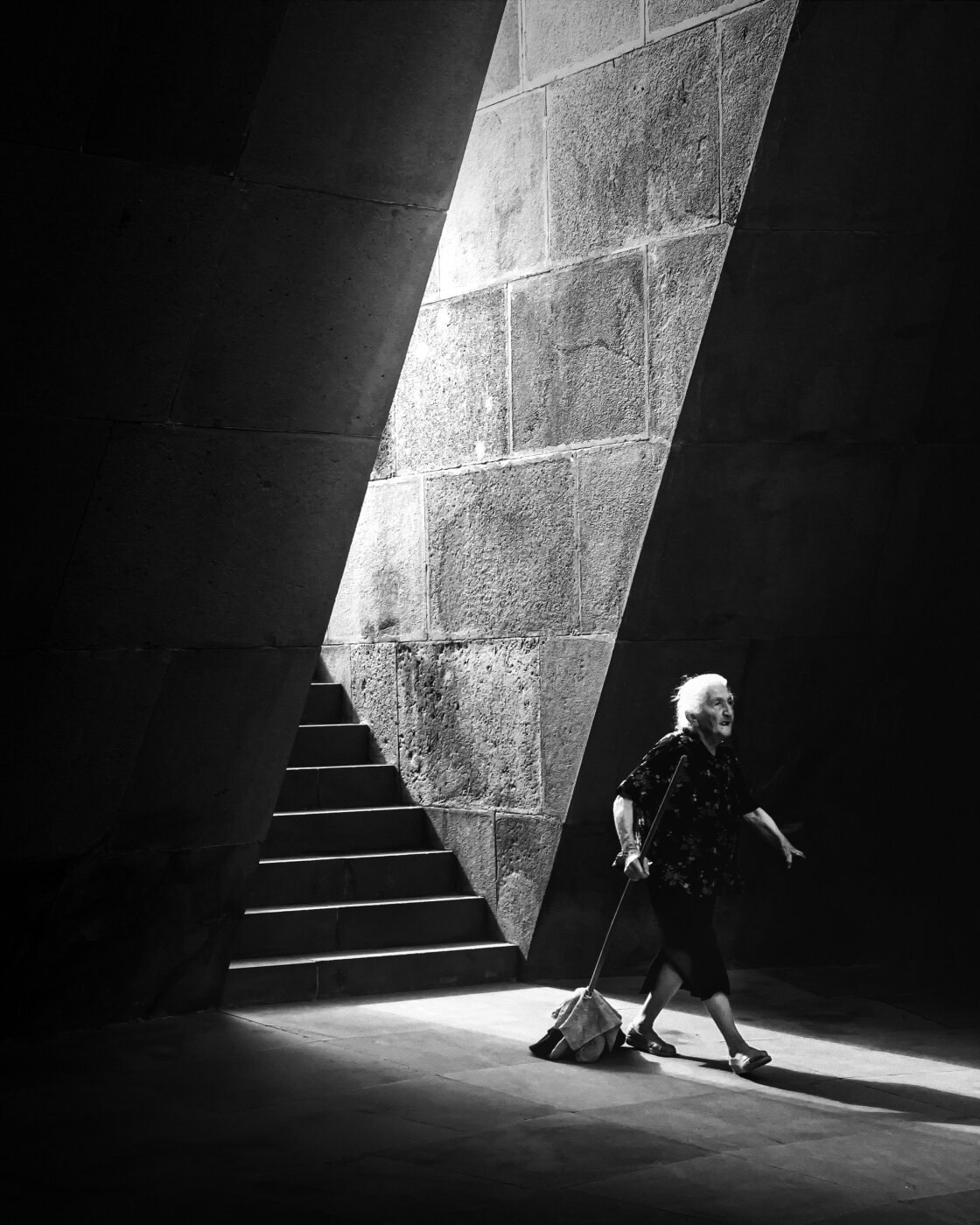
When shooting patterns, symmetry is often the most powerful compositional choice. Capturing a building’s facade head-on can create a hypnotic, graphic effect. Alternatively, shooting from an oblique angle can introduce a sense of rhythm and progression. The "focal point" in these images is frequently a "pattern interrupter"—a person or object that breaks the repetition, providing a point of interest that prevents the image from becoming overly abstract.
5. Framing and the Decisive Use of Burst Mode
Framing involves using elements within the scene—such as archways, doorways, or windows—to create a "frame within a frame." This technique adds layers to the image and focuses attention on the subject. In black and white, the structural lines of these frames become more pronounced, providing a strong graphic border.
Because street photography involves moving subjects, the iPhone’s "Burst Mode" is an essential tool. By dragging the shutter button to the left (on newer models) or holding the volume button, photographers can capture a sequence of images at 10 frames per second. This ensures that the subject is captured in the perfect stride or posture within the architectural frame. Technical analysis shows that even a millisecond difference in a subject’s position can drastically alter the balance of a composition.
6. High-Contrast Silhouettes and Light Source Selection
Silhouettes are a staple of black and white street photography, valued for their ability to convey mystery and anonymity. To create a silhouette on an iPhone, the subject must be positioned between the camera and a strong light source. The "Golden Hour"—the period shortly after sunrise or before sunset—is ideal for this, as the low angle of the sun provides a brilliant backlight.
However, silhouettes can also be captured using artificial light, such as illuminated shop windows or bright street lamps. The key technical step is reducing the exposure. By tapping the subject on the iPhone screen and sliding the sun icon downward, the photographer can intentionally underexpose the image, turning the subject into a crisp, black outline against a bright background. This technique relies on the iPhone’s advanced Image Signal Processor (ISP) to maintain detail in the highlights while crushing the shadows.
7. The Drama of Long Shadows
Shadows are not merely the absence of light; in monochrome photography, they are subjects in their own right. Long, dramatic shadows can act as leading lines or create abstract shapes that challenge the viewer’s perception. Like silhouettes, shadows are best captured when the sun is low on the horizon, creating elongated forms that stretch across the pavement.
Photographers often focus solely on the shadow, sometimes excluding the physical subject entirely to create a more surreal image. This approach requires a high level of contrast, which can be further enhanced in post-processing to ensure the shadows are "true black," providing a stark counterpoint to the lit areas of the scene.
8. Post-Processing and the Ethics of Digital Cleaning
The final stage of the workflow is editing. While the iPhone’s native Photos app offers robust tools for adjusting contrast, highlights, and shadows, many professionals migrate their images to Adobe Lightroom Mobile for more granular control.
A critical aspect of modern editing is the "cleaning" of the image. Urban environments are often cluttered with distracting elements—trash cans, street signs, or unwanted pedestrians. Tools like the "Healing Brush" or AI-driven "Generative Remove" allow photographers to eliminate these distractions, reinforcing the minimalist aesthetic. However, within the realm of photojournalism, this practice is often debated. While "cleaning" is acceptable in fine-art street photography to achieve a specific vision, editorial standards typically prohibit the removal of permanent objects, highlighting the ongoing tension between photography as a documentary record and photography as an artistic expression.
Broader Impact and the Future of Mobile Street Photography
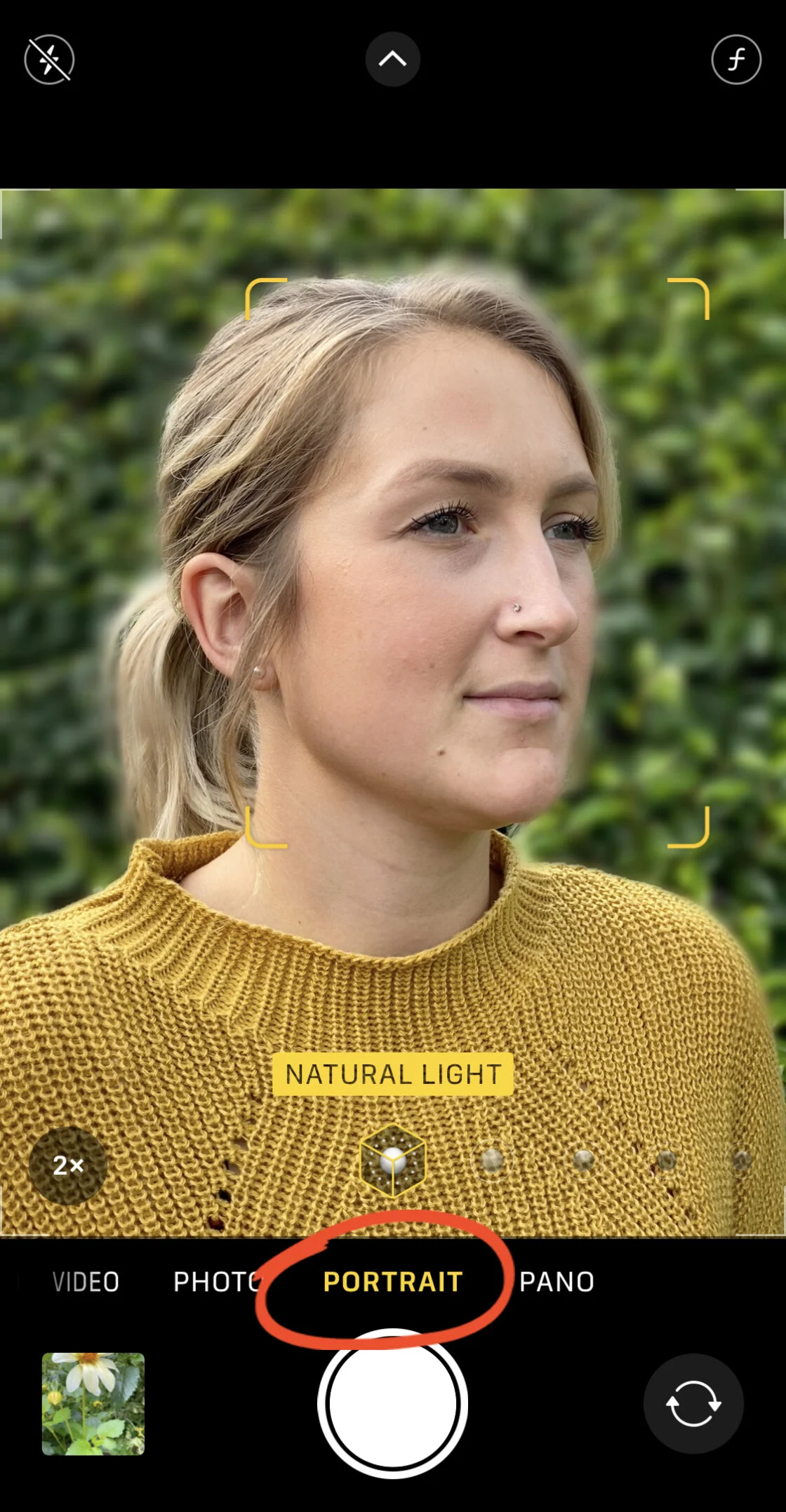
The democratization of street photography via the iPhone has created a global archive of urban life that is unprecedented in its scale and diversity. As AI-driven computational photography continues to evolve, the gap between smartphone sensors and traditional full-frame cameras continues to narrow. Features like "Action Mode" for stabilization and "Portrait Mode" for artificial depth-of-field are already being adapted for street use.
Ultimately, the success of a black and white street photo on an iPhone does not depend on the hardware alone, but on the photographer’s ability to see the underlying structure of the world. By mastering these eight techniques, practitioners can move beyond simple snapshots and contribute to the rich tradition of monochrome street photography, capturing the timeless essence of the city with the most accessible tool in history. The future of the medium lies in the intersection of high-tech algorithms and classic compositional discipline, proving that the best camera is indeed the one that is always with you.