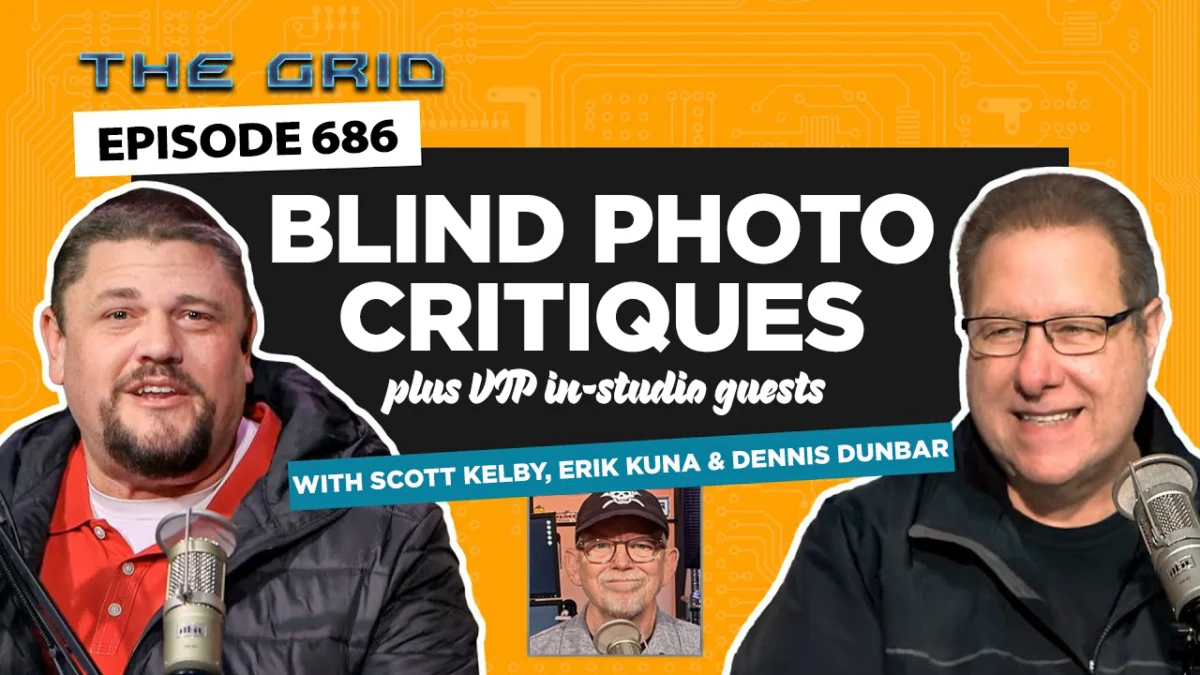
The latest installment of The Grid, a cornerstone program for photography enthusiasts and professionals alike, delivered an exceptionally dynamic and insightful episode this week, marking a significant highlight of the annual KelbyOne VIP Summit. Titled "Blind Photo Critiques with Scott Kelby, Erik Kuna, & Dennis Dunbar," the episode convened its usual hosts, Scott Kelby and Erik Kuna, with a distinguished guest: Dennis Dunbar, a renowned compositing wizard whose prolific work has shaped the visual landscape of Hollywood movie posters for decades. The unique live broadcast, presented before a packed audience of KelbyOne VIP members, transformed the standard critique format into an engaging masterclass on photographic excellence and common pitfalls, punctuated by a novel "sell your gear" buzzer that introduced a fresh layer of candid assessment.
The Grid: A Nexus of Photographic Education
The Grid has established itself as a pivotal weekly broadcast within the photographic community, hosted by two of the industry’s most respected figures. Scott Kelby, the CEO of KelbyOne, is an internationally recognized author, publisher, and educator in digital photography and Photoshop. His extensive bibliography includes numerous best-selling books, making complex technical subjects accessible to millions. Kelby’s approach is characterized by practical, actionable advice, often delivered with his signature humor and directness. Erik Kuna, a celebrated photographer, educator, and co-host, brings a complementary skill set, particularly noted for his expertise in landscape, astrophotography, and live event coverage. Together, they form a formidable duo whose combined experience and engaging banter have cultivated a loyal global audience, tuning in weekly for insights into photography techniques, gear reviews, industry news, and the ever-popular photo critiques. The program’s success lies in its ability to blend high-level professional advice with a relatable, community-oriented atmosphere, fostering continuous learning among its viewers.
The KelbyOne VIP Summit: An Annual Gathering of Excellence
The setting for this particular episode amplified its significance. The KelbyOne VIP Summit is an exclusive annual event designed for the most dedicated members of the KelbyOne community. This summit offers an immersive experience, providing attendees with unparalleled access to top instructors, advanced workshops, networking opportunities, and often, live recordings of popular KelbyOne content. The decision to host The Grid live during the summit underscores its importance as a flagship program and offers VIP members a unique, interactive experience. The energy of a live audience, composed of passionate photographers eager to learn and participate, undoubtedly contributed to the episode’s vibrant atmosphere and the unfiltered authenticity of the critiques. Such events serve not only as educational platforms but also as crucial community-building initiatives, strengthening the bonds among photographers and educators who share a common pursuit of artistic and technical mastery.
Dennis Dunbar: The Art of Visual Storytelling in Hollywood
The presence of Dennis Dunbar as a guest elevated the episode beyond a typical critique. Dunbar is a legend in the field of compositing, a highly specialized discipline within graphic design and digital imaging that involves combining multiple images into a single, seamless visual. His career has been instrumental in crafting the iconic promotional imagery for countless Hollywood blockbusters. Movie poster compositing is an art form that demands not only exceptional technical proficiency in software like Adobe Photoshop but also a profound understanding of visual storytelling, mood creation, and commercial appeal. Dunbar’s work involves meticulously blending elements – actors, fantastical creatures, elaborate sets, special effects – to create a single, compelling image that encapsulates the essence of a film and entices audiences. His contributions have helped define the visual language of modern cinematic marketing, making him an invaluable authority on visual impact, composition, and the subtle nuances that transform a good image into a captivating one. His insights, drawn from decades of high-stakes commercial work, offered a rare glimpse into the exacting standards and creative processes behind some of the most recognizable images in popular culture.
The Blind Photo Critique with a "Sell Your Gear" Twist
The core of the episode revolved around The Grid‘s signature Blind Photo Critique segment, renowned for its honest and constructive feedback. In this format, photographs submitted by viewers are presented anonymously, allowing the panel to evaluate the images solely on their merit, free from preconceptions about the photographer or their equipment. This method promotes objective analysis and encourages viewers to focus on fundamental photographic principles.
This particular episode, however, introduced an innovative and humorous twist: a "sell your gear" buzzer. While designed to elicit laughs, the buzzer served a deeper pedagogical purpose. It was deployed for images that, in the panel’s frank assessment, exhibited fundamental flaws so pronounced that they overshadowed any potential artistic merit. This extreme feedback, delivered in a lighthearted manner, underscored the importance of mastering basic technical skills before aspiring to advanced creative expression. It was a playful yet potent reminder that even the most expensive equipment cannot compensate for a lack of understanding in areas such as exposure, composition, or lighting.
Throughout the critique, the panel addressed several recurring issues that plague many photographers, regardless of experience level:
- White Balance Drama: Incorrect white balance can drastically alter the mood and accuracy of colors in an image, making skin tones appear unnatural or environments feel alien. The critiques highlighted instances where automatic white balance failed, or photographers neglected to adjust it manually, resulting in distracting color casts. The discussion emphasized the critical role of accurate white balance in conveying the intended visual message and maintaining photographic fidelity.
- Reflector Mishaps: Reflectors are invaluable tools for manipulating light, especially in portraiture, to fill shadows or add catchlights to eyes. However, their improper use—such as positioning them incorrectly, using the wrong surface (e.g., silver instead of white for softer light), or allowing them to create harsh, unnatural highlights—can detract significantly from an image. The panel provided guidance on the subtle art of reflector placement and selection, stressing that effective light modification requires both technical knowledge and an artistic eye.
- Harsh Midday Light Struggles: Shooting in direct midday sun presents one of the most challenging lighting scenarios for photographers due to intense contrasts, deep shadows, and blown-out highlights. Many submitted images demonstrated these struggles, featuring squinting subjects, unflattering shadows, or washed-out colors. The experts discussed strategies for mitigating these challenges, such as seeking open shade, using diffusers, or intentionally incorporating harsh light for specific dramatic effects, underscoring that understanding light is paramount to successful photography.
Despite these common pitfalls, the episode also celebrated images that genuinely stood out. These examples served as powerful illustrations of how thoughtful composition, masterful light control, and compelling subject matter can coalesce to create truly impactful photographs. The juxtaposition of critiques, from the "sell your gear" buzzer to high praise, offered a comprehensive learning experience, demonstrating both what to avoid and what to strive for.
Erik Kuna’s Insight: The Artemis Mission and Beyond
Adding another layer of fascination to the broadcast, Erik Kuna shared a selection of incredible astronaut photos from the Artemis mission. The Artemis program, spearheaded by NASA, represents humanity’s ambitious endeavor to return humans to the Moon, establish a sustainable lunar presence, and pave the way for future missions to Mars. The photographs captured by astronauts involved in such missions are more than just scientific documentation; they are breathtaking visual testaments to human exploration, engineering marvels, and the sublime beauty of space.
Kuna’s segment provided a seriously cool perspective, bridging the gap between terrestrial photography and the extraordinary challenges of imaging in an extraterrestrial environment. It offered a moment to reflect on the broader context of photography as a tool for discovery, historical record, and inspiration. The technical and artistic considerations involved in capturing images from space—dealing with extreme lighting conditions, vast distances, and the unique vantage point of orbit—provided a stark contrast to the everyday critiques but ultimately reinforced universal photographic principles like composition, light, and storytelling. This interlude underscored the boundless applications of photography and its capacity to bring distant realities closer to home.
The Pedagogical Impact: Unfiltered, Fast-Paced, and Full of Real-World Takeaways
The episode’s success stemmed from its commitment to being "unfiltered, fast-paced, and full of real-world takeaways." This direct approach is a hallmark of The Grid and a key reason for its popularity. In an era saturated with curated, often overly polished content, the raw honesty of a live critique resonates deeply. The hosts and guest did not shy away from providing blunt assessments, but always within a framework of constructive criticism aimed at improvement. This directness is invaluable for learners who often benefit more from clear, unequivocal feedback than from overly gentle suggestions.
The format encouraged immediate self-reflection among viewers. The numerous "yep, I’ve done that" moments highlighted the universality of photographic struggles. This relatability is crucial; it normalizes mistakes and fosters a sense of camaraderie, reassuring aspiring photographers that errors are a natural part of the learning process. By openly discussing these common errors, the episode demystified complex photographic concepts and provided practical solutions that viewers could immediately apply to their own work. The emphasis on learning from both "hits (and misses)" reinforced the idea that every image, regardless of its outcome, offers an opportunity for growth.
Broader Implications for the Photography Community
This episode of The Grid served as a microcosm of the broader impact that platforms like KelbyOne have on the photography community. It demonstrated the power of expert-led education, the value of peer feedback, and the importance of continuous learning. In a rapidly evolving field driven by technological advancements, access to high-quality, relevant instruction is more critical than ever. KelbyOne’s model, which combines comprehensive online resources with engaging live events and broadcasts, empowers photographers of all levels to refine their skills, explore new techniques, and stay abreast of industry trends.
The blend of entertainment and education, exemplified by the "sell your gear" buzzer and Erik’s space photography segment, ensures that learning remains engaging and accessible. By fostering a vibrant community where sharing, critiquing, and celebrating photography are encouraged, programs like The Grid play a vital role in nurturing the next generation of visual artists and technicians. The ultimate implication is a more informed, more skilled, and more connected global photography community, continually striving for excellence and pushing the boundaries of visual expression.
In conclusion, The Grid‘s latest episode, enriched by the insights of Dennis Dunbar and the dynamic energy of the KelbyOne VIP Summit, transcended a mere photo critique. It delivered a comprehensive educational experience, blending practical advice, industry wisdom, and inspiring perspectives, solidifying its position as an indispensable resource for anyone passionate about photography. The honest feedback, combined with moments of humor and awe, ensured that the lessons learned from the hits and misses would resonate long after the final frame.