The photographic and videographic equipment industry continues to evolve at a rapid pace, with shifting consumer preferences and technological advancements dictating market dynamics. A recent data release from Lensrentals, dated December 31, 2025, provides a comprehensive look into customer purchasing habits for the year, offering a critical complement to its previously published rental data. While Lensrentals primarily operates as a rental service, its "Keeper program" – allowing customers to purchase rented gear with a refund of rental costs under specific terms – offers a unique window into long-term equipment acquisition trends. This analysis, spanning 2023 through 2025, reveals established leaders, surprising climbers, and notable shifts in market share by revenue, painting a detailed picture of where professionals and enthusiasts are choosing to invest their capital.
Complementary Purchases Drive Transaction Volume
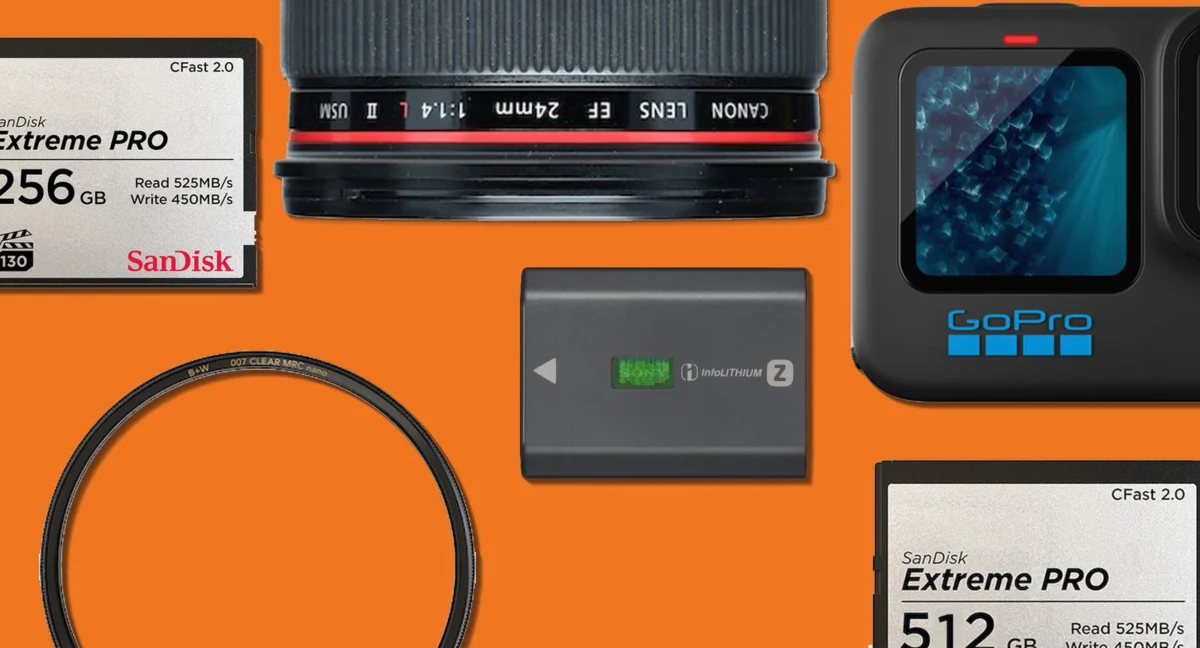
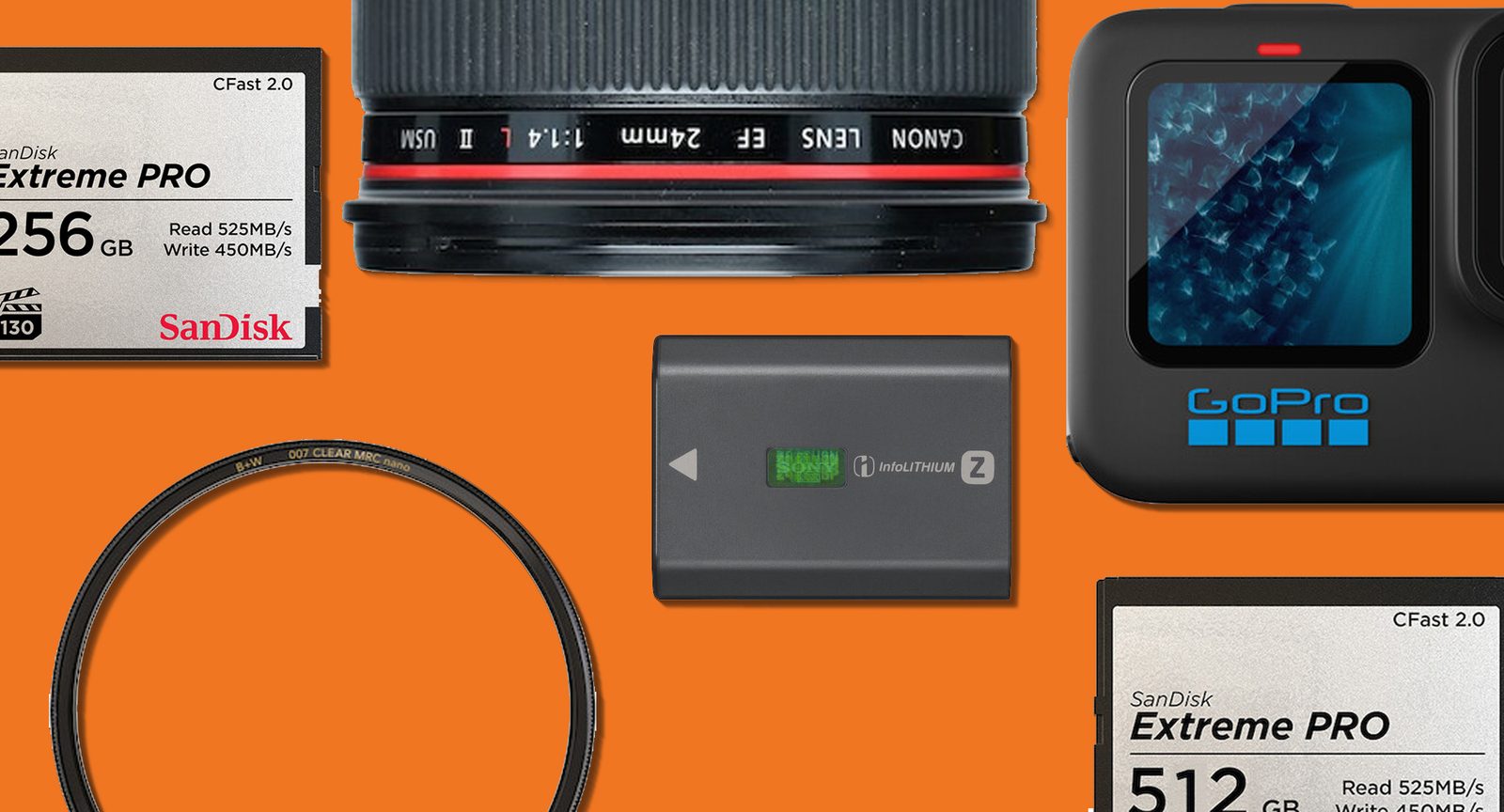
While high-value camera bodies and lenses often capture industry headlines, the raw quantity of transactions at Lensrentals reveals a more practical side of equipment acquisition. The majority of most common purchases are not primary imaging devices but rather essential complementary products. Items such as CFast cards, camera batteries, and UV filters consistently lead in sales volume. This trend underscores the critical role of accessories in any professional or serious amateur’s workflow.
CFast cards, vital for high-bitrate video recording and rapid-fire photography, are consumable items subject to wear and tear, and often, professionals require multiple units for extended shoots. Purchasing them, especially after testing compatibility and performance through a rental, offers convenience and ensures reliability. Similarly, camera batteries are indispensable, with professionals frequently needing spares to power through long days on set or location. The convenience of acquiring additional batteries through Lensrentals, particularly if a rented camera body proves to be a long-term fit, streamlines logistical challenges. UV filters, while often seen as protective elements, are also considered expendable accessories, guarding expensive lenses against dust, scratches, and accidental impact. Their relatively low cost and high utility make them ideal candidates for outright purchase, often alongside a newly acquired lens. This pattern suggests that customers leverage the rental experience to thoroughly vet primary equipment, then opt to purchase the necessary, smaller ancillary items that complete their kit and ensure operational readiness.
The Enduring Appeal of Legacy Glass: Canon EF 24-70mm f/2.8L II
Beyond the high-volume accessory market, the analysis highlights a significant trend in high-value item purchases. The Canon EF 24-70mm f/2.8L II emerges as the most-purchased high-value item, an impressive feat given its status as an EF-mount lens in an era increasingly dominated by mirrorless systems and their native RF-mount counterparts. This lens has long been a workhorse for professional photographers and videographers, renowned for its exceptional optical quality, robust build, and versatile focal range, making it suitable for a vast array of applications from photojournalism to event coverage and studio work.
The continued popularity of the EF 24-70mm f/2.8L II for purchase can be attributed to several factors. Firstly, its consistent ranking as one of the most rented lenses indicates its widespread utility and trust among the user base. Renters, having experienced its performance firsthand, are evidently confident in its long-term value. Secondly, Canon’s strategic pivot towards its RF lens lineup for its mirrorless EOS R system has inadvertently created a robust secondary market for EF lenses. As Canon emphasizes its newer mirrorless ecosystem, the pricing of its older, yet still highly capable, EF lenses has become increasingly attractive. This dynamic positions the EF 24-70mm f/2.8L II as a "great bargain for high-quality glass," offering professional-grade performance at a more accessible price point than comparable native mirrorless options. Many professionals, especially those with existing Canon DSLR bodies or those utilizing adapters on mirrorless systems, find this lens to be a cost-effective and high-performing addition to their permanent kit. Its purchase signifies a continued investment in a proven optical standard, demonstrating that raw performance and value can sometimes outweigh the allure of the absolute latest technology.
Brand Market Share: A Shifting Landscape
The brand purchase market share by revenue for 2025 presents a fascinating narrative of continuity and disruption within the photography and videography industries. Analyzing data across 2023, 2024, and 2025 reveals distinct trajectories for key players.
| Brand | 2023 Market Share | 2024 Market Share | 2025 Market Share |
|---|---|---|---|
| Canon | 28.43% | 22.99% | 23.55% |
| Sony | 28.83% | 21.60% | 16.60% |
| DJI | 7.22% | 10.04% | 9.95% |
| Nikon | 3.93% | 4.69% | 4.90% |
| Blackmagic | 2.41% | 2.58% | 3.43% |
| Leica | 1.63% | 2.39% | 3.25% |
| Fuji | 1.29% | 2.80% | 3.24% |
| Aputure | 2.38% | 2.33% | 3.01% |
| SmallHD | 1.58% | 2.32% | 2.83% |
| Panasonic | 2.05% | 2.20% | 2.76% |
| Sigma | 3.09% | 2.50% | 2.42% |
| Teradek | 1.02% | 0.92% | 2.83% |
Canon’s Enduring Hegemony
Canon remains the undisputed leader in purchase market share for 2025, capturing 23.55% of the revenue. While experiencing a dip from its 2023 high of 28.43% to 22.99% in 2024, the brand showed a slight recovery in 2025. This consistent top-tier performance aligns with its historical dominance in both the DSLR and, more recently, the mirrorless segments. Industry observers suggest that Canon’s extensive professional ecosystem, coupled with a loyal user base and a broad range of high-quality lenses and accessories, contributes significantly to its enduring appeal for outright purchase. The aforementioned popularity of legacy EF glass, combined with growing adoption of its RF mirrorless systems, ensures Canon’s continued strong showing in the market. Its established reputation for reliability and robust service infrastructure further solidifies its position as a go-to brand for long-term investment.
Sony’s Significant Retreat
In stark contrast to Canon’s stability, Sony experienced a notable contraction in its purchase market share. After leading slightly in 2023 with 28.83%, its share dropped to 21.60% in 2024 and further plummeted to 16.60% in 2025 – a substantial 5% decline in just one year. This trend is particularly intriguing given Sony’s aggressive innovation and strong performance in the mirrorless camera market over the past decade.
Several factors could contribute to this shift. One hypothesis is that Sony’s rapid release cycle of cutting-edge, high-priced mirrorless cameras and lenses might encourage more users to rent these advanced tools rather than commit to immediate purchase. The high cost of entry for new Sony Alpha bodies and G Master lenses could lead professionals to "try before they buy" via rentals, with fewer ultimately converting to purchase, especially if their needs are project-specific or if they are waiting for subsequent generations. Additionally, increased competition from Canon and Nikon in the full-frame mirrorless space, offering compelling alternatives, might be diluting Sony’s purchasing customer base. Another potential factor could be market saturation among early adopters, meaning a slower growth rate for new purchases as existing users are content with their current, relatively recent, Sony gear. The decline suggests a potential recalibration of market demand for permanent Sony acquisitions, perhaps indicating a maturation of the mirrorless market where initial rapid adoption gives way to more measured, long-term purchasing decisions.
DJI’s Ascendancy: A New Market Force
Perhaps the most surprising revelation from the 2025 data is DJI’s ascent to the third-most-popular customer purchase brand, surpassing traditional camera giants like Nikon and Fujifilm, and all other common camera and lens brands. DJI, primarily known for its drones, has strategically diversified its product portfolio to include gimbals (Ronin series), action cameras (Osmo series), and professional cinema cameras (e.g., Ronin 4D). This expansion has resonated strongly with content creators and filmmakers.
DJI’s market share grew from 7.22% in 2023 to 10.04% in 2024, settling at a robust 9.95% in 2025. The nature of DJI’s products, often more accessible in price than high-end cameras and lenses, and designed for specific creative applications (aerial cinematography, stabilized handheld footage), makes them attractive for outright purchase. Many creators integrate DJI gimbals or action cameras into their permanent kit for frequent use, finding the cost-effectiveness and specialized functionality ideal for their workflow. The data suggests a growing segment of professionals and enthusiasts who prioritize stabilized movement and aerial perspectives, viewing DJI equipment as indispensable tools rather than occasional rentals. This trend highlights the broadening definition of "photography and videography gear" to include advanced stabilization and aerial platforms as core components of a modern production kit.
Steady Growth and Niche Dominance
Beyond the top three, other brands demonstrated notable trends:
- Nikon showed consistent, albeit modest, growth from 3.93% in 2023 to 4.90% in 2025. This indicates a steady rebuilding of market share following its transition to the Z-mount mirrorless system, with increasing customer confidence in its new ecosystem.
- Blackmagic Design experienced a healthy increase from 2.41% to 3.43%. Known for its cost-effective yet powerful cinema cameras and video production tools, Blackmagic’s growth points to the continued strength of the independent filmmaking sector and the demand for high-quality, budget-friendly cinematic solutions.
- Leica also saw significant growth, from 1.63% to 3.25%. While a premium brand with a niche market, its upward trajectory suggests a consistent demand for its high-end optics and camera bodies, appealing to discerning professionals and collectors.
- Fujifilm similarly expanded its share from 1.29% to 3.24%, reflecting the increasing popularity of its APS-C and medium format mirrorless systems, which are favored for their unique color science, retro aesthetics, and robust build quality.
- Brands like Aputure (lighting, 2.38% to 3.01%) and SmallHD (monitors, 1.58% to 2.83%) demonstrated solid growth, underscoring the increasing professionalization of lighting and monitoring solutions on set. This indicates that filmmakers and videographers are investing more in these critical support systems.
- Panasonic maintained a stable presence, growing from 2.05% to 2.76%, reflecting continued loyalty among M4/3 and full-frame L-mount users, particularly in video-centric applications.
- Sigma, a leading third-party lens manufacturer, saw a slight decline from 3.09% to 2.42%. While still a strong player, this might indicate increased competition from first-party offerings or a shifting preference for other third-party options.
- Teradek showed the most dramatic proportional growth, rocketing from 1.02% to 2.83% in 2025. This surge is particularly noteworthy and points to a significant industry trend.
The Rise of Wireless Connectivity: Teradek’s Dominance in New Purchases
The final piece of compelling data from Lensrentals’ 2025 purchase report focuses on the most common purchases of gear that entered inventory during that year. Topping this list is the Teradek 6G V Antenna, closely followed by the Teradek Wireless Antenna for Bolt 500/1000, which also ranks second among all overall popular purchases.
This singular focus on wireless video transmission components underscores a critical, accelerating trend in film and video production: the imperative for fast, reliable wireless transfer on set. The demand for Teradek antennas, both new and as overall top purchases, signals a widespread adoption and expansion of wireless workflows. Modern film sets, from independent productions to large-scale blockbusters, increasingly rely on wireless video systems to provide real-time monitoring for directors, cinematographers, focus pullers, and other crew members. This enhances efficiency, improves mobility, and facilitates remote collaboration.
The purchase of individual antennas, rather than complete wireless systems, suggests that many professionals are either expanding existing Teradek setups, replacing damaged antennas, or upgrading components to achieve better range and reliability. It also implies a strong existing base of Teradek users who are committed to the ecosystem. The 6G V Antenna, likely an enhancement over previous generations, indicates a drive towards even more robust and future-proof wireless solutions. This trend is not merely a convenience; it’s becoming a fundamental requirement for agile and efficient production environments, allowing for greater creative freedom and streamlined operations. The significant investment in these components highlights a broader industry shift where wireless connectivity is no longer a luxury but an essential, frequently purchased, piece of equipment.
Broader Industry Implications and Future Outlook
The 2025 purchase data from Lensrentals offers a nuanced perspective on the current state and future trajectory of the photography and videography equipment market. The consistent strength of Canon, despite market shifts, speaks to the power of established ecosystems and brand loyalty. Sony’s recent decline in purchase market share, while potentially a short-term anomaly, suggests that even market innovators face challenges in converting rental popularity into long-term ownership, especially for high-value items in a rapidly evolving tech landscape.
The meteoric rise of DJI underscores the broadening scope of "essential gear," with drones, gimbals, and stabilization tools becoming integral parts of many creative workflows, driving substantial outright purchases. Meanwhile, the steady growth of niche players like Blackmagic, Fujifilm, and Leica, alongside the increasing investment in accessories and specialized tools like Aputure lighting and SmallHD monitors, highlights a diverse and increasingly specialized market.
Perhaps the most significant takeaway is the palpable shift towards enhanced efficiency and mobility on set, exemplified by the overwhelming demand for Teradek’s wireless transmission components. This indicates that professionals are prioritizing seamless workflows and collaborative capabilities, understanding that investment in these supportive technologies directly translates to improved productivity and creative output.
As the industry moves forward, the interplay between rental and purchase markets will continue to provide valuable insights. Rental data often serves as a barometer for interest in new, high-cost, or specialized equipment, while purchase data reflects the long-term commitments and foundational investments made by professionals and serious enthusiasts. The trends observed in 2025 indicate a dynamic market that values both proven performance and innovative solutions, with a clear emphasis on building comprehensive and efficient production kits tailored to evolving creative demands. Happy New Year to all creators, as the landscape continues to offer new tools and opportunities for capturing compelling visuals.