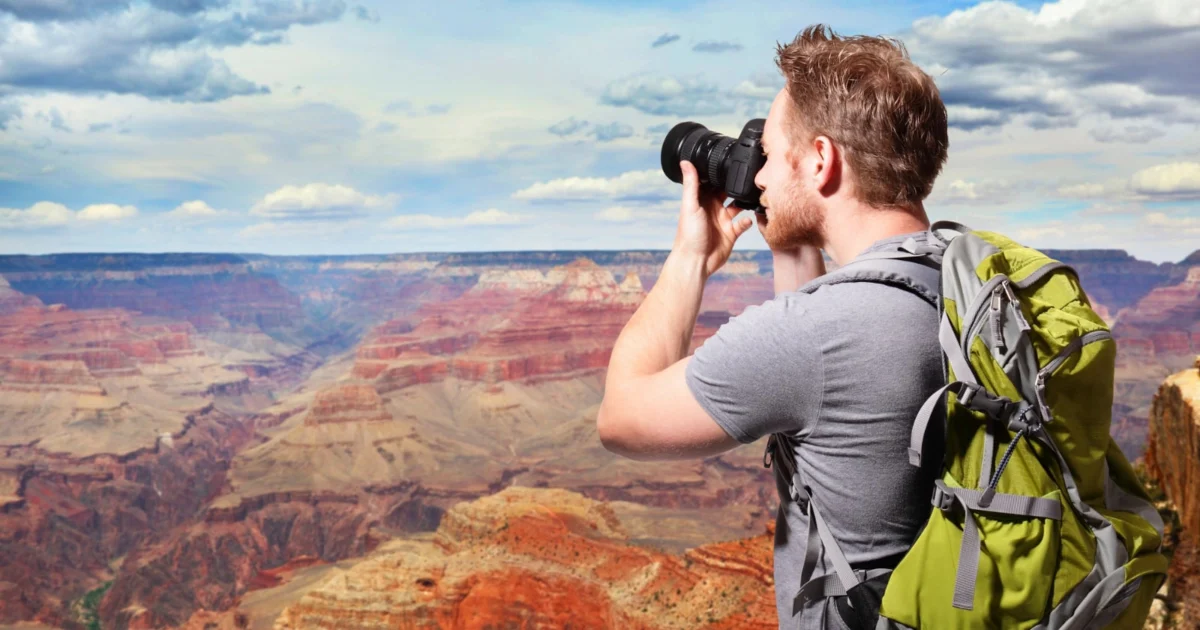
A comprehensive new report has definitively revealed the Grand Canyon National Park as the most frequently photographed U.S. national park in 2025, topping a list that highlights America’s most visually compelling natural wonders. The findings, derived from an extensive analysis of millions of customer photos uploaded to the photo curation application Popsa, offer a unique, first-person perspective into where visitors are most inspired to capture their experiences. This innovative methodology provides a robust counterpoint to traditional popularity metrics, focusing instead on the tangible act of photography as a testament to natural allure.
Unveiling the Methodology: A Deep Dive into Real Memories
The report, titled "Most Photographed National Parks in the US," by Popsa, a leading photo curation app, represents a significant departure from conventional surveys or social media trend analyses. Instead of relying on hashtags, search queries, or self-reported preferences, researchers at Popsa meticulously analyzed metadata from an immense volume of customer photos uploaded to their platform throughout 2025. This proprietary dataset, comprising millions of personal images, provided an unprecedented window into genuine visitor engagement with America’s cherished natural landscapes.
Each of the 63 U.S. national parks was assigned a "Photo Index Score" by Popsa. This score was calculated based on the relative number of photos attributed to each park. The park with the highest absolute number of photographs received a perfect score of 100, establishing the benchmark against which all other parks were proportionally ranked. This method ensures that the rankings are a direct reflection of photographic activity, capturing what Liam Houghton, CEO of Popsa, describes as "real memories, not surveys or search trends." Houghton emphasized that the study offers "a genuine, first-person view of where travellers feel most inspired to capture the moment," providing "a rare, human lens on how we experience the world – straight from camera rolls, not curated feeds." This approach inherently filters out promotional content or aspirational posts, focusing solely on the actual photographic output of park visitors. The metadata examined typically includes geographical coordinates, timestamps, and sometimes even camera model information, allowing for a precise attribution of photos to specific locations and times.
The Grand Canyon’s Unrivaled Photographic Majesty
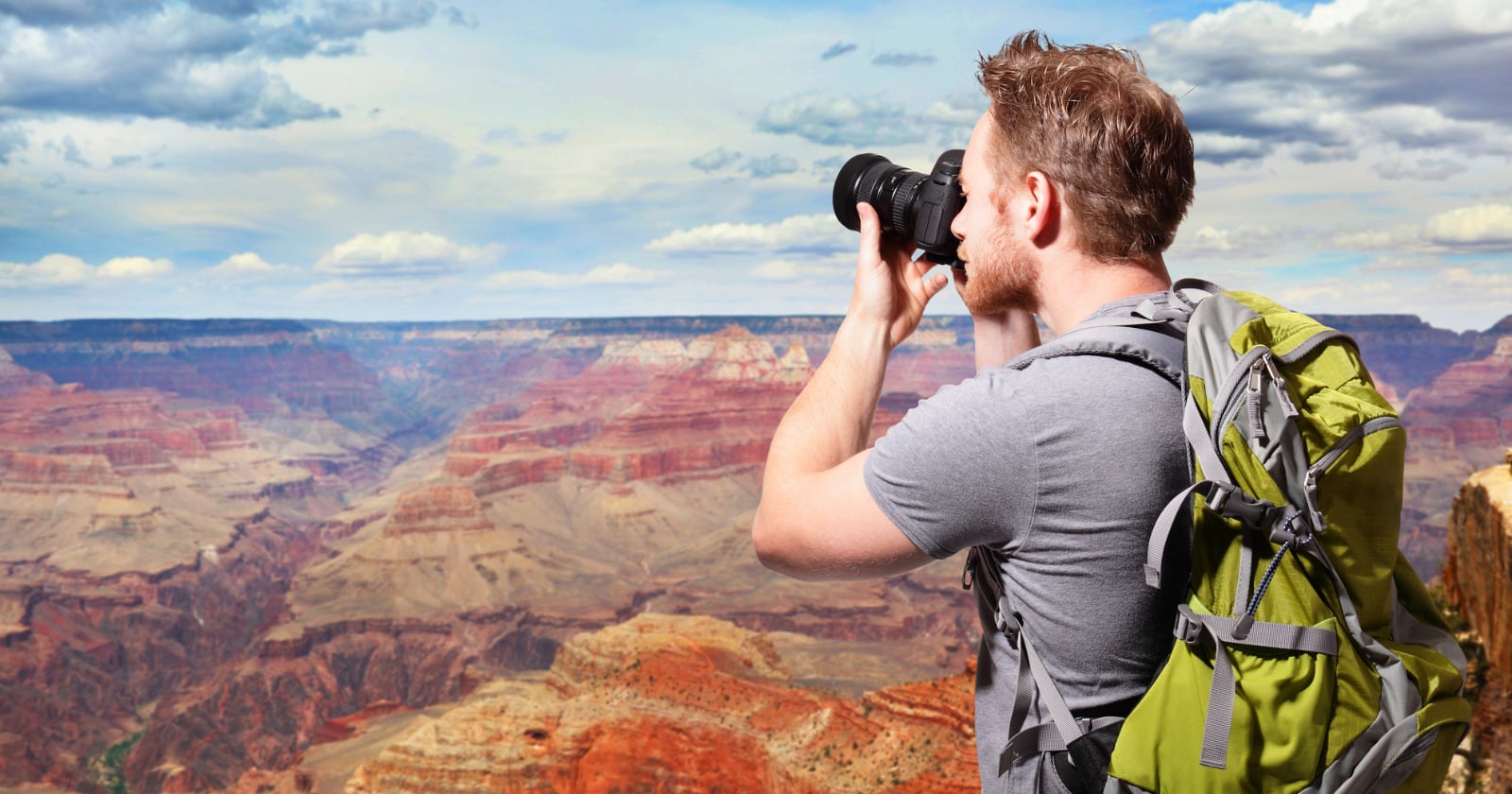
Securing the top position, Grand Canyon National Park achieved a Photo Index Score of 100, signifying its status as the photographic epicenter of the U.S. national park system. The park alone accounted for a substantial 11.32% of all national park photos analyzed in the study. This overwhelming photographic output is hardly surprising, given the canyon’s globally recognized status as one of Earth’s most breathtaking natural landmarks. Attracting up to five million visitors annually, the Grand Canyon’s immense scale and geological grandeur consistently compel individuals to reach for their cameras.
Stretching an awe-inspiring 277 miles along the Colorado River in Arizona, with depths exceeding a mile in certain sections, the canyon presents an ever-changing spectacle of light, shadow, and color. Popular viewing areas such as Hopi Point, offering panoramic sunrise and sunset vistas, and Mather Point, known for its easily accessible and expansive views, were identified as among its most photographed locations. These vantage points provide sweeping perspectives of the layered rock formations, carved over millions of years, that tell a profound geological story. The interplay of sunlight on the canyon walls throughout the day, coupled with the sheer immensity of the chasm, creates an endless array of photographic opportunities, from wide-angle landscapes to intricate detail shots of geological strata. The park’s iconic status, cemented by generations of photographers and artists, continues to draw millions who seek to capture its timeless beauty.
Yellowstone: A Geothermal Wonderland and Wildlife Haven
In a close second, Yellowstone National Park earned a Photo Index Score of 94, representing 10.63% of all national park photos captured. As the world’s first designated national park, established in 1872, Yellowstone holds a special place in the history of conservation and continues to captivate photographers with its unique blend of geothermal activity and abundant wildlife. Spanning nearly 3,500 square miles across Wyoming, Montana, and Idaho, the park is a hotbed of natural phenomena that are inherently photogenic.
Its famed geothermal features, including the vivid turquoise and orange hues of Grand Prismatic Spring, the dramatic eruptions of Old Faithful geyser, and the bubbling mud pots, appeared frequently in visitors’ photos. These dynamic landscapes offer a constantly evolving visual spectacle, challenging photographers to capture their ephemeral beauty. Beyond its thermal wonders, Yellowstone’s diverse ecosystems support a rich array of wildlife. The Lamar Valley, often referred to as "America’s Serengeti," is particularly renowned for its opportunities to photograph bison, elk, wolves, and bears in their natural habitat, significantly contributing to the park’s high ranking. The raw, untamed nature of Yellowstone, from its vast forests and mountains to its powerful waterfalls, provides an unparalleled canvas for both amateur and professional photographers.
Yosemite’s Iconic Granite Monuments
Yosemite National Park secured the third position with a Photo Index Score of 91, accounting for 10.27% of all national park photography analyzed. Together, the top three parks—Grand Canyon, Yellowstone, and Yosemite—collectively constituted nearly one-third of all the images included in Popsa’s extensive study, underscoring their enduring and widespread appeal. Yosemite, nestled in California’s Sierra Nevada mountains, is home to several internationally recognized landmarks that are perennial favorites among photographers.
Its towering granite monoliths, such as the formidable El Capitan and the distinctive Half Dome, dominate the landscape and provide dramatic subjects, particularly during sunrise and sunset. The park’s numerous waterfalls, including the majestic Yosemite Falls, which plummets over 2,400 feet, offer dynamic photographic opportunities, especially during the spring snowmelt. The iconic Tunnel View, a classic vista offering a panoramic perspective of El Capitan, Half Dome, and Bridalveil Fall, remains one of the most popular spots for capturing Yosemite’s grandeur. Drawing more than three million visitors last year, Yosemite’s sculpted valleys, ancient sequoia groves, and pristine wilderness continue to inspire awe and artistic expression through photography, building on a legacy popularized by pioneering photographers like Ansel Adams.
Utah: A Photographic Powerhouse State
Beyond the top three, the study highlighted a significant regional trend: Utah emerged as the leading state for national park photography, boasting five parks within the top 25 rankings – more than any other state. This impressive showing underscores the diverse and visually stunning geological formations concentrated within the Beehive State.
Zion National Park ranked fourth nationally with a Photo Index Score of 59, its towering sandstone cliffs, narrow slot canyons, and the Virgin River creating a dramatic and immersive photographic experience. Bryce Canyon National Park followed closely in fifth place with a score of 51, renowned for its unique geological structures known as hoodoos, which create an otherworldly amphitheater of spires and fins, especially striking under the golden hour light.
Further solidifying Utah’s dominance, Arches National Park secured seventh place with a score of 35, accounting for 3.96% of all national park photography. Its collection of over 2,000 natural sandstone arches, including the famous Delicate Arch, offers captivating subjects that change dramatically with the light. Canyonlands National Park, with its vast, rugged landscape carved by the Colorado and Green Rivers, placed 20th with a score of 11. Finally, Capitol Reef National Park, characterized by its unique "Waterpocket Fold" geological monocline, ranked 24th with a score of nine. The concentration of such distinct and photogenic landscapes within a single state makes Utah an unparalleled destination for landscape photographers, attracting those seeking vibrant colors, intricate rock formations, and dramatic vistas.
The Historical Arc of National Park Photography
The deep connection between photography and U.S. national parks dates back to their very inception. Early explorers and government-sponsored surveys in the 19th century relied heavily on photographers like Carleton Watkins and William Henry Jackson to document the monumental landscapes of the American West. Their stunning images of Yosemite, Yellowstone, and the Grand Canyon were instrumental in convincing Congress and the public of the need to preserve these areas, directly contributing to the establishment of the national park system. These early visual records were not merely scientific documents but powerful artistic statements that shaped public perception and appreciation for these natural treasures.
The evolution of photographic technology has continuously amplified this connection. From cumbersome large-format cameras of the 19th century to the more portable 35mm film cameras of the mid-20th century, and then the revolutionary advent of digital single-lens reflex (DSLR) cameras, each technological leap made photography more accessible to the average visitor. Today, the ubiquity of high-quality smartphone cameras has democratized photography, transforming virtually every park visitor into a potential photographer. This accessibility means that moments of inspiration are more readily captured and shared than ever before. While Popsa’s study focuses on private uploads, the broader influence of social media platforms like Instagram cannot be understated. These platforms have fostered a culture of sharing "Instagrammable" moments, further encouraging visitors to seek out iconic viewpoints and unique photographic compositions within the parks, thereby contributing to the overall volume of images captured.
Implications for Park Management and Visitor Safety
The sheer volume of photography, while a testament to the parks’ beauty, also brings forth significant challenges and implications for park management and conservation. High photographic activity often correlates directly with high visitation numbers, which can lead to issues such as overcrowding at popular viewpoints, trail erosion, and increased strain on park infrastructure. The "love it to death" paradox is a constant concern for park officials: the very beauty that draws millions of photographers and tourists can, if not managed carefully, be degraded by their collective presence.
A critical aspect highlighted by the study’s context is the issue of visitor safety. The report’s release closely follows a sobering revelation from 2024 that photography was identified as the most lethal recreational activity in Grand Canyon National Park, accounting for a significant number of fatal falls. This statistic underscores the inherent dangers that can arise when visitors prioritize capturing a dramatic shot over personal safety, often venturing off marked trails or too close to precarious edges. National Park Service officials frequently issue warnings and implement educational campaigns emphasizing responsible tourism and the "Leave No Trace" principles. These initiatives aim to balance visitor enjoyment and photographic pursuits with the imperative of protecting both the natural environment and human lives. Park rangers and interpretive staff often advise photographers to remain on designated paths, maintain a safe distance from wildlife, and avoid risky maneuvers for the sake of a photograph.
Furthermore, the data generated by studies like Popsa’s can be invaluable for park planners. Understanding which locations are most frequently photographed can inform decisions regarding trail maintenance, viewpoint accessibility, signage, and even the strategic placement of safety barriers or interpretive exhibits. It also offers insights into visitor flow patterns and potential areas of congestion, enabling proactive management strategies to disperse crowds and enhance the visitor experience while minimizing environmental impact.
The Broader Impact: Conservation, Economy, and Human Connection
The cultural and economic impacts of national park photography extend far beyond individual photo albums. The millions of images captured annually serve as a powerful testament to the enduring appeal of these protected lands, inspiring future generations to visit and cherish them. Photography acts as a crucial tool for conservation, raising awareness about the fragility and grandeur of natural ecosystems. When people share their stunning images, they implicitly advocate for the preservation of these spaces.
Economically, the popularity of national parks, driven in part by their photographic appeal, translates into substantial tourism revenue for surrounding communities. Hotels, restaurants, tour operators, and local businesses thrive on the influx of visitors, many of whom are drawn by captivating images they’ve seen online or in print. This economic benefit, when managed sustainably, can provide vital resources for local communities and support park operations.
From a sociological perspective, Popsa’s methodology offers a unique window into human connection with nature. By analyzing actual personal photos, the study captures not just a fleeting visit, but moments of genuine awe, wonder, and personal connection. These images form a collective memory, a digital archive of how individuals experience and appreciate the natural world. In an increasingly digital age, the act of photographing a natural wonder becomes a ritual, a way to internalize, remember, and share a profound experience.
Looking ahead, such data will continue to be crucial for understanding evolving visitor behaviors and preferences. As photographic technology advances and environmental conditions change, the popularity of certain parks or specific viewpoints may shift. Climate change, for instance, could alter landscapes, impacting their photographic appeal. By consistently monitoring photographic trends, organizations like Popsa provide valuable insights that can help ensure these national treasures remain protected, accessible, and inspiring for generations to come. The Grand Canyon’s top ranking in 2025 serves as a powerful reminder of the profound visual impact of America’s national parks and the deep human desire to capture and cherish their unparalleled beauty.