Following our recent exploration of the cutting-edge cameras that captured this year’s Oscar-nominated films, it becomes clear that while revolutionary optics are crucial, they represent merely a fraction of the intricate machinery that elevates a film to cinematic brilliance. The true magic often lies unseen, in the meticulous manipulation of light. This deep dive aims to illuminate the often-overlooked art of lighting, encouraging a more critical appreciation of the techniques and tools employed by master cinematographers to craft the indelible scenes gracing our screens.
The journey from a blank script to a compelling visual narrative is paved with countless artistic and technical decisions. While the camera choice is readily identifiable through technical specifications and behind-the-scenes interviews, deciphering the complex lighting schematics for individual scenes is a far more elusive endeavor. This proprietary knowledge, honed over decades of experience and artistic intuition, is precisely why acclaimed cinematographers command the significant respect and remuneration they receive. Their ability to sculpt light, evoke emotion, and guide the viewer’s eye is a testament to their profound understanding of visual storytelling. This analysis, therefore, seeks to demystify some of these masterful techniques by examining still images from popular productions and reverse-engineering their probable lighting setups.
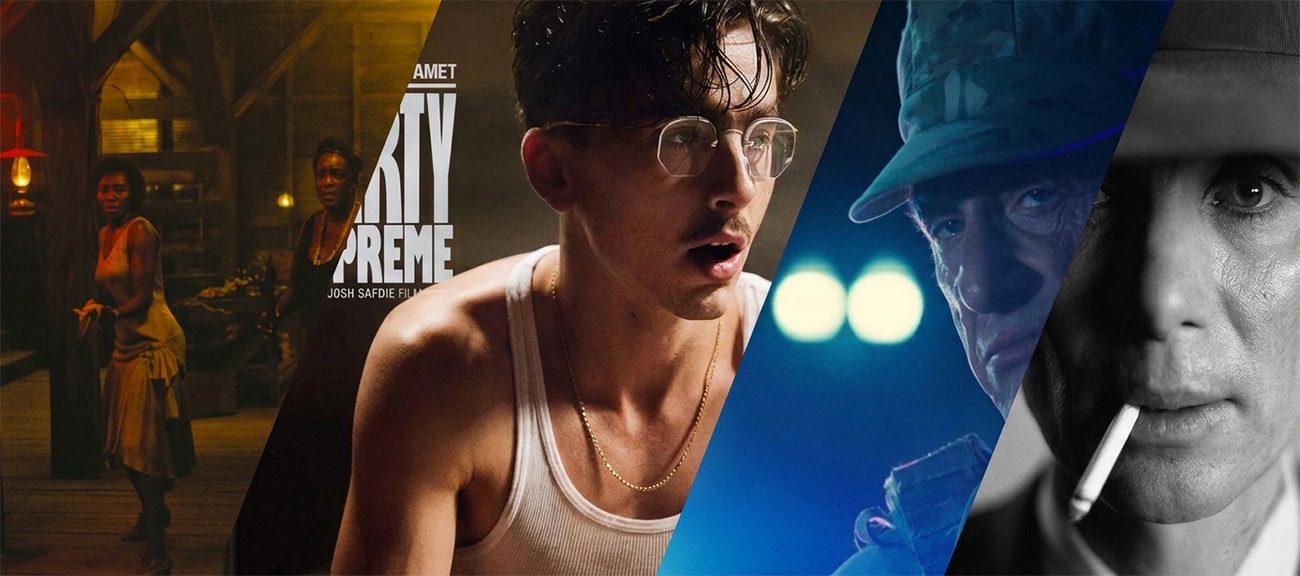
The methodology for this exercise involved using set.a.light 3D, a sophisticated yet user-friendly 3D modeling software specifically engineered for photographic and cinematic lighting design. This tool allows for the precise deduction and construction of intricate lighting diagrams for both still and moving imagery. While this piece is not a sponsored endorsement, the software’s efficacy in deconstructing and visualizing complex lighting scenarios has proven invaluable for both personal and educational pursuits. The subsequent breakdowns offer an informed interpretation of the lighting employed, based on observable visual cues. It is important to note that these interpretations are analytical exercises rather than definitive claims regarding the exact gear or setup used, serving primarily as an educational framework.
The Foundational Role of Light in Visual Storytelling
Before delving into specific examples, it’s pertinent to underscore the paramount importance of lighting in cinematography. Light is not merely about illumination; it’s a powerful narrative instrument. It shapes mood, defines character, establishes setting, and directs audience attention. A cinematographer, often referred to as a Director of Photography (DP), collaborates intimately with the film director to translate the script’s emotional and thematic core into a visual language using light and shadow. Their choices – whether to use hard light for drama, soft light for romance, or colored light for psychological impact – are deliberate and integral to the film’s overall artistic vision.
Historically, cinematic lighting has evolved from the practical constraints of early film, where natural light and large arc lamps were the primary sources, to the highly sophisticated, digitally controlled LED systems of today. This evolution has expanded the creative palette available to DPs, allowing for unprecedented control over light quality, intensity, and color. However, the fundamental principles remain: light sculpts form, creates depth, separates subjects from backgrounds, and most importantly, communicates emotion.
Case Study 1: Marty Supreme – Key Advert Image
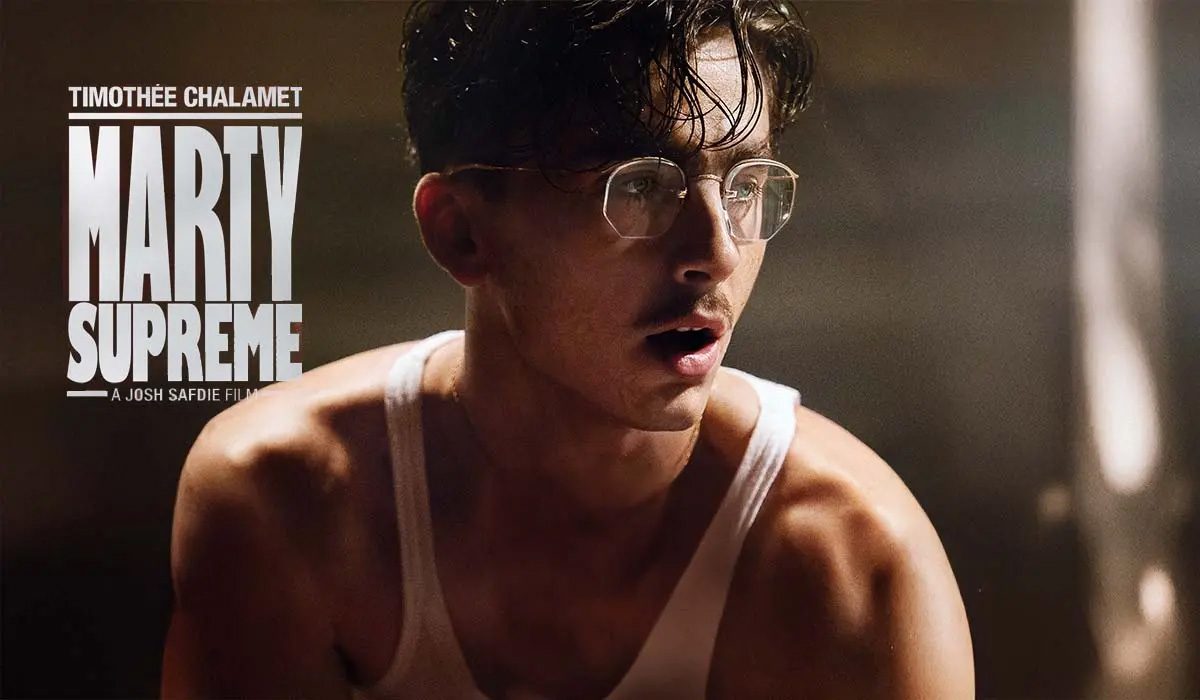
The promotional image for "Marty Supreme," a representative example of a high-impact advertising visual, demonstrates a masterful application of hard light to achieve striking definition and dramatic contrast. The sharp, well-defined specular highlights across the subject’s face and the distinct, crisp shadows cast by his nose and glasses are unequivocal indicators of hard light sources. This choice is often deliberate in advertising to create a bold, authoritative, and memorable impression.
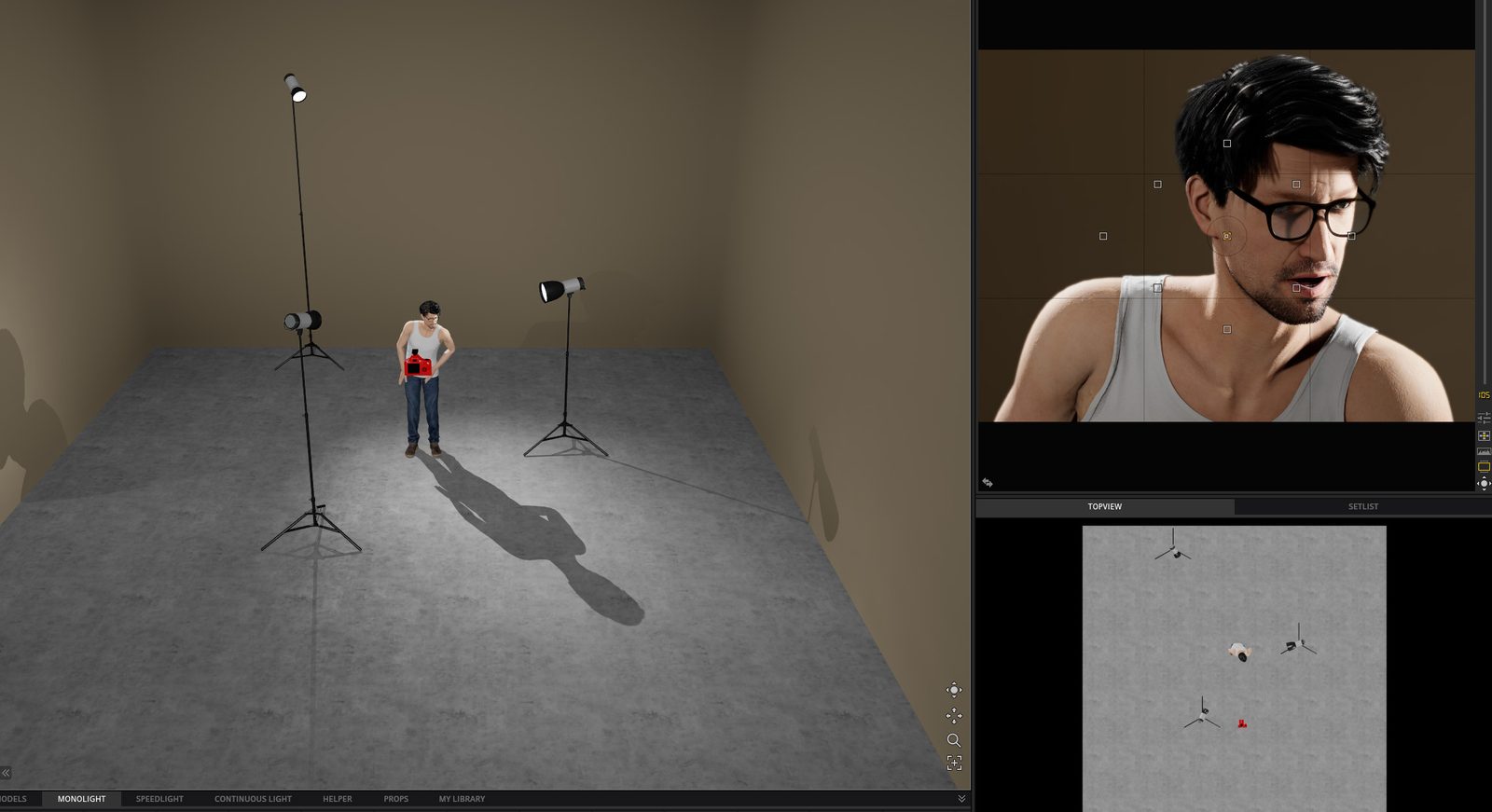
To replicate this aesthetic, a three-light setup, devoid of diffusion, was employed. The primary key light, likely positioned camera right and slightly above the subject, provides the main illumination, defining the contours of the face and creating the pronounced shadows. A gridded light, strategically placed to the subject’s right (camera left), serves as a rim light. The grid is crucial here, as it narrows the beam of light, preventing spill and allowing for precise control over the illuminated areas. This focused light accentuates the subject’s shoulders and creates a distinct highlight along the edge of his face, separating him from the background and adding depth. A similar, undiffused light on the opposite side functions as a second rim light, contributing to the stark backlighting signature seen throughout the fictional film’s promotional materials, further enhancing the subject’s silhouette. Finally, a fill light, positioned camera left, was introduced. While hard light was the dominant aesthetic, a subtle fill light is often necessary to prevent the shadow side of the face from becoming completely underexposed, ensuring that critical details and emotional nuances remain visible without sacrificing the dramatic contrast. This carefully balanced hard lighting scheme underscores the character’s intensity and creates a visually arresting image ideal for promotional impact.
Case Study 2: Sinners – Key Group Scene
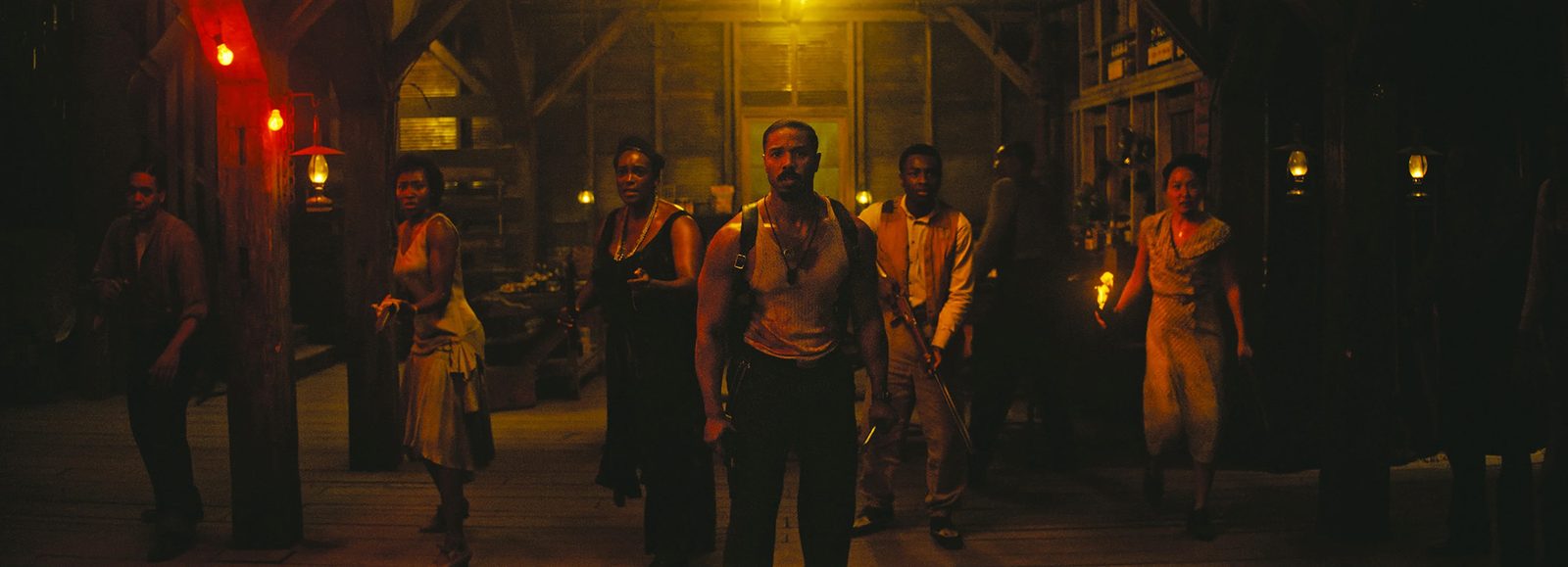
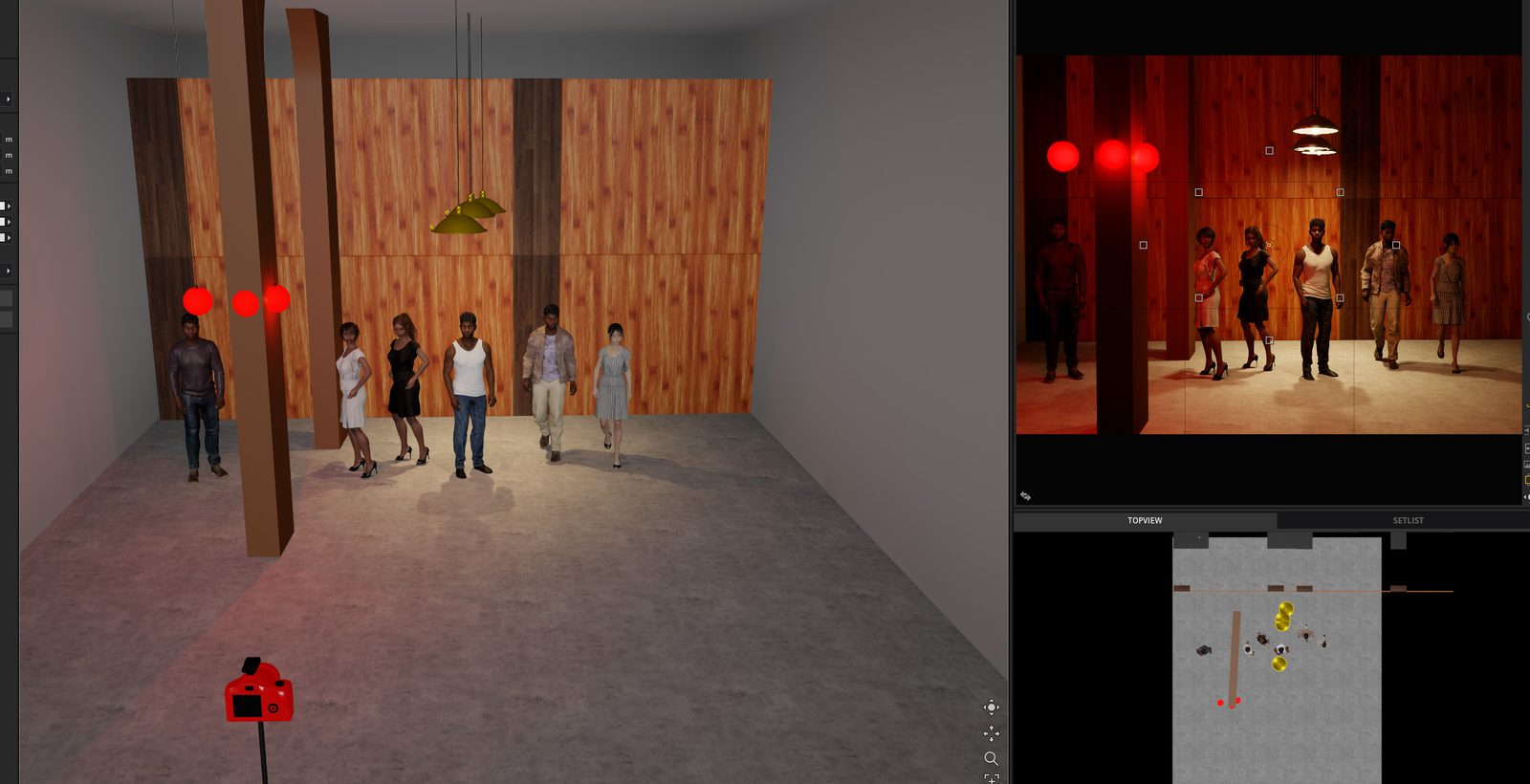
The "Sinners" key group scene, described as a "pivotal moment" within the film, exemplifies how expert cinematographers utilize multi-colored lighting to craft a potent emotional atmosphere. The scene, an interior shot, is characterized by a dramatic interplay of various fire sources and artificial red and orange bulbs, creating a palpable sense of tension and foreboding. The use of warm, intense colors like red and orange is a classic cinematic technique to convey danger, passion, or intense emotional states.
The analytical reconstruction began with modeling the architectural elements of the interior space. The structure’s design is critical, as it dictates how light interacts with the environment, creating natural shadows, reflections, and leading lines that frame the subjects. Within this simulated environment, subjects were strategically placed in a staggered pattern. This arrangement is vital for creating visual interest and contrast, allowing light to fall differently on each individual, highlighting some while partially obscuring others, thereby enhancing the scene’s dynamic composition and psychological depth.
The core of the lighting breakdown involved replicating the colored light sources. Practical fire elements within the frame were augmented by artificial lights, likely powerful LED fixtures capable of precise color control, such as the Aputure B7c or similar RGBWW LED units. These versatile lights allow DPs to match ambient color temperatures or introduce specific hues with remarkable accuracy. By carefully referencing the original scene’s lighting, these colored lights were positioned to simulate the glow of fire, casting long, flickering shadows and bathing the scene in a warm, yet ominous, palette. Adjusting the power output of each light was the final, crucial step, fine-tuning the intensity to achieve the desired balance of illumination and shadow, ultimately crafting a mood that is both visually striking and emotionally resonant. The interplay of these colored lights not only illuminates the subjects but also serves as a potent non-verbal cue, signaling the gravity and emotional weight of the scene to the audience.
Case Study 3: Oppenheimer – Hero Shot
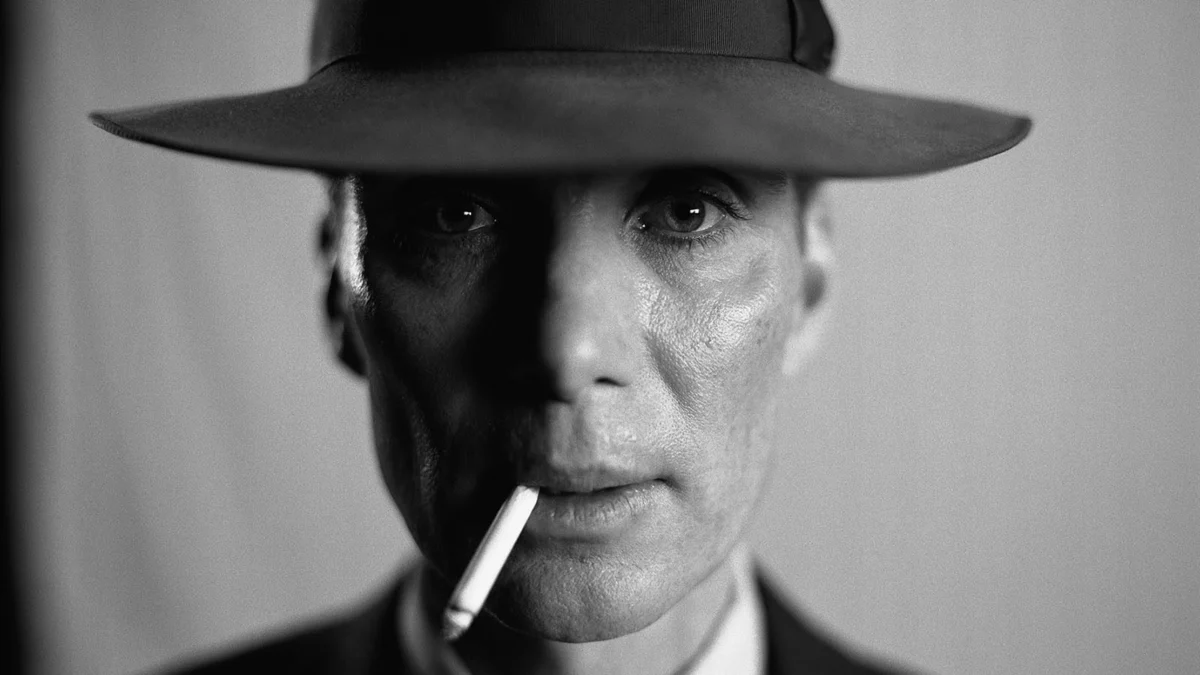
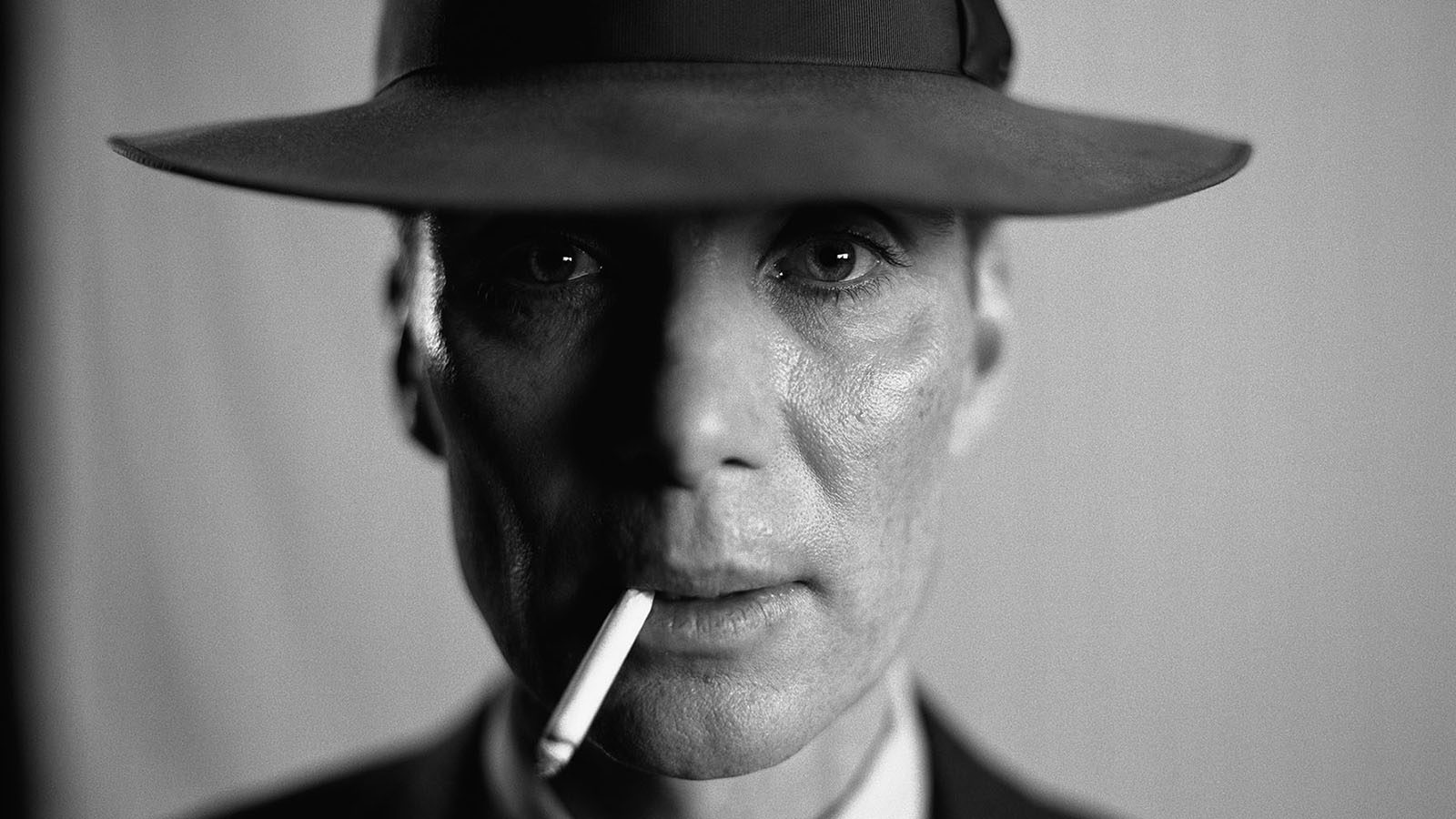
The "Hero Shot" of Cillian Murphy as J. Robert Oppenheimer, widely used in the film’s promotional campaign, stands as an iconic testament to the power of high-contrast, dramatic lighting in character portrayal. Directed by Christopher Nolan and masterfully shot by Hoyte van Hoytema (known for his distinctive, often stark, and emotionally charged cinematography), the image masterfully uses light and shadow to convey the complex inner world of its subject. The striking contrast between the intensely lit areas and the deep shadows, coupled with subtle rim lighting and piercing catchlights, imbues the portrait with profound drama and emotional depth.
The lighting recreation for this shot began with a relatively small, gridded Octobox positioned camera right. An Octobox, known for producing soft, enveloping light, was chosen for its ability to create a slightly larger, more emotive catchlight in the eyes, which is crucial for conveying the character’s intensity and internal conflict. The addition of a grid to the Octobox is a key technical decision; it restricts the spread of light, ensuring that the illumination is focused precisely on the subject and prevents unwanted spill onto the background or other areas. This controlled soft light acts as the primary key, sculpting Murphy’s face with a dramatic split-lighting effect, where one side is brightly lit and the other falls into shadow.
To further amplify the contrast and shape the shadows, a black blocking board was strategically placed close to the subject on camera left. Black flags or negative fill are indispensable tools for cinematographers, absorbing light rather than reflecting it, thereby deepening shadows and increasing contrast. This technique is particularly effective in emphasizing the dramatic quality of the split lighting. Finally, a bare light, positioned behind and to the left of the subject, provided a strong rim light. This hard backlight serves multiple purposes: it separates the subject from the background, adds a luminous edge that highlights the contours of his head and shoulders, and further contributes to the overall sense of drama and intensity that defines Oppenheimer’s character. The meticulous combination of controlled key light, negative fill, and stark rim lighting creates a portrait that is both technically brilliant and emotionally profound, encapsulating the gravitas of the film’s central figure.
Case Study 4: One Battle After Another – Lockjaw Scene
"One Battle After Another," celebrated as a Best Picture winner and lauded for its cinematography and storytelling, presented numerous opportunities for lighting analysis. While much of the film might have utilized natural light and on-location shooting to enhance its realism, its night scenes, particularly those featuring Sean Penn’s antagonist, Lockjaw, are prime examples of controlled artificial lighting designed to heighten tension and character.
The "Lockjaw Scene" reveals a clear preference for harder lights, evidenced by the sharp, defined shadows cast on Sean Penn’s face. This choice of hard light often conveys a sense of harsh reality, grittiness, or danger, aligning perfectly with the character of an antagonist. The initial step in deconstructing this scene involved establishing the dramatic rim lights on either side of the subject. Crucially, one of these rim lights was rendered with a distinct blue hue. This blue light serves as a powerful narrative element, signifying the presence of police car lights in the background, subtly informing the audience of the unfolding dramatic context without explicitly showing the vehicle. The contrast between the two rim lights – one potentially white or amber, and the other blue – adds visual complexity and dynamic tension to the shot.
After setting the rim lights, a bare, undiffused light was introduced from the front, albeit powered down significantly. This serves as a subtle fill light, preventing the shadow areas on Penn’s face from becoming absolute black, thus retaining some detail and allowing for a nuanced portrayal of the character’s expression while maintaining the overall hard light aesthetic. The undiffused nature of this light ensures that even the fill maintains a certain edge, consistent with the scene’s mood. Finally, a notable visual characteristic of the scene is the horizontal lens flare visible on the right side of the frame. This distinctive artifact strongly suggests that the scene was shot with an anamorphic lens. Anamorphic lenses compress a wider field of view onto a standard sensor, and when desqueezed, they produce a widescreen aspect ratio along with characteristic oval bokeh and horizontal lens flares, which are often utilized for their cinematic and dramatic qualities, further enhancing the scene’s intense and stylized visual signature. This comprehensive lighting strategy, combining harsh backlights with narrative-driven colored light and stylistic lens choices, collectively contributes to the scene’s intense atmosphere and underscores the antagonist’s formidable presence.
The Enduring Craft of Cinematography
The exercise of deconstructing these cinematic moments underscores the profound artistry and technical prowess of cinematographers. Their work extends far beyond merely choosing a camera; it involves a sophisticated understanding of light physics, color theory, human psychology, and narrative structure. The "big bucks" earned by these professionals are a direct reflection of their irreplaceable role in shaping a film’s visual identity and emotional impact.
Through the meticulous manipulation of light quality (hard or soft), direction (key, fill, rim), intensity, and color, DPs craft worlds, define characters, and steer audience perception. They are visual architects, building mood and meaning one beam of light at a time. This analytical approach, breaking down complex scenes into their fundamental lighting components, offers invaluable insight for aspiring filmmakers, photographers, and cinephiles alike. It transforms passive viewing into an active learning experience, revealing the intricate layers of design that contribute to cinematic excellence.
We invite fellow enthusiasts to engage in similar critical analysis when watching their favorite productions. Which scenes from recent film and television have captivated you with their lighting? Share your observations and interpretations in the comments below. For those inspired to experiment with lighting in their own creative projects, remember that an extensive array of professional lighting equipment is available for rental, providing the tools necessary to begin sculpting your own visual narratives. The journey into the heart of cinematic illumination is one of continuous discovery and appreciation for an art form that truly brings stories to life.