The utility of professional vehicle templates has undergone a significant transformation, evolving from niche tools used exclusively by sign-makers into versatile assets for a broad spectrum of creative industries. While the primary application of these templates remains rooted in fleet branding, vehicle wraps, and commercial signage, the rise of high-fidelity digital assets has unlocked new potential in gaming, film production, digital art, and corporate marketing. SignSilo, a leading provider in this space, has positioned itself as a critical resource for professionals who require exacting precision and multi-format flexibility. By offering vehicle outlines for cars, vans, SUVs, trucks, and buses in editable vector formats such as AI, CDR, DXF, and EPS, the platform facilitates a level of accuracy that supports both conceptual visualization and high-stakes production.
The Technical Foundation of Modern Vehicle Templates
The shift toward diversified use cases is driven largely by the technical sophistication of the templates themselves. Unlike basic silhouette drawings, professional-grade templates like those found in the SignSilo library are constructed with layered vector data. This allows users to manipulate specific elements of a vehicle—such as windows, handles, lights, and trim—without compromising the integrity of the base model.
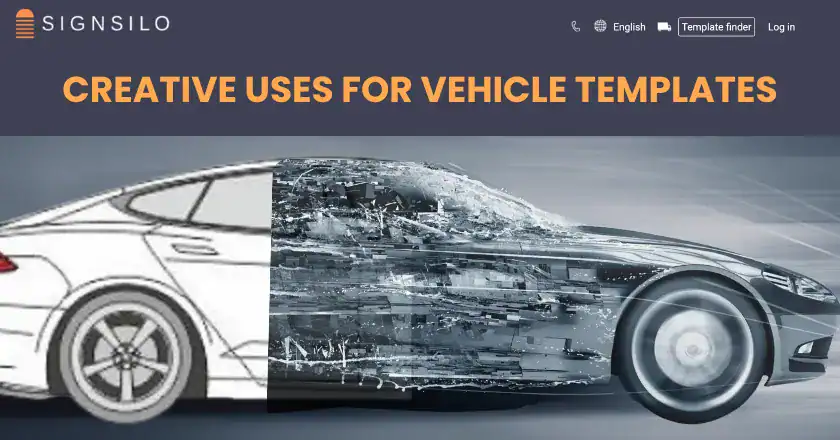
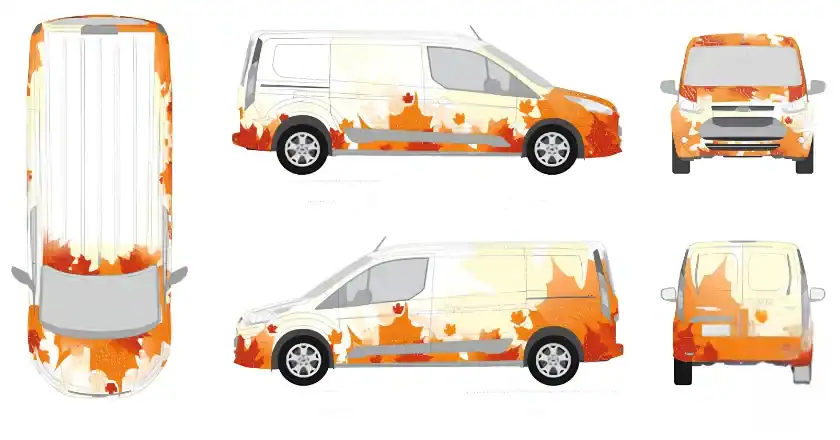
The availability of multiple views (front, rear, side, and roof) ensures that a design is not merely a flat graphic but a comprehensive blueprint. In the context of industrial production, these templates are often rendered at a 1:20 scale, providing a standardized framework that translates seamlessly from a designer’s monitor to a large-format printer. For creative professionals outside the signage industry, this precision offers a "real-world" constraint that adds a layer of authenticity to their work, whether they are designing a futuristic vehicle for a video game or a realistic mockup for a global branding campaign.
Concept Design for Games, Film, and Advertising
In the high-stakes environments of entertainment and advertising, time is a premium commodity. Concept designers for gaming and film often need to iterate rapidly on vehicle designs before committing to expensive 3D modeling or physical prop building. Vehicle templates serve as the ideal architectural "skeleton" for these projects.
Within the gaming industry, developers use templates to establish the proportions of vehicles that must fit within specific environment scales. For example, a designer working on an open-world urban game can use a standard van template to ensure that the fictional vehicles they create will realistically fit through the game’s streets and parking structures. Similarly, in film production, art directors utilize these templates to plan the "set dressing" of vehicles, ensuring that logos for fictional police forces or delivery companies are placed accurately according to the vehicle’s body lines and door handles.

Key applications in this sector include:
- Futuristic Vehicle Prototyping: Modifying existing car or truck silhouettes to create sci-fi or post-apocalyptic transport.
- Environment Scaling: Using real-world vehicle dimensions to inform the architectural scale of digital environments.
- Storyboarding: Placing consistent vehicle designs across various frames to maintain visual continuity in narrative projects.
Digital Art and the Rise of Technical Illustration
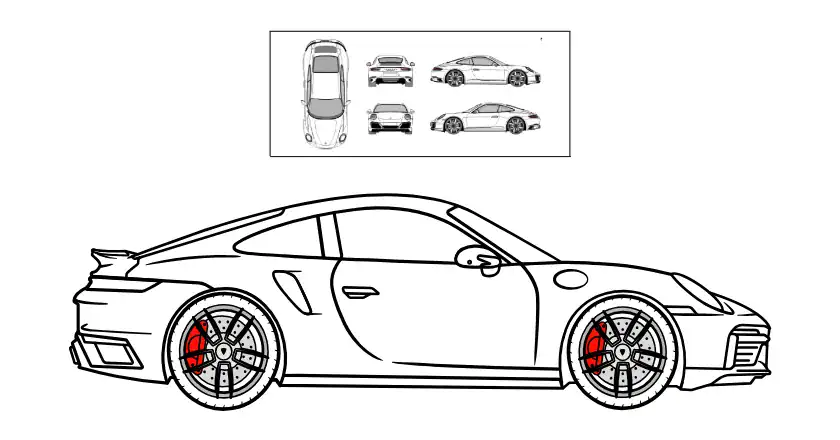
For digital artists and illustrators, vehicle templates provide a shortcut to anatomical accuracy. Drawing a vehicle from scratch requires a deep understanding of perspective and automotive engineering; a template removes this barrier, allowing the artist to focus on style, color, and texture.
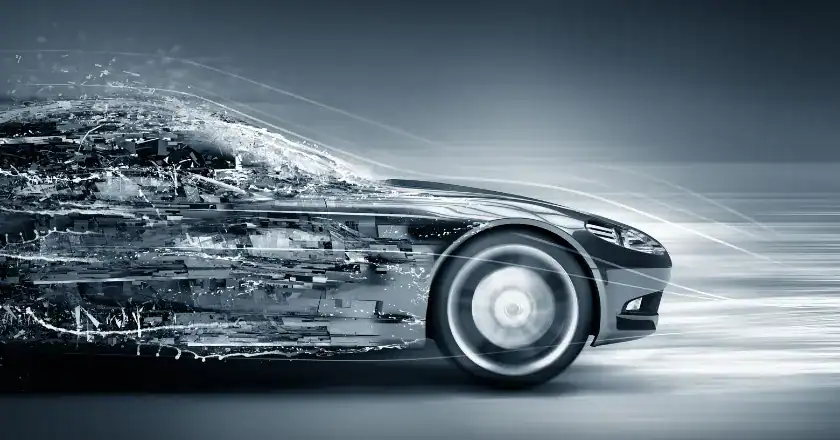
This has led to a surge in "automotive pop art" and technical illustrations used in editorial content. Artists can apply complex patterns, digital "paint" splatters, or intricate line work to a template, knowing that the underlying proportions are correct. This is particularly useful for creators on platforms like ArtStation or Behance, where technical proficiency is as highly valued as creative flair. Professional templates help maintain realistic proportions while giving artists the freedom to experiment with surrealist or hyper-realistic aesthetics.
Marketing Presentations and the Psychology of Client Approval
In the corporate world, the ability to visualize a final product is often the deciding factor in securing a contract. Marketing agencies use SignSilo’s templates to create high-impact "proof of concept" presentations. When a client can see their brand identity perfectly wrapped around a 3D-simulated vehicle, the emotional and professional buy-in is significantly higher than when viewing a flat logo on a white background.
These realistic visualizations serve several strategic purposes:
- Risk Mitigation: Identifying potential design flaws—such as a logo being cut off by a sliding door handle or a phone number being obscured by a wheel well—before any vinyl is printed.
- Cost Efficiency: Reducing the need for physical prototypes or multiple rounds of corrected prints.
- Brand Consistency: Ensuring that a visual identity scales correctly across different vehicle types, from a compact courier car to a large logistics truck.
Industry data suggests that agencies using high-fidelity mockups report a 30% faster approval rate from clients compared to those using 2D flat designs. By eliminating the "imagination gap," templates allow for a more objective discussion about brand placement and visual impact.
Educational Impact and Professional Development
The academic sector has also recognized the value of professional vehicle templates. Design schools and technical colleges have integrated these assets into their curricula to teach students about the intersection of graphic design and industrial manufacturing.
Students learning "wrap design" are taught to navigate the complexities of non-flat surfaces. Using SignSilo templates, they learn how to account for compound curves, hinges, and rivets—elements that are often overlooked in traditional graphic design education. This prepares them for the workforce by giving them experience with industry-standard files and real-world production constraints. Furthermore, many designers use these templates to build fictional "spec" projects for their portfolios, demonstrating their ability to handle complex branding tasks for high-profile industries like motorsports, luxury transport, or public utilities.
Timeline and Market Context: The Growth of Vehicle Customization
The demand for high-quality vehicle templates has tracked closely with the global growth of the vehicle wrap market. According to market research reports, the global automotive wrap market was valued at approximately $4.7 billion in 2021 and is projected to expand at a compound annual growth rate (CAGR) of over 22% through 2030. This growth is driven by the increasing use of vehicles as mobile billboards and a rising trend in vehicle personalization.
Historically, vehicle templates were physical blueprints or simple 2D CAD drawings used by engineers. In the 1990s, as digital printing technology advanced, the need for accurate digital outlines grew. By the 2010s, services like SignSilo emerged to provide standardized, downloadable libraries that could keep pace with the hundreds of new vehicle models released by manufacturers every year. Today, the integration of AI-assisted design and 3D rendering software has further cemented the template’s role as an essential starting point for any automotive-related visual project.
Strategic Membership Models for Diverse Workflows
SignSilo has addressed the varied needs of this expanding market by offering flexible pricing structures that cater to different professional volumes. This democratization of access ensures that both large agencies and independent freelancers can utilize high-quality assets.
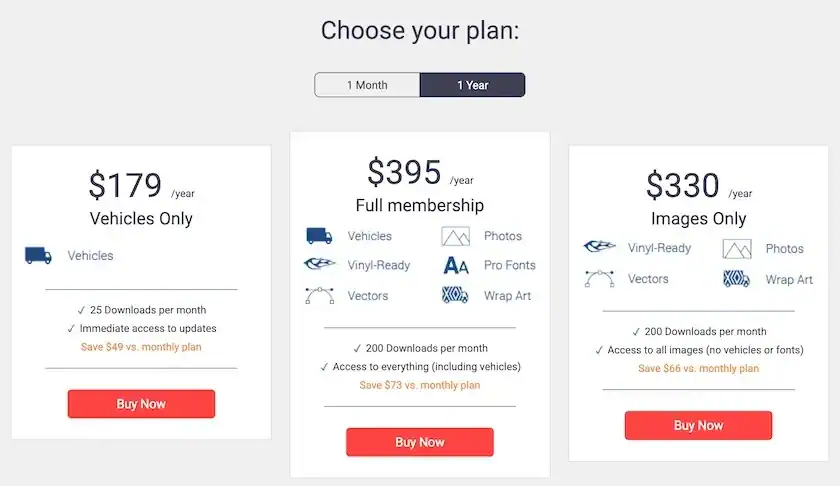
The Full Membership
Designed for high-volume users such as sign shops, wrap installers, and large design agencies, the Full Membership provides an all-access pass to the entire SignSilo ecosystem. This includes not only the vehicle templates but also a vast library of high-resolution stock photos, vector illustrations, and wrap-specific textures. For professionals whose revenue depends on rapid turnaround times, this membership offers the highest ROI by centralizing all necessary design components in one location.
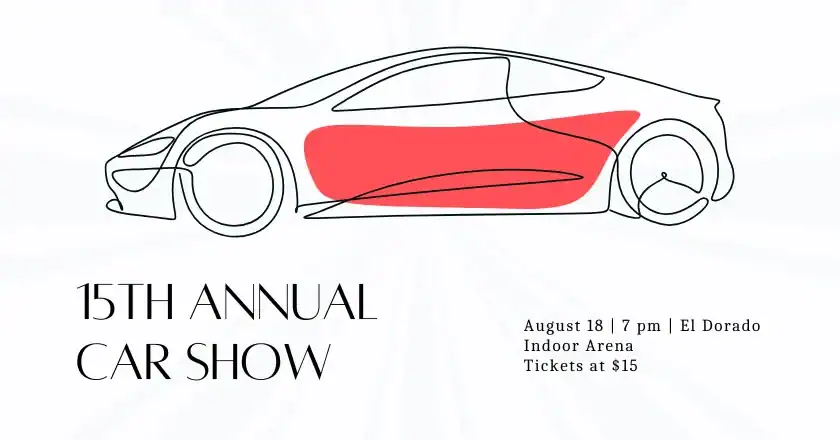
The Vehicle Club Membership
Recognizing that not every user needs a full creative suite, the Vehicle Club Membership is tailored toward those who specifically require vehicle outlines. This is an ideal solution for freelancers, educators, and hobbyists. It provides a generous monthly download limit of 25 templates, which is more than sufficient for portfolio building, educational assignments, or occasional client projects. This tiered approach has been praised by industry analysts for making professional-grade tools accessible to the "prosumer" market.
Broader Impact and Future Implications
As we move further into the decade, the role of vehicle templates is expected to expand into the realms of Augmented Reality (AR) and Virtual Reality (VR). Companies are already beginning to use these vector-based templates as the foundation for AR apps that allow customers to "see" a new car color or commercial wrap on their own driveway using a smartphone camera.
The precision of SignSilo’s library ensures that as these technologies evolve, the underlying data remains compatible with the next generation of design tools. By providing a bridge between the physical vehicle and the digital canvas, these templates have become more than just a sign-maker’s tool; they are a fundamental building block of modern visual communication. Whether it is a bus wrapped in a promotional graphic for a summer festival or a digital tank in a blockbuster video game, the journey likely began with a professional vehicle template.