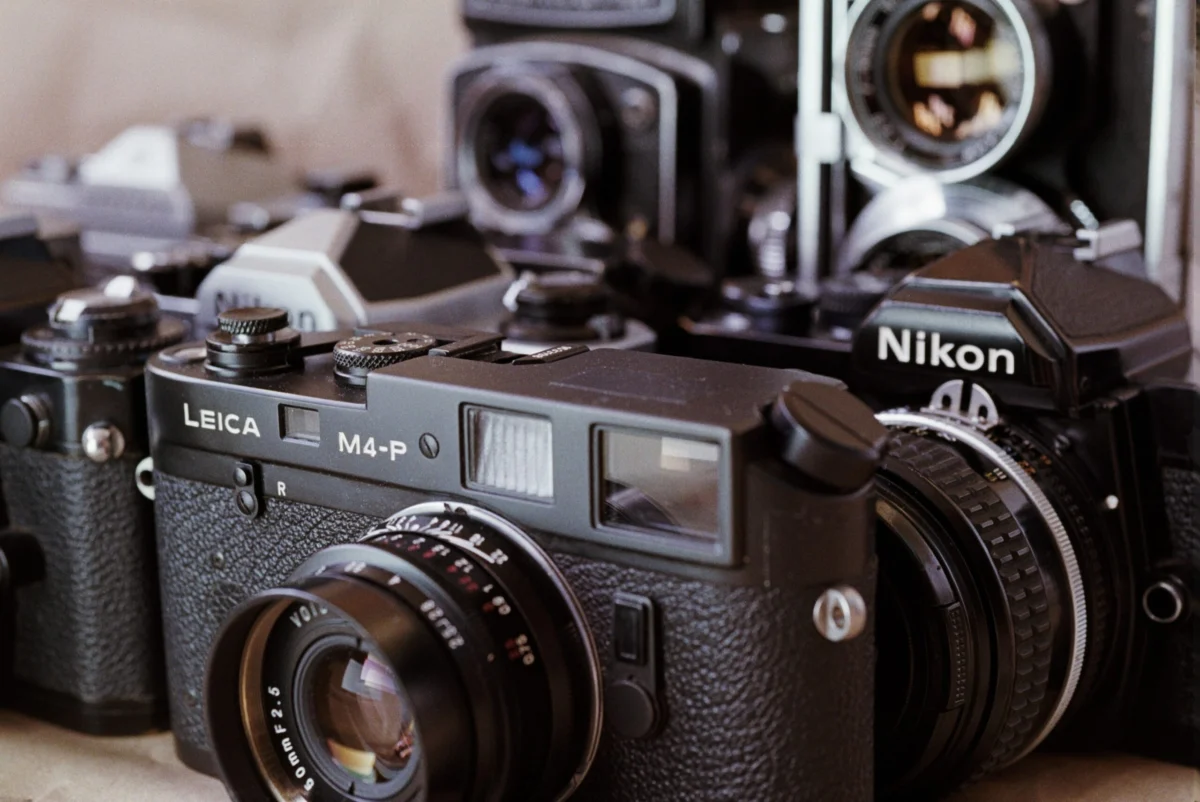
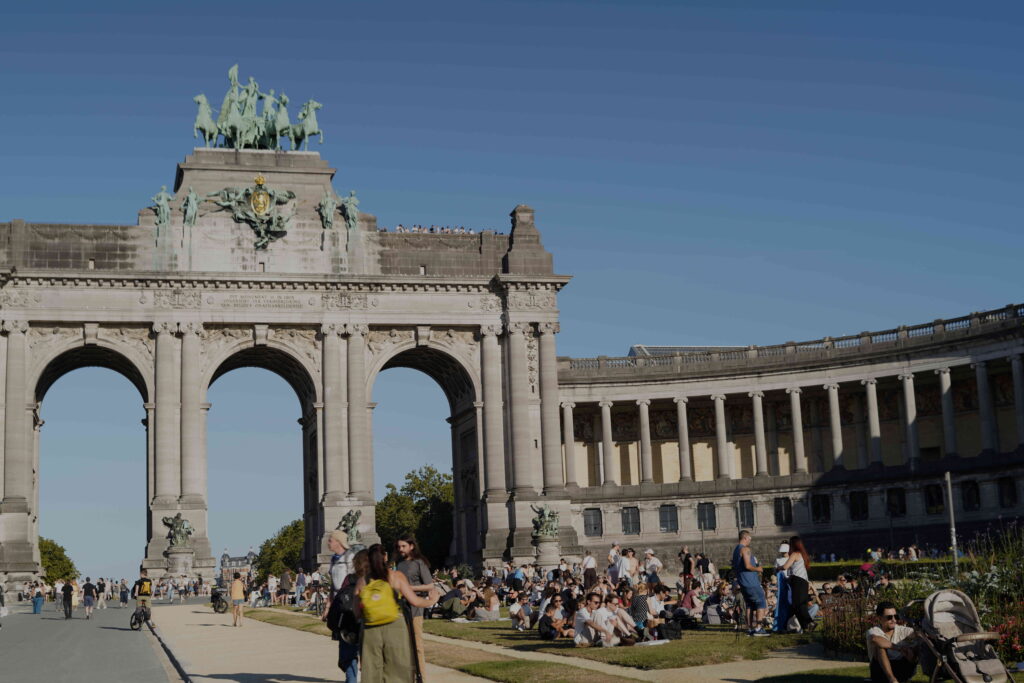
The solar eclipse of August 12, 2026, marked a significant astronomical milestone for Europe, serving as the first total solar eclipse visible on the continent since 1999. While the path of totality swept across Greenland, Iceland, and northern Spain, the city of Brussels experienced a profound partial eclipse, with approximately 90% of the sun’s disk obscured by the moon. This celestial event drew thousands of observers to public spaces across the Belgian capital, most notably to the Parc du Cinquantenaire, where photographers and enthusiasts gathered to document the phenomenon under unique atmospheric conditions. Among those documenting the event was photographer Geoff Chaplin, who utilized a Sony A7Riii equipped with a Zeiss Loxia Sonnar 50mm f/2 lens and a K&F Concept Nano-K variable ND 2-400 filter to capture the progression of the eclipse from a wide-angle, contextual perspective.
Overview of the Celestial Event and Observation Site
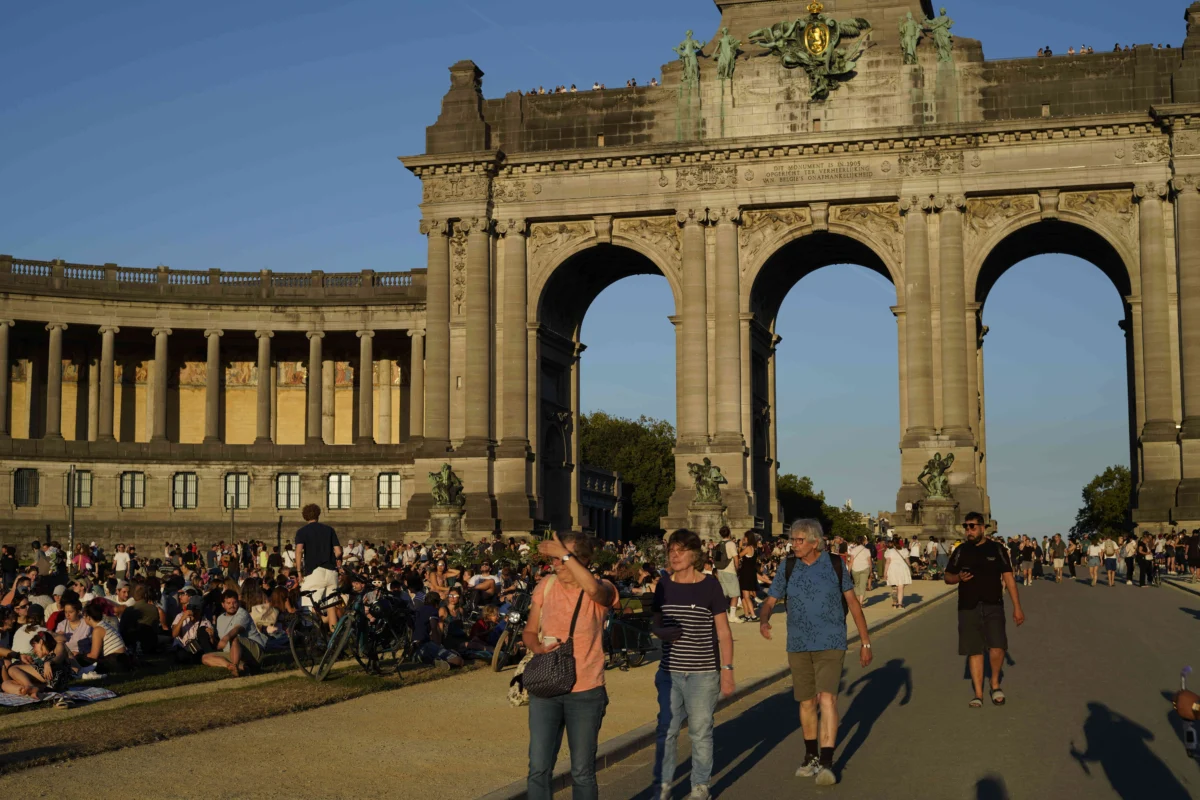
The August 2026 eclipse was a rare event for Northern Europe, occurring late in the evening during the "Golden Hour," just prior to sunset. In Brussels, the maximum obscuration reached a staggering 90%, a level that significantly alters the quality of ambient light, shifting it from the warm glow of a typical summer evening to a silvery, eerie dimness. The Parc du Cinquantenaire, or Jubelpark, served as the primary staging ground for the observation. Established in 1880 to celebrate the 50th anniversary of Belgian independence, the park’s expansive lawns and iconic U-shaped arcade provided an ideal vantage point for tracking the sun’s descent toward the horizon.
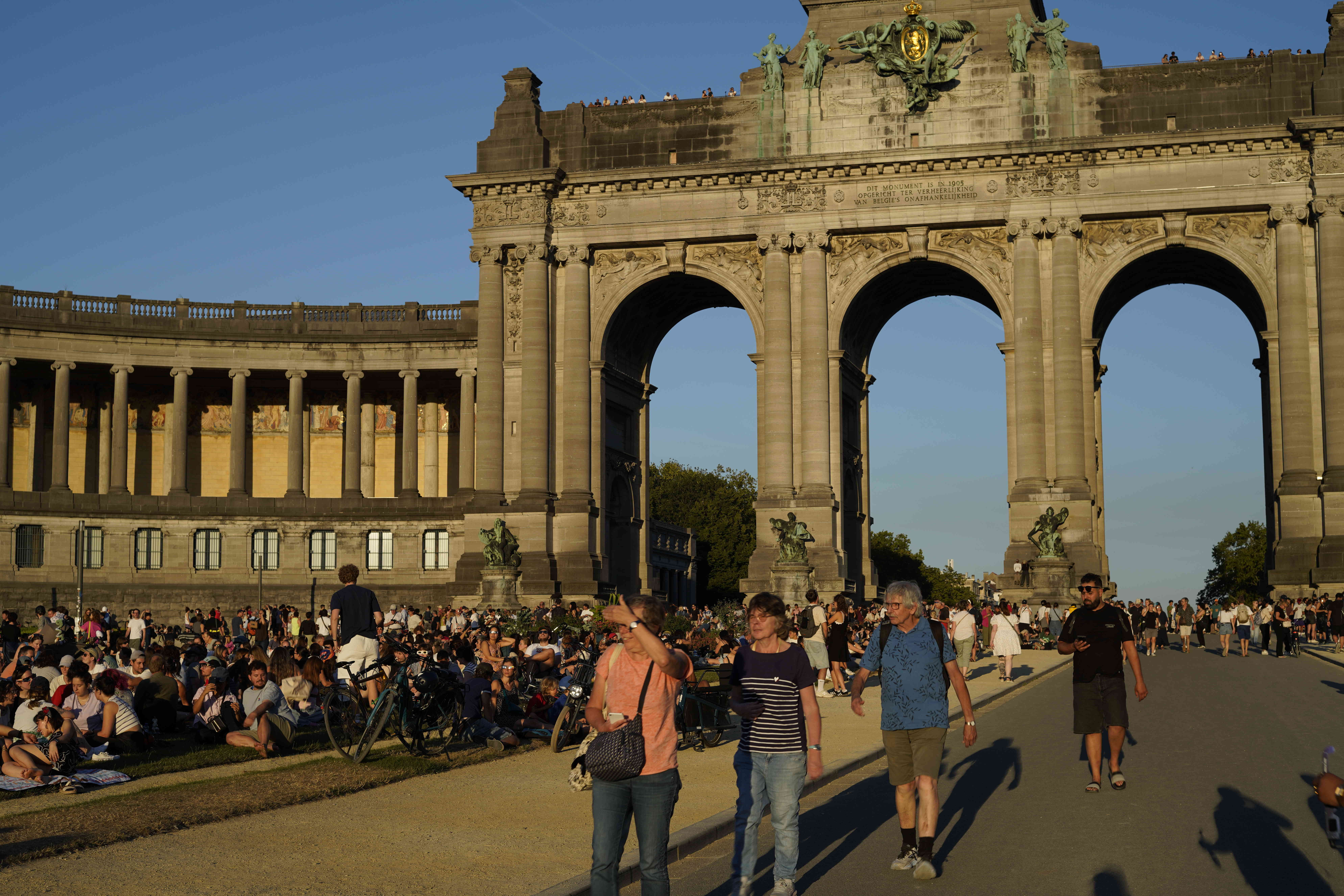
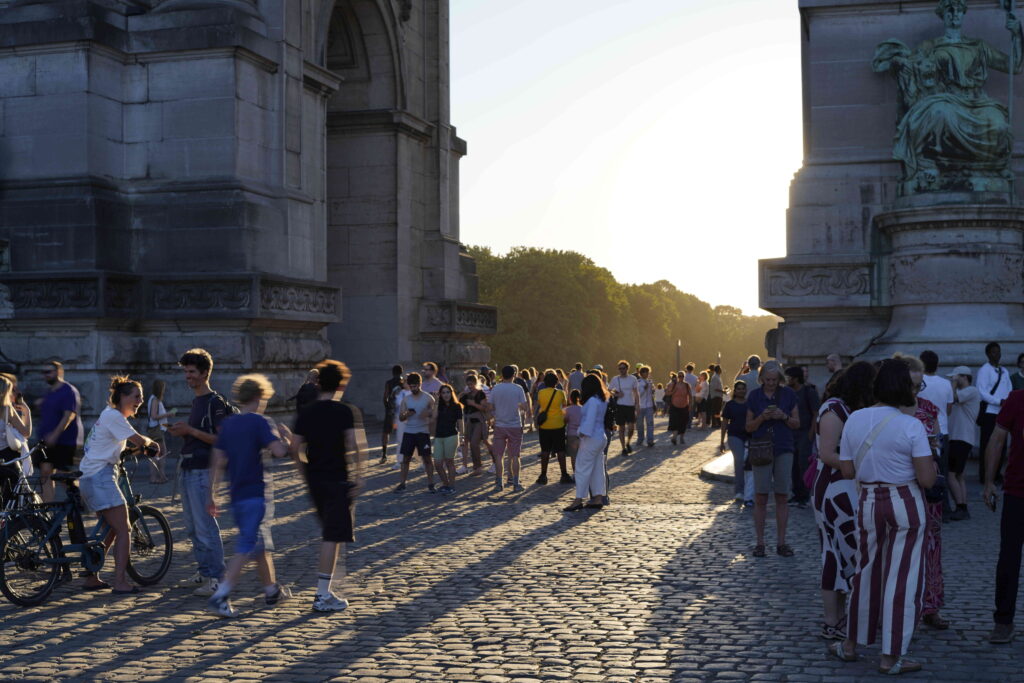
The gathering at the park was characterized by an international assembly of observers, reflecting Brussels’ status as a global diplomatic and cultural hub. Among the attendees was the "Photoresk" MeetUp group, an organization of amateur and professional photographers who frequently collaborate on documenting urban and natural events. The crowd was described by witnesses as remarkably disciplined, focusing on the visual spectacle with a sense of quiet reverence that contrasted with the more festive atmosphere typically found at major public gatherings.
Chronology of the Observation
The timeline of the observation began in the early evening, as the moon first made contact with the solar disk.
- 19:15 (7:15 PM): Observers began arriving in significant numbers at the Parc du Cinquantenaire. At this stage, approximately one hour before the maximum eclipse, the sun remained high enough in the sky to require heavy filtration for any direct viewing or photography. The park was already reaching capacity, with "sun worshippers" occupying the green spaces facing the sunset trajectory.
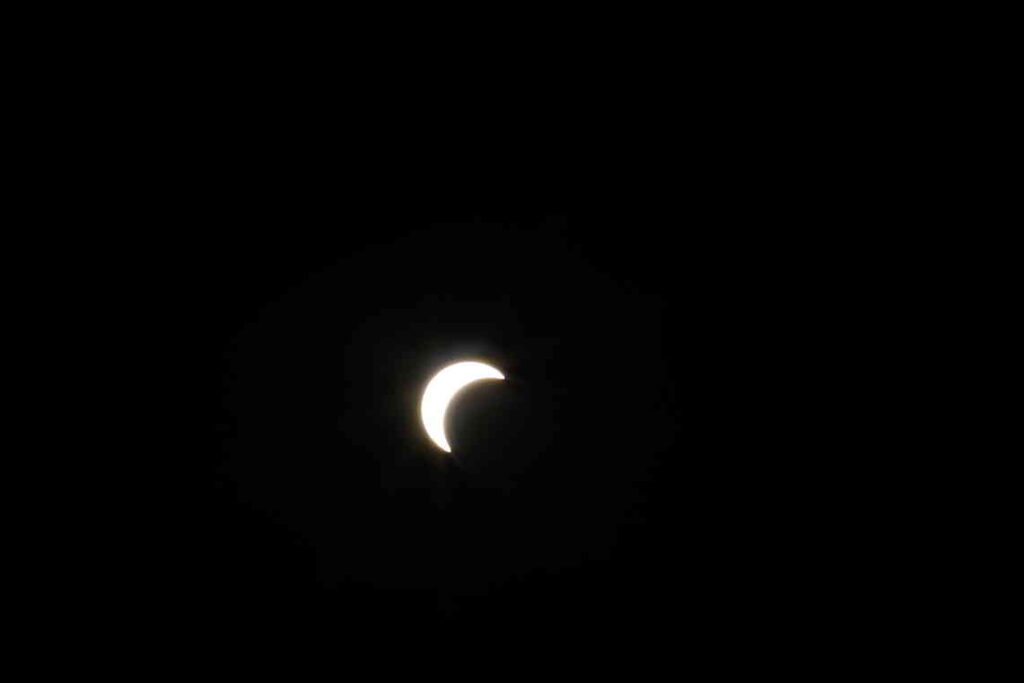
- 19:35 (7:35 PM): The first visible stages of the eclipse were documented. Approximately 20 minutes after the start of the event, the moon had begun a noticeable transit across the solar disk. Photographers using specialized equipment, as well as those with makeshift setups, began capturing the initial "bite" taken out of the sun.
- 20:15 (8:15 PM): The event reached its maximum obscuration in Brussels. At 90% coverage, the light levels dropped precipitously. Despite the significant reduction in solar radiation, the sun remained dangerously bright for the naked eye, necessitating the continued use of ISO-certified eclipse glasses or high-density filters.
- Post-Maximum: As the moon began its retreat, the sun continued its descent toward the horizon. The light quality remained altered—noticeably dimmer than a standard sunset at the same hour—until the sun finally dipped below the Brussels skyline.
Technical Analysis of Equipment and Strategy
Documenting a solar eclipse typically requires specialized telephoto equipment to capture the intricate details of the solar corona or sunspots. However, the constraints of travel and logistics often dictate a more minimalist approach. In this instance, the use of a 50mm lens on a full-frame Sony A7Riii provided a unique, if challenging, perspective on the event.
Lens Selection and Sensor Dynamics
The Zeiss Loxia Sonnar 50mm f/2 is a manual-focus lens prized for its optical clarity and compact form factor. However, for solar photography, a 50mm focal length results in a very small image of the sun on the camera’s sensor. On a standard 35mm full-frame sensor (36mm x 24mm), the sun occupies less than 0.5mm of the frame. This necessitates extensive cropping in post-production to make the solar crescent visible to the viewer. For comparison, a 20mm ultra-wide lens would render the sun at a mere 0.2mm, making it almost indistinguishable from a point of light without extreme magnification.
Filtration and Safety
The primary technical challenge of solar photography is the management of extreme light intensity. The photographer employed a K&F Concept Nano-K variable ND 2-400 filter. While a variable ND filter is typically used for long-exposure landscape photography or videography, setting it to its maximum density (approximately 8.6 stops) allows for the reduction of solar glare. However, it is critical to note from a safety perspective that standard ND filters do not always block the non-visible infrared (IR) and ultraviolet (UV) radiation that can damage camera sensors and human retinas. In this case, the filter was used primarily as a handheld shield in front of the lens, a technique that allowed for quick adjustments but required careful alignment to avoid light leaks.
Exposure Settings
The images captured during the maximum phase of the eclipse utilized a shutter speed of 1/15 second at the filter’s maximum density. This relatively slow shutter speed for a bright light source highlights how much the 90% obscuration, combined with the ND filter, reduced the available light. The resulting images required significant digital cropping to isolate the solar sliver from the surrounding frame.
The Social and Cultural Context of Brussels Observation
The event at Parc du Cinquantenaire served as a microcosm of Brussels’ demographic diversity. The "Photoresk" group, which acted as a focal point for many photographers on-site, included participants from Portugal, Italy, and the Middle East. This international presence underscored the role of English as a lingua franca in the European scientific and hobbyist communities.
The social atmosphere was noted for its sobriety and focus. Unlike other major public events that might involve loud music or commercial activities, the 2026 eclipse was treated as a shared moment of quiet observation. This behavior is consistent with the "solar eclipse experience," where the sudden change in light and temperature often induces a psychological state of awe and contemplation among large crowds.
Scientific Background and Atmospheric Impact
The 2026 eclipse was scientifically significant due to its timing and the regions it covered. While Brussels was not in the path of totality, a 90% partial eclipse is sufficient to trigger several environmental changes:
- Temperature Drop: During the peak of the eclipse, observers in Brussels noted a palpable cooling of the air, a common phenomenon when the majority of solar radiation is blocked.
- Light Quality: At 90% obscuration, the light does not simply get "dimmer" in a linear fashion. The spectral quality changes because the light is coming from the limb of the sun rather than the full disk. This creates sharper shadows and a "silvery" hue that differs from the golden tones of a standard sunset.
- Animal Behavior: While less noticeable in an urban park like Cinquantenaire than in rural areas, partial eclipses of this magnitude often cause birds to begin evening roosting behaviors prematurely.
Broader Implications and Future Observations
The successful documentation of the 2026 eclipse with non-specialized equipment highlights the accessibility of modern digital photography. The Sony A7Riii’s high-resolution 42.4-megapixel sensor provided enough data to allow for the "extensive cropping" mentioned by the photographer, turning a wide-angle shot into a usable telephoto-style image of the solar crescent.
This event serves as a precursor to future European astronomical events. The data and experiences gathered by amateur and professional photographers in Brussels contribute to a broader archive of how celestial events are perceived in urban environments. Furthermore, the 2026 eclipse has renewed interest in "astrophotography for the traveler," proving that even when limited by a "gruelling 27-hour journey" and minimal gear, significant historical and natural events can still be captured effectively.
The next major solar event for the region will be closely watched by the same communities that gathered in Parc du Cinquantenaire. Until then, the images of the 90% obscured sun over Brussels remain a testament to the intersection of serendipity, technology, and the enduring human desire to witness the mechanics of the solar system. The disciplined behavior of the crowds and the successful use of manual-focus optics in a high-pressure environment reflect a sophisticated culture of public science and photography in the heart of Europe.