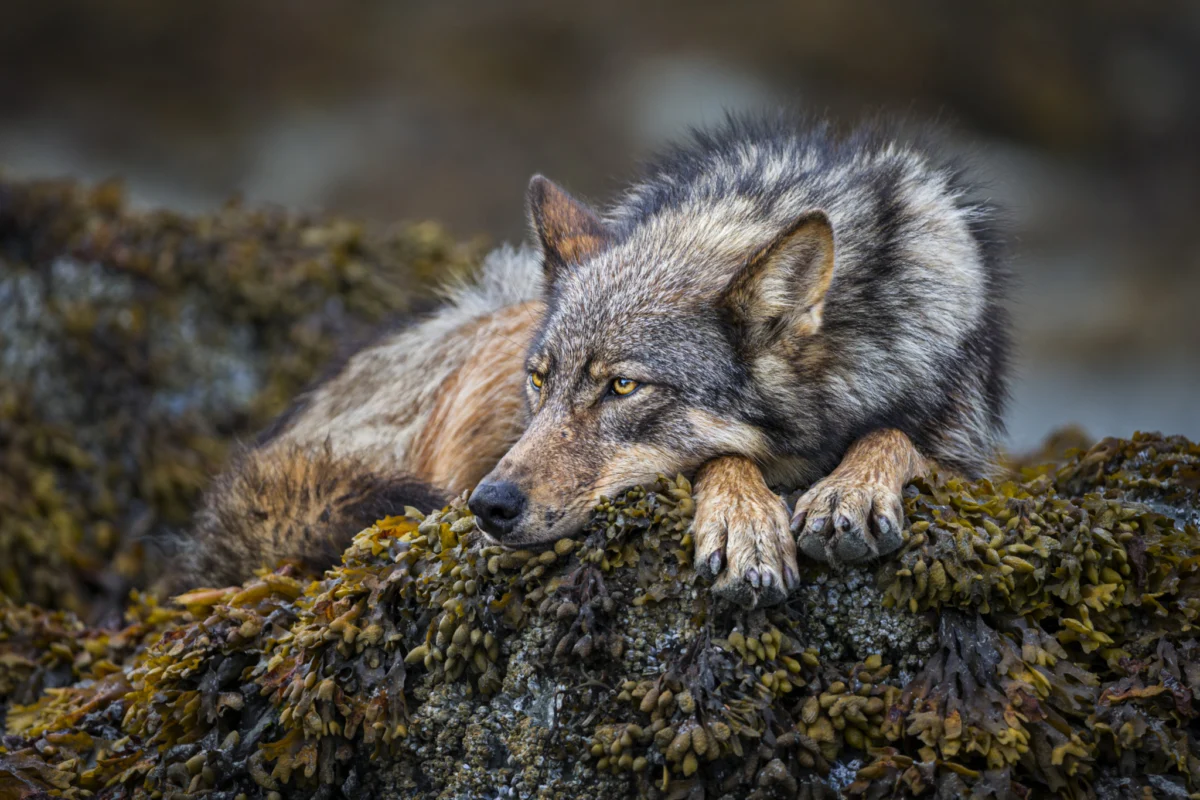
Thirty years ago, a journey into the vast and unforgiving Canadian wilderness, specifically the Barren Grounds approximately 300 miles north of the Arctic Circle, marked a profound personal challenge and a quest for understanding. For three months, the author undertook an arduous expedition, covering over 600 miles on foot and more than 2,000 miles by canoe. The primary objective was to test personal resilience and survival capabilities, coupled with the specific aim of photographing tundra wolves. After an extended period of unsuccessful observation, a breakthrough occurred: what initially appeared to be an unassuming grey rock nestled amongst lupine flowers was, in fact, a lone wolf. This sighting, achieved through meticulous stalking and patient observation, marked the beginning of a lifelong fascination with these often-misunderstood predators. Subsequent encounters have included periods of close proximity with relaxed wolf packs, each interaction serving as an intensive lesson in earning trust through patience. Wolves, by their very nature, are elusive, highly cautious, and generally avoid human contact. Documented instances of wolf attacks on humans are exceedingly rare, with only a handful recorded across North America in the past century, a stark contrast to the enduring archetype of the "big bad wolf" prevalent in popular culture, fiction, and folklore.
The Enduring Myth of the Villainous Wolf
Despite widespread awareness that the fictional portrayals of wolves as malicious entities – such as those tricking children or destroying homes with their breath – are not grounded in reality, an ingrained fear persists. This apprehension is partly fueled by deeply embedded childhood narratives and ancient legends. While seemingly innocuous, fairy tales like "Little Red Riding Hood" carry a subtle but significant influence. In an era marked by a precipitous decline in biodiversity across the continent, the fictional villain can too easily become a convenient scapegoat for ecological imbalances.
When populations of prey species, such as deer, begin to dwindle, wolves are frequently the immediate suspects. This tendency to assign blame to predators overlooks a crucial historical context: wolves have inhabited North America for an estimated 30,000 to 50,000 years, predating the arrival of humans by a significant margin. Their presence and ecological role are integral to the continent’s natural history.
Human Impact vs. Wolf Predation: A Disparity in Devastation
The ecological damage inflicted by human activities such as road construction, deforestation, mining, and oil and gas drilling far surpasses any impact attributed to wolves. Yet, a persistent narrative suggests that restoring natural systems involves controlling and eradicating these predators. This belief system underpins the continuation of government-sanctioned wolf culls, presented as a method of wildlife "management." Simultaneously, industrial entities continue to advocate for resource extraction activities like oil dredging and copper mining, further fragmenting and degrading natural habitats.
In a particularly stark example, the Canadian government has initiated a taxpayer-funded program aimed at the extermination of 4,000 wolves in British Columbia. This initiative highlights a systemic issue: a failure to hold human activities accountable for the substantial damage wrought upon landscapes. Until this accountability is established, recurring ecological mistakes are likely to be repeated.
A Call for Re-evaluation and Ecological Harmony
The author’s intent in sharing observations of animals like wolves is to foster a deeper appreciation and understanding of their intrinsic value and ecological significance. Perpetuating the villainization of predators that have played a vital role in maintaining ecosystem balance for millennia only serves to deepen a destructive cycle. Every species, regardless of how it is perceived or misunderstood, contributes to the planet’s biodiversity and inherent beauty.
Shifting the focus from scapegoating wildlife to addressing the broader, systemic threats that endanger our planet is presented as the crucial first step toward confronting the truth and rectifying humanity’s fractured relationship with the natural world. This paradigm shift requires acknowledging the profound impact of human infrastructure and industrial practices on ecosystems and prioritizing conservation strategies that work in concert with, rather than against, natural processes.
The Ecological Role of Wolves: A Scientific Perspective
Wolves, as apex predators, play a critical role in maintaining the health and stability of ecosystems. Their predation on large herbivores, such as elk and deer, helps to regulate prey populations. This regulation, in turn, has cascading effects throughout the environment. For instance, by preventing overgrazing, wolves allow vegetation to flourish, which benefits a wide range of other species, from insects to birds. The return of wolves to areas where they were once extirpated has been linked to the recovery of riparian ecosystems, as reduced browsing pressure allows willow and aspen to grow, stabilizing riverbanks and providing habitat for various creatures.
The Yellowstone National Park reintroduction project, initiated in 1995, serves as a well-documented case study. Following their eradication in the early 20th century, the park experienced a decline in biodiversity and ecological health. The reintroduction of wolves led to a significant decrease in elk populations, which in turn allowed vegetation to rebound. This ecological restoration has been credited with the return of beavers, an increase in songbird populations, and improved water quality. Such evidence underscores the vital, albeit often unseen, contributions of wolves to ecosystem resilience.
Data and Evidence: Quantifying the Impact
- Wolf Population Trends: While specific numbers fluctuate due to management practices and environmental conditions, wolf populations in North America have shown signs of recovery in some regions following periods of severe decline. However, ongoing habitat loss and human-wildlife conflict continue to pose significant threats.
- Human-Caused Wildlife Mortality: Data consistently shows that human activities are the leading cause of wildlife mortality. Vehicle collisions, habitat destruction, pollution, and direct persecution account for a far greater number of animal deaths annually than any predatory impact attributed to wolves. For example, studies on roadkill in North America indicate millions of animals are killed each year by vehicles, a direct consequence of human infrastructure.
- Economic Impact of Industrial Development: The environmental and economic costs associated with mining, logging, and oil and gas extraction are substantial. These industries often result in habitat fragmentation, water and air pollution, and long-term ecological damage, impacting countless species and ecosystems. The cost of remediation and the loss of ecosystem services are often not fully accounted for in the economic calculus of these developments.
Official Stances and Policy Debates
Government policies regarding wolf management vary significantly across jurisdictions. In some areas, efforts focus on conservation and reintroduction, recognizing the ecological benefits of wolves. In others, particularly in regions with strong agricultural or hunting interests, wolf populations are often subject to control measures aimed at mitigating perceived conflicts.
The Canadian government’s decision to implement a cull of 4,000 wolves in British Columbia, as mentioned, has drawn criticism from conservation groups. These organizations argue that such measures are often based on outdated assumptions about wolf behavior and ecological impact, and that they fail to address the root causes of wildlife population declines, which are more often linked to habitat loss and human development. Proponents of culls, however, often cite concerns from livestock producers and the desire to protect certain game populations.
Broader Implications for Conservation and Human-Wildlife Coexistence
The persistent negative perception of wolves, driven by historical narratives and a lack of comprehensive understanding, poses a significant challenge to effective conservation. The tendency to blame predators for ecological problems deflects attention from the far more pervasive and damaging impacts of human industrial activities and land-use practices.
The implications of this flawed approach are far-reaching. It hinders the development of holistic conservation strategies that recognize the interconnectedness of ecosystems. Instead of fostering a collaborative approach to wildlife management, it perpetuates a cycle of conflict and misunderstanding. Ultimately, the ability to achieve genuine ecological balance and foster coexistence between humans and wildlife hinges on a fundamental re-evaluation of our relationship with the natural world. This requires moving beyond myth and fear to embrace scientific understanding, acknowledging our species’ profound impact, and committing to responsible stewardship of the planet. The lessons learned from observing the patient persistence of wolves in their natural habitats can serve as a powerful metaphor for the patience and dedication required to heal our planet and our relationship with its wild inhabitants.